Categories
Accountability general freedom ideological culture media and media people nannyism Regulating Protest responsibility too much government

Tyranny’s Days Are Numbered

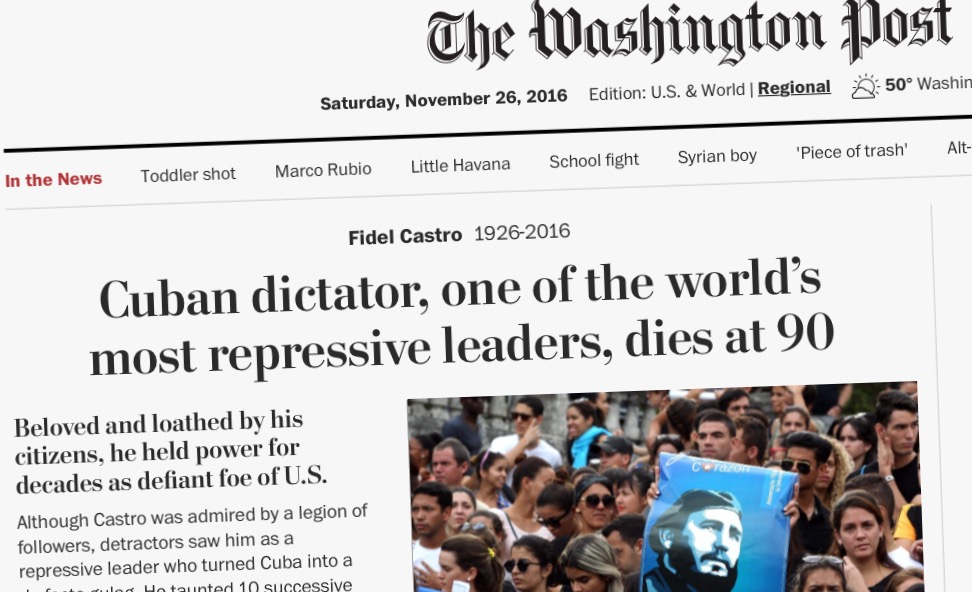
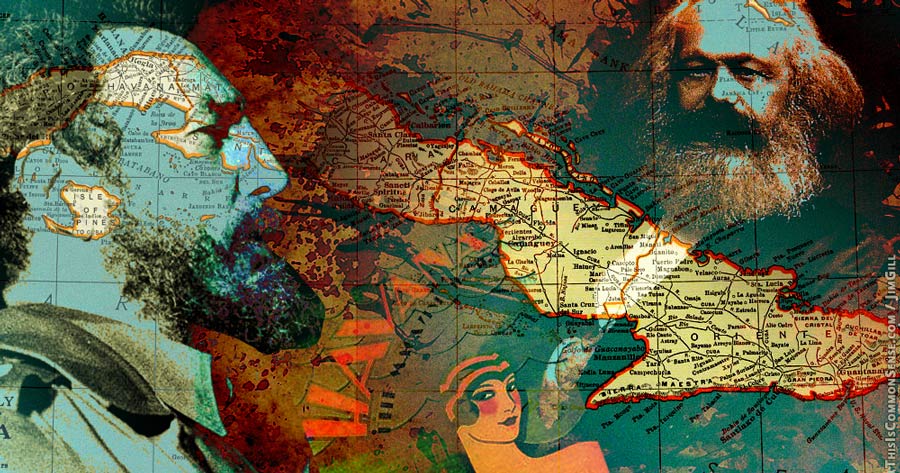
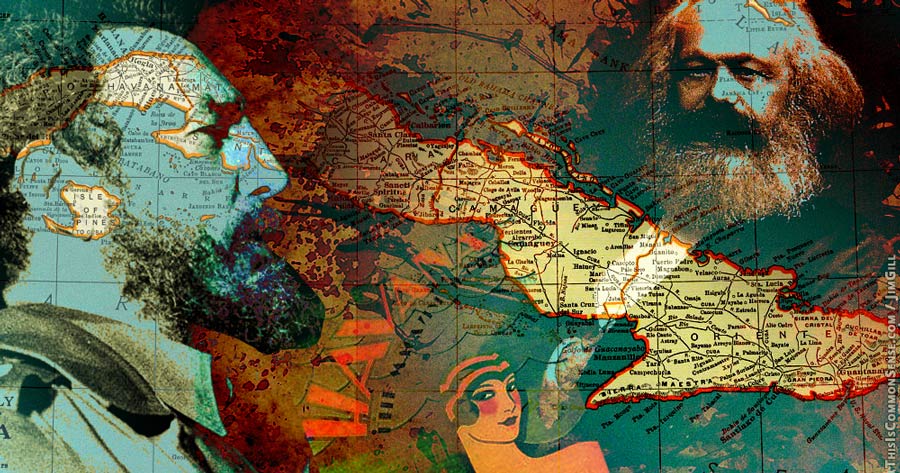
Fidel Castro, the Cuban dictator for half a century, died Friday night.

“Although Castro was beloved by a legion of followers,” The Washington Post acknowledged, “detractors saw him as a repressive leader who turned Cuba into a de facto gulag.”

Many on the American left — especially in Hollywood — have been surprisingly enamored of Castro, and the supposed “accomplishments” of better education and healthcare delivery in his socialist paradise.

I guess we must all weigh whatever policy advances were made against Mr. Castro’s faults.

As the New York Times detailed: “Foreign-born priests were exiled, and local clergy were harassed so much that many closed their churches. . . . a sinister system of local Committees for the Defense of the Revolution that set neighbors to informing on neighbors. Thousands of dissidents and homosexuals were rounded up and sentenced to either prison or forced labor. . . . jailing anyone who dared to call for free elections. . . . imprisoning or harassing Cuban reporters and editors.”

Fidel Castro’s death reminds me of Irving Berlin’s jazz tune about Adolf Hitler, When That Man is Dead and Gone:

What a day to wake up on

What a way to greet the dawn

Some fine day the news’ll flash

Satan with a small mustache

Is asleep beneath the lawn

When that man is dead and gone

Saturday morning, that news finally flashed for Cuban Americans in south Florida. Followed by jubilation. Horns honking. Smiles, cheers and songs. Jigs were danced.

Fidel Alejandro Castro Ruz — that dictator, the person who imprisoned and murdered many seeking freedom — is dead and gone.

For now, sadly, his brand of tyranny continues through brother, Raúl Castro. But its days, too, are numbered.

This is Common Sense. I’m Paul Jacob.

Printable PDF

Castro, death, Cuba, Communism, freedom, illustration


Categories
Today

Henry Hazlitt

In 1894, on November 28, economics journalist Henry Hazlitt was born. Halitt went on to write Economics in One Lesson, Time Will Run Back, and several books criticizing Keynesianism. He was the main proponent of the work of Ludwig von Mises and F.A. Hayek in America during the 1940s and 1950s.

Exactly one year earlier, women voted in a national election for the first time . . . in New Zealand. On the same date in 1917, the Estonian Provincial Assembly declared itself the sovereign power of Estonia. November 28 also marks the independence of Mauritania from France (1960), and East Timor from Portugal.

Categories
Thought

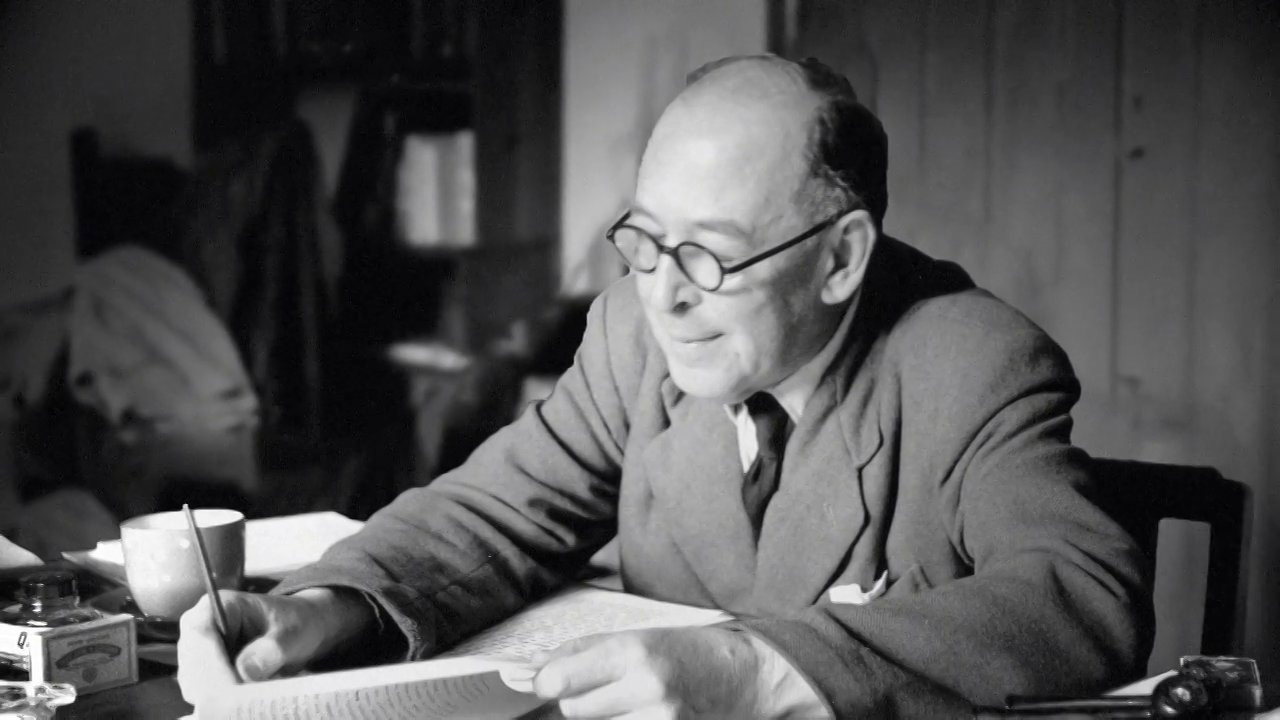
C. S. Lewis

Since it is so likely that children will meet cruel enemies, let them at least have heard of brave knights and heroic courage.


C. S. Lewis, On Stories: And Other Essays on Literature (1966).

Categories
links

Townhall: That Man Is Dead

Start carving the headstone, inscribe the death date: The dictator is dead. Long live his opposition. Bury the man in the ground. And click on over to Townhall for the obit, coming back here for more dirt:

Categories
Today

Nobel Prizes

November 27, 1295, the first elected representatives from Lancashire were called to Westminster by King Edward I to attend what later became known as “The Model Parliament.”

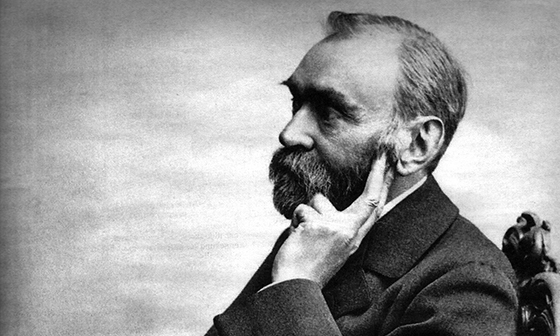
On the same date in 1895, Alfred Nobel (pictured) signed his last will and testament, thereby establishing the Nobel Prizes.

Categories
by Paul Jacob video

Why Direct Democracy?

Last week, Paul attended an international conference on direct democracy. Listen and compare rationales:

If you speak Spanish, or are a monolingual English-speaking absurdist, you might enjoy this translated version.

Categories
Thought

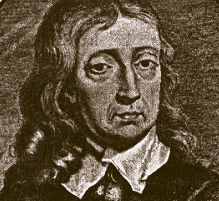
John Milton

Give me the liberty to know, to utter, and to argue freely according to conscience, above all liberties.


John Milton, Areopagitica; A speech of Mr. John Milton for the Liberty of Unlicenc’d Printing, to the Parlament of England (1644).

Categories
Today

A Grimké Birthday

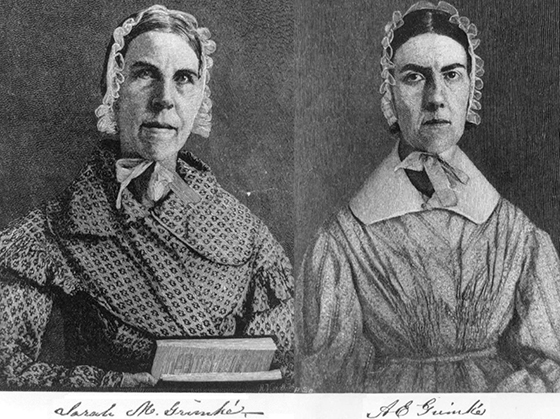
November 26, 1792, saw the birth of Sarah Moore Grimké, American abolitionist and feminist. She was the elder sister of the equally famed Angelina Emily Grimké Weld.

Categories
free trade & free markets general freedom ideological culture media and media people

In the Black

“Black Friday,” reads a meme making the social media rounds. “Because only in America [do] people trample each other for sales one day after being thankful for what they already have.”

Thankfulness is vital, I agree. But I’ve been up at the crack of dawn to “cash in” on Black Friday sales, and I’ve never witnessed any violence of any kind. Not a smidgeon. Not that it doesn’t happen — we’ve all seen the videos. It just isn’t the usual experience.

In fact, the camaraderie of strangers is one of the endearing aspects of standing in line waiting for a big box store to open at some forsaken hour.

Trust me, I’m decidedly not an enthusiastic shopper, so participating in Black Friday wasn’t my idea. My youngest daughter wanted to experience it. And taking a businesslike approach to Christmas shopping, she needed the savings. I liked her interest and initiative and so I said, yes, to getting up at 5:00 am.

But after staying up late talking with friends and relatives, that early alarm hit hard.

What I liked, in order, were: being with my daughter, our sleep-deprived sense of humor, the rush of doing something new, and a comforting visit to Starbucks.

For years, I rode this father-daughter Black Friday fast lane. But not this year. At age 17 (her, not me), with her social life and work, she’s got better things to do than partake in dawn shopping raids.

Still, if she ever asks me to go with her on Black Friday, I’ll be up and at ’em, thrilled for the opportunity.

Why? I know what I’m thankful for. What really matters.

This is Common Sense. I’m Paul Jacob.


Printable PDF

Christmas, Black Friday, family, values, trample, hypocrisy


Categories
Today

Czech, Slovak

November 25, 1975, Suriname gained independence from the Netherlands.

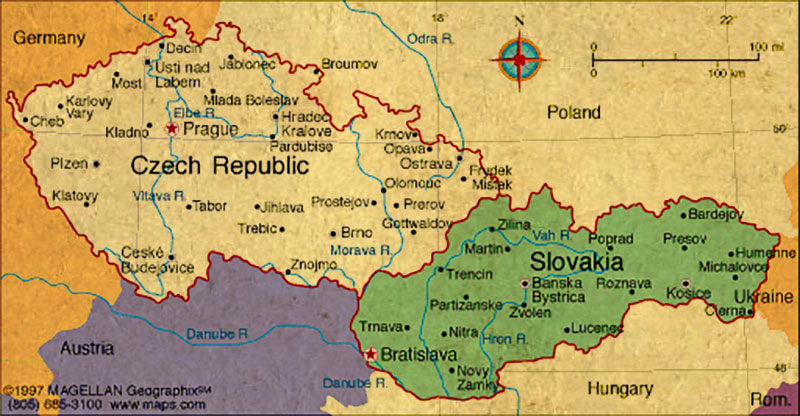
On the same month and date 17 years later, the Federal Assembly of Czechoslovakia voted to split the country into the Czech Republic and Slovakia (officially disjoined as of January 1, 1993).