Categories
general freedom ideological culture public opinion

Mayday! Mayday! Mayday!

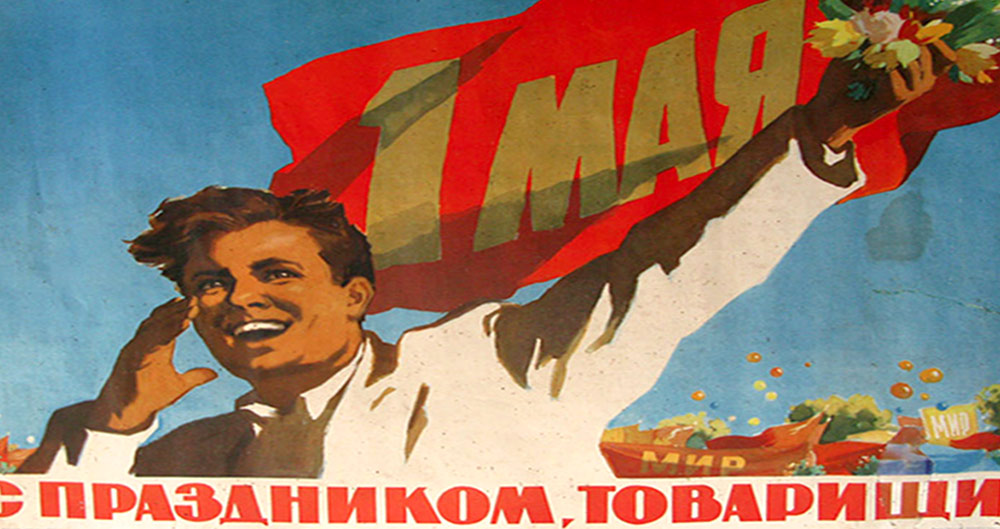
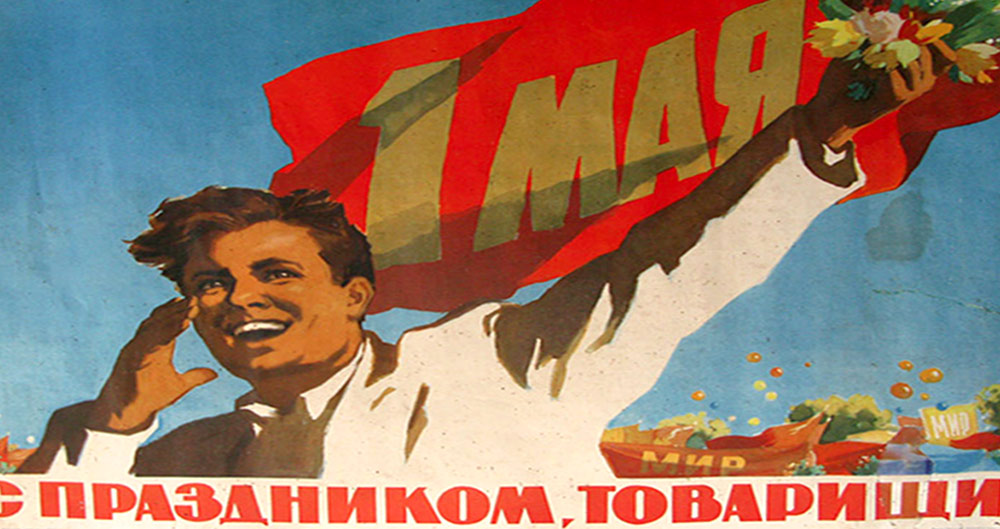
Long time ago, May Day was about celebrating Spring — for which rejoicing is appropriate. Over the last century, it has become International Workers’ Day. 

“In 1889, an international federation of socialist groups and trade unions designated May 1 as pro-workers day,” informs the Wikidates.org website, “on the anniversary of the Haymarket Riots in Chicago (1886).”

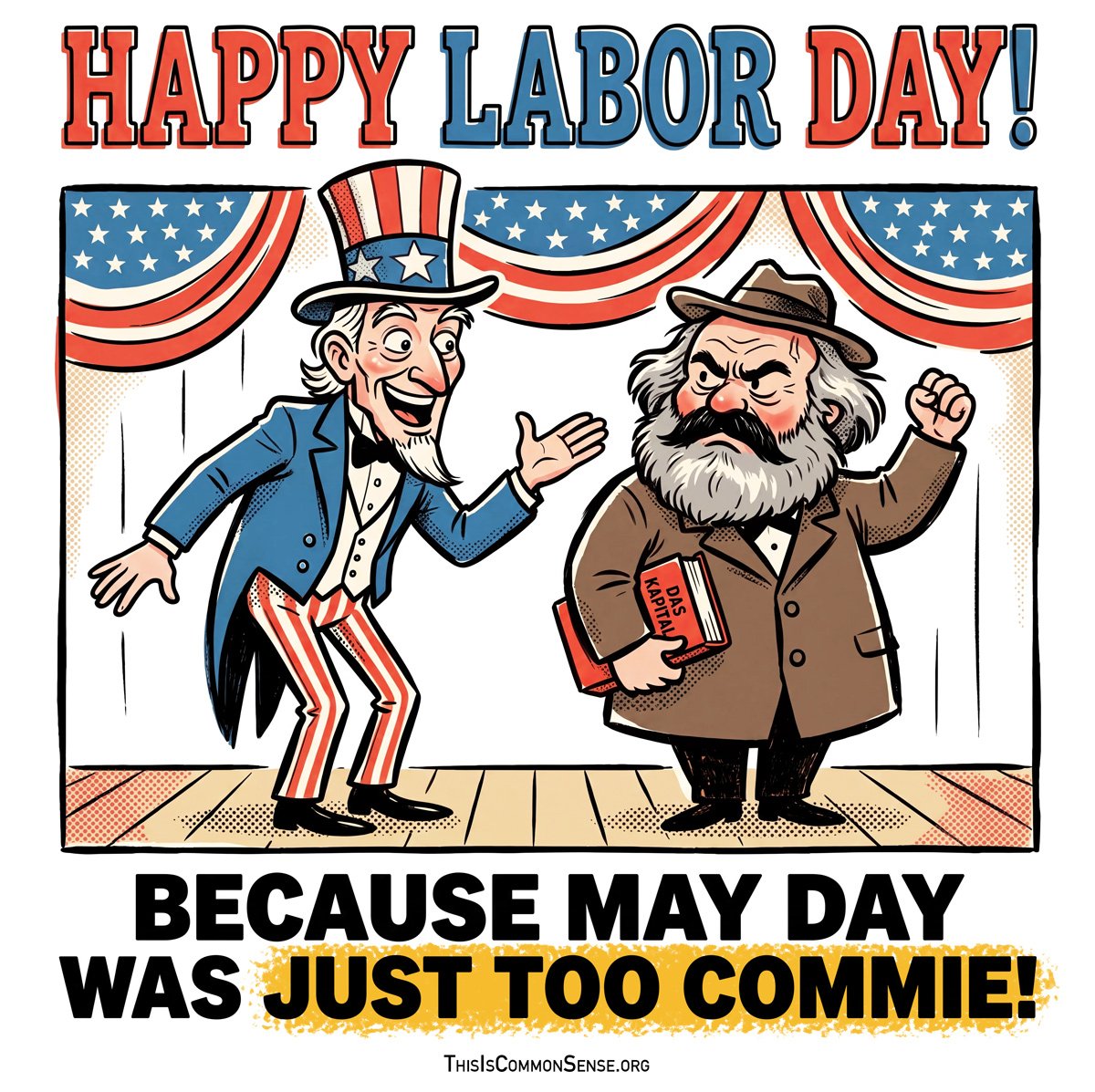
Five years later, clearly opposed to cavorting with socialists, the U.S. established Labor Day on September 1, an alternative date to honor workers.

Today, political rallies and protests are expected in major cities across the country.  “On May 1, 2026, workers, students, and families rally, march, and take action across the country to demand a nation that puts workers over billionaires, with many refusing business as usual through No School. No Work. No Shopping,” says May Day Strong, the umbrella group organizing events.

These are the revolutionary slogans of a General Strike, intended to shut down society. Or perhaps, since the American Federation of Teachers (AFT) and the National Education Association (NEA) are big supporters, just provide teachers a day off. 

And considering Cato Institute’s graph of student performance in public education charted against tax outlays to the cause, any teachers’ union suggestion of skinflintery on the part of Mr. Moneybags The Taxpayer is obscene. 

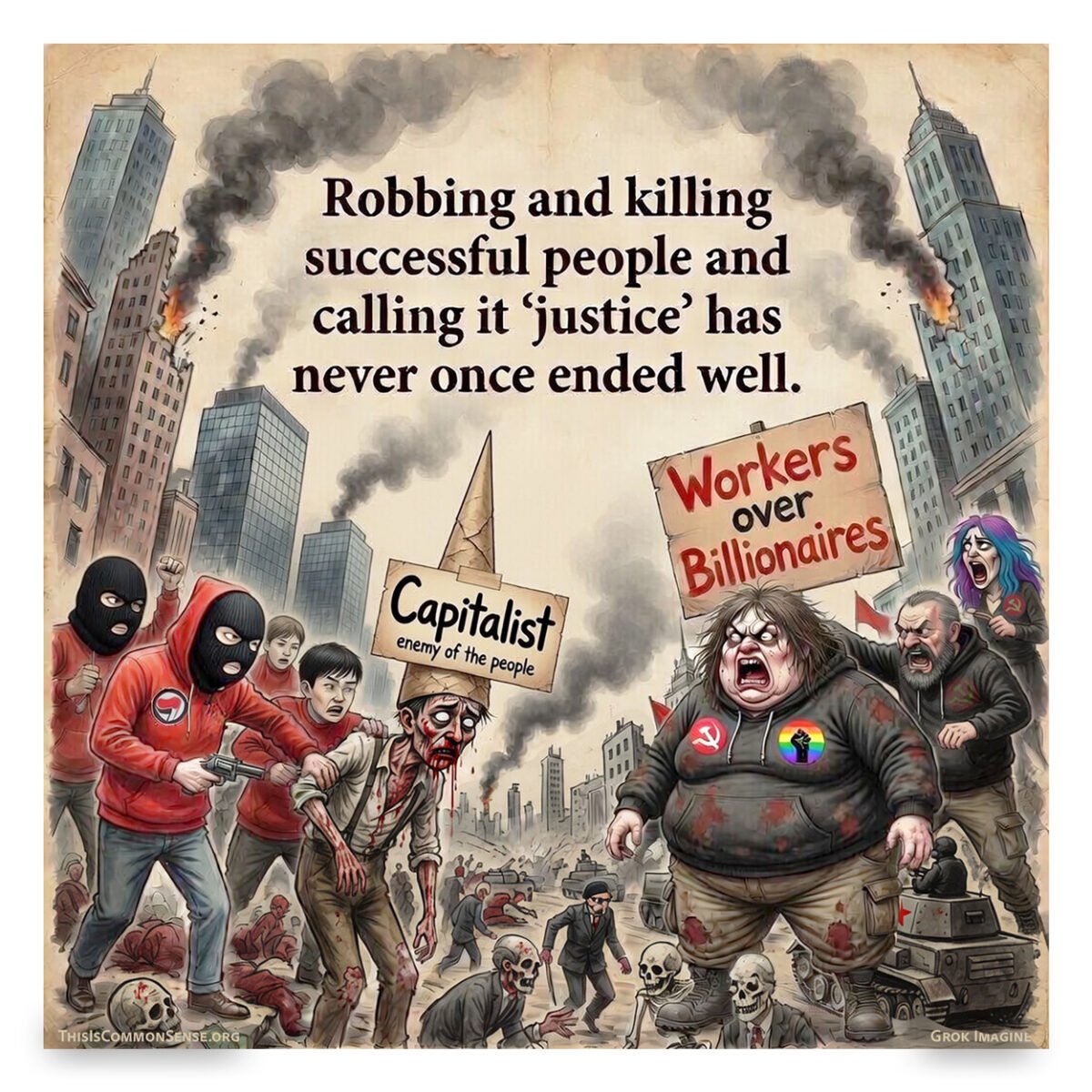
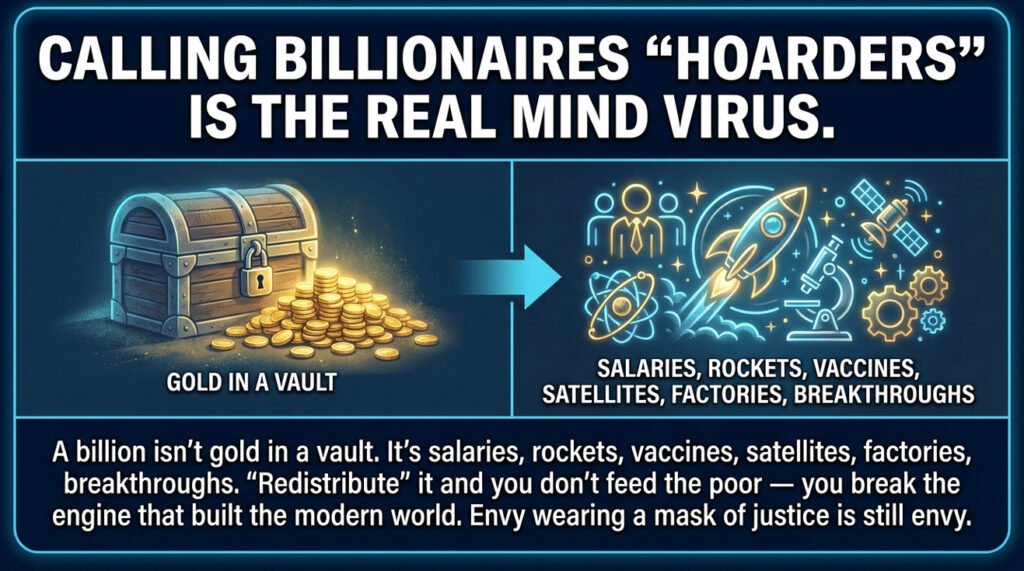
“Workers over billionaires” is the sort of un-American class-warfare slogan that is not only divisive but also badly misguided: billionaires create jobs, without which being a worker really loses its luster. Plus, it’s ineffective: Demonizing the rich never made a society any richer.

Apter for the day? The international distress call: Mayday! Mayday! Mayday!

This is Common Sense. I’m Paul Jacob.


PDF for printing

Illustration created with Grok Imagine

See all recent commentary
(simplified and organized)
See recent popular posts

Categories
free trade & free markets general freedom ideological culture national politics & policies

Workers’ Days

Today is Labor Day. But it is worth remembering, “Labor Day” in most other countries is May 1 — also called “International Workers’ Day.”

One thing to be thankful for on our American Labor Day is that we can celebrate labor — perhaps, like me, you will celebrate it by working! — and not have it serve as a celebration of communism.

For yes, it was the socialists and communists who cooked up the original May Day labor celebration, in part to commemorate 1886’s workers’ protest gone horribly wrong, the Haymarket debacle. In the 19th century, much of the impetus for collectivism came from workers themselves, under the impression that they could do better if they rebelled and expropriated the capitalists’ holdings and “worked for themselves.”

For some reason these activists rarely struck out on their own, becoming entrepreneurs.

Nowadays, alas, many top-level entrepreneurs lean toward socialism, and it is the non-government working people who resist more government, and thereby the socialist program. Indeed, the most enthusiastic clade of socialists in America today seem to be in the ranks of the unemployed.*

Oregon was the first of these United States to make an early September celebration an official Labor holiday, in 1887. Seven years later, the federal government got on board. President Grover Cleveland signed it into law soon after the disastrous Pullman strike, to promote a more rule-of-law friendly celebration of workers, and avoid thinking about rioting and murder and police violence.

So, even folks like me, who labor in the vineyards of the people’s politics while still supporting private property and freedom of contract, can celebrate.

Or take a last summer nap.

Without any communists hiding under the hammock.

This is Common Sense. I’m Paul Jacob.


* In less than two centuries, socialism went from proletarian to Lumpenproletarian. Karl Marx? Rolling over in his grave.


PDF for printing