Categories
folly free trade & free markets general freedom moral hazard nannyism national politics & policies property rights responsibility too much government

What’s the Big Deal?

Big news: in a $69 billion deal, CVS Health Corp. plans to buy Aetna Inc. The AP story by James F. Peltz says the move “would shake up healthcare industry.”

Should we worry?

Because corporations aren’t cancerous, growth and consolidation are not to be feared as such.

But speaking of cancerous growths . . . the federal government will not likely take the news of the merger with the tranquility of a Taoist sage.

Over at Forbes, last month, Bruce Japsen predicted that the deal wouldn’t go through, arguing that “a full-blown merger of the healthcare giants would be complicated and unlikely given recent antitrust scrutiny in the sector and given that the drugstore chain is already going into business with an Aetna rival, Anthem.”

Government antitrust to the rescue?

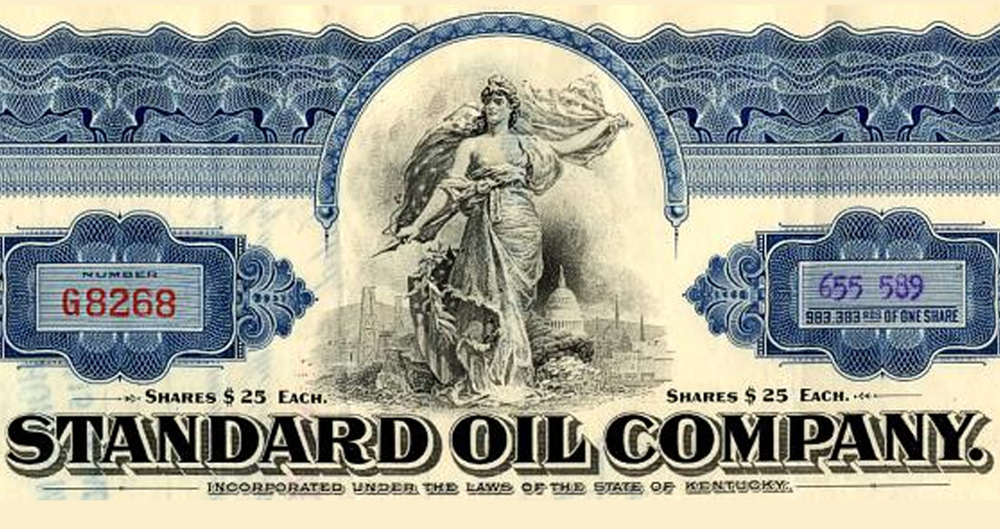
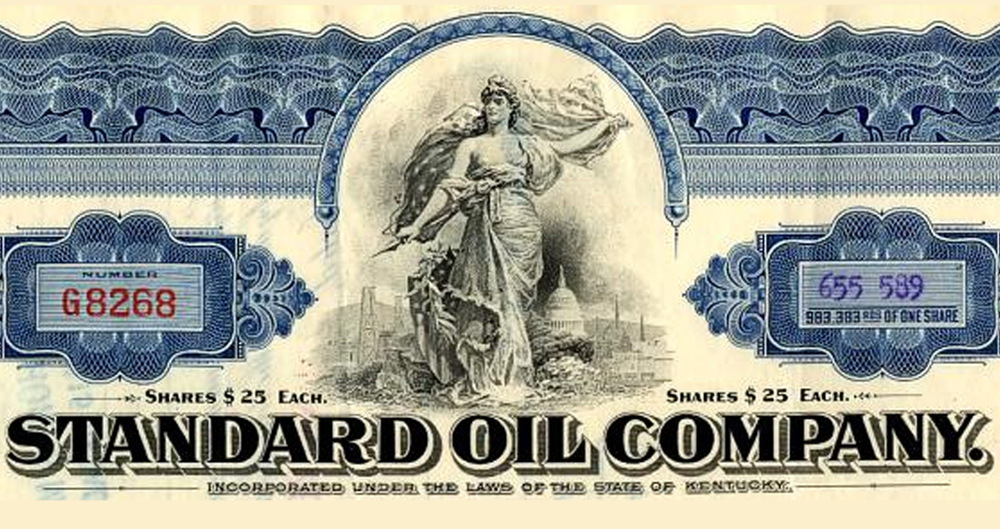
No. We may have been schooled to believe that antitrust “protects competition,” but it has always limited competition, instead. Antitrust was always about fear — of bigness. It was definitely not designed to help consumers. The classic case is the infamous break-up of Standard Oil, which produced more fuel while lowering prices — even as it grew humongous.* Standard Oil grew because it satisfied consumer demand. Which is what businesses are for.

And yet government broke it to pieces, using antitrust rationales, for the benefit of some producers, some businesses.

Think of it as crony capitalism in action.

So, my remaining question runs like this: is the CVS/Aetna merger a response to pure market demand, or as a way to wiggle around insane state and federal regulations?

Health care in America is sick. The merger is not likely the cure. But it would not kill the patient.

We have government for that.

This is Common Sense. I’m Paul Jacob.


* For background, consult the studies of economist Dominick T. Armentano.

PDF for printing


Categories
Today

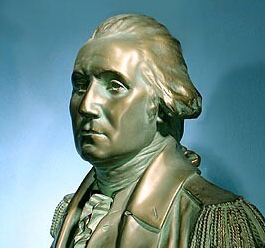
A Farewell to Arms

On December 4, 1783, at Fraunces Tavern in New York City, General George Washington formally bade his officers farewell.

Categories
Thought

Lao Tzu

A leader is best when people barely know that he exists,
not so good when people obey and acclaim him,
worst when they despise him.
Fail to honor people,
They fail to honor you.
But of a good leader, who talks little,
when his work is done, his aims fulfilled,
they will all say,
‘We did this ourselves.’


Lao Tzu, Tao Te Ching, chapter 17.

Categories
links

Townhall: Teaching Students How to Cheat — and Fail 

How not to get better results in school. Get “schooled” at Townhall — and come back here for more.

Categories
Today

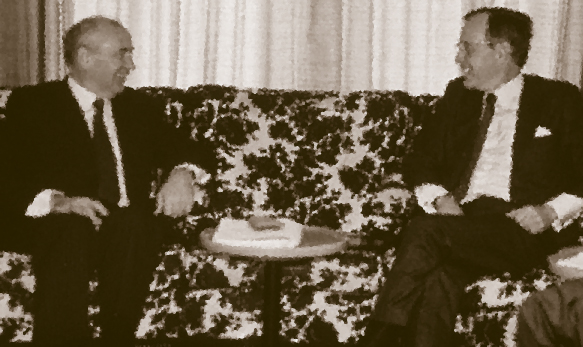
Cold War Ends

On December 3, 1989, the leaders of the two world superpowers, the United States of America and the Union of Soviet Socialist Republics, declared an end to the Cold War, at a summit in Malta. A little over two years later not only had the Cold War ended, the Soviet Union was itself dissolved.

Categories
Thought

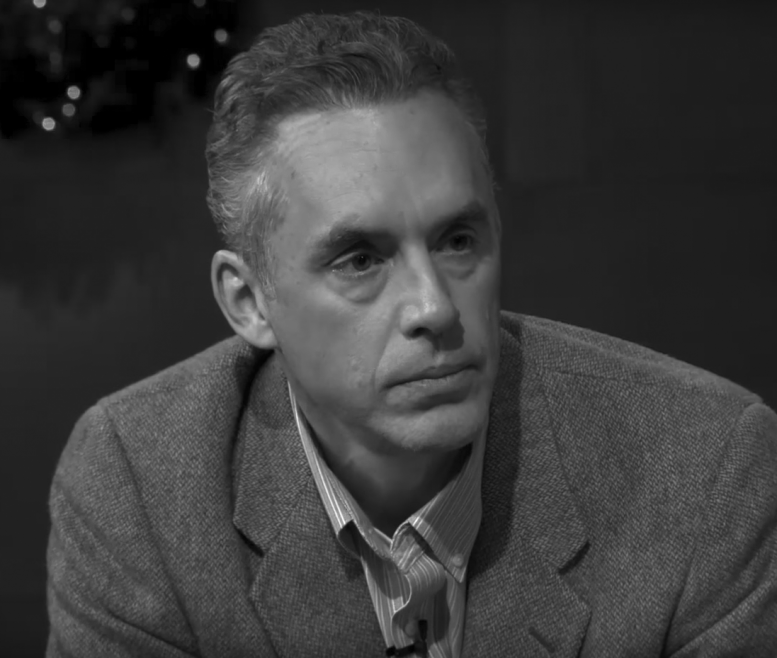
Dr. Jordan Peterson

The truth is a terrible thing, but not compared to falsehood.

Categories
video

Free Speech for Nazis?

This out-take from a formal panel debate contains some good stuff, and helps give a basic set of perspectives in current ideological argumentation:

Categories
Thought

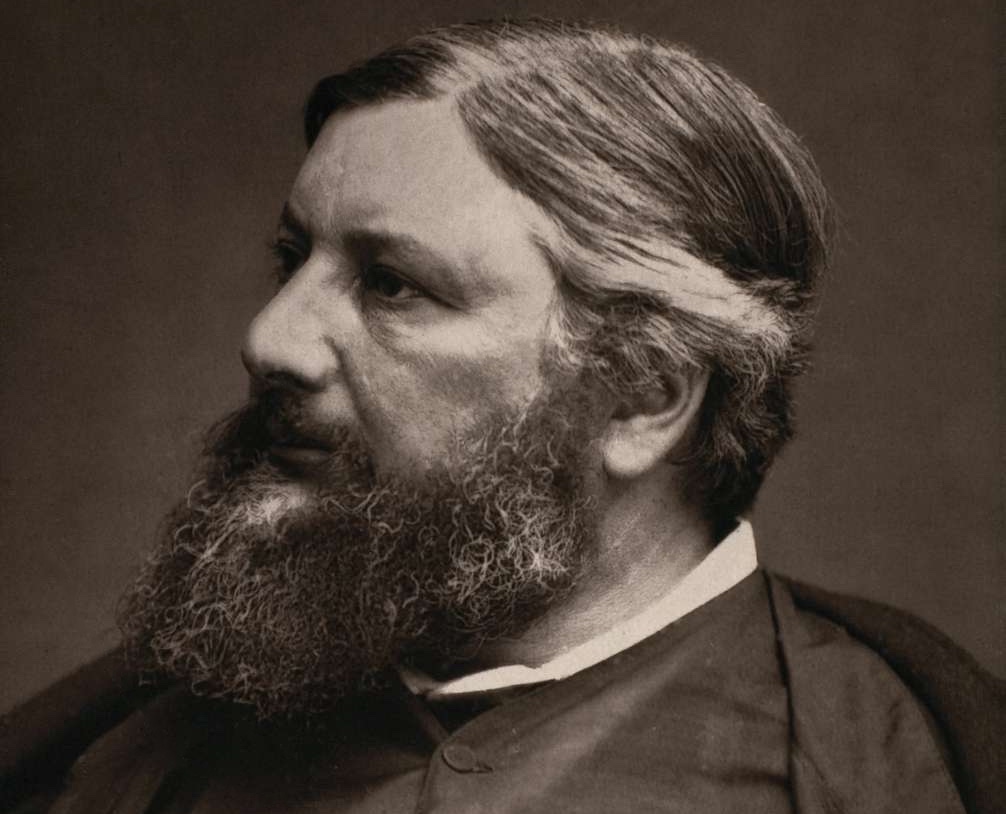
Gustave Courbet

I am fifty years old and I have always lived in freedom; let me end my life free; when I am dead let this be said of me: ‘He belonged to no school, to no church, to no institution, to no academy, least of all to any régime except the régime of liberty.’

Categories
Today

Monroe Doctrine

On December 2, 1823, U.S. President James Monroe delivered a speech establishing American neutrality in future European conflicts. The policy became known as the Monroe Doctrine.

Though a much-discussed principle of American foreign policy, it was undermined by the Spanish-American War, and proved a dead letter as the U. S. entered World War I.

Categories
Accountability folly general freedom government transparency initiative, referendum, and recall local leaders moral hazard national politics & policies term limits

Illinois’s Chicken-and-Fish Supreme Court

A constitution is the law of the land only to the extent that it’s enforced. And in Illinois, the right of citizen initiative — provided for in the state constitution — is not enforced.

The constitution’s wording is explicit: “Amendments . . . may be proposed by a petition signed by a [specified number of electors]. . . . Amendments shall be limited to structural and procedural subjects contained in Article IV.”

Does that Article IV discuss the subject of election procedures, including eligibility requirements, thereby opening the door to a citizen-initiated term limits amendment? Yes, it does. Section 2, subsection (c), for example, specifies citizenship, age, and residency requirements.

Yet the Illinois Supreme Court has repeatedly chucked the results of effective petition drives to get a state legislative term limits question on the ballot.

The justices rely on the venerable Fallacy of Tortured Misreading.

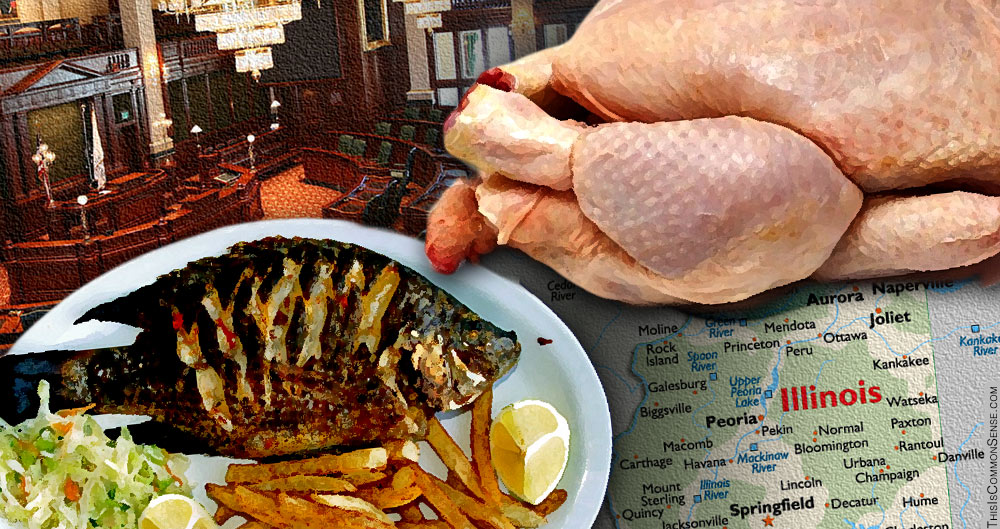
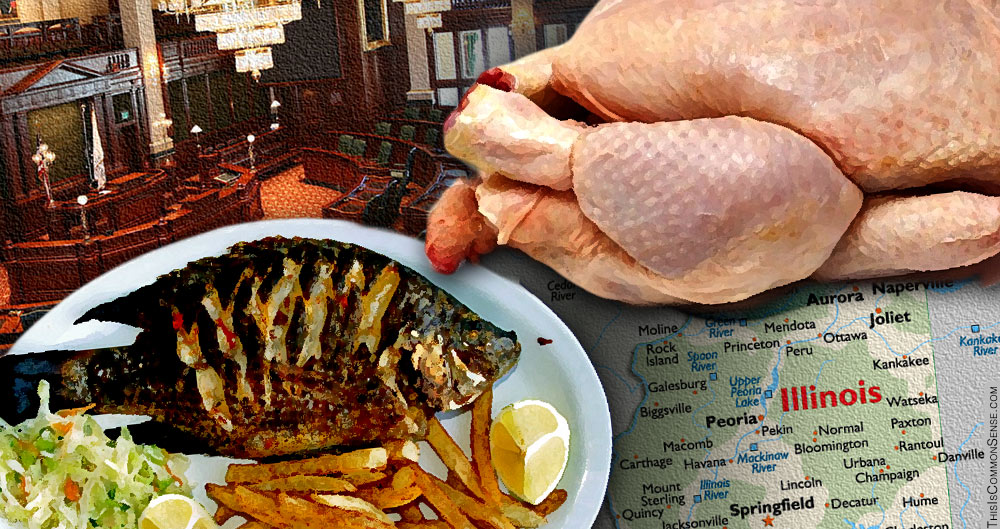
Former Illinois legislator Jim Nowlin recently pointed out that in 1976, the court concluded that the wording about how initiative proposals “‘shall be limited to structural and procedural subjects’. . . meant a proposal must make both kinds of changes.” The lone dissenter on the court “opined to the effect: When I see a restaurant sign that says, ‘We have chicken and fish,’ that doesn’t mean you have to order both chicken and fish!”

The right of citizen initiative is a crucial means of reforming government when those in government won’t reform themselves. The citizens of Illinois have that right. But, for now, they also don’t.

That ain’t Common Sense. I’m Paul Jacob.


PDF for printing