On January 1, 1808, the importation of slaves into the United States was banned.
Categories
Slave Trade
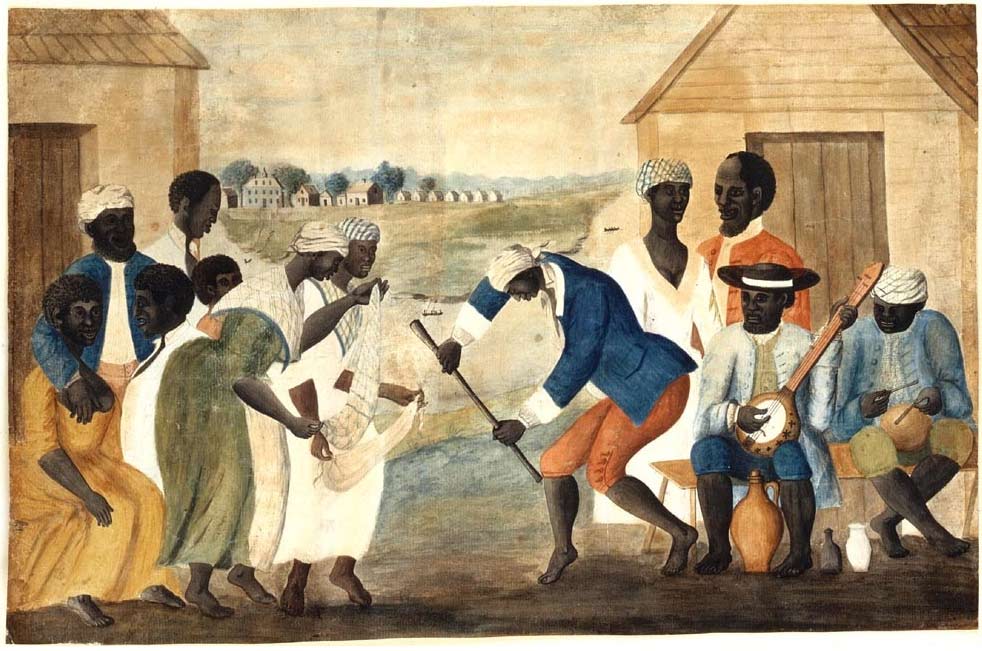
On January 1, 1808, the importation of slaves into the United States was banned.
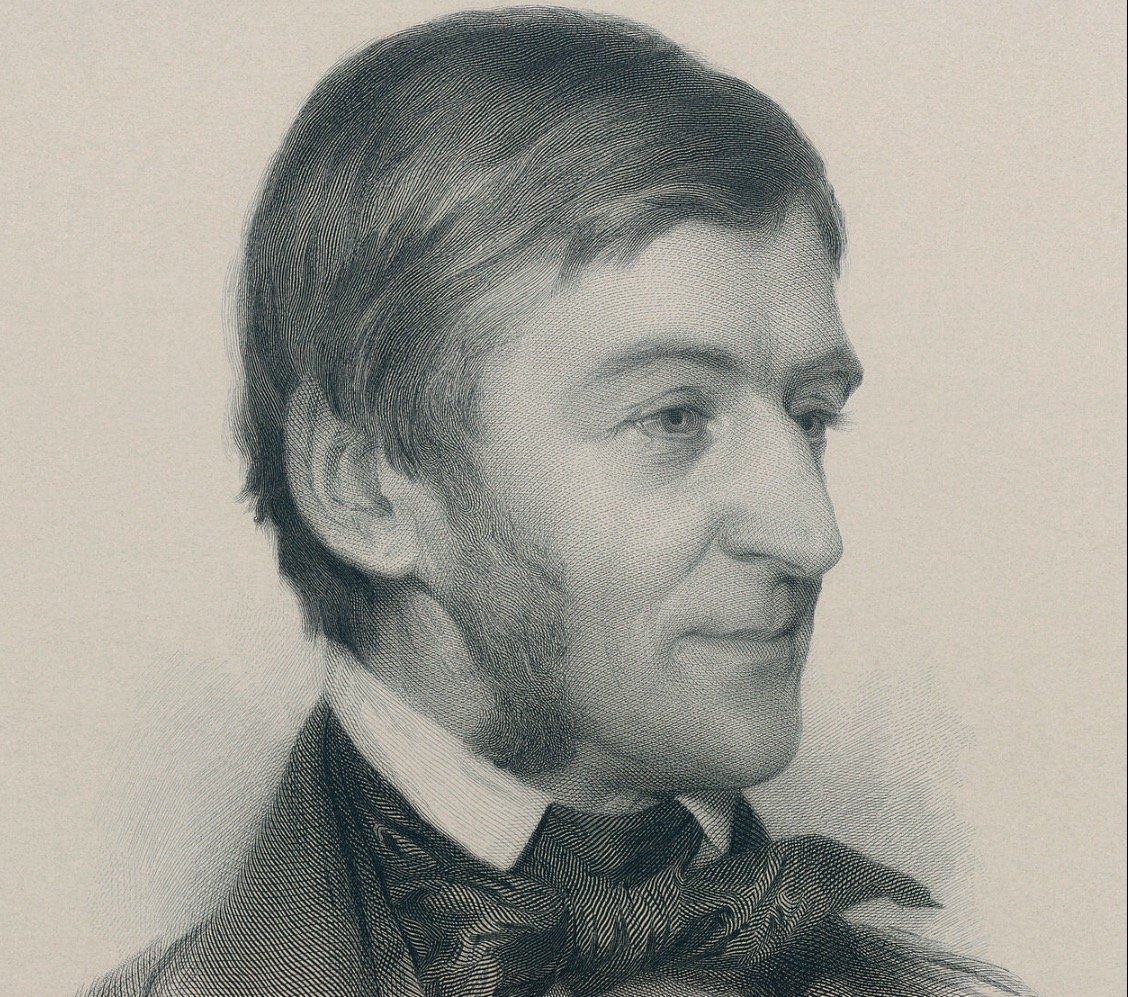
Slavery is disheartening; but Nature is not so helpless but it can rid itself of every last wrong. But the spasms of nature are centuries and ages and will tax the faith of shortlived men. Slowly, slowly the Avenger comes, but comes surely. The proverbs of the nations affirm these delays, but affirm the arrival. They say, ‘God may consent, but not forever.’ The delay of the Divine Justice — this was the meaning and soul of the Greek Tragedy, — this was the soul of their religion.

Resign already? We wish Al Franken a firm adios — click on over to Townhall, then come back here.

On December 31, 1695, Englanders received a new tax, a window tax. One of the main responses to this was the bricking up of many British windows.
This last day of the year in 1991 marked the complete cessation of all institutions of the Soviet Union.
New Year’s Eve 1992 saw the peaceful dissolution of Czechoslovakia into the Czech Republic and Slovakia. This has been dubbed the “Velvet Divorce.”
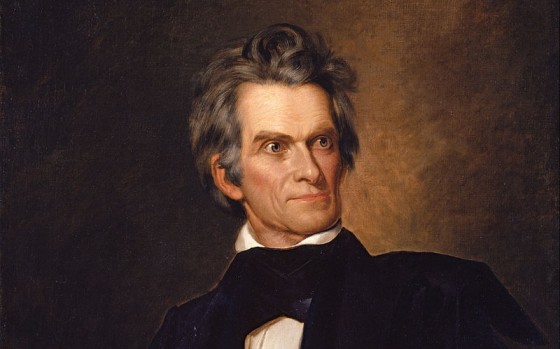
It is harder to preserve than to obtain liberty.
Funny from Reason and Andrew Heaton — funny because true:
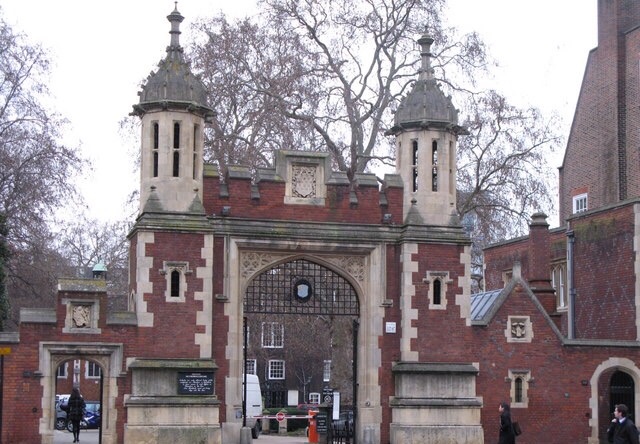
On December 30, 1919, Lincoln’s Inn in London, England, admitted its first female bar student.

If you put the federal government in charge of the Sahara Desert, in five years there’d be a shortage of sand.
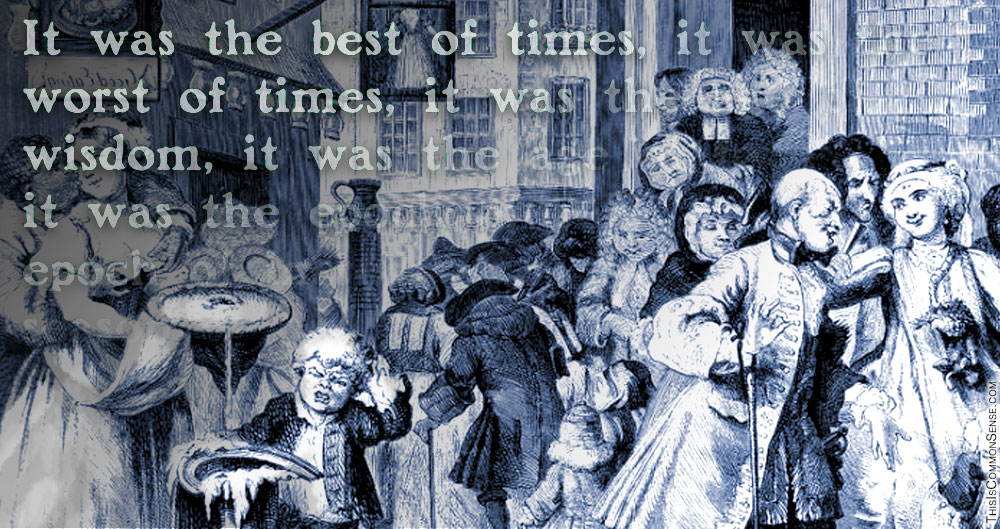
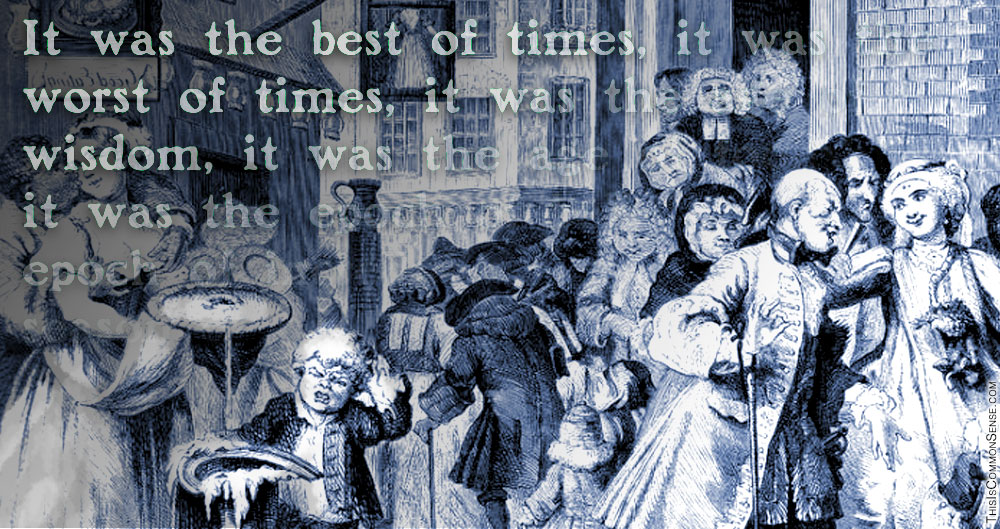
“It was the best of times, it was the worst of times,” begins Charles Dickens’ popular 1859 novel, A Tale of Two Cities. The British master was not prophesying our times. He was describing the period of the French Revolution.
But the judgment feels awfully familiar.
Over at the Foundation for Economic Education, Antony Davis and James R. Harrigan talk up the case for “the best of times,” for optimism: “Global illiteracy rates are below 14 percent. Global rates of extreme poverty are below 10 percent. Despite there being more people currently alive on the planet than ever before, there are also more calories per capita than ever before.”
Davis and Harrigan provide actual reasons for thankfulness as we meet the New Year.
Is there a case for pessimism, nevertheless? Yes. And Davis and Harrigan discuss at length a topic covered here earlier this month: the Ballou High School educational improvement scandal.
Optimism and pessimism, rationally speaking, fall into two camps: private sector progress and government-sector regress.
So, following Dickens’ checklist, ours is an age of
and on and on.*
But the most unsettling thing about the “best of times” is that sometimes the great feeling of ebullience can end suddenly: one feels great in free fall — unburdened! free! — right before one hits the pavement.
Splat.
Maybe the best thing we can do this coming New Year is watch our governments as if we were hawks. To avoid the splat.
This is Common Sense. I’m Paul Jacob.
* Dickens’ long and memorable first paragraph: “It was the best of times, it was the worst of times, it was the age of wisdom, it was the age of foolishness, it was the epoch of belief, it was the epoch of incredulity, it was the season of Light, it was the season of Darkness . . .”
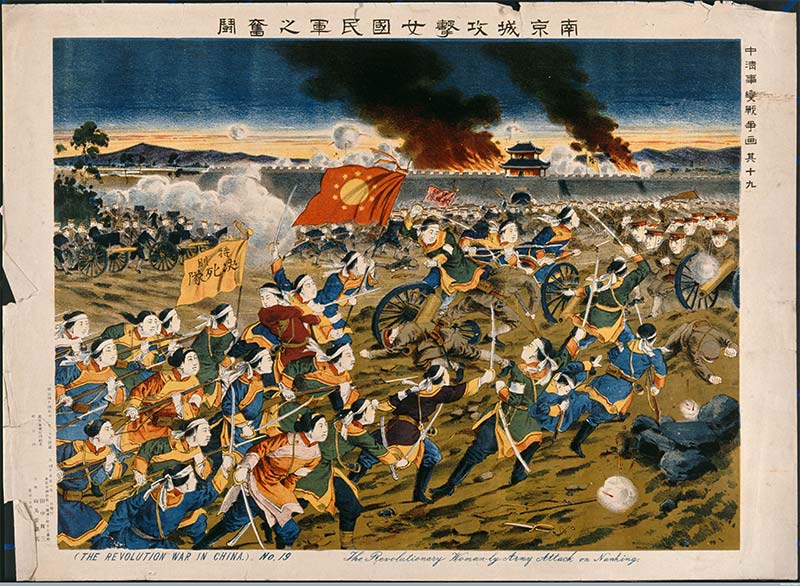
On December 29, 1911, Mongolia gained independence from the Qing Dynasty.