One problem with the obsession over “global climate change” has been the neglect of a problem that we might be able to fix:
https://youtu.be/rHverweu1xA
A number of proposals for de-polluting the seas have been “floated,” but this one is underway:

One problem with the obsession over “global climate change” has been the neglect of a problem that we might be able to fix:
https://youtu.be/rHverweu1xA
A number of proposals for de-polluting the seas have been “floated,” but this one is underway:
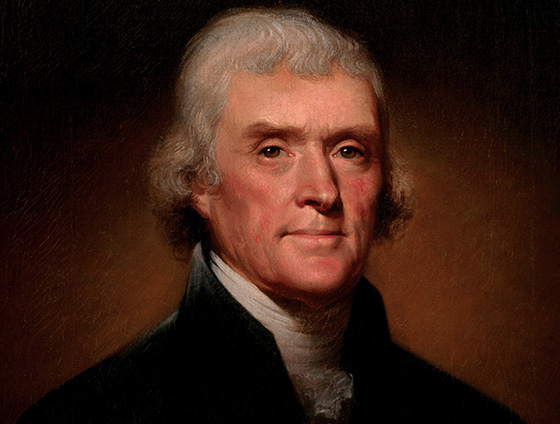
On Feb. 17, 1801, Thomas Jefferson was elected by the U.S. House of Representatives to be the third president of the United States, after an arduous election process that ended only 15 days prior to inauguration.
The fracas included a tie vote in the Electoral College followed by 35 indecisive ballots in the House. At that time, votes were cast for president, with the second place candidate becoming Vice-President. But in the Electoral College, Jefferson tied with his vice-presidential running mate, Aaron Burr. When that sent the balloting to the House of Representatives, the Federalists opposing Jefferson initially threw their support to Burr.
On Feb. 17, 1933, a constitutional amendment to repeal the Eighteenth Amendment to the U.S. Constitution, which had established the national prohibition of alcohol, was passed by the U.S. Senate. Known as the Blaine Act, the prime author was Wisconsin Senator John J. Blaine. By the end of 1933, the repeal of prohibition was adopted as the 21st Amendment to the Constitution.

On the day that Alexander the Great was born, or so the ancients tell us, a man named Herostratus burned down one of the Seven Wonders of the World, the Temple of Artemis at Ephesus.
Why? Just for the infamy.
Which is why the Ephesians proscribed mention of the man’s name. That is called a damnatio.* Obviously, that damnatio didn’t stick, for we know his name now. How? Historian Theopompus recorded it for our . . . edification? Vilification?
I say we should follow Ephesian example and not mention by name the recent Florida school shooter/murderer of students. There should be a widespread damnatio in the press and blogosphere against the young man. Let’s not to give him his infamy, and not encourage copycats — nor in any way normalize his horrible act.
Is this a “solution” to the problem of school shootings? Probably not. But there may be none — at least nothing sure-fire.
Yes, a non-blundering FBI might’ve helped.** But virtue-signaling/grandstanding calls for unnamed gun control measures won’t. And treating “mental health” issues more “professionally,” particularly by easing up involuntary commitment law, is probably a recipe for putting away innocent and unpopular people.
“Pre-crime” is itself criminal.
So, what to do? Maybe it is this: “Notice those around you who seem isolated, and engage them,” as Robert Myers advises. It is loneliness, he argues, that “causes these shooters to lash out. People with solid connections to other people don’t indiscriminately fire guns at strangers.”
But that’s not an after-the-fact solution.
This is Common Sense. I’m Paul Jacob.
* FYI, the arsonist’s status as an unspeakable person was called inlaudabilis.
** As if to fit an established pattern, the FBI failed to take seriously enough an early citizen-initiated alert regarding the young man who went on to commit the mass shooting. Prophecy is a tough biz; it is no doubt easier to connect the dots looking back after the fact.

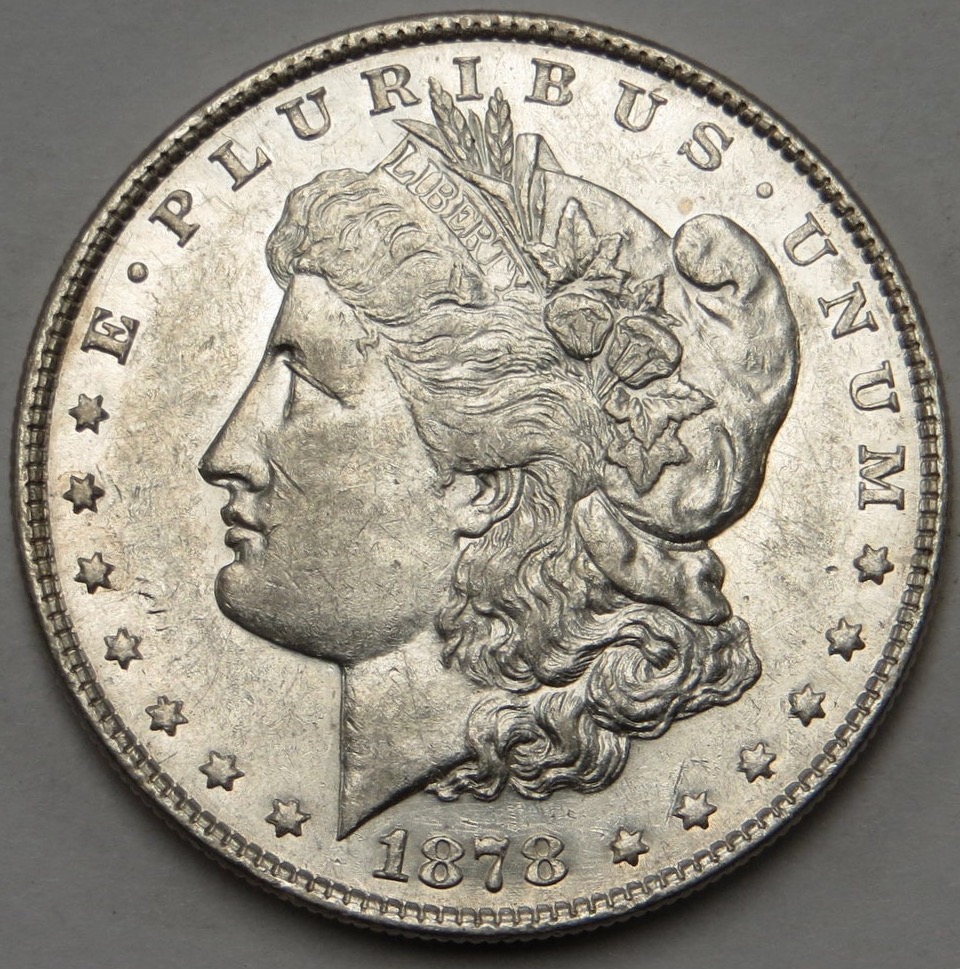
On Feb. 16, 1878, the Bland-Allison Act, which provided for a return to the minting of silver coins, became U.S. law. Today, the value of American money is secured only by public faith in the stability of the government, but during the 19th Century, money was backed by actual deposits of silver and gold.
That is, money was silver and gold. But that did not mean that all was right with the monetary system.
Five years earlier, when Congress had stopped buying silver and minting silver coins — following the lead of European nations — a financial panic ensued. Reasons for the suspension lay in the fact that the exchange value of silver and gold had retained an old, out-moded fixed ratio that favored silver producers. Had the United States Treasury let the two standards freely float, making a distinction between silver dollars and gold dollars, none of the political strife over bimetallism would have occurred.
As it was, with silver over-valued, the silver coins increasingly “drove” gold out of circulation, as well as out of the Treasury and into private hands.
In 1893, in the midst of another financial panic, this time as a result of depletion of gold reserves in the U.S. Treasury, President Grover Cleveland called a special session of Congress to repeal the bimetallic standard. He was successful, though agrarian inflationists took over the Democratic Party and offered up, for the next election, William Jennings “Cross of Gold” Bryan as a counter to Cleveland’s old-fashioned fiscal conservative/social liberalism.

[A]ll Value resides in the mind. But people have come to regard Value as an absolute Quality inherent in Things: and the confusion of ideas is the source of bad reasoning. Value is founded on estimation.
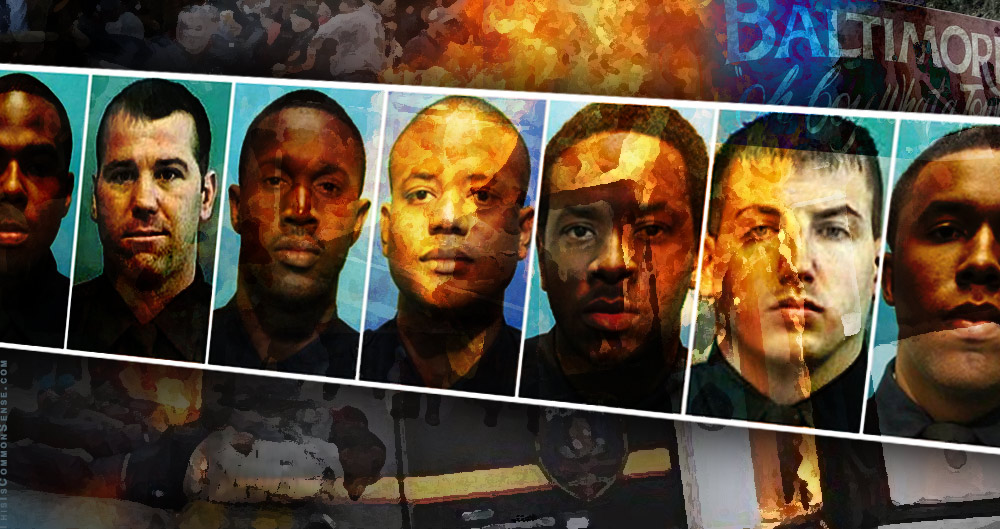
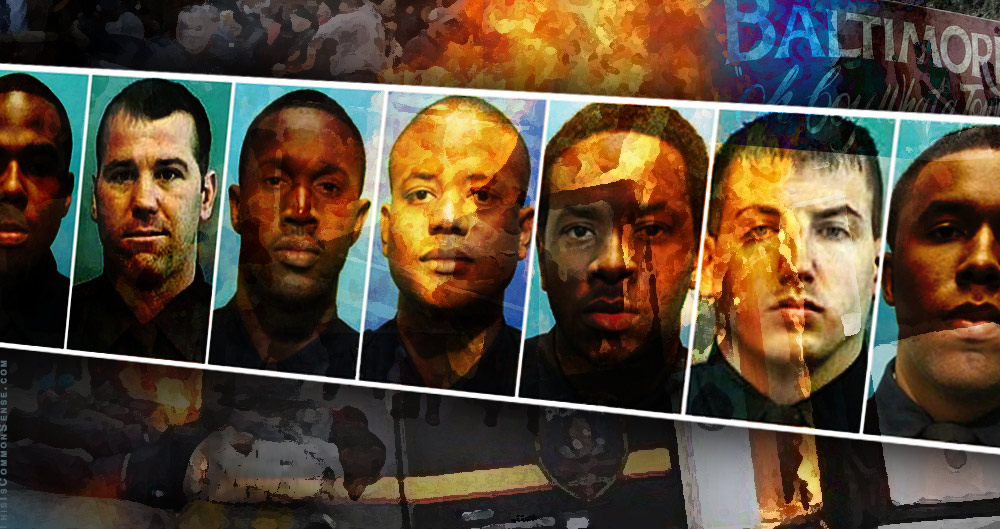
“Two Baltimore detectives were convicted Monday of robbery and racketeering,” the Washington Post reported, “in a trial that laid bare shocking crimes committed by an elite police unit and surfaced new allegations of widespread corruption in the city’s police department.”
Assistant U.S. Attorney Leo Wise presented the jury with “things more horrible in some cases than you ever could have imagined.”
Test your imagination:
A total of eight officers of the Gun Trace Task Force have now been convicted of or pleaded guilty to felonies.
Where was Internal Affairs? “The head of internal affairs has been transferred” the Post informed, after he was “implicated in misconduct during trial testimony.”
We could sic the feds on them! Oh, wait, “[m]ost of the behavior charged in the case took place even as the [Baltimore police] department was already under federal investigation by the Justice Department . . .”
Prospects for reform?
Last Wednesday, Mayor Catherine Pugh claimed to having been “too busy to follow the trial closely or read Baltimore Sun coverage…”
Baltimore, we’ve got a problem.
This is Common Sense. I’m Paul Jacob.

An army is a diversion of energy from the productive life of a nation.
On Feb. 15, 1898, the USS Maine, a battleship, exploded in the Cuba’s Havana harbor, killing 260 American sailors. An official U.S. Naval Court of Inquiry ruled in March 1898 that the ship was blown up by a mine, without directly blaming Spain. Nonetheless, Congress declared war and, within three months, the U.S. had decisively defeated Spanish forces. On December 12, 1898, the Treaty of Paris was signed between the U.S. and Spain, granting the United States its first overseas empire with the ceding of such former Spanish possessions as Puerto Rico, Guam, and the Philippines.
In 1976, a team of American naval investigators concluded that the Maine explosion was likely caused by a fire that ignited its ammunition stocks, not by a Spanish mine or act of sabotage.
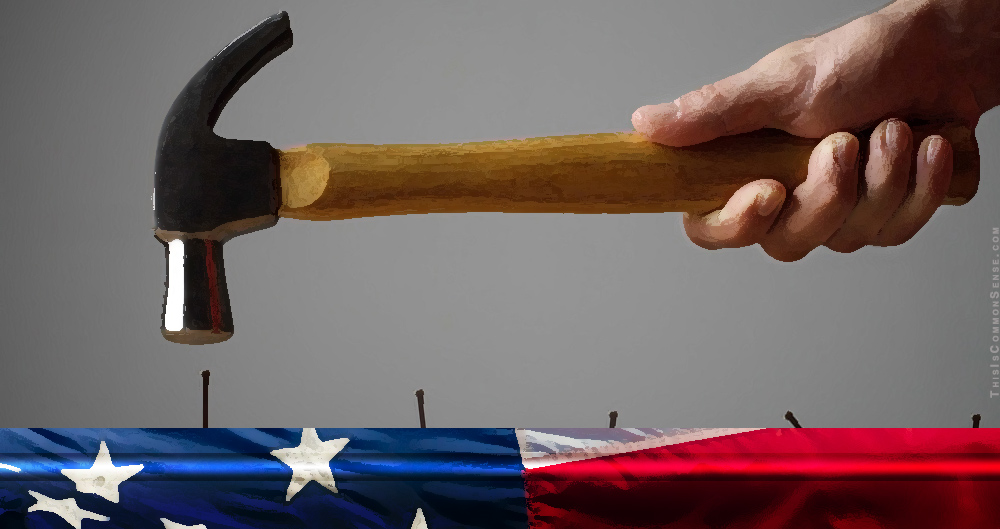
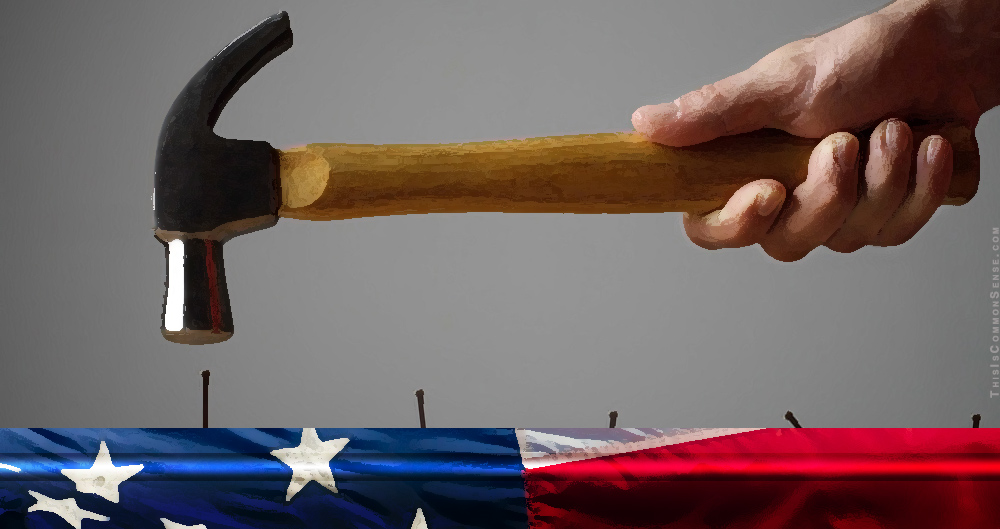
The Republican Party doesn’t need to bury the corpse. Its victim has been assimilated, like the Borg did with alien peoples in the Star Trek universe, or maybe it was just soaked up as if the GOP were a giant fungus amongus.
So, what’s dead? The Tea Party, which was killed by partisanship, says Matt Kibbe, President and Chief Community Organizer at Free the People. He admits that the movement’s obituary has been written many times, but, he argues, “this time is different. Republicans, now controlling both the legislative and executive branches, jammed through a ‘CRomnibus’ spending bill that strips any last vestiges of spending restraint from the budget process.”
Kibbe identifies the Tea Party’s central theme simply: “Our agenda was common sense: We demanded that Washington politicians stop spending our money like it was theirs, and keep out of our health care. But in Washington, common sense is often seen as radical.”
This, he insists, was not a partisan movement.
But only Republicans played to it. Kibbe calls Sarah Palin a “political huckster” who “helped hijack our purpose,” and fingers Mitt Romney as the man who scuttled Tea Party “political momentum” in 2012. “And then Donald Trump split the Tea Party right down the middle, and that was the end.”
Nail in the coffin? The recent budget deal.
Kibbe signs the autopsy, but assures us: “American principles of individual freedom, fiscal responsibility, and constitutionally limited government, are all still very much alive.”
I sure hope so. But it takes more than a handful of Freedom Caucus members on Capitol Hill to realize it in practice.
Like a new citizen movement.
This is Common Sense. I’m Paul Jacob.

Charm is a way of getting the answer yes without asking a clear question.