Categories
Today

Ethiopia

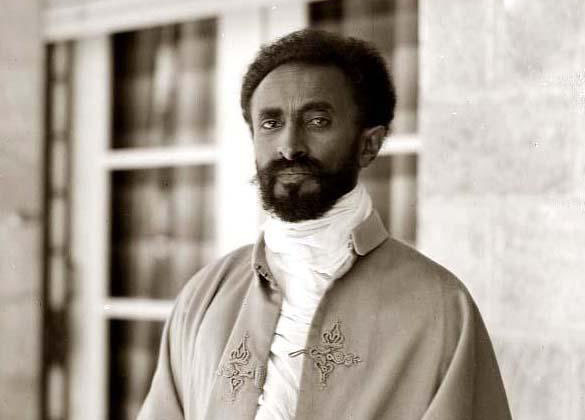
On July 16, 1931, Ethiopia’s Emperor Haille Selassie I signed a new Constitution. Not exactly a model of limited government, the new document proved that the emperor was in keeping with the time, which was a period of weakening constitutional limits in America, Europe, and Britain. A flavor of the document can be gained by its most “rights-oriented” measures:

Art. 22. Within the limits laid down by the law, Ethiopian subjects have the right to pass freely from one place to the other.
Art. 23. No Ethiopian subject may be arrested, sentenced, or imprisoned except in pursuance of the law.
Art. 24. No Ethiopian subject may, against his will, be deprived of his right to be tried by a legally established court.
Art. 25. Except in cases provided for by law, no domiciliary searches may be made.
Art. 26. Except in cases provided by the law, no one shall have the right to violate the secrecy of the correspondence of Ethiopian subjects.
Art. 27. Except in cases of public necessity determined by the law, no one shall have the right to deprive an Ethiopian subject of any movable or landed property which he owns.
Art. 28. All Ethiopian subjects have the right to present to the Government petitions in legal form.
Art. 29. The provisions of the present chapter shall in no way limit the measures which the Emperor, by virtue of his supreme power, may take in the event of war or public misfortunes menacing the interests of the nation.
Categories
Thought

Haile Selassie

In the history of the human race, those periods which later appeared as great have been the periods when the men and the women belonging to them had transcended the differences that divided them and had recognized in their membership in the human race a common bond.

Categories
links

Townhall: The Dorky Idea Americans Deserve

Even our best and brightest minds can make elementary mistakes that normal Americans do not. Case in point: term limits. Consult Townhall this weekend. And come back here for a deeper consultancy list:

Categories
Today

“Malaise”

On July 15, 1976, Jimmy Carter accepted the nomination of the Democratic Party to run for the presidency.

Three years later, as president, he gave his infamous “malaise” speech, in which he focused on energy but did not mention the one thing that actually helped turn the ’70s’ energy crisis around: the phased deregulation of oil prices that had started three months earlier, under his own directive. Instead of touting this deregulatory effort, Carter did the usual politic thing and promised a number of new government programs, extensively ground home a “crisis of confidence” message, and vaguely talked of a spiritual challenge.

The deregulation was startlingly effective, in the long run — though the immediate effect was a rocketing of prices. These high prices presented profit opportunities, and (lo and behold!) domestic production greatly increased, allowing for many, many years of lower prices. Those high prices would have worked better as market signals had not Carter and Congress also established “windfall profits” taxes, to take away those temporary gains to existing business.

Had Carter deregulated prices earlier, he would probably have been re-elected president. Had he emphasized deregulation, he probably would have beat back Ronald Reagan’s free market rhetoric — with actual action.

The price controls had been put in place earlier in the decade by the Republican president at the time, Richard M. Nixon, with the great help of his aides Dick Cheney and Donald Rumsfeld.

Categories
video

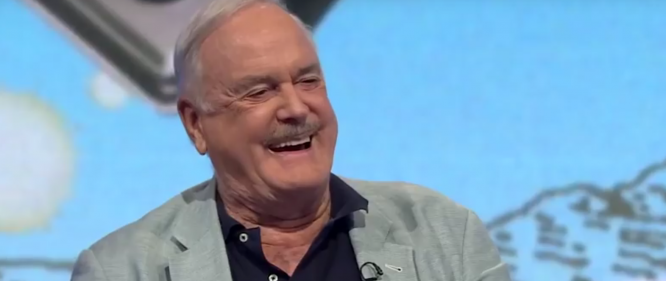
John Cleese’s Exit from Britain

John Cleese is leaving his home country for Nevis, a Caribbean island, and explains why:

Categories
Today

The Bastille

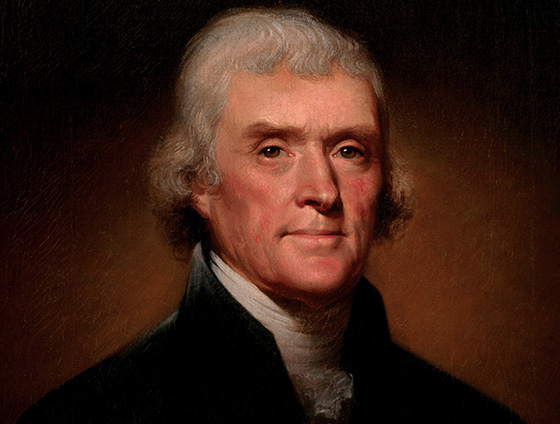
On July 14, 1789, Paris citizens stormed the Bastille. On the same date nine years later, in America, the Sedition Act prohibited the writing, publishing, or speaking false or malicious statements about the United States government.

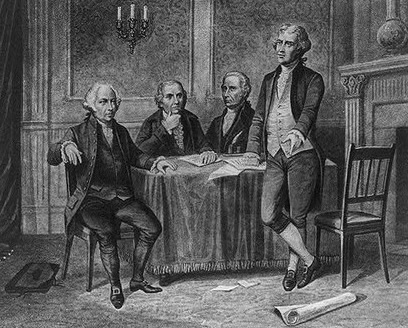
The passage of this repressive law spurred the formation of the first opposition party in the United States, with Thomas Jefferson [above] as its leader and figurehead.

Categories
Accountability crime and punishment government transparency media and media people moral hazard national politics & policies Regulating Protest responsibility

The Deeply State

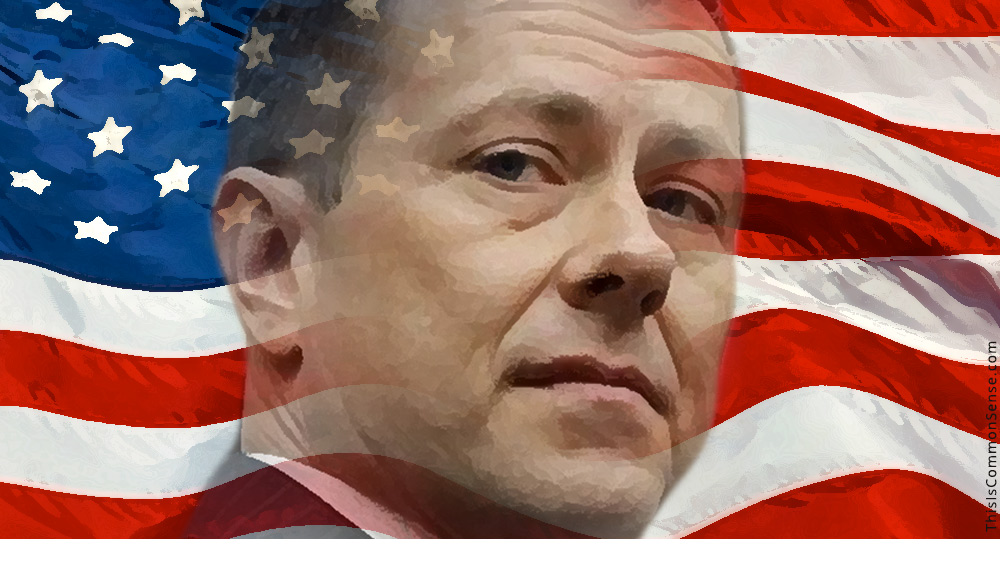
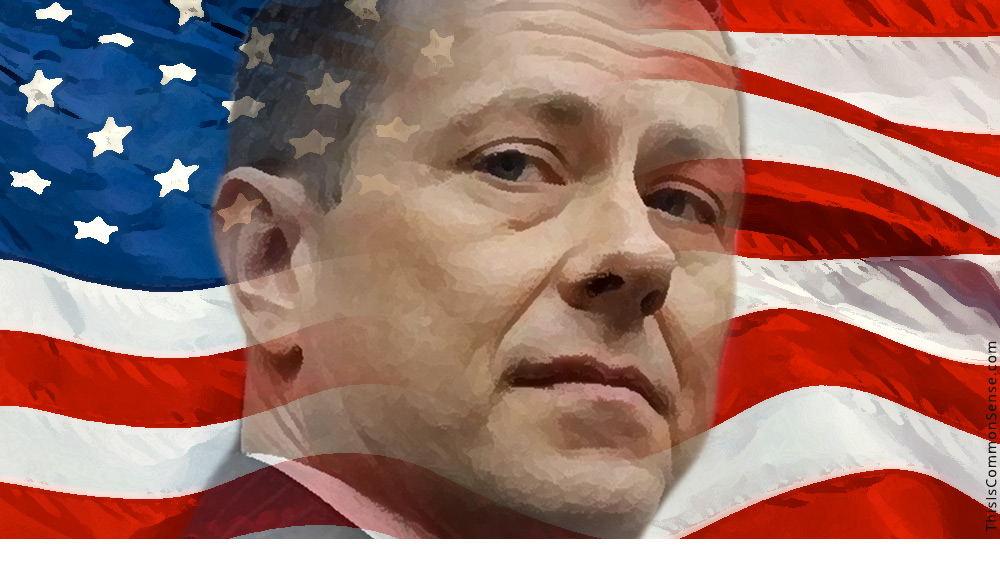
FBI agent Peter Strzok is offended.

Deeply.

He takes pains to clarify: he sent emails during the last presidential campaign expressing a willingness and readiness and commitment to preventing a Trump Presidency because he, Agent Strzok, is patriotic.

Deeply.

During yesterday’s contentious congressional interrogation, fielding questions regarding just how anti-Trump he was during the last presidential campaign, Peter Strzok denied that his obvious and admitted political bias affected his professional conduct.

“Like many people, I had and expressed personal political opinions during an extraordinary presidential election,” said Agent Strzok. “My opinions were expressed out of deep patriotism.”

But it wasn’t just a matter of expression, was it? One text message was an assurance that he would “stop” Trump’s election. When challenged on this, Strzok admitted that his memory was faulty.

Deeply?

“At no time, in any text,” Strzok said, decisively, “did those personal beliefs enter into the realm of any action I took.”

When a citizen expresses a credible threat to a president, federal agents investigate. His exchange with his “girlfriend,” Lisa Page, was not what we now call an “existential threat,” of course. Ms. Page had texted her worry about a Trump win: the man was “not ever going to become president, right? Right?!” Strzok’s reply was not vague: “No. No he won’t. We’ll stop it.” The threat is, at most, covert-political, back-room. FBI-ish. The couple were, after all, a part of an investigation into Donald Trump’s alleged Russian connection.

Though one could easily understand a married man assuring his inamorata simply to puff himself up in her eyes, this assurance sure looks different to our eyes — it cannot help but make us suspicious.

Deeply.  

This is Common Sense. I’m Paul Jacob.


PDF for printing


Categories
Thought

George Mason

Mr. Chairman — A worthy member has asked, who are the militia, if they be not the people, of this country, and if we are not to be protected from the fate of the Germans, Prussians, &c. by our representation? I ask who are the militia? They consist now of the whole people, except a few public officers.

Categories
Today

The Nixon Tapes

On July 13, 1973, the minority (Republican) counsel on the Senate Watergate investigative committee, Donald Sanders, asked Nixon aide Alexander Butterfield if he knew of any recordings made in the Nixon White House, and Butterfield responded, “everything was taped” at least while Nixon was in attendance, and that “there was not so much as a hint that something should not be taped.”

This revelation of the Nixon Tapes transformed the Watergate scandal into a major legal as well as political event, and proved to be one of the most astounding examples of “government transparency” in modern times — indeed, it helped demystify and desanctify the Office of the Presidency, a very republican (if not pro-Republican Party) development.

Categories
general freedom ideological culture insider corruption media and media people national politics & policies political challengers

Plantation Revolt

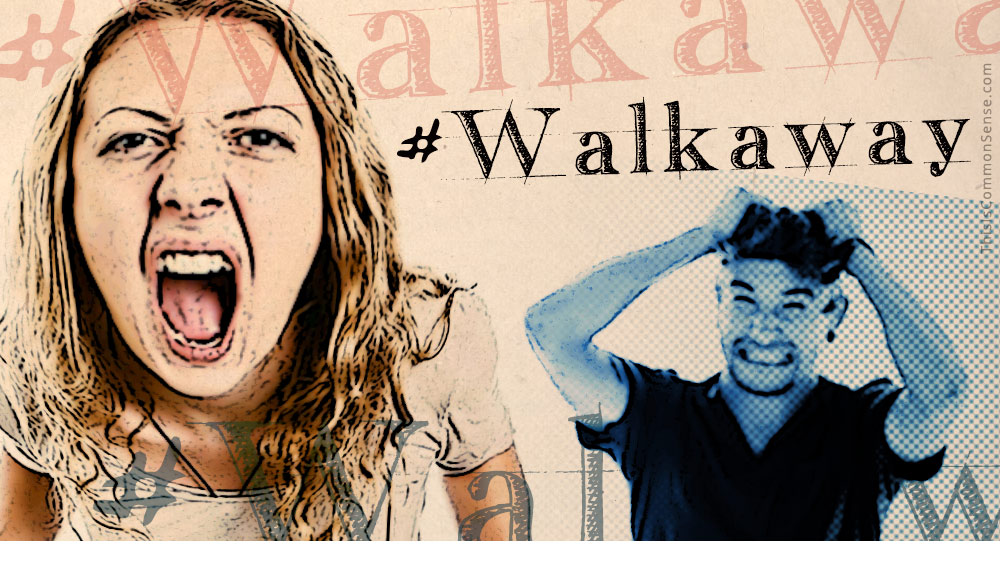
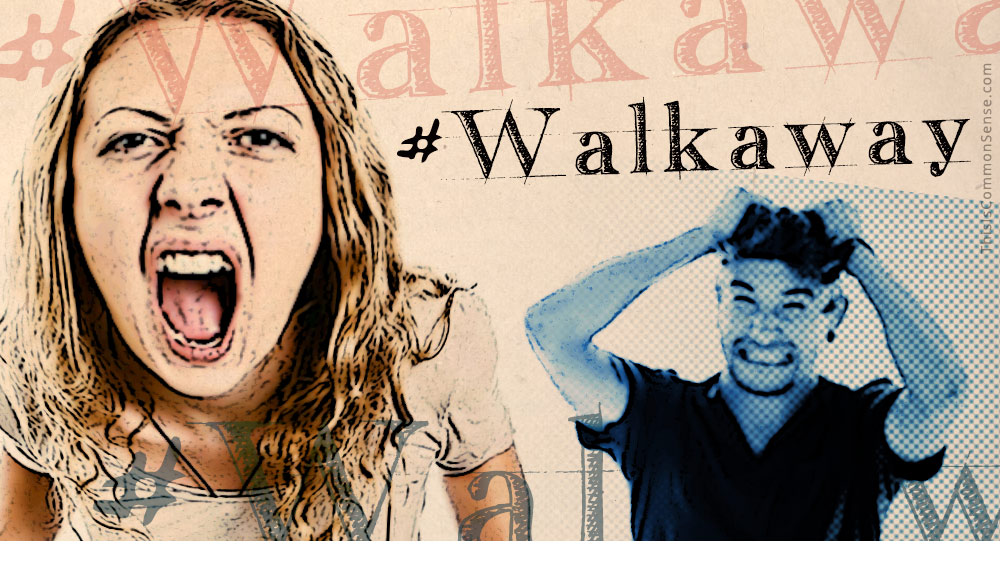
The #Walkaway movement started with Brendan Straka, who proclaimed that his tribe — the liberal Left — had become “intolerant, inflexible, illogical, hateful, misguided, ill-informed, un-American, hypocritical, menacing, callous, ignorant, narrow-minded, and, at times, blatantly fascistic.”

Mr. Straka’s beef — and the general tenor of the pile-on Twitterstorm — was not about Democratic Party policy, as Scott Adams noted. It was about the left-of-center movement’s rhetorical/propagandistic rut. Since the election of Donald Trump, Democrats had come to rely almost exclusively on the feeding of frenzy by psychological manipulation, by ginning up fear.

Straka’s appeal to “walk away” became a hit, especially amongst those “racial, sexual, and religious minorities in America” that he says the Democrats have treated as if they owned.

Yet the Washington Post pooh-poohs the trend as just a social media blip — over-hyped by the very nature of the medium itself.

Plausible?

David Catron says no. Before the #WalkAway movement, he writes in The American Spectator, African-American voters had already walked away from Hillary Clinton’s candidacy in enough numbers to allow Trump his victory. And this bodes badly for the Democratic Party, for, as Catron quotes YouTube sensation Candace Owens, “I’ve seen black liberals go conservative, but never seen a black conservative go liberal.”

It doesn’t take many defections, says Carton: “All that is needed is about 5 percent more African-Americans to vote Republican and another 5 to 10 percent to simply stay home.”

But be warned: wishful thinking and Straka’s litany of political vices — “groupthink, hypocrisy, division, stereotyping, resentment” — can overtake any movement pretty quickly.

Anti-leftists in general and Republicans in particular are not immune to mass mania and suicide-by-panic.

This is Common Sense. I’m Paul Jacob.


PDF for printing