Categories
ideological culture Popular too much government

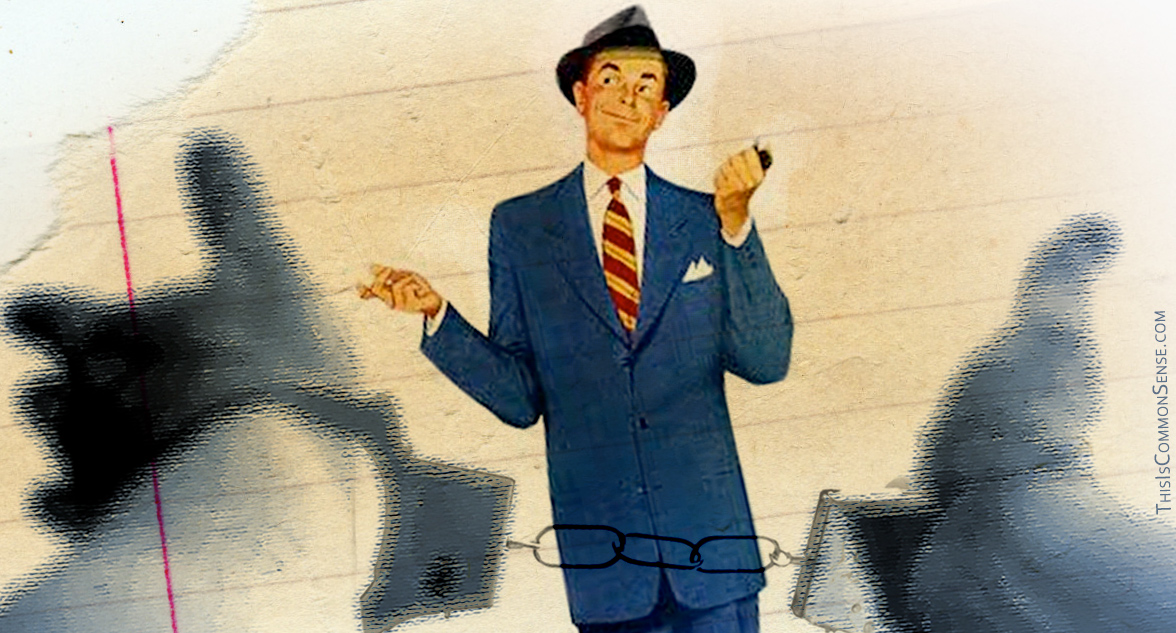
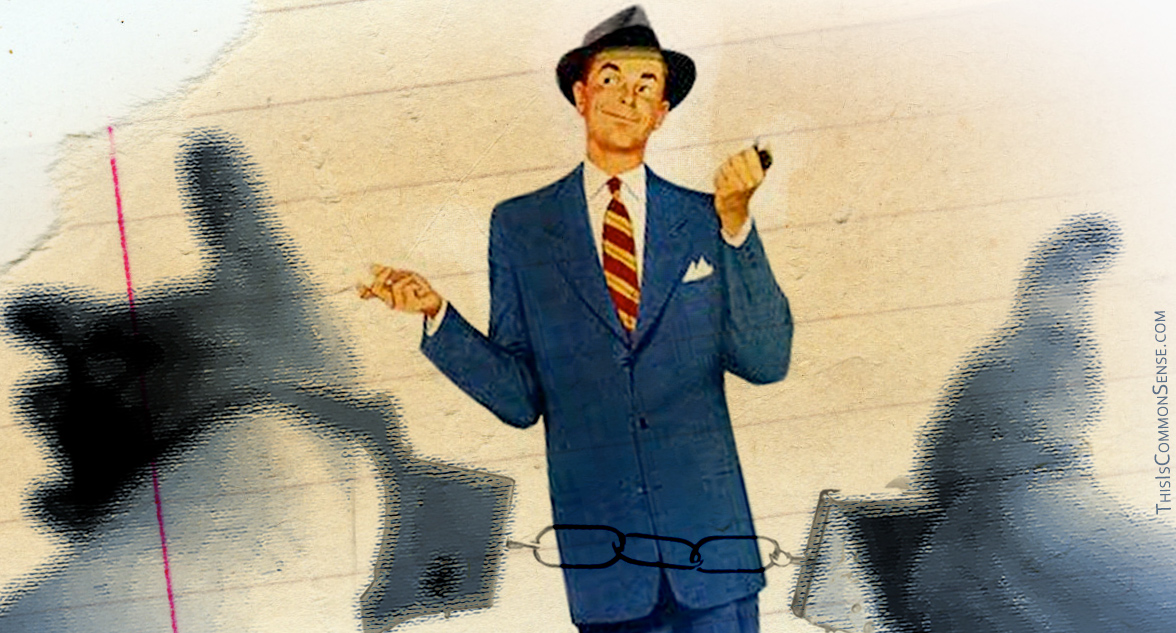
The Irony Law of Socialism

Under capitalism, said the old socialists, “the rich get richer and the poor get poorer.” Today’s socialists admit this hoary “immiseration thesis” is old hat.

“The socialist argument against capitalism isn’t that it makes us poor,” explains City University of New York Professor Corey Robin in the New York Times. “It’s that it makes us unfree.”

Unfree?

Nick Gillespie at Reason tries to make sense of that breathtaking inversion of the usual anti-socialist argument, which Gillespie characterizes as the invocation of “Stalin, the Great Leap Forward, or even Hugo Chavez.”*

But is there really anything new here? 

“When my well-being depends upon your whim, when the basic needs of life compel submission to the market and subjugation at work, we live not in freedom but in domination,” writes the tax-funded socialist professor. He wants “to establish freedom from rule by the boss, from the need to smile for the sake of a sale,” which is so very not new. It’s reminiscent of Oscar Wilde’s “The Soul of Man Under Socialism,” which imagined rescue “from that sordid necessity of living for others.”

How real-world socialism “frees” us, though, is palpably oppressive: by burdening business and labor and trade with taxes, prohibitions, regulations.

And constant bullying. 

The ironies abound, too. Gillespie notes that “Alexandria Ocasio-Cortez may rail against the gig economy, but just like Bernie and Warren she uses Uber every chance she gets.” Jim Carrey praises “free” medicine in Canada, acknowledging no costs.

The cost of “free stuff” is actual freedom. And the cost of actual freedom is paying for what you get, and not getting what you won’t pay for.

That’s the Irony Law of Socialism.

This is Common Sense. I’m Paul Jacob.


* Gillespie also says it is unpersuasive. Well, unpersuasive to whom? As always, many arguments for the truth are necessary.
PDF for printing


Categories
Today

U. S. Constitution

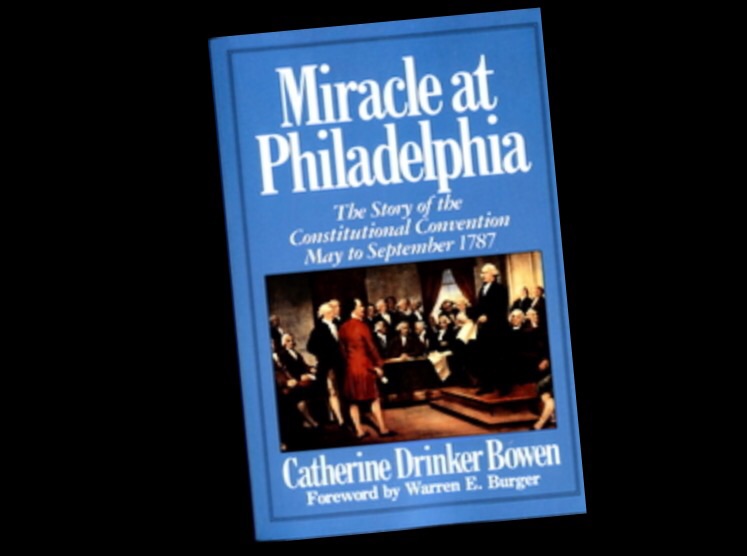
On September 17, 1787, the Constitution of the United States was signed in Philadelphia, Pennsylvania.

In 1849 on this same day in September, Harriet Tubman escaped to freedom in Philadelphia, but soon returned to Maryland to rescue her family. She made at least 13 trips into the slave-owning South to liberate more than 70 slaves before the Civil War (in which she served as a spy for the North).

Categories
Thought

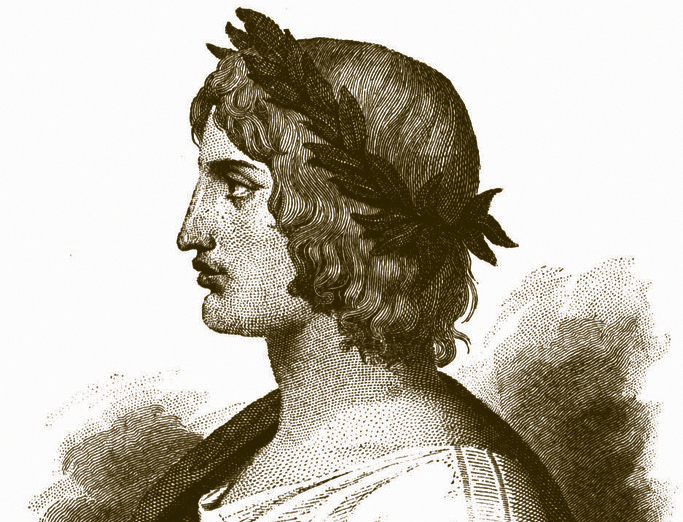
Virgil

Felix qui potuit rerum cognoscere causas.

Blessed is he who has been able to win knowledge of the causes of things.

Virgil, Georgics (29 BC), Book II, line 490 (tr. H. Rushton Fairclough); homage to Lucretius.


John Dryden’s translation:

Happy the man, who, studying nature’s laws,
Thro’ known effects can trace the secret cause.

Categories
links

Townhall: Is This Cool? Really?

Weird to see people sporting murderous images on shirts, with sleeves or without. Click on over to Townhall for the full story, complete with “call outs.”

Then click back here for more:

  • Los Angeles Pop Art Big Men’s Tank Top — Soviet Hammer And Sickle (Walmart) retrieved September 15, 2018
  • Pinochet Did Nothing Wrong! — Limited T-Shirt (ProudBoys Official) retrieved September 15, 2018
  • Lithuania urges Walmart to drop Soviet-themed shirts (The Guardian), September 8, 2018
  • Lithuania Asks Walmart To Stop Selling Clothing With Soviet Symbols (RadioFreeEurope/RadioLiberty), September 8, 2018
  • @normmacdonald⁩ explains how ⁦@jimmyfallon⁩ talked to him about not going on The Tonight Show (@GeoffEdgers Twitter), 7:51 AM – 12 Sep 2018
  • Norm MacDonald Said Nothing Wrong About the #MeToo Movement. In Fact, He’s Completely Correct (Brandon Morse, RedState) September 12, 2018
  • Norm MacDonald’s Career In Never Doing What You Expect (Miranda Popkey, GQ), May 25 2017

This Townhall column will be archived on ThisIsCommonSense.com on Tuesday.

Categories
Thought

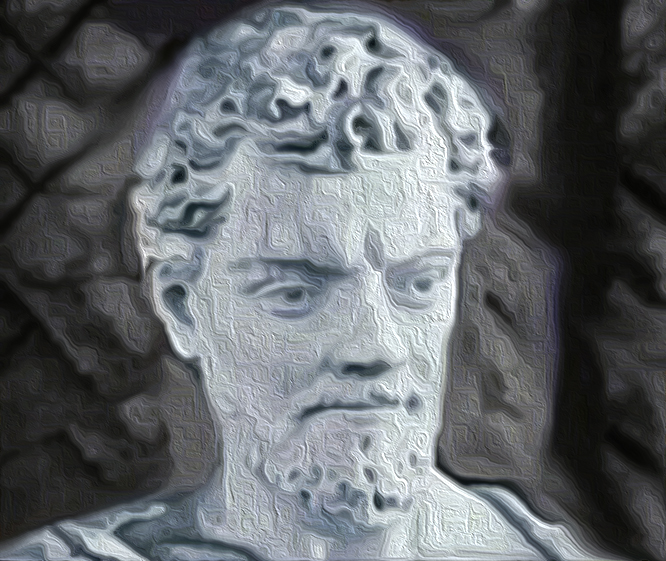
Lucretius

Stilicidi casus lapidem cavat.

The steady drip of water causes stone to hollow and yield.

Lucretius, De Rerum Natura (On the Nature of Things) (First Century BC), Book I, line 313 (tr. Stallings).

Categories
Today

Independence Days

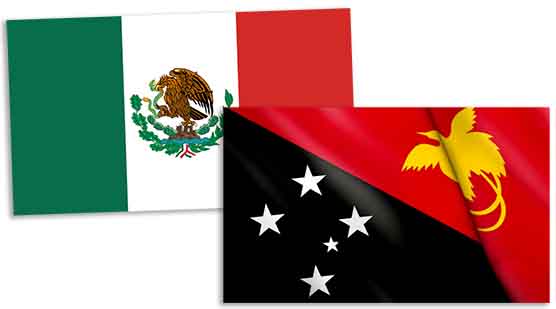
September 16 marks the Independence Days for Mexico (celebrating the declaration of independence from Spain in 1810) and Papua New Guinea (commemorating the exit from Australia in 1975).

Categories
video

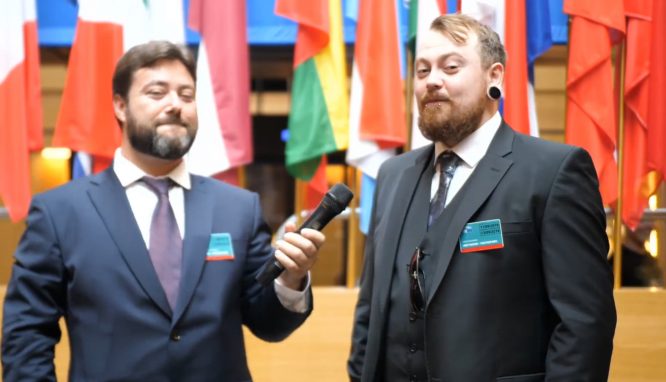
Sargon and Dankula Explain the EU

Carl ”Sargon of Akkad” Benjamin and Mark “Count Dankula” Meechan clean up as they get involved in UKIP and in the European Parliament:

https://youtu.be/UHwaA3fMPgc


Each has quite a backstory, which you should look up if you haven’t encountered before.

Also, Carl Benjamin just put this up onto YouTube:

https://youtu.be/RbUGej05bLA

Categories
Today

After Porto

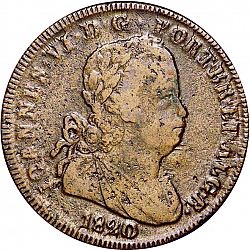
On September 15, 1820, an uprising occurred in Lisbon, Portugal, following similar insurrection in Porto the previous month. This was no bloodthirsty mob, but, instead, a popular demand for constitutional government. Unfortunately, the country was beset with imperial and monarchical problems for some time to come.

The United Nations established September 15 as International Day of Democracy, in 2007. An Independence Day is celebrated on this date in Guatemala (a Patriotic Day), El Salvador, Honduras, Nicaragua, and Costa Rica, commemorating independence from Spain in 1821.

Categories
free trade & free markets general freedom ideological culture too much government

The Ambit of an Ambition

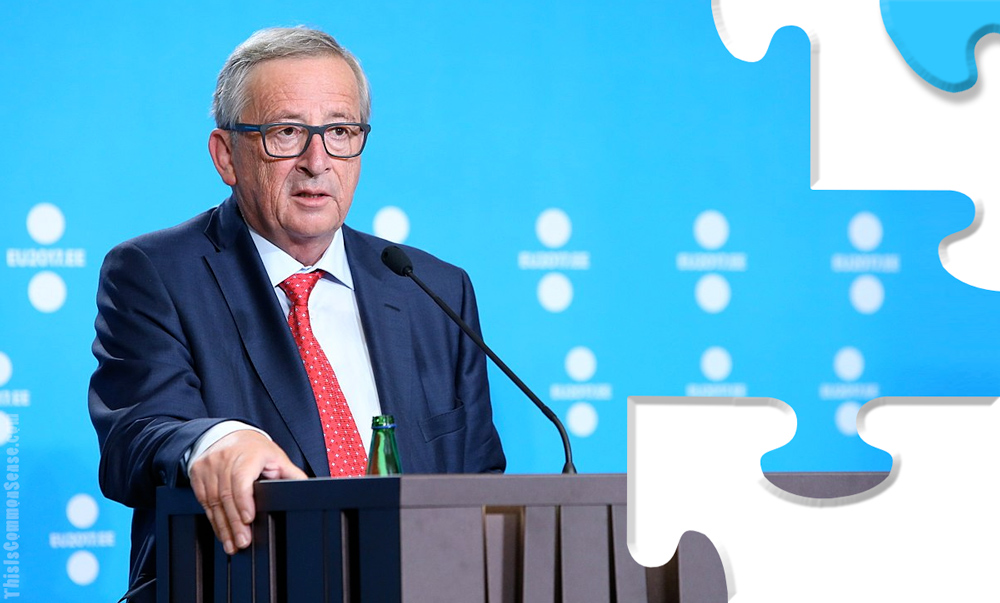
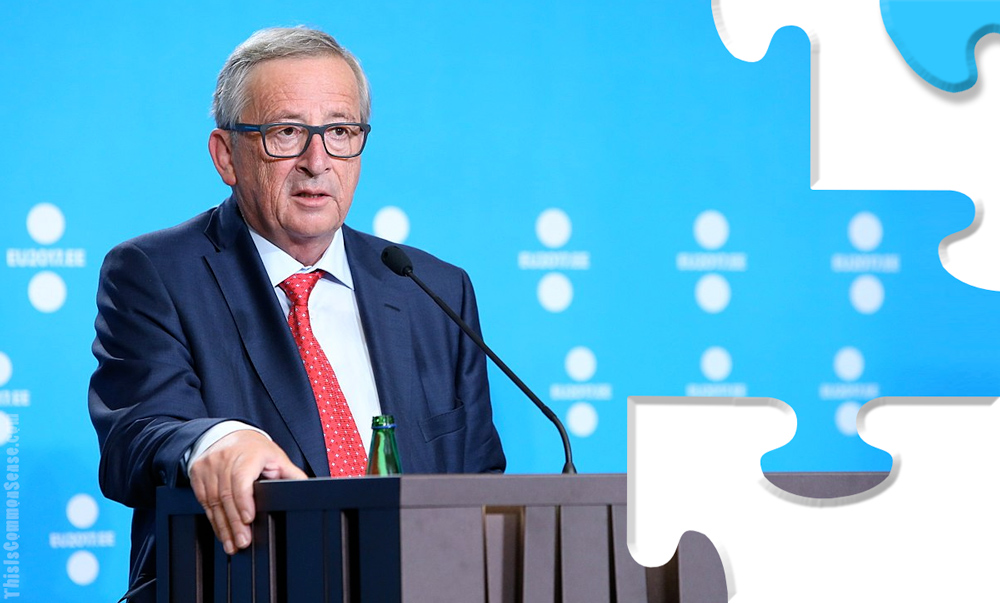
“The geopolitical situation makes this Europe’s hour: the time for European sovereignty has come,” said European Commission President Jean-Claude Juncker this week, staking a big claim for the future in this year’s State of the Union Address.

Juncker wants the EU to be a shiny new “global player,” but shies from the word that comes immediately to mind: “We have to be super,” Juncker clarifies, “but not a superpower.”

The big question is how Juncker’s ramped-up globalism would serve European citizens. Juncker itches to build a “More United, Stronger and More Democratic Union,” but his biggest problem may be that the people seem increasingly iffy on this whole unity thing. 

Brexit is only the most spectacular popular rebellion.

“The Visegrad nations of Hungary, Poland and the Czech Republic,” the Washington Times noted yesterday, have balked at EU migration policies, and “all face EU legal sanctions.” Meanwhile, “Populist governments have been elected in Italy and Austria, where voters are sick and tired of the constant intrusions into their lives by Brussels.” 

And on Wednesday the EU enacted Article 13, an intrusive copyright law that Net activists have dubbed a “meme killer” capable of destroying “the Internet as we know it.”

While Juncker talks about Europe taking “destiny into its own hands,” Europeans seem more interested in taking their government into their own hands.

After all, it is not as if Europeans cannot prosper in a world economy without confederation — much less something much more, a stronger central bureaucratic authority. 

European states could, for instance, adopt free trade. It would make them richer and the world safer.

And they could, in addition, junk Juncker.

This is Common Sense. I’m Paul Jacob. 


PDF for printing


Categories
Thought

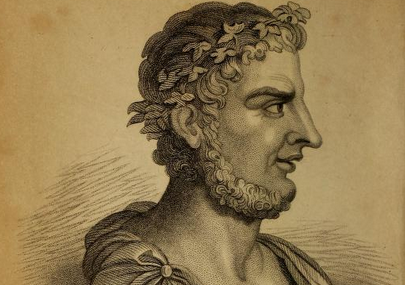
Juvenal

No man will get my help in robbery, and therefore no governor will take me on his staff.


Juvenal, Third Satire, line 46.