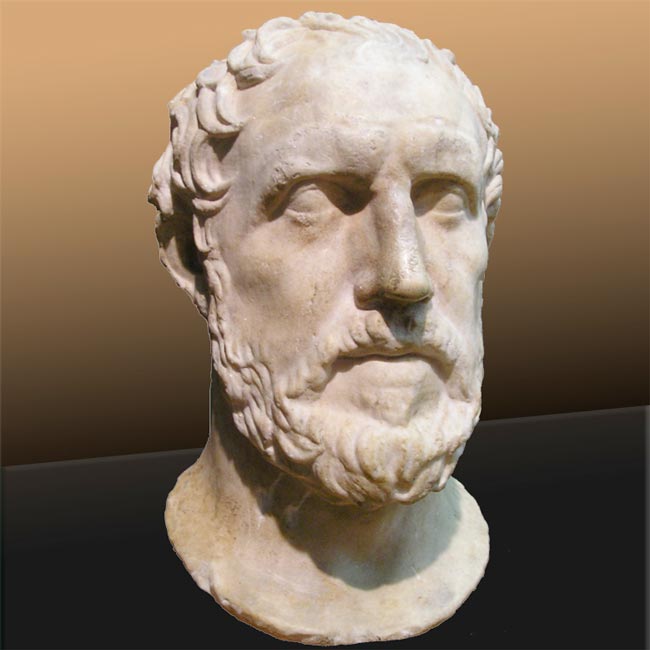
When one is deprived of one’s liberty, one is right in blaming not so much the man who puts the shackles on as the one who had the power to prevent him, but did not use it.
Thucydides, The History of the Peloponnesian War, Book 1, 69.
On October 28, 1886, in New York Harbor, the Statue of Liberty was dedicated by President Grover Cleveland, despite the fact that the monument was not a federally funded project.
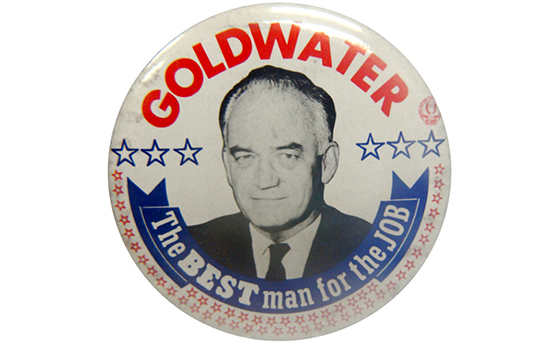
On October 27, 1964, Ronald Reagan delivered a speech on behalf of Republican candidate for president, Barry Goldwater, thereby launching Reagan’s political career. The speech came to be known as “A Time for Choosing.”
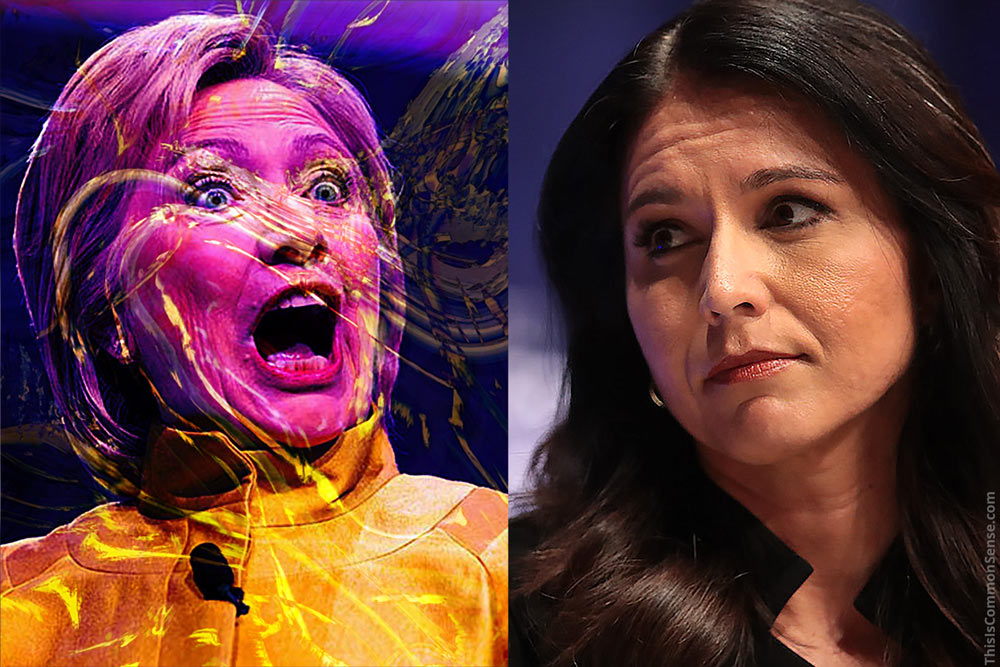
Paul’s discussion of Hillary Clinton’s ‘Russian Asset’ charge against Tulsi Gabbard expanded to include one of the most important fixes for our broken democracy:
There is a simple fix that could work wonders, but almost no one talks about it.
Perhaps the soul of goodness in things evil is by nothing better exemplified than by the good thing, justice, which, in rudimentary form, exists within the evil thing revenge.
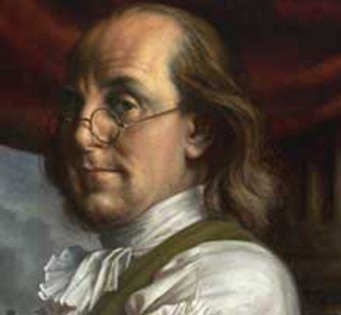
On October 26, 1774, the first Continental Congress adjourned in Philadelphia, Pennsylvania. Exactly one year later, King George III of Great Britain went before Parliament to declare the American colonies in rebellion. And one year later yet, to the day, in 1776, septuagenerian Benjamin Franklin (pictured, above) departed from America for France, seeking financial support for the American Revolution.
Even people who get their information only from major network news know that, in their mad rush to promise free health care, Democratic presidential hopefuls would raise taxes for nearly everybody including the “hard-working middle class.”
How do they know?
Because at least one of the eager promisers won’t give a straight answer.
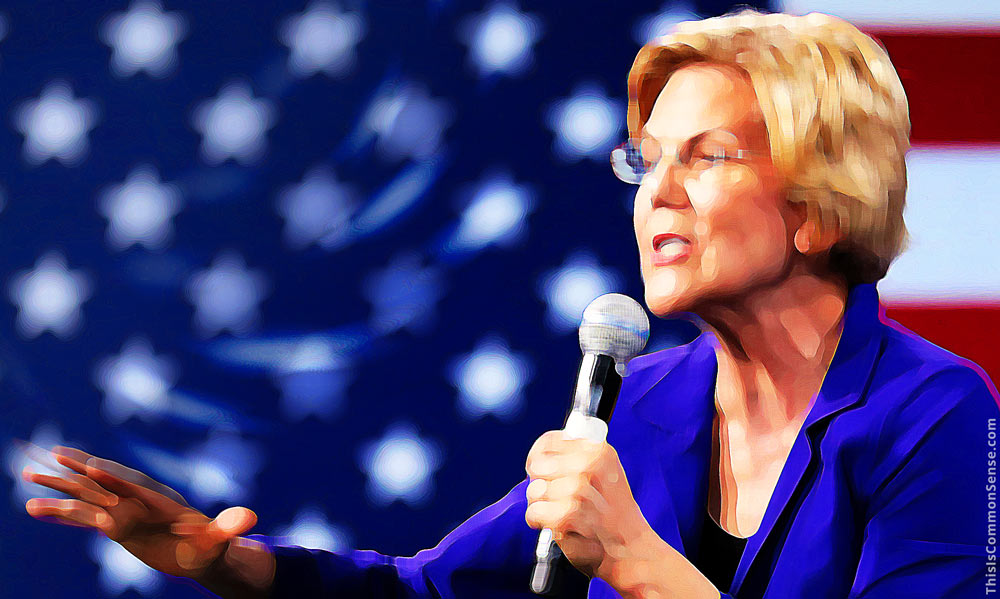
Her name is Senator Elizabeth Warren.
Like Bernie Sanders (but notAmy Klobuchar and Joe Biden) she is offering “Medicare for All,” which Fox’s Tucker Carlson calls straight-up socialism.*
George Stephanopoulos, Chris Matthews, and “other strident Democratic partisans” have been pressing her on the tax hike issue, and at the recent, fourth national primary debate, Warren continued to evade. Even Sleepy Joe knows that universal single-payer health care spending would require more taxes than can be squeezed out of the very rich and the big corporations (which Warren, Sanders, and other Democrats incessantly push). But Warren just will not say the words: yes, your taxes will go up. She continually feints to her follow-up argument, that since overall health care costs would [according to plan] go down, we would all come out ahead.
Tucker Carlson, citing an Urban Institute study, gives the answer the democratic socialists won’t: their promise would require spending 3.4 trillion tax dollars per year — $10 grand per person per year, including every child, retiree, and prison inmate.** Warren expects us to repress our common sense and believe that cramming all health care spending through the federal government will increase efficiency.
U.S. Department of Health and Human Services Secretary Alex Azar has the right word for Medicare for All: utopian.
Noting that Obamacare failed to live up to its promises, Azar predicts the ultimate result, “Medicare for None.”
This is Common Sense. I’m Paul Jacob.
* And not altogether implausibly, since medicine is a fifth ofthe American economy and (presumably) since socialism is an economy run by government.
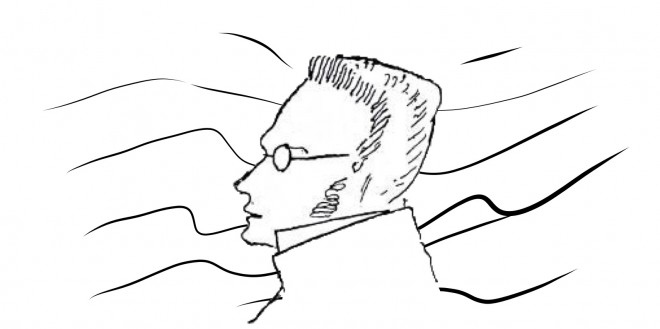
On October 25, 1806, the German philosopher Max Stirner was born. Stirner was known for his radical individualism, which under the name of “egoism” became culturally chic in the late 19th and early 20th centuries. In addition to Der Einzige und sein Eigentum, a major work that was famously attacked by Karl Marx, he translated Adam Smith’s Wealth of Nations and J.-B. Say’s A Treatise on Political Economy into German.