Categories
Today

Slavery and Anti-Slavery in America

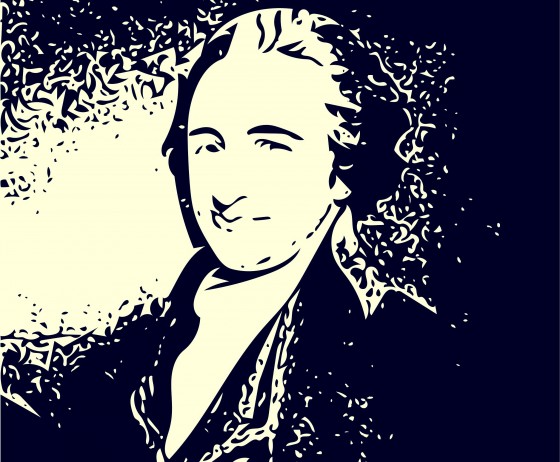
On March 8, 1775, “African Slavery In America,” often described as the first known essay advocating the abolition of slavery in America, was published anonymously in the Pennsylvania Journal and the Weekly Advertiser. Thomas Paine (pictured) is believed to be the essay’s author.

The first anti-slavery society was formed in Philadelphia weeks after publication, and Paine was a founding member.

Exactly 120 years earlier, a court in Northampton County of the Virginia Colony ruled that John Casor, then working as an indentured servant to Robert Palmer, must be returned to Anthony Johnson as Johnson’s “lawful” slave for life. Ironically, Johnson was one of the original indentured servants brought to Jamestown, had completed his indenture to become a “free Negro” and the first African landowner in the colony. The case marked the first person of African descent to be legally-recognized as a lifelong slave in England‘s North American colonies. The first official chattel slave in English-speaking North America was of African descent, and was owned by a man also of African descent.
Categories
Thought

Joseph Hiam Levy

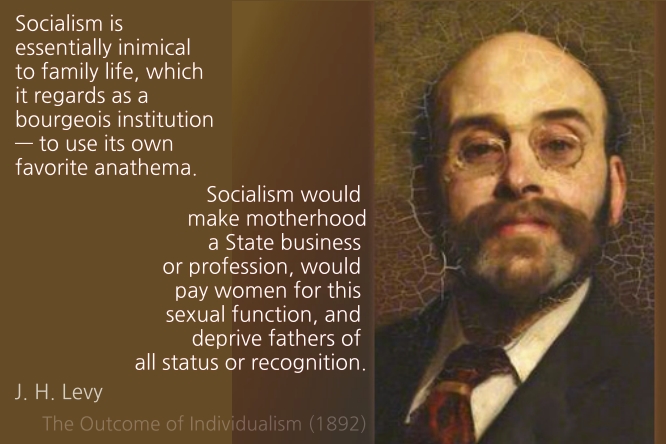
Socialism is essentially inimical to family life, which it regards as a bourgeois institution — to use its own favorite anathema. Socialism would make motherhood a State business or profession, would pay women for this sexual function, and deprive fathers of all status or recognition. It would no longer be necessary for a woman to know who was the father of her child. Her children — up to a certain number — would be supported by the state, which would be supreme over their education.

Joseph Hiam Levy, The Outcome of Individualism (Third Edition, 1892), Chapter XII, “Economics and Ethics of Individualism.”
Categories
by Paul Jacob video

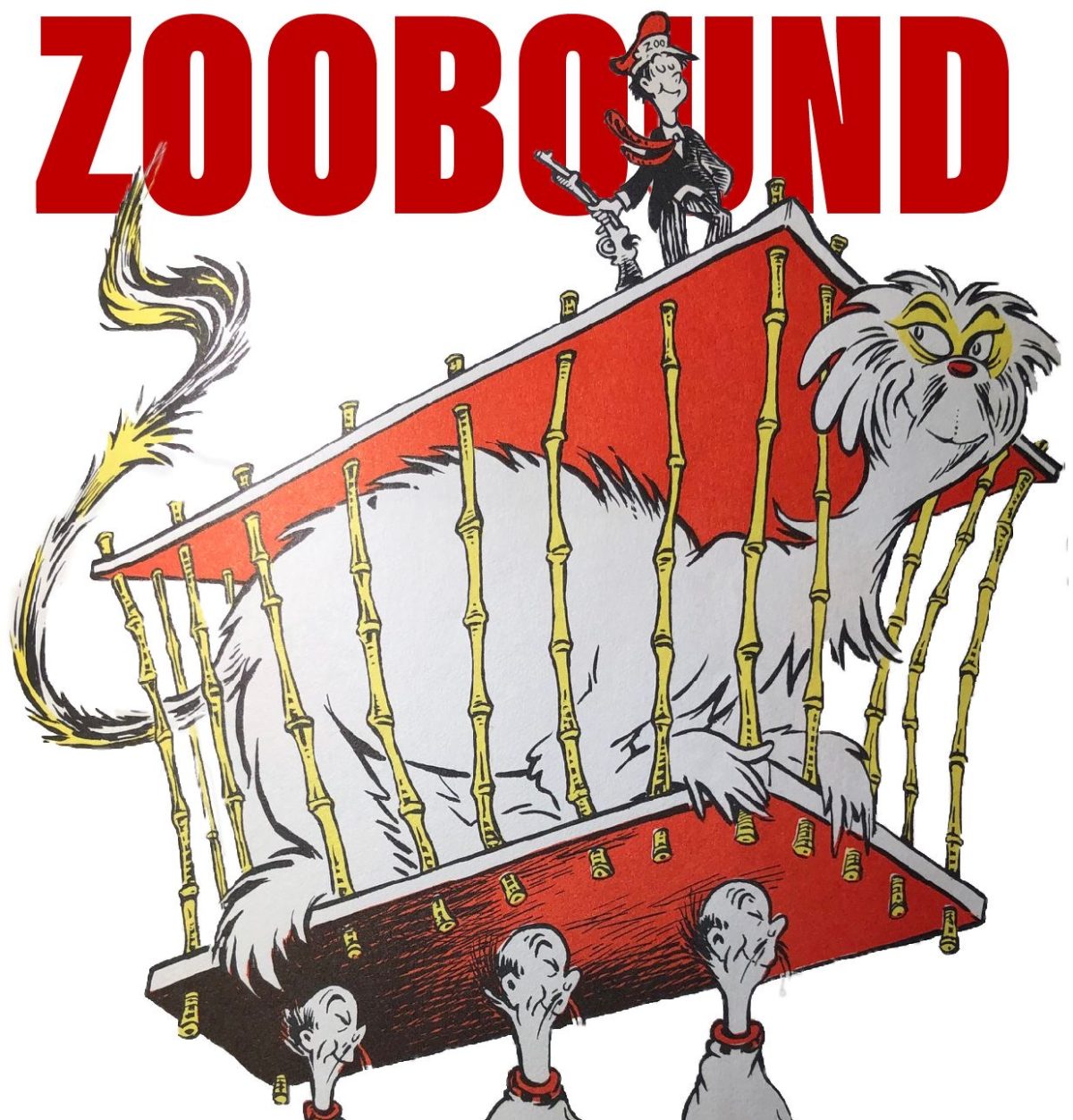
Watch: If [sane people] Ran the Zoo!

This Week in Common Sense, March 6, 2021.
Categories
Today

The First American Bicameral

On March 7, 1644, Massachusetts established the first two-chamber legislature in the American colonies.

One hundred thirty years later, to the day, British forces closed the port of Boston to all commerce.

Categories
audio podcast

Listen: If We Ran the Zoo

This Week in Common Sense for Paul Jacob’s birthday weekend, 2021.
Categories
Today

Svetlana Made a Break for It (& Paul made his debut)

On March 6, 1967, Soviet Premiere Joseph Stalin’s only daughter, Svetlana Alliluyeva, defected to the United States. She later took the name Lana Peters, upon marriage to William Wesley Peters. The marriage was short-lived.

The March 6 date also marks term limits advocate and initiative organizer Paul Jacob’s birthday. He was born on the anniversary of the births of Michaelangelo, Cryano de Bergerac, and Alan Greenspan. He is also, obviously, the reason this site, ThisIsCommonSense.com, exists. (It continues, however, only through the continued support of readers like you.)

Categories
folly ideological culture

Peak Absurdity

We have gone on beyond nonsense. Theodore Geisel — Dr. Seuss — whimsically drew and rhymed his way into our hearts. But owners of his copyrights and trademarks have announced that they will no longer keep in print a handful of Seussiana, including And to Think That I Saw It on Mulberry Street, If I Ran the Zoo, and On Beyond Zebra! 

“These books portray people,” says a press release from “Seussville,” “in ways that are hurtful and wrong.”

The objection appears to be that caricatures of Chinese and Africans and others are based on stereotypes and, therefore, “hurtful.”

After retrieving your rolled eyes from deep within their sockets, recognize that cartoons and caricatures rely upon stereotypes. Which is why I still own copies of the first two books on the list and will not hesitate to read them and show the pictures to any child of any race or ethnicity who might be interested.

While the woke guardians of the Seuss brand have every right to cease publication — just as eBay, the trading platform, possesses the right to prohibit sale of used copies — this is historic. The woke social justice crowd have pushed  their mania past absurdity.

Not, alas, a funny, Seussian absurdity. 

His very liberal voice, favoring individuality, diversity and just being nice, was utterly at odds with the implied calumny from the corporation that bears his pen name.

But I do hear chanting in the background: “boil that dust speck!” (A great line from Horton Hears a Who.) Seuss developed his case against intolerance and mob mania in a number of works, most of them not deprecated by his heirs, thankfully. 

Kids who read them possess the tools to understand the whys of woke nonsense. 

Pity that the adults in charge do not.

This is Common Sense. I’m Paul Jacob.


PDF for printing

See all recent commentary
(simplified and organized)
See recent popular posts

Categories
Thought

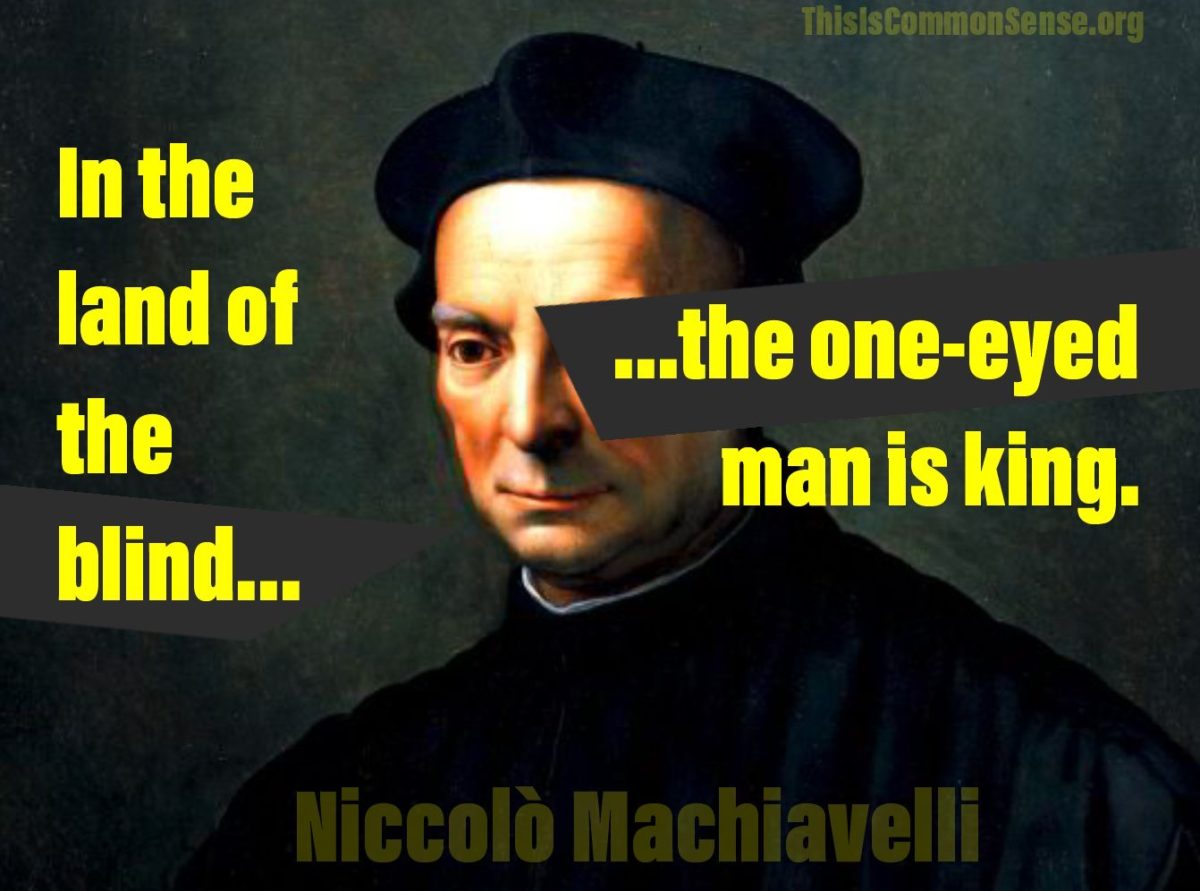
Niccolò Machiavelli

In terra di ciechi chi vi ha un occhio è signore.

In the land of the blind the one-eyed man is king.

Niccolò Machiavelli, The Mandrake, Act III, scene ix.

Categories
Today

A Banned Book

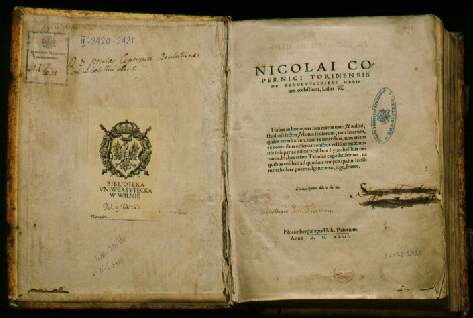
On March 5, 1616, Nicolaus Copernicus’s book, De revolutionibus orbium coelestium, was placed on the Catholic Church’s Index of Forbidden Books. This censorship notwithstanding, the Earth continued to revolve around the Sun. The book had been first published in 1543 in Nuremberg.

| In 1770, the Boston Massacre took place on March 5.

| Joseph Stalin, the longest serving leader of the Soviet Union, died at his Volynskoe dacha in Moscow on this date in 1953, after a cerebral hemorrhage.

| March 5 is magician Penn Jillette’s birthday. He turns 64 today, beginning his 65th year of life.

Categories
Today

The Constitutional Congress

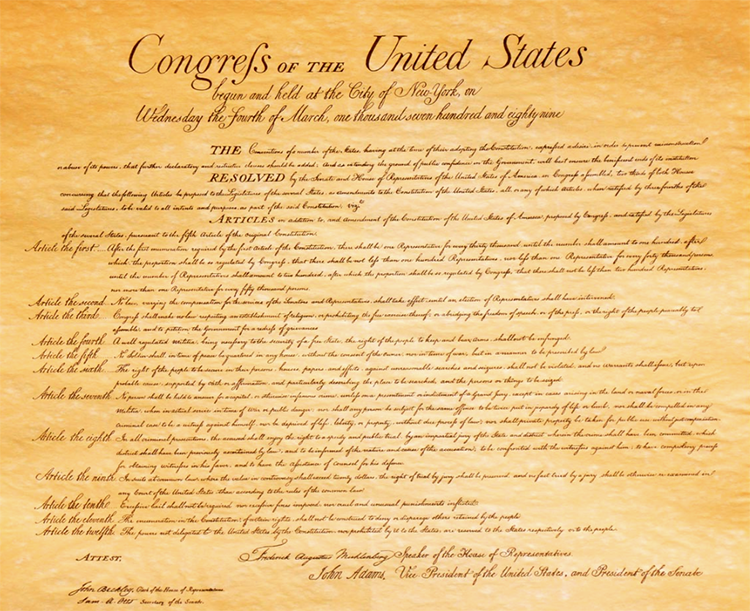
On March 4, 1789, the first bicameral Congress of the United States met in New York, New York, in accordance with the new Constitution.

Two years later on the same date, Vermont was admitted as the fourteenth state of the union.

In a twist in World War II allegiances, Finland declared war on Nazi Germany on March 4, 1945, beginning the Lapland War.