On March 24, 1765, the Kingdom of Great Britain passed the Quartering Act, which required the Thirteen Colonies to house British troops.
On the same date in 1855, slavery was abolished in Venezuela.
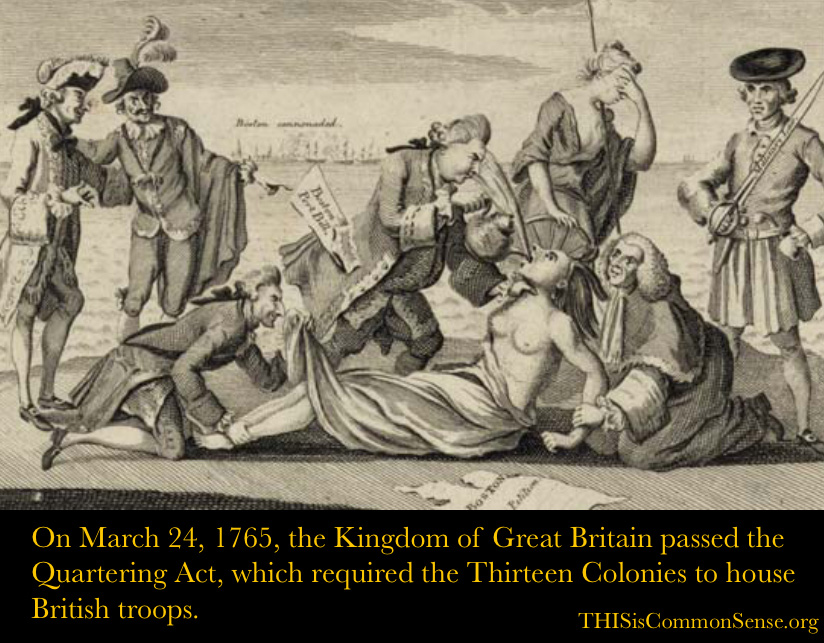
On March 24, 1765, the Kingdom of Great Britain passed the Quartering Act, which required the Thirteen Colonies to house British troops.
On the same date in 1855, slavery was abolished in Venezuela.
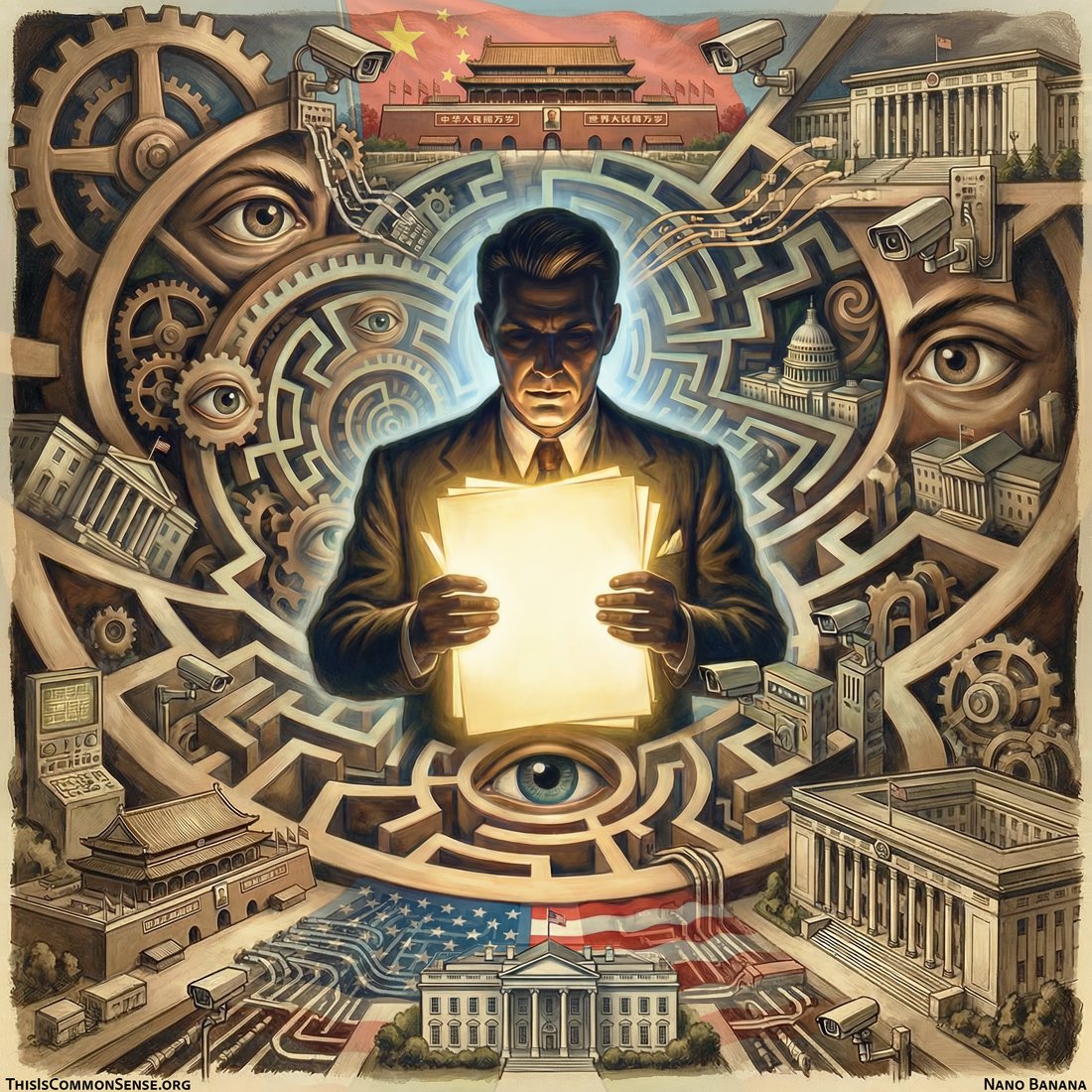
This report goes on to say that the “collection and aggregation of vast quantities of personal data” by commercial enterprises, and the willingness to share this data with third parties, “increases both the likelihood and the impact of data breaches.”
The report, which is highly redacted though declassified in late 2022, fingers Iranian hackers as well as foreign governments for having obtained private data on U.S. citizens. In 2013, Russia’s Federal Security Service “sponsored a theft of 3 billion accounts” off an American web service, and in 2017 Chinese agents “stole 147 million from a US credit-reporting agency.” And more.
Reading on, a sense of déjà vu develops. The report calls this technological capacity “digital authoritarian capabilities” — yet our own government has the same.
It accuses China of marshaling “mass surveillance and AI-driven algorithmic tracking of its citizens’ behavior at home to inform the use of soft or coercive incentives and disincentives to control them,” but that, I’m afraid, is what our government does, too.
Now we learn that all this and more was known by American intelligence agencies during the first Trump administration.
But was kept from him.
That is, “intelligence analysts downplayed China’s actions because they had disdain for the ‘vulgarian’ Trump,” explains Just the News, and at least one agent kept evidence of possible Chinese interference in the 2020 election from the president because that might have led to “policies against China” that the agent didn’t like.
That, right there, we call a datum.
This is Common Sense. I’m Paul Jacob.
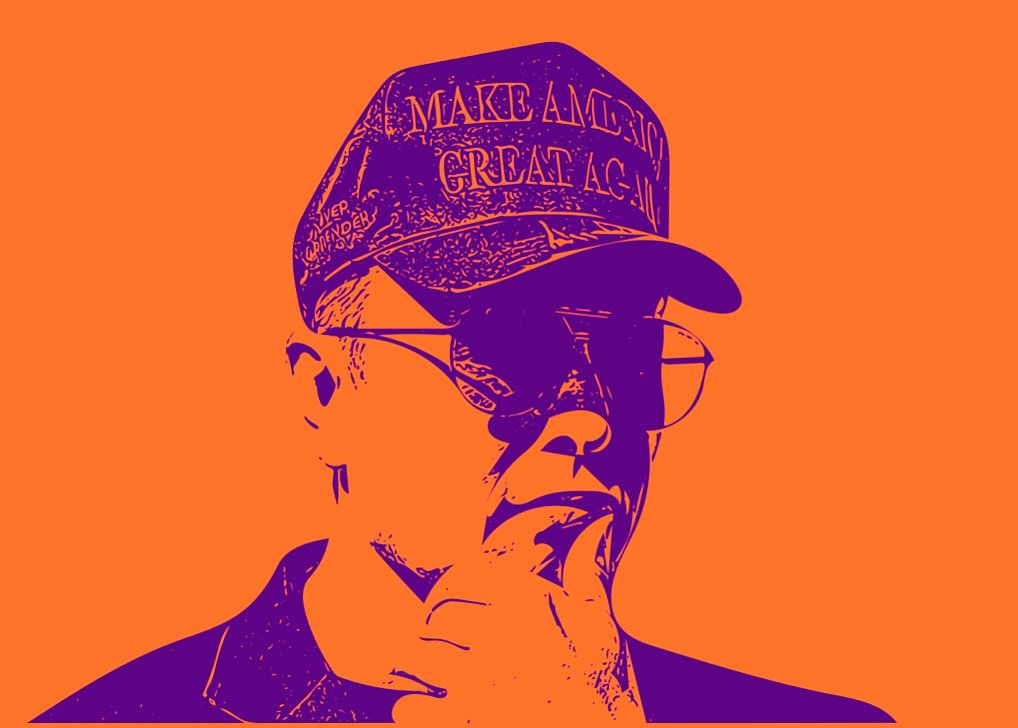
Illustration created with Nano Banana
See all recent commentary
(simplified and organized)
See recent popular posts
Fas est et ab hoste doceri.
It is right to be taught by the enemy.
Ovid, Metamorphoses, Book IV, 428.
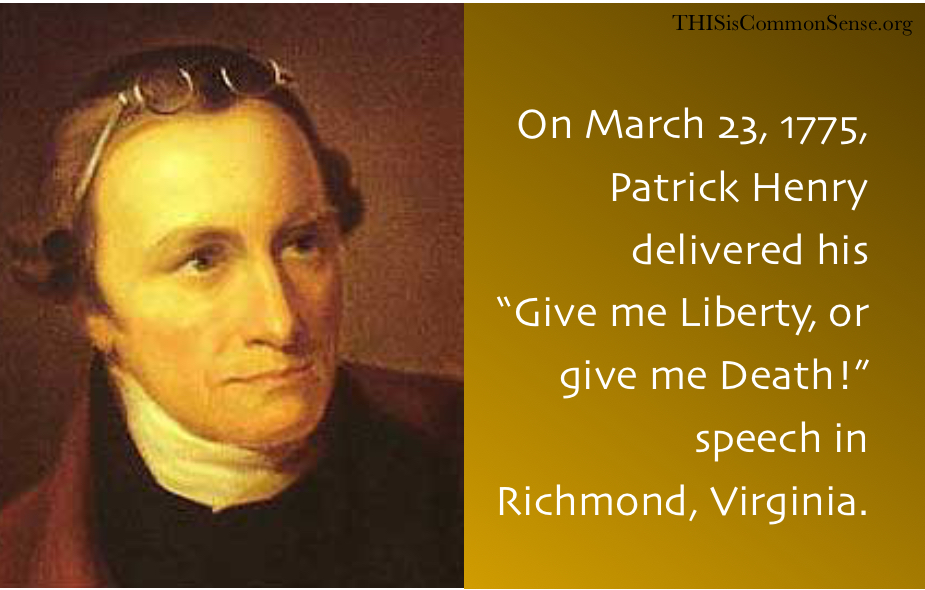
On March 23, 1775, Patrick Henry delivered his “Give me Liberty, or give me Death!” speech at St. John’s Church in Richmond, Virginia.
If your social media feed is burgeoning with radical pinkoist complaints about the madness and malignity of billionaires, maybe it’s worth offsetting with the news of the latest gesture from the billionairist billionaire of them all, Elon Musk:
Billionaire entrepreneur Elon Musk, the world’s richest person, said on Saturday he would cover the paychecks of Transportation Security Administration (TSA) officers during their second unpaid work stoppage in six months amid a protracted federal funding lapse.
The budget impasse over funding for the TSA’s parent agency, the Department of Homeland Security, is in its fifth week. Screeners and other TSA personnel are days away from missing a second full paycheck, but are being pressured to show up as screening times at some airports stretch on for hours.
“I would like to offer to pay the salaries of TSA personnel during this funding impasse that is negatively affecting the lives of so many Americans at airports throughout the country,” Musk said in a post on his social media platform X.
“Elon Musk Offers to Pay TSA Salaries Amid Budget Battle, Airport Lineups,” Reuters via The Epoch Times (March 21, 2026).
Paul Jacob has been covering the Elon Musk story on this site for years now, and we can be fairly certain that if Paul were called upon to give a statement about this story, he would lament that the generous offer does not include provisions to treat Musk’s payments as severance pay, upon the closing of the TSA:
The current congressional impasse for budgeting the agency is such a good occasion for its closure!
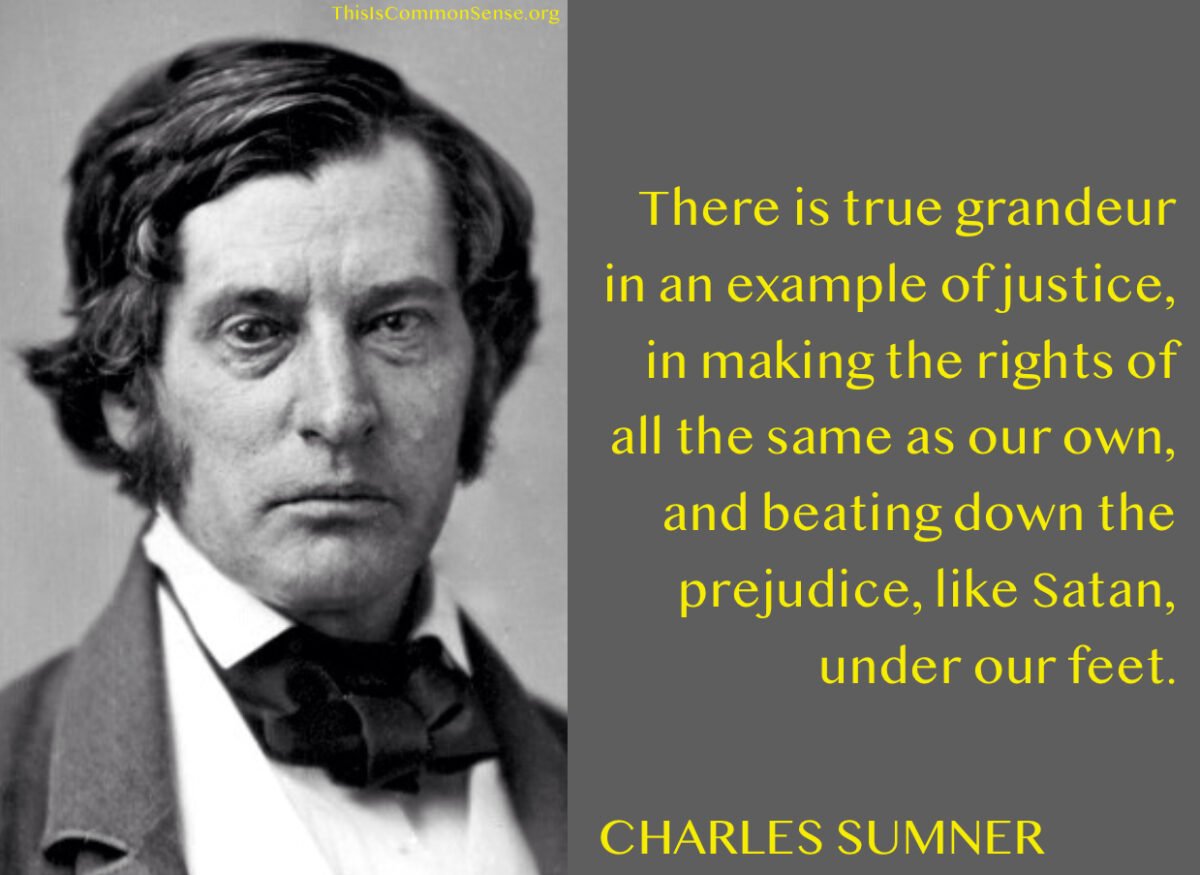
There is true grandeur in an example of justice, in making the rights of all the same as our own, and beating down the prejudice, like Satan, under our feet.
Senator Charles Sumner, Memoir and Letters of Charles Sumner, Volume 4, p. 500.

On March 22, 1312, in the papal bull Vox in excelso, Pope Clement V dissolved the Order of the Knights Templar, after five years of suppression, torture and executions that began with the events of Friday the 13th, October 1307.
March 22nd marks some sad days for Americans, too:
1622 — Algonquians killed 347 English settlers around Jamestown, Virginia, a third of the colony’s population, during the Second Anglo-Powhatan War.
1631 — The Massachusetts Bay Colony outlawed the possession of cards, dice, and gaming tables.
1638 — Anne Hutchinson was expelled from Massachusetts Bay Colony for religious dissent.
1765 — The British Parliament passed the Stamp Act, which levied taxes directly on its American colonies.
On a brigher note, on March 22, 1621, the Pilgrims of Plymouth Colony, led by governor John Carver, signed a peace treaty with Massasoit, sachem of the Wampanoags; Squanto served as an interpreter between the two sides.
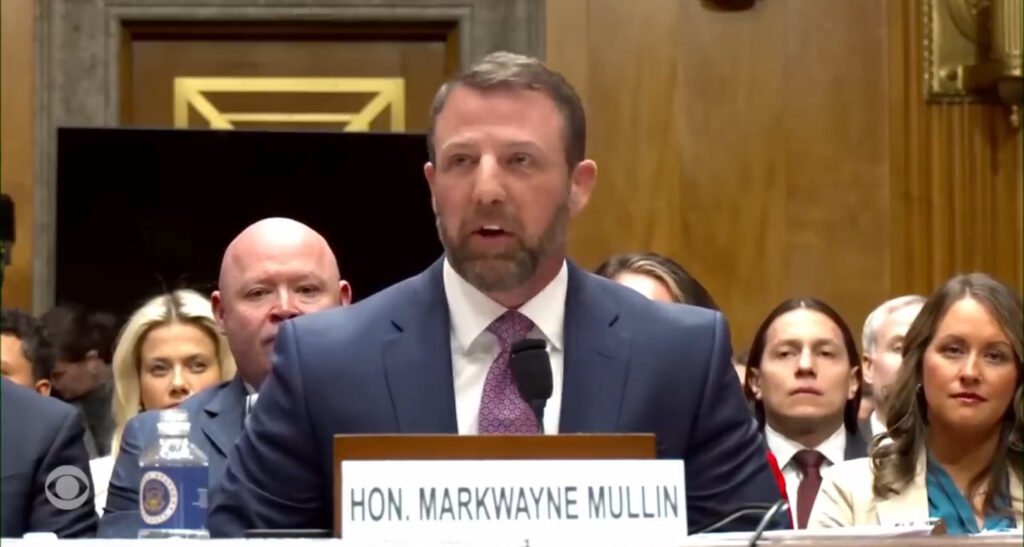
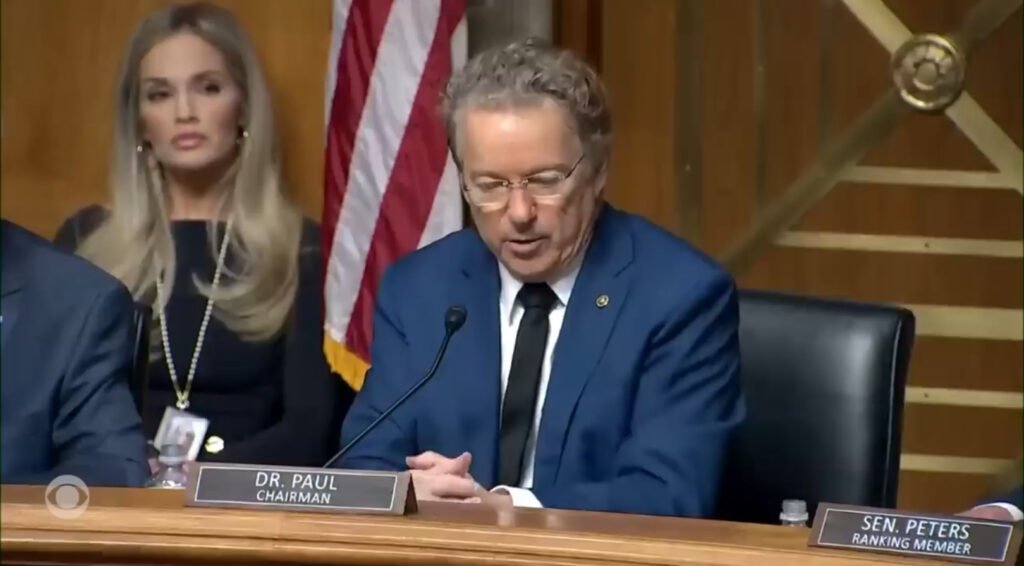
A dramatic moment in the Senate confirmation hearing for Senator Markwayne Mullin’s appointment to head the Department of Homeland Security:
This is a significant update to several ongoing stories, including Paul Jacob’s coverage of Rand Paul and the illegal immigration problem.
The senator from Kentucky charges the nominee with a “sheer lack of self-awareness” when it comes to his own behavior and lack of emotional control . . . while expressing the confidence to lead a department charged with the use force within the borders.
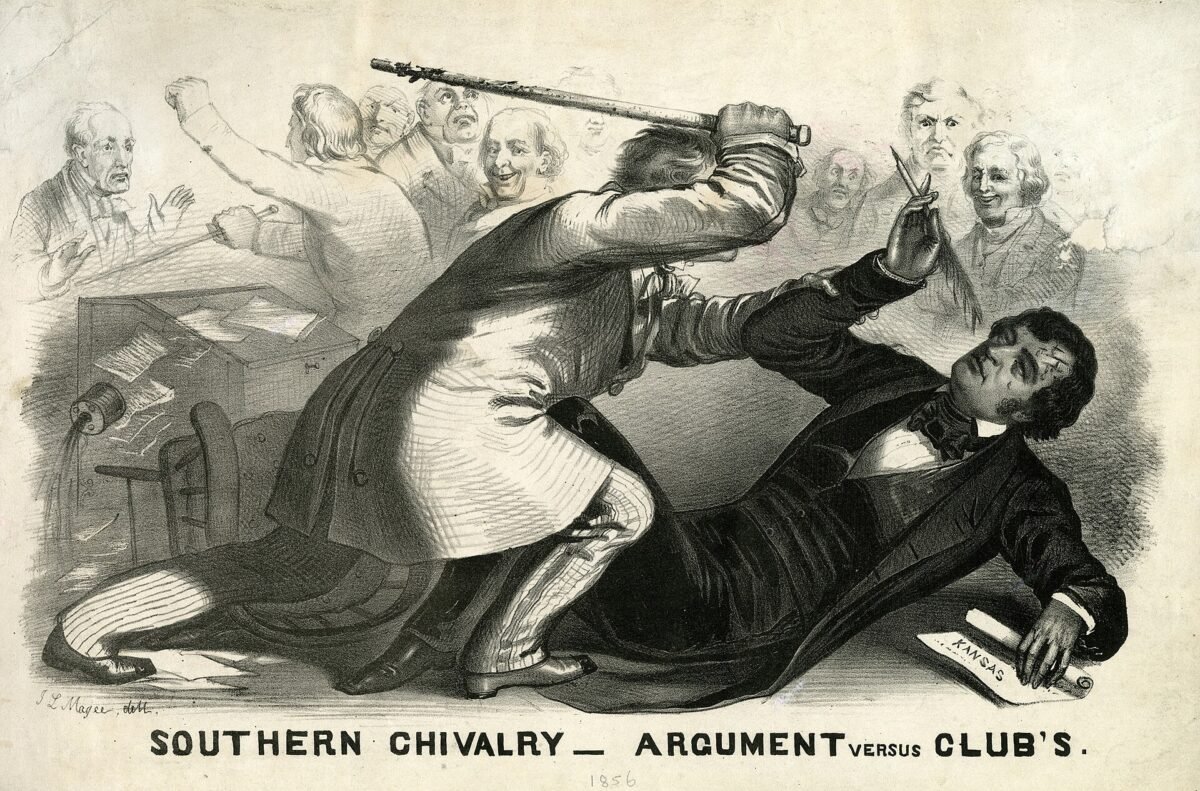
Was the wildest part was when Mullin was challenged for implying he approved the caning of Sen Charles Sumner on the Senate floor on May 22, 1856?
Arguably, this is the clip of the week.
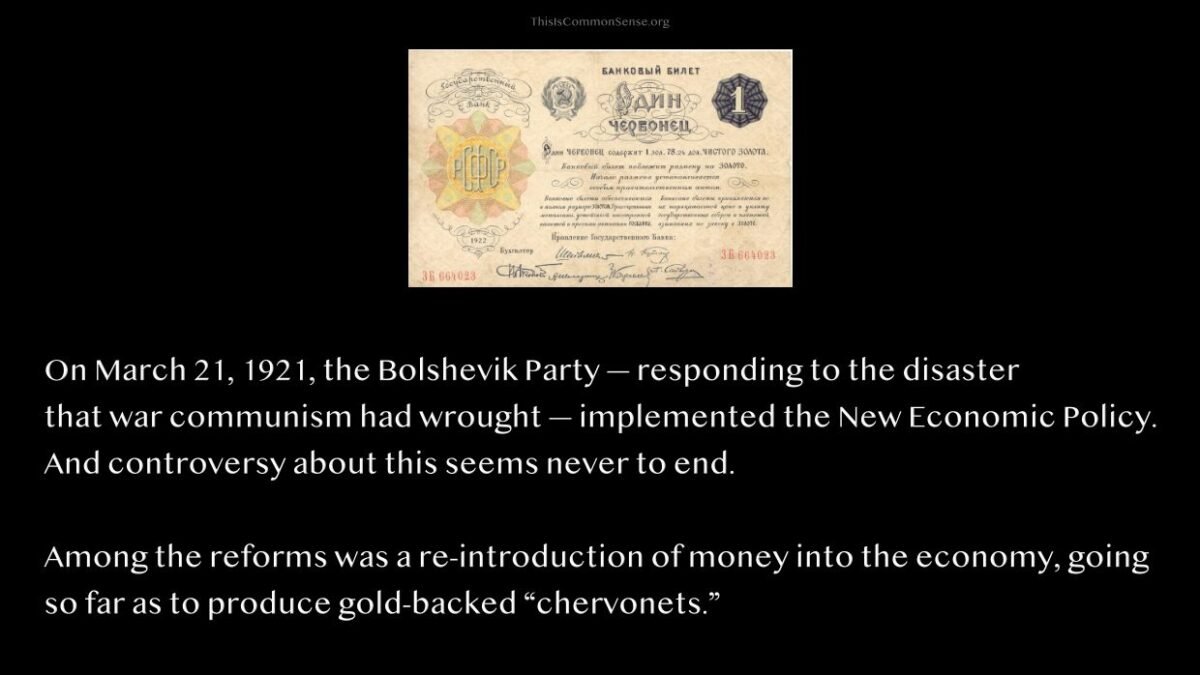
On March 21, 1921, the Bolshevik Party — responding to the disaster that war communism had wrought — implemented the New Economic Policy. And controversy about this seems never to end.
Among the reforms was a re-introduction of money into the economy, going so far as to produce gold-backed “chervonets.”
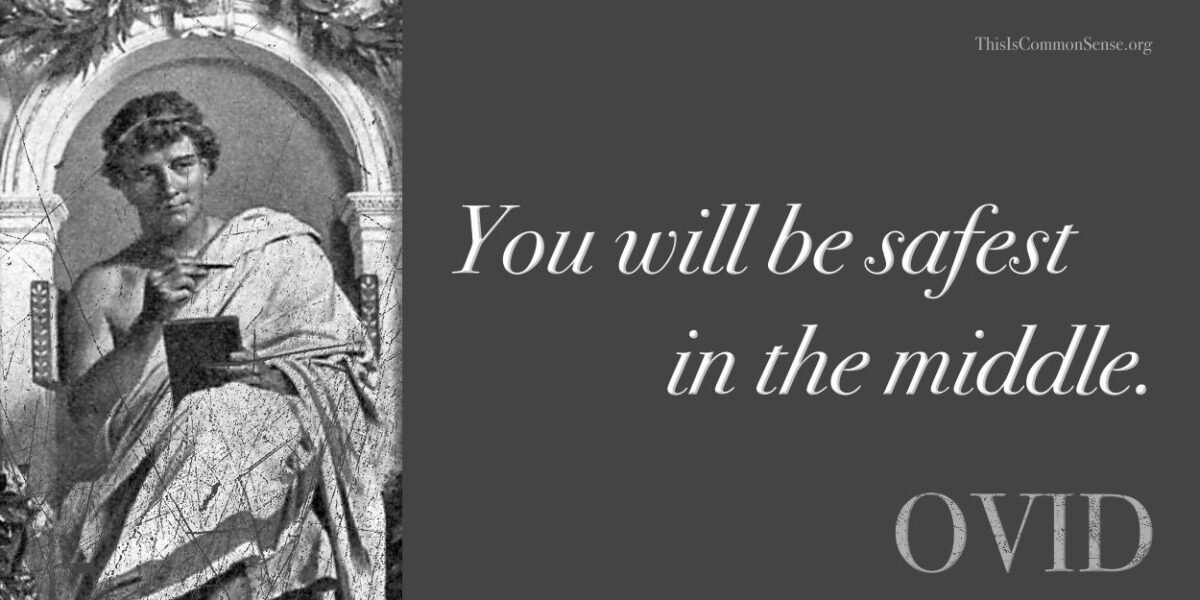
Medio tutissimus ibis.
You will be safest in the middle.
Ovid, Metamorphoses, Book II, 137.