Giving money and power to government is like giving whiskey and car keys to teenage boys.
P.J. O’Rourke, Parliament of Whores (1991).
Categories
P.J. O’Rourke
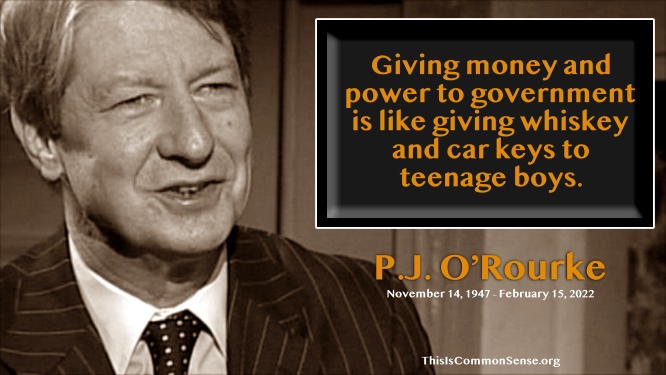
Giving money and power to government is like giving whiskey and car keys to teenage boys.
P.J. O’Rourke, Parliament of Whores (1991).

On Feb. 18, 1943, Hans and Sophie Scholl, a brother and sister, were arrested at the University of Munich for secretly (or not so secretly) putting out leaflets calling on Germans to revolt against Adolf Hitler and the Nazi regime.
In the previous year Hans had founded a group of students, who called themselves “The White Rose.” The group wrote and distributed six leaflets aimed at educated Germans. The leaflets made their way across Germany and to several other occupied countries. The Allies later dropped them all over the Third Reich.

New Yorkers can breathe easier now — they’re finally rid of the repellent Mayor Bill de Blasio.
But — uh oh — the new mayor, Eric Adams, may be another worm to keep that bitter taste dominant in the Big Apple.
Mayor Adams dislikes guns and violence, so he wants social media to censor rap videos that display and glorify guns. It’s unclear whether he also wants social media to censor links to westerns and Matrix movies and lots of other movies and media in which guns to fight bad guys or bad algorithms are approvingly deployed.
“You have a civic and corporate responsibility,” Adams intones, enjoining social media firms to expand their list of banned things.
“We [we?] pulled Trump off Twitter because of what he was spewing. Yet we are allowing music displaying of guns, violence. We allow this to stay on the sites.”
“Stagecoach” and a rap video proposing that one “[expletive deleted] that [expletive deleted]” may have little in common in the categories of values and sensibilities. But if violence is “glorified” in both, well, that’s bad. Right?
Adams is a government official. A “public servant.” And a functionary in such a position cannot make solemn, well-publicized declarations about what companies should censor without thereby seeking to enlist them — deputize them, you might say — as agents of government censorship.
He is not sending police to the offices of Twitter and Facebook and ordering them to ban rap-video tweets or else. But he’s doing the next-worst thing.
This is Common Sense. I’m Paul Jacob.
See all recent commentary
(simplified and organized)
See recent popular posts

Hubris is one of the great renewable resources.
P.J. O’Rourke (November 14, 1947 – February 15, 2022).
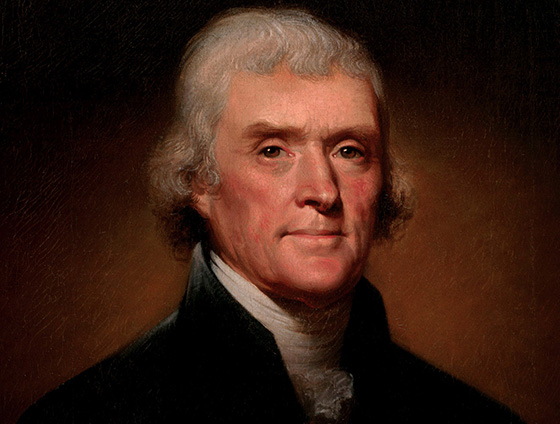
On Feb. 17, 1801, Thomas Jefferson was elected by the U.S. House of Representatives to be the third president of the United States, after an arduous election process that ended only 15 days prior to inauguration.
The fracas included a tie vote in the Electoral College followed by 35 indecisive ballots in the House. At that time, votes were cast for president, with the second place candidate becoming Vice-President. But in the Electoral College, Jefferson tied with his vice-presidential running mate, Aaron Burr. When that sent the balloting to the House of Representatives, the Federalists opposing Jefferson initially threw their support to Burr.
On Feb. 17, 1933, a constitutional amendment to repeal the Eighteenth Amendment to the U.S. Constitution, which had established the national prohibition of alcohol, was passed by the U.S. Senate. Known as the Blaine Act, the prime author was Wisconsin Senator John J. Blaine. By the end of 1933, the repeal of prohibition was adopted as the 21st Amendment to the Constitution.

Backlash can be good. Against lousy ideas, for example. Sometimes, the response to the backlash is to relinquish the lousy idea, at least temporarily.
We must hope for more than a moment of reprieve from the Internal Revenue Service’s plan to require facial ID recognition of persons who use certain functions of its website.
Both Republican and Democratic congressmen, among many others, were outraged.
It’s good that many congressmen regard some forms of surveillance as beyond the pale. (Meanwhile, legislation to promote scanning of everybody’s online messages at will, Lindsey Graham’s EARN IT Act, is back in Congress. Bipartisan Backlash, can you take a look at this?)
The IRS said that it wanted to use facial recognition technology to help prevent scammers from posing as taxpayers.
But a database of such facial info would itself pose a huge security risk. For decades now, we have been inundated with stories about major databases being hacked.
Nor would legal access have been restricted to the less-than-trustworthy IRS. A third-party vendor would have been involved.
So the IRS has retreated, saying they grasp “the concerns that have been raised” and pledging to pursue “short-term options that do not involve facial recognition.”
The Biden administration has also proposed expanding IRS staff by 80,000+ personnel and permitting minute governmental monitoring of the bank accounts of millions of Americans — notions now in abeyance but undead. And who knows what other innovations in overseeing us are coming up?
Stay on call, Bipartisan Backlash.
This is Common Sense. I’m Paul Jacob.
See all recent commentary
(simplified and organized)
See recent popular posts
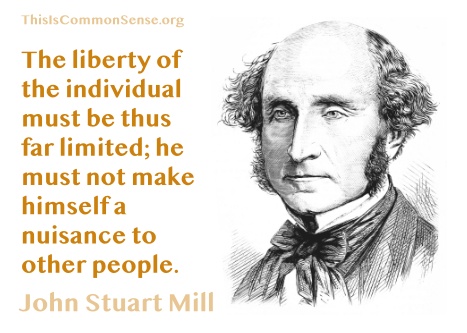
The liberty of the individual must be thus far limited; he must not make himself a nuisance to other people.
John Stuart Mill, On Liberty (1859) ch. 3.
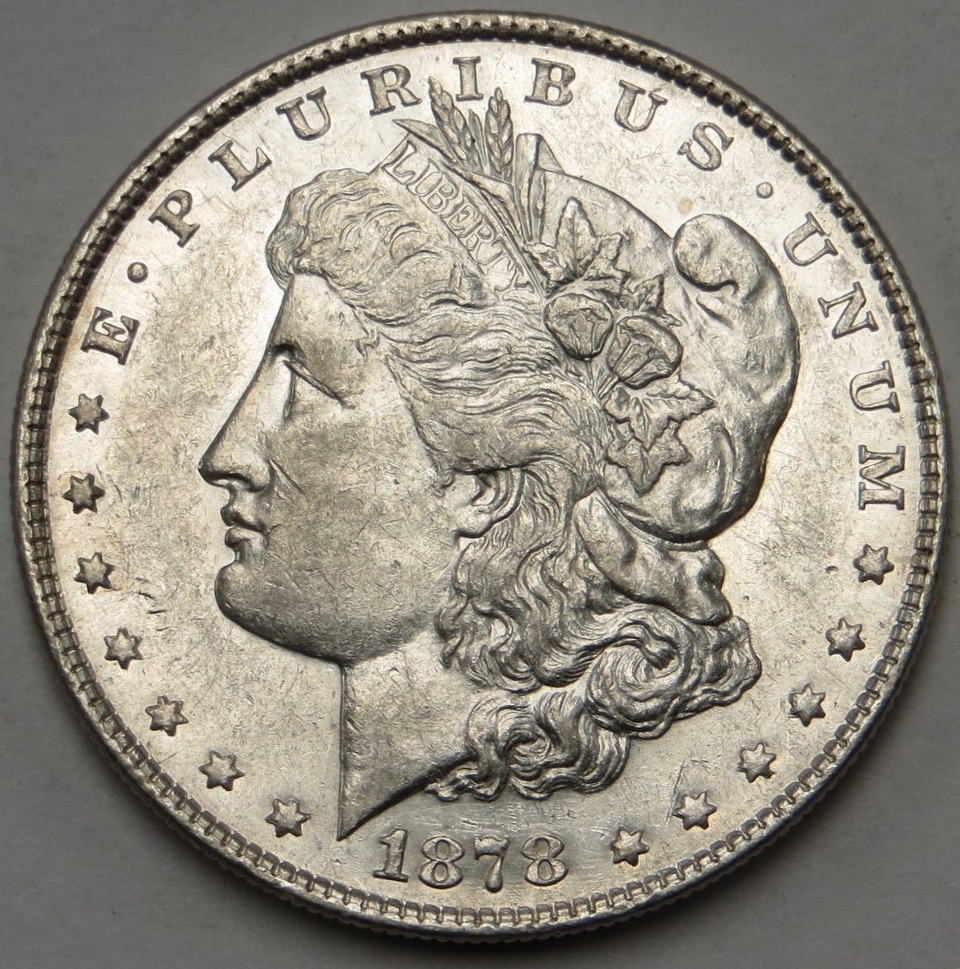
On February 16, 1878, the Bland-Allison Act, which provided for a return to the minting of silver coins, became U.S. law. Today, the value of American money is secured only by public faith in the stability of the government, but during the 19th Century, money was backed by actual deposits of silver and gold.
That is, money was silver and gold. But that did not mean that all was right with the monetary system.
Five years earlier, when Congress had stopped buying silver and minting silver coins — following the lead of European nations — a financial panic ensued. Reasons for the suspension lay in the fact that the exchange value of silver and gold had retained an old, out-moded fixed ratio that favored silver producers. Had the United States Treasury let the two standards freely float, making a distinction between silver dollars and gold dollars, none of the political strife over bimetallism would have occurred.
As it was, with silver over-valued, the silver coins increasingly “drove” gold out of circulation, as well as out of the Treasury and into private hands.
In 1893, in the midst of another financial panic, this time as a result of depletion of gold reserves in the U.S. Treasury, President Grover Cleveland called a special session of Congress to repeal the bimetallic standard. He was successful, though agrarian inflationists took over the Democratic Party and offered up, for the next election, William Jennings “Cross of Gold” Bryan as a counter to Cleveland’s old-fashioned fiscal conservative/social liberalism.
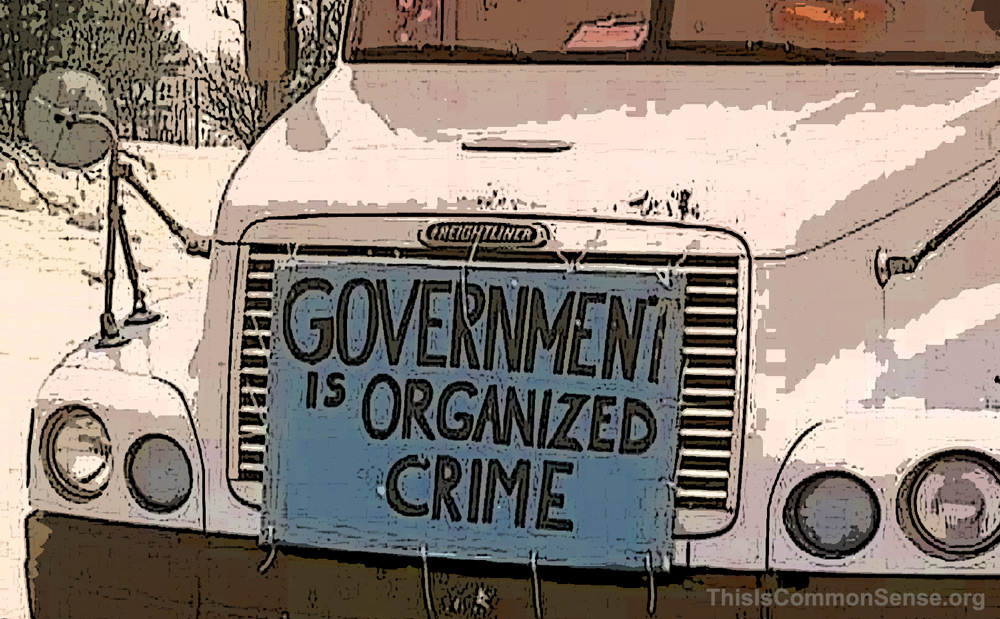
In a nation of laws, not of men — as the old phrase puts it — we may not fight our ideological fights “by any means necessary.” People have rights. Governments and civil opponents have to follow the rules to contest others’ actions.
Yesterday, in “#GoPoundSand,” I re-told the tale of GiveSendGo, the “Christian crowd-funding site,” and how it stepped up to the plate and took off where GoFundMe failed — and how the Canadian government was still trying to censor its ability to facilitate giving and receiving money online.
No sooner was it up here at ThisIsCommonSense.org and the story ramped up another level. A group of online saboteurs took it offline and redirected site travelers to GiveSendGone.wtf.
Called “hackers” by the major media, that’s not exactly right. But close enough for non-specialists. I’ve been lectured on the difference between hacking and “cracking” and other malicious Internet sabotage by tech-savvy friends in the past. But I’m not the person to engage in pedantry on this subject.
Worse — and more malicious — was the collecting of the names of the donors with an aim to leaking the list. “The unidentified hackers condemned GiveSendGo for allowing users to fundraise legal fees for those involved in the Jan. 6 riots and for platforming the Freedom Convoys,” explains Christopher Hutton at the Washington Examiner, “noting that an Ontario court had frozen the entire endeavor.”
Once upon a time, hacker culture was the realm of “anarchists” and “dissidents” etc. Nowadays? Not so much: this effort was squarely on the side of establishment institutions and narratives.
It is almost as if the “hackers” were paid government agents.
They certainly aren’t pro-protest rebels.
The GiveSendGo site was offline as of the evening of the 14th, when this report was being finalized.
This is Common Sense. I’m Paul Jacob.
See all recent commentary
(simplified and organized)
See recent popular posts
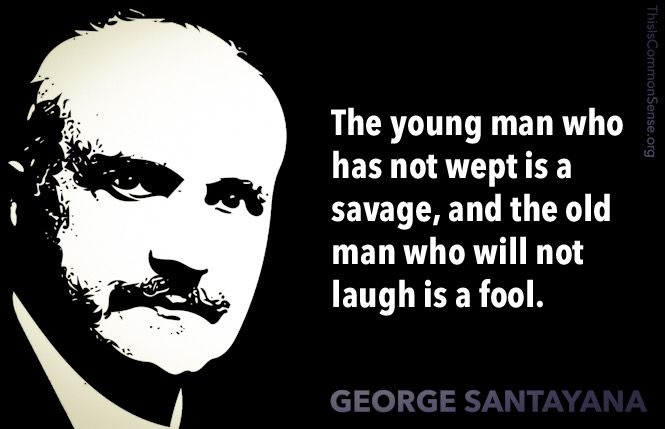
The young man who has not wept is a savage, and the old man who will not laugh is a fool.
George Santayana, Dialogues in Limbo (1925).