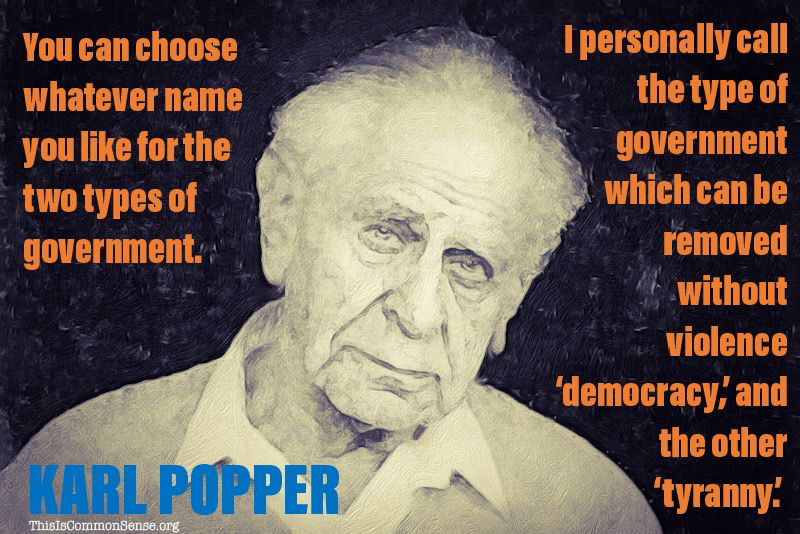
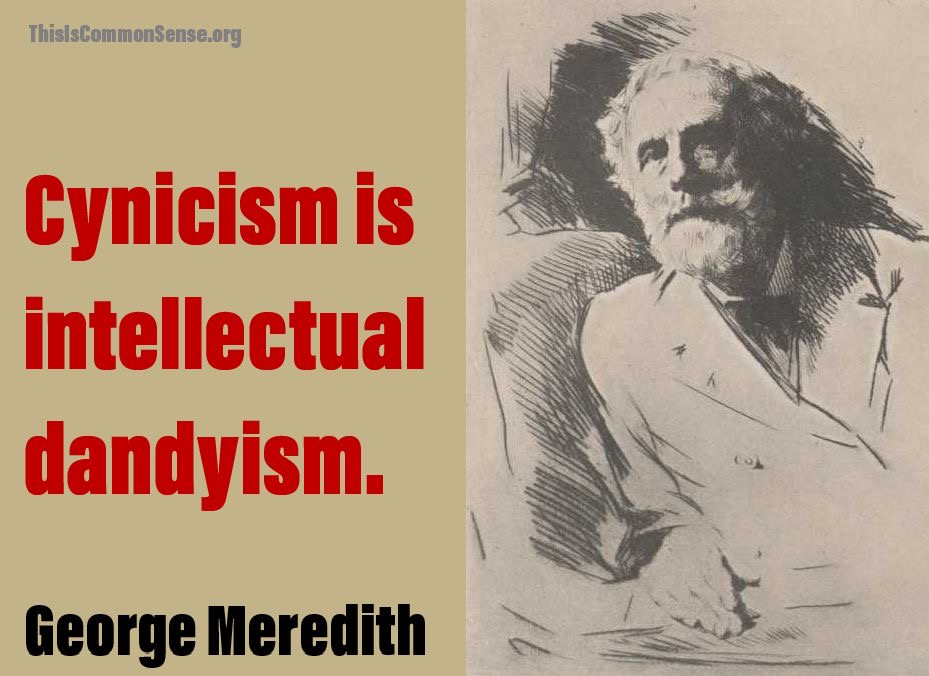
You can choose whatever name you like for the two types of government. I personally call the type of government which can be removed without violence ‘democracy,’ and the other ‘tyranny.’
Karl Popper, as quoted in Freedom: A New Analysis (1954) by Maurice William Cranston, p. 112.
On March 22, 1630, the Massachusetts Bay Colony outlawed the possession of cards, dice, and gaming tables. Exactly eight years later, the colony expelled Anne Hutchinson for her religious dissent.
In 1812 on this date, Stephen Pearl Andrews was born. Andrews would go on to become an important American abolitionist, free love advocate, and theorist of “individual sovereignty,” promulgating the reforms of Josiah Warren.
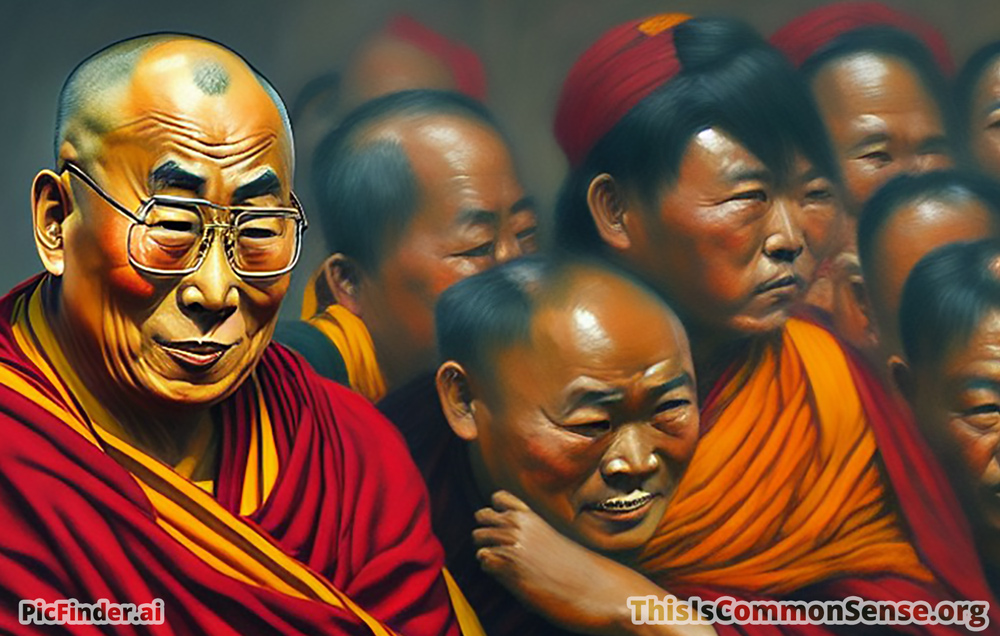
This March in San Francisco, hundreds of Tibetans and their supporters rallied to protest the government of China and to commemorate the Tibetan uprising of 1959.
“As we are in a free nation,” one of the protesters, Lobsang Chodon, told theEpoch Times, “we have the rights to rally and protest; we have the rights to parade and speak out. We can say whatever we want to say. So we have to speak out loudly for our brothers and sisters who cannot speak out. We will fight until the end, until Tibet is freed, until we can get back to our homeland.”
In March 1959, the Dalai Lama (born 1935), champion of the rights of the Tibetan people and autonomy for Tibet, was forced into exile by the Chinese Communist Party.
This had not been the plan.
The plan had been to kidnap the Dalai Lama as he attended a theatrical performance at the invitation of People’s Liberation Army. The PLA’s invitation or demand that the Dalai Lama attend included an insistence that he not bring his guards with him and that no one be told that he would be leaving the palace.
The Dalai Lama accepted or pretended to accept the invitation.
Word of the danger spread rapidly. On the day that he was scheduled to travel, many thousands of Tibetans surrounded his palace before the CCP could get its hands on him. And the Dalai Lama managed to flee into exile.
I welcome these protests, for they remind us of a history we must not forget.
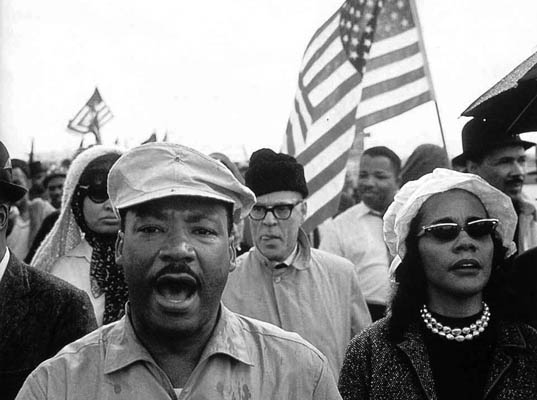
On March 21, 1965, Dr. Martin Luther King, Jr., led 3,200 people on the start of the third and finally successful civil rights march from Selma to Montgomery, Alabama.
Nearly two decades earlier, the Twenty-second Amendment (Amendment XXII) of the United States Constitution, passed Congress. The date was March 21, 1947. The amendment, ratified on February 27, 1951, set a term limit for election and overall time of service to the office of President of the United States. This was an obvious reaction to Franklin Delano Roosevelt’s more than three terms in office.
The first section of the amendment reads as follows:
No person shall be elected to the office of the President more than twice, and no person who has held the office of President, or acted as President, for more than two years of a term to which some other person was elected President shall be elected to the office of the President more than once. But this Article shall not apply to any person holding the office of President, when this Article was proposed by the Congress, and shall not prevent any person who may be holding the office of President, or acting as President, during the term within which this Article becomes operative from holding the office of President or acting as President during the remainder of such term.
“In an essay published this week in City Journal,” author Emma Camp begins, “conservative activist Christopher Rufo argued that universities — or rather, the state legislatures governing these universities — should shut down ‘activist’ academic departments. But rather than protecting higher education, forcibly shutting down left-wing academic departments would be nothing more than routine censorship.”
Tellingly, she never defines “routine” censorship.
Let me help: routine censorship is the governmental policy of preventing or punishing private speech on private property.
State colleges and universities are public institutions, politically established and subsidized by taxpayers. With few exceptions, “private colleges” are also routinely tax-funded at the demand end, and are further supported with research contracts.
Getting rid of Marxist professors preaching political revolution is no more anti-free speech than preventing the CDC and Anthony Fauci from conducting gain-of-function virus research within some college laboratory.
Ms. Camp quotes the Supreme Court about the importance of “safeguarding academic freedom, which is of transcendent value to all of us and not merely to the teachers concerned.” Freedom sounds great, but as usual, the Supremes forget that taxpayers have an interest, and that constraints on public schools was once routine.
So how not to “cast a pall of orthodoxy over the classroom”?
Offer a third position: de-subsidize and dis-establish government “education” by empowering higher education’s customers. Let Marxist professors find payers in the private sector.
Instead, Emma Camp effectively tells conservatives they have no choice but to fund every leftist program that politics and the bureaucracy allow. She could have recognized that “Academic freedom” in the context of tax-subsidized schooling is merely ideological license.
Which is itself a sad alternative to real liberty.