Categories
First Amendment rights Internet controversy social media

Censored Under Pressure

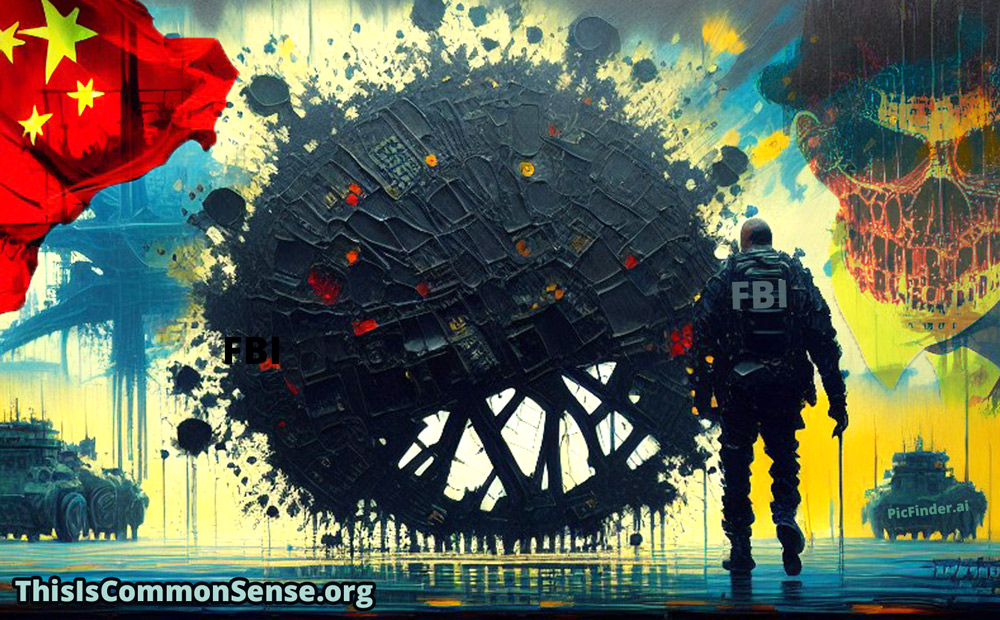
Journalist Alex Berenson is suing members of the Biden administration — and others, inluding Pfizer officers — for pressuring Twitter to ban him for what he wrote about the COVID-19 vaccines.

The best-known of his heretical tweets says, “It doesn’t stop infection. Or transmission. And we want to mandate it? Insanity.”

In the months since August 2021, when Twitter expelled him “for repeated violations of our COVID-19 misinformation rules,” such hardly intemperate observations have become less controversial. Vaccine proponents have retreated, typically claiming, at most, that the putative vaccines reduce the risk of severe illness and death.

Berenson first sued Twitter to challenge its ban. The suit succeeded; eleven months after Twitter banned him, it reinstated his account.

But Twitter had not been acting independently; it had succumbed to a lengthy campaign by the Biden administration to censor Berenson. Any such actions by government officials are, of course, unconstitutional.

The defendants in Berenson’s new lawsuit include President Biden, Surgeon General Vivek Murthy, Director of Digital Strategy Rob Flaherty, and former White House official Andrew Slavitt (“at the center of the conspiracy”). Two Pfizer officers are also named: board member Scott Gottlieb and CEO Albert Bourla.

Berenson’s detailed complaint alleges that “after months of public and secret pressure, Defendants succeeded” in getting Twitter to ban him.

The private pressure is attested by internal documents released by Twitter and government documents produced during the course of Missouri and Louisiana’s lawsuit against censorship by the Biden administration.

In defending his rights, Alex Berenson is helping us all retrieve freedoms we lost in the pandemic panic.

This is Common Sense. I’m Paul Jacob.


PDF for printing

Illustration created with PicFinder.ai

See all recent commentary
(simplified and organized)
See recent popular posts
Categories
Thought

Rothbard

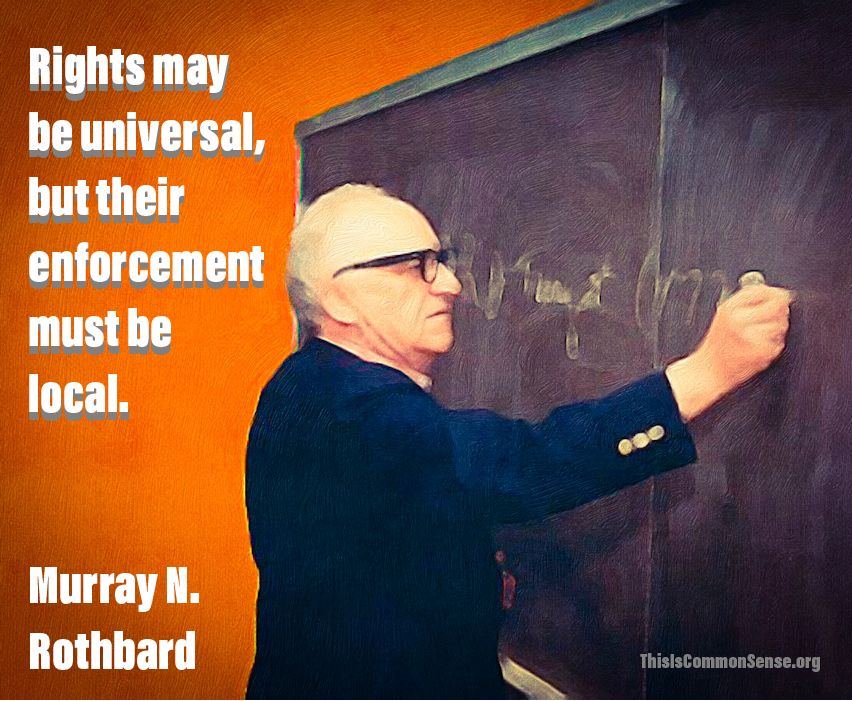
Rights may be universal, but their enforcement must be local.

Murray N. Rothbard, “Just War” (1970), as reprinted at LewRockwell.com.
Categories
Today

Ronald Hamowy

April 17 marks the 1937 birth of Ronald Hamowy, Canadian historian, who first came to international prominence for his writings in the short-lived but influential New Individualist Review. Hamowy died in 2012.


April 17, 1907 — The Ellis Island immigration center processed 11,747 immigrants, more than on any other day.

April 17, 1942 — French prisoner of war General Henri Giraud escaped from his castle prison in Königstein Fortress.

April 17, 1969 – Communist Party of Czechoslovakia chairman Alexander Dubček was deposed.

Categories
by Paul Jacob video

Watch: It’s So (Very Very) Over (Isn’t It?)

The pandemic is over, but not everything associated with the pandemic. And we should interrogate what those lingering plans and processes and procedures are.

Categories
Thought

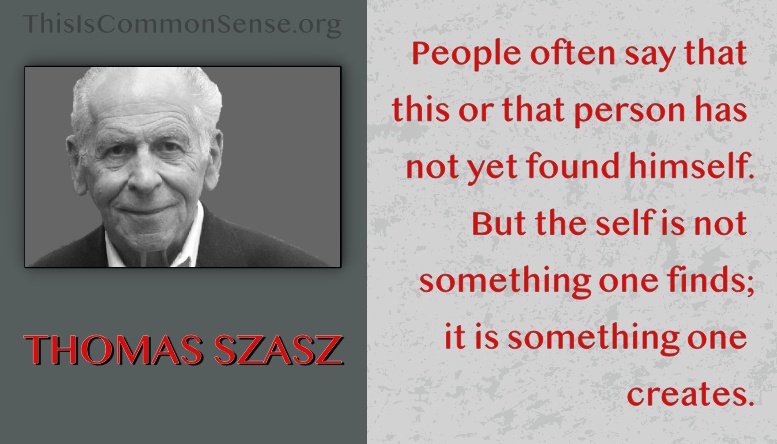
Thomas Szasz

People often say that this or that person has not yet found himself. But the self is not something one finds; it is something one creates.

Thomas Szasz, The Second Sin (1973), p. 49.
Categories
Today

From Birmingham Jail

Dr. Martin Luther King, Jr., penned his Letter from Birmingham Jail while incarcerated in Birmingham, Alabama, for protesting segregation, on April 16, 1963.

Categories
audio podcast

Listen: It’s So Over!

The week’s whole gamut, from China to trans to lagtime fever:

Categories
Thought

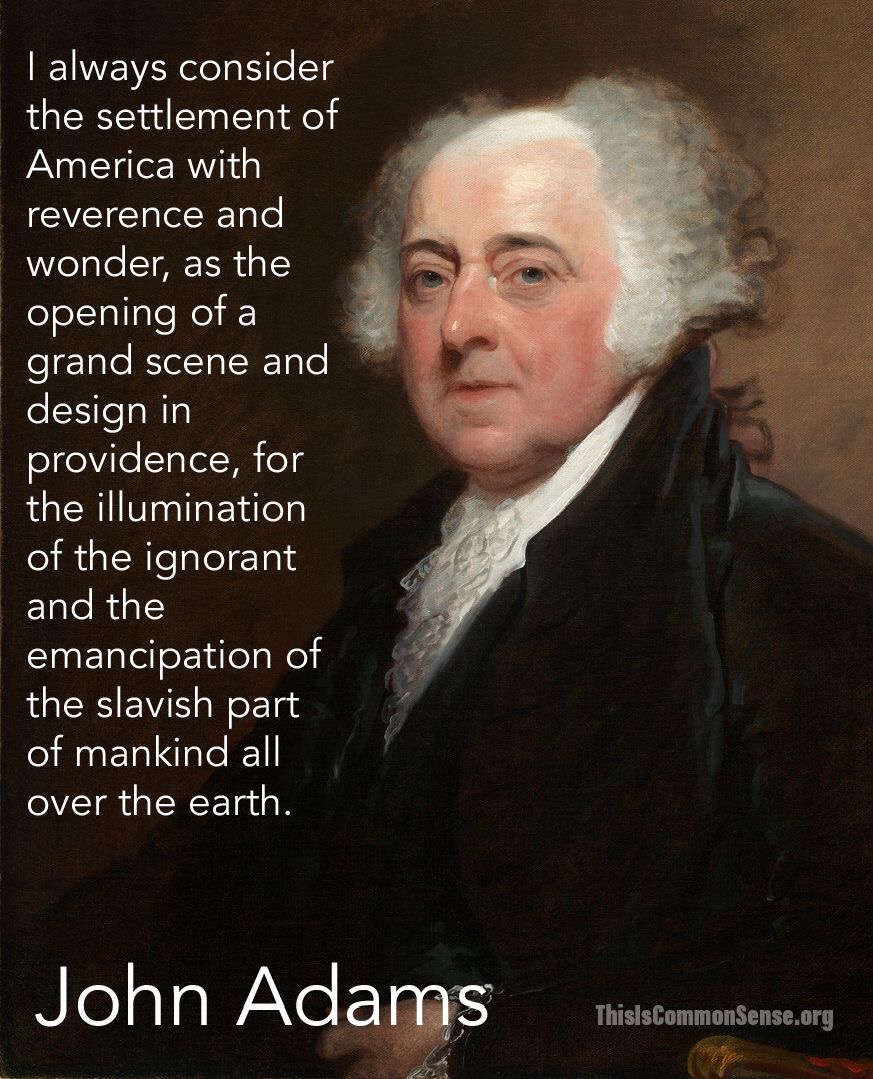
John Adams

I always consider the settlement of America with reverence and wonder, as the opening of a grand scene and design in providence, for the illumination of the ignorant and the emancipation of the slavish part of mankind all over the earth.

John Adams, in Charles Francis Adams, The Works of John Adams, Second President of the United States: Life of John Adams (1856).
Categories
Today

Bergen-Belsen Liberated

On April 15, 1945, the Bergen-Belsen concentration camp was liberated.

Categories
general freedom national politics & policies too much government

It’s Over But It Isn’t

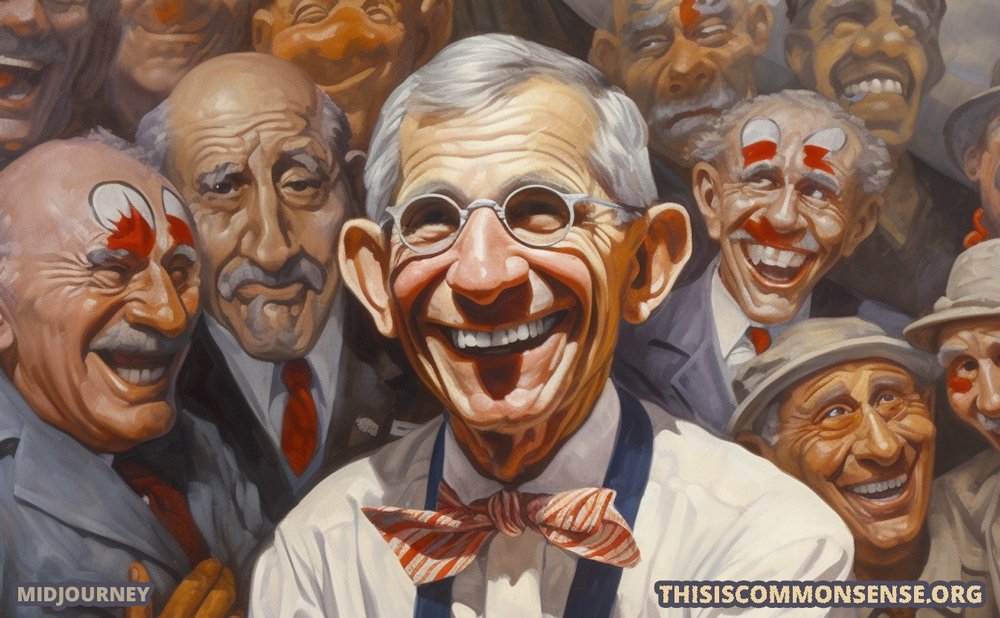
Is the pandemic over?

On March 29, House Joint Resolution 7 passed with a 68–23 margin in the Senate: 47 Republicans and 21 Democrats voting Yea. Earlier this week, Joe Biden signed it into law.

But, as The Epoch Times explains, that resolution “states that the pandemic national emergency ‘is hereby terminated,’” but “does not impact the public health emergency, which is still scheduled to terminate on May 11.” 

But that lag — why terminate one (“national”) emergency footing and leave the other (“public health”) to linger for another month?

It’s worse than that, though. Back in September, President Biden told 60 Minutes that the pandemic was over, noting then that “no one’s wearing masks; everybody seems to be in pretty good shape.”

The administration offers bureaucratic rationales for the lagtime. But its impact on you and me is said to be zero: “To be clear, [the] continuation of these emergency declarations until May 11 does not impose any restriction at all on individual conduct with regard to COVID-19,” explains a January letter from the Biden administration to Congress.

Repeat that: the continuation of the emergency declarations does not impose any restriction at all on individual conduct. Which should have been true from the beginning, for the Constitution does not provide any powers to the general government over individuals on these matters.

Does public health really need another month of crisis . . . after acknowledging there isn’t a crisis anymore?

At least, there is a May 11th at the end of the tunnel.

This is Common Sense. I’m Paul Jacob.


PDF for printing

Illustration created with Midjourney

See all recent commentary
(simplified and organized)
See recent popular posts