There are people with whom everything they consider a means turns mysteriously into an end.
Karl Wilhelm Friedrich von Schlegel, Philosophical Fragments, P. Firchow, trans. (1991) § 428.
Categories
Friedrich Schlegel

There are people with whom everything they consider a means turns mysteriously into an end.
Karl Wilhelm Friedrich von Schlegel, Philosophical Fragments, P. Firchow, trans. (1991) § 428.

March 15 was “the Ides of March” in the Roman calendar. On that date in 44 BC, Julius Caesar, Dictator of the Roman Republic, was stabbed to death by a handful of prominent senators.
On the same date in 1783, General George Washington eloquently entreated his officers not to support the Newburgh Conspiracy. His plea was successful: the threatened coup d’état never took place.
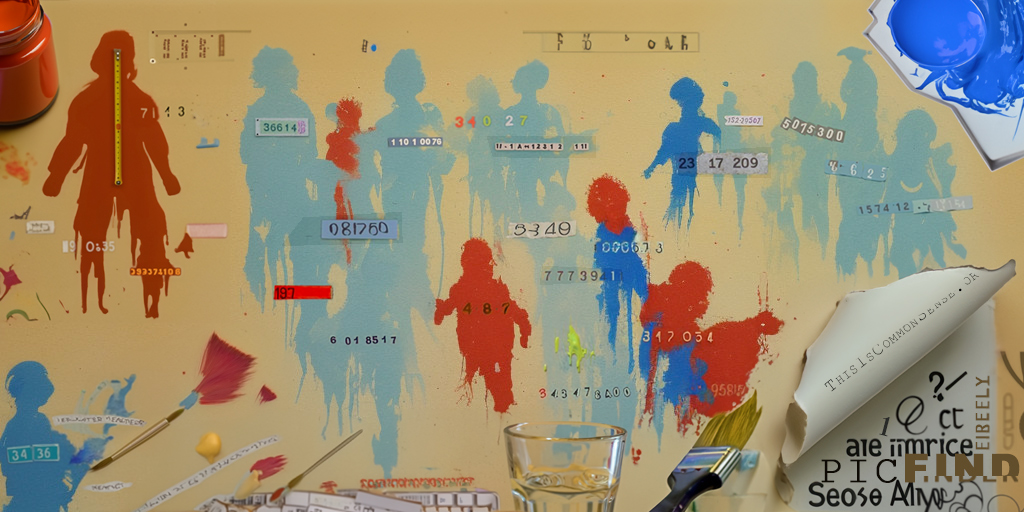
U.S. District Judge Mark Pittman has ruled that a federal agency established to give subsidies to businesses, in its current form called the Minority Business Development Agency, may no longer use race or ethnicity as a criterion for distributing benefits.
The ruling comes in response to a lawsuit filed by the Wisconsin Institute for Law & Liberty on behalf of three business owners who weren’t allowed to apply for help from the MBDA because they’re white. The plaintiffs argue that the Agency violates the constitutional requirement of equal treatment under
According to Judge Pittman, although “the Agency may intend to serve listed groups, not punish unlisted groups, the very design of its presumption punishes those who are not presumptively entitled to MBDA benefits.”
Supporting rights-based governance, I’m no fan of any welfare programs. As long as we have them, though, why should the handouts or the ability to apply for them be determined by race?
Government-imposed racial discrimination is unjust on its face. It should be extirpated wherever it exists. The Minority Business Development Agency is one of
If Pittman’s ruling is allowed to stand, it may have a salutary effect on many other agencies and programs.
The MBDA’s name presents a problem, however.
I guess it won’t be too hard to remove the word “Minority” and call the agency the Business Development Agency.
Or just shut it down.
This is Common Sense. I’m Paul Jacob.
Illustration created with PicFinder and Firefly
See all recent commentary
(simplified and organized)
See recent popular posts

The old Romans all wished to have a king over them because they had not yet tasted the sweetness of freedom.
Titus Livius, History of Rome, Book I, §17.

On March 14, 1900, the Gold Standard Act was ratified, ending the long practice of bimetallism by placing the United States Treasury — and banking and currency — on the gold standard.

The CHIPS and Science Act of 2022 created a giant package of subsidies that shouldn’t exist to begin with and is made even worse by all the strings attached.
The Act authorizes giving $52 billion of taxpayer money to microchip manufacturers to make chips in the U.S. The boost to domestic production will supposedly help us if China invades Taiwan and disrupts Taiwan’s globe-leading microchip industry.
But chipmakers eligible for the largesse are recoiling from all the embedded DEI mandates. “DEI” means “diversity, equity, and inclusion.” It’s a collectivist mantra and ideology designed to make employers fret about racial and gender quotas and DEI indoctrination at the expense of hiring qualified people and making high-quality microchips.
According to Matt Cole and Chris Nicholson, writing for The Hill, nineteen sections of the Act are devoted to DEI. One gives the Department of Commerce a mission that Commerce describes as “strengthening the U.S. semiconductor ecosystem” by ensuring “significant investments to create opportunities for Americans from historically underserved communities.”
The authors believe that CHIPS is “so loaded with DEI pork that it can’t move.” Worse, it’s making it hard for chipmakers to move, forced to focus away from making microchips and, instead, onto the wasteful exercise of appeasing regulators.
Now that they are finally about to get CHIPS funding, Intel and others are delaying announced factories and foundries on U.S. sites and instead going ahead with more overseas plants.
I guess they want to get stuff done.
This is Common Sense. I’m Paul Jacob.
Illustration created with PicFinder and Firefly
See all recent commentary
(simplified and organized)
See recent popular posts

Imaginary evil is romantic and varied; real evil is gloomy, monotonous, barren, boring. Imaginary good is boring; real good is always new, marvelous, intoxicating.
Simone Weil, Gravity and Grace (1947; 1997 edition), p. 120.
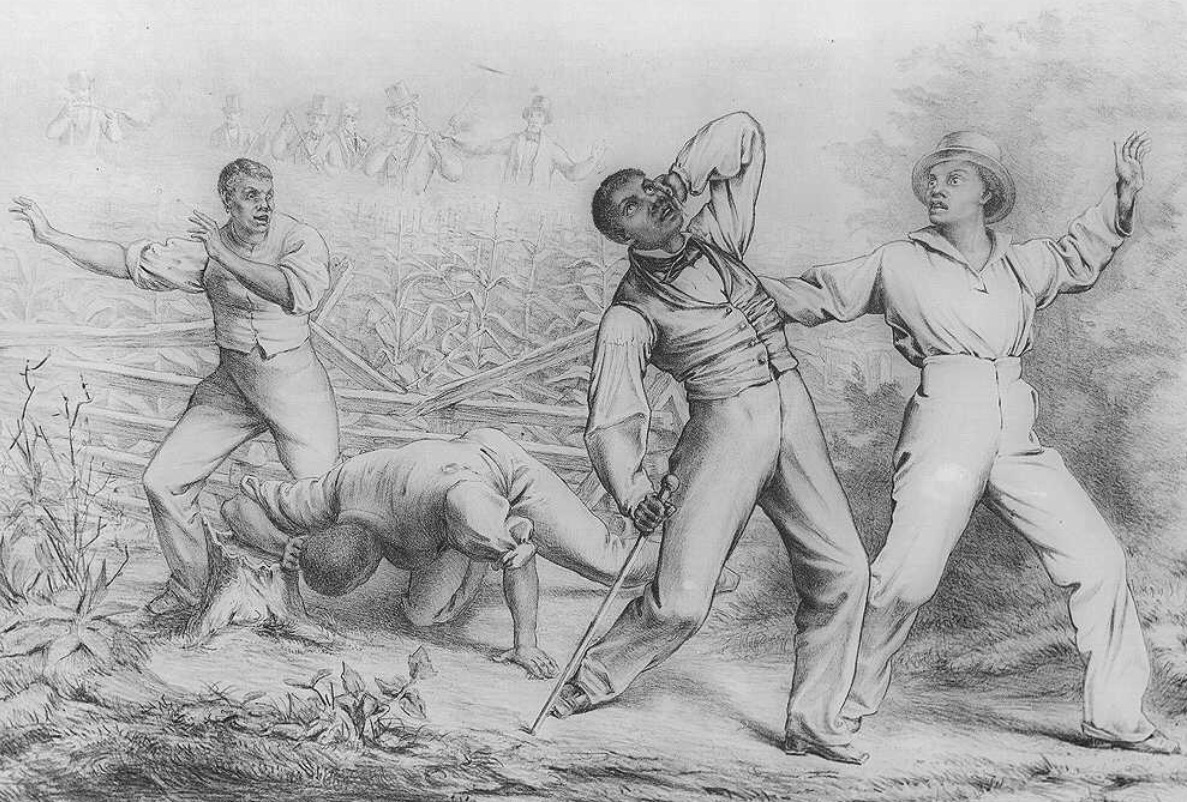
On March 13, 1862, the U.S. federal government forbade all Union army officers from returning fugitive slaves, thus effectively annulling the Fugitive Slave Act of 1850 and setting the stage for the Emancipation Proclamation.

The State of the Union address, last week, was performed before Congress by a man so hopped-up on stimulants that . . . one looks for precedents. Not among the U.S. Presidents, though, but among the Chancellors — the “schkankily clankily” guy, as Norm Macdonald referred to him; the man who is known to have
I bring up precedents because Biden’s writers
The address began by memorializing President Franklin Delano Roosevelt’s 1941 address before Congress, in which FDR used the word “unprecedented.” Biden’s speech writers take this as an occasion to use the word. “Now it is we who face an unprecedented moment in the history of the Union.”
And then proceed to mention more precedents for the “unprecedentedness” of it all.
It’s almost as if they don’t know the meaning of
The biggest precedent is the pure partisan nature of the message, which — instead of performing a sober constitutional duty to give Congress the president’s view of the union of the states — has become, in recent years, a simplistic barrage of invective against the president’s opposing party.
This year’s SOTU address was worse than ever on the partisan divide, with “populist” attacks upon the SCOTUS for allowing Roe v. Wade to fall, and relentless attacks on Republicans. The most interesting and substantive topic was Social Security, with the usual (quite precedented) promise to shore it up with tax increases . . . on the rich. (Reason magazine took the idea seriously and found its fault.)
Thankfully, Biden’s writers avoided the biggest State of the Union cliché of all: the traditional pronouncement that the state of the union “is sound.”
It is not.
This is Common Sense. I’m Paul Jacob.
Illustration created with PicFinder and Firefly
See all recent commentary
(simplified and organized)
See recent popular posts
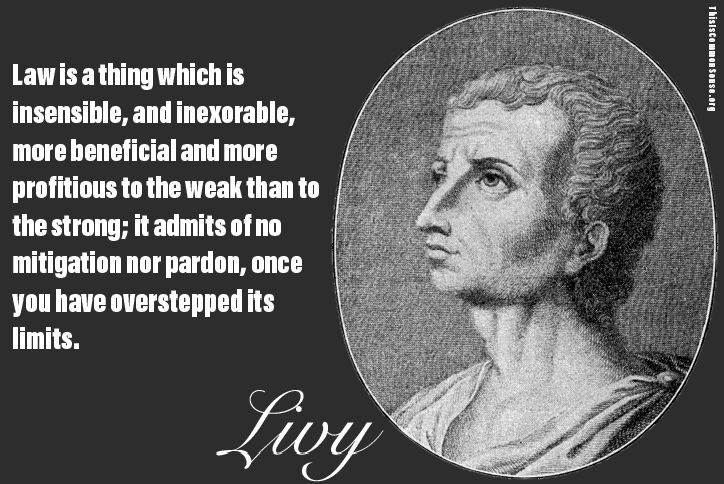
Law is a thing which is insensible, and inexorable, more beneficial and more profitious to the weak than to the strong; it admits of no mitigation nor pardon, once you have overstepped its limits.
Titus Livius, History of Rome, Book II, §3.