The fight for freedom doesn’t stop at the border.
Hong Kongers, we are with you.
Your protest against continued tyranny by mainland China is a just cause. The Communist Party of China may no longer be in Marx’s pocket, but its members remain greedy and dictatorial and oppressive.
Leung, the governor of Hong Kong, refuses to step down. Tyrants do cling to power. (No term limits for them!) But the people have every right to demand his ouster under a principle established in our own revolution: Government must rest upon the consent of the governed.
I have no idea how this will all turn out. Ever since the Tiananmen protests, a generation ago, I’ve harbored hope: a freer future for the Chinese. But I know they are up against a juggernaut, an extremely entrenched exploiter class. The Tiananmen protests were violently put down, suppressed. Will Hong Kong’s be?
I think the people of Hong Kong know what they’re up against. All Chinese people know how corrupt and dangerous their government is. But the details, the exact history of the crimes? Not so much. Kept under wraps. Still, the people of Hong Kong developed a taste for freedom under the Brits. If not a taste for democratic elections. Now they are demanding both electoral democracy and democratic freedoms.
The protesters “occupying” Hong Kong have American analogues. But are they “Occupier” or “Tea Party”?
They aren’t demanding socialistic levels of more government. And they aren’t trespassing, or committing crimes. And they pick up after themselves.
That’s the way to “occupy” a city: For freedom, responsibly.
This is Common Sense. I’m Paul Jacob.
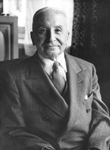 It has been observed by eminent economists, I think first by the late Frank A. Fetter, that the market is a democracy in which every penny gives a right to vote. It would be more correct to say that representative government by the people is an attempt to arrange constitutional affairs according to the model of the market, but this design can never be fully achieved.
  On October 4, 2004, SpaceShipOne became the first private craft to fly into space, thereby winning the Ansari X Prize for private spaceflight.
 On October 3, 1919, James M. Buchanan was born. Buchanan would go on to an illustrious career in economics, developing the theory of “Public Choice,” and receiving the 1986 Nobel Memorial Prize in Economic Sciences for his work. His books include “Cost and Choice,” “The Calculus of Consent” (with Gordon Tullock), and “The Limits of Liberty: Between Anarchy and Leviathan.”
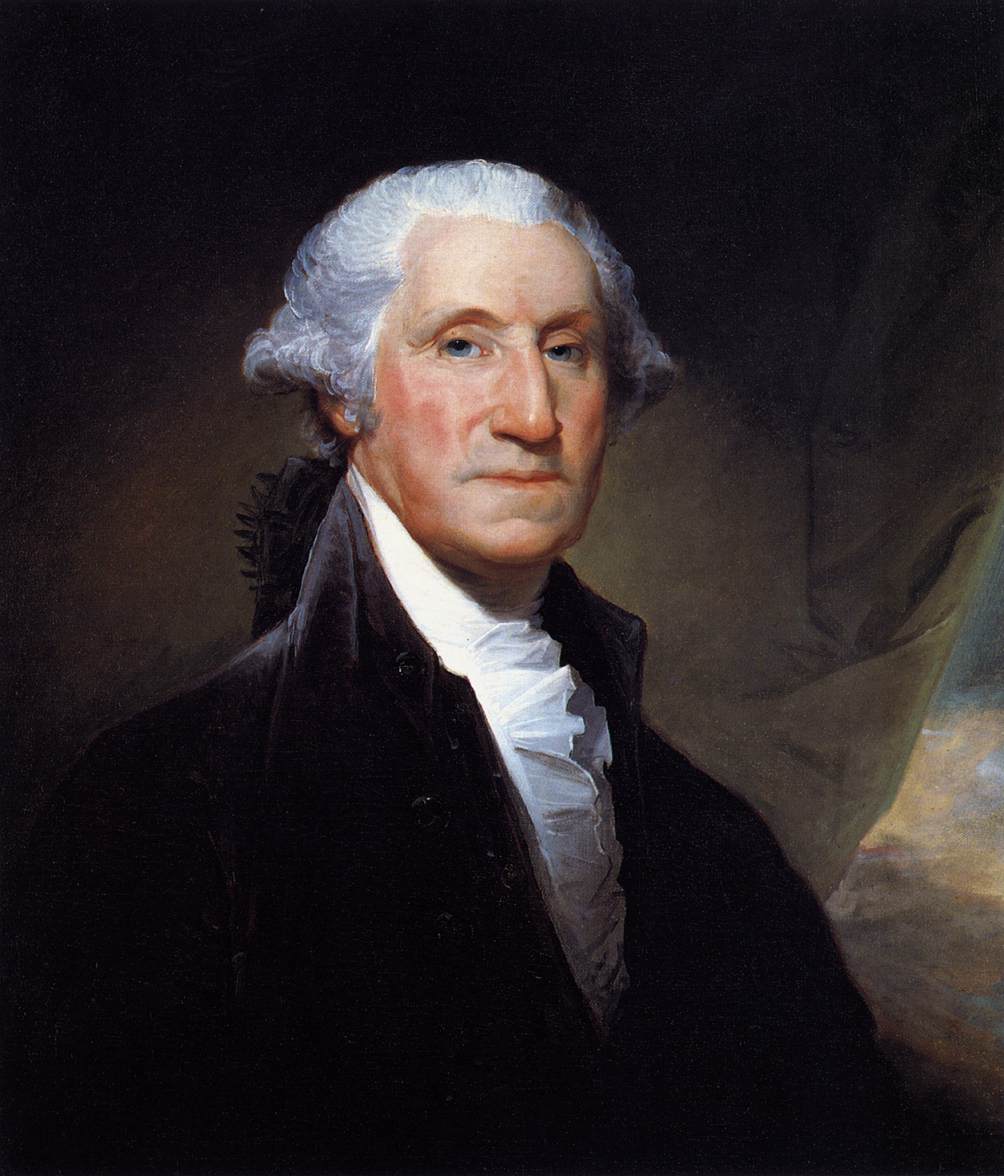 On October 2, 1789, George Washington sent the proposed Constitutional amendments (the United States Bill of Rights) to the States for ratification.