On October 18, 1775, African-American poet Phillis Wheatley was freed from slavery, upon the death of her master. Widely appreciated in her day, she was the first African-American to publish a book.
Niels Bohr
Prediction is very difficult, especially if it’s about the future.
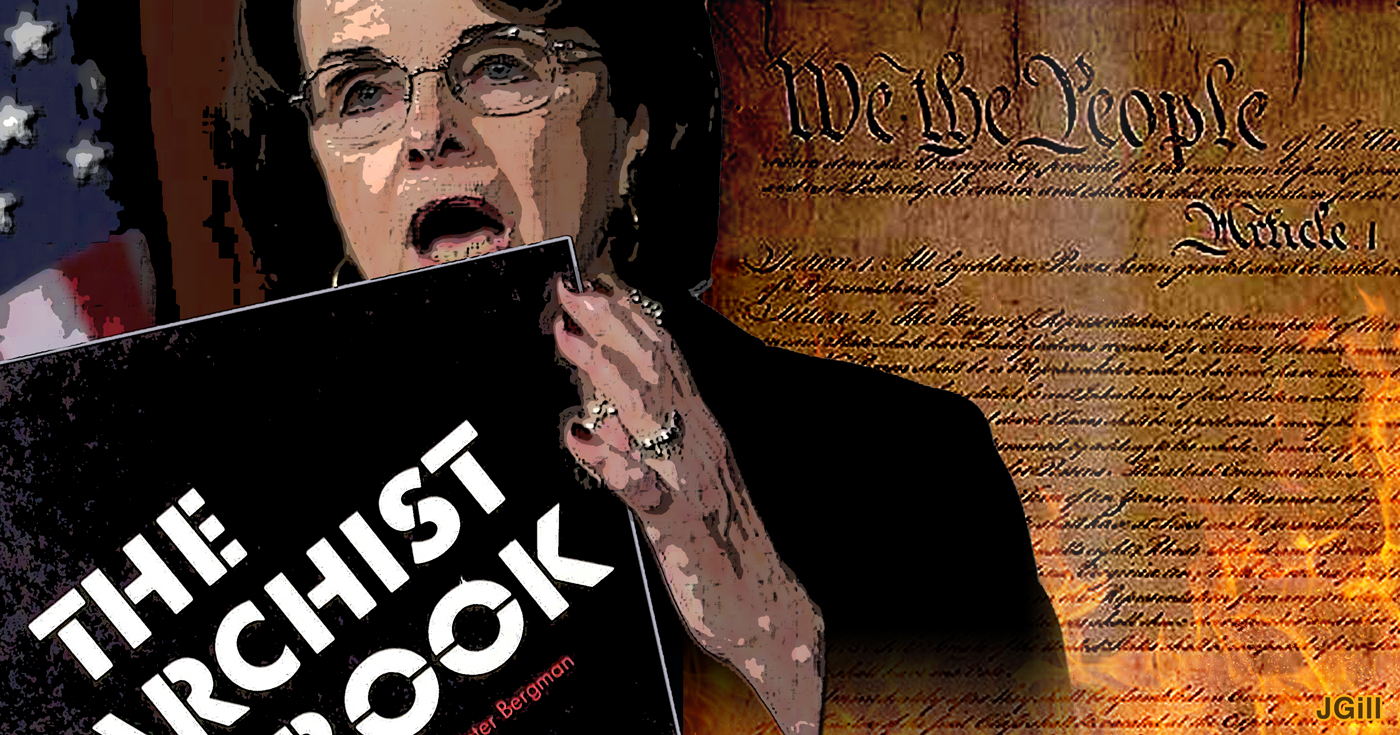
Many politicians serve as powerful arguments for term limits. Arkansas State Senator Jon Woods rivals the best.
Sen. Woods (R-Springdale) and State Rep. Warwick Sabin (D-Little Rock) authored a 22-page, 7,000-word constitutional amendment on this November’s ballot. They say Issue 3 is about ethics and transparency.
You decide.
Woods and Sabin threw together various ethics provisions and then stuck in a gutting of term limits. Their ballot title reads it is “establishing term limits” — without bothering to inform voters that it doubles how long legislators can stay in the Senate and more than doubles the House limit — to a whopping 16 years!
This week, Arkansas Term Limits debuted TV ads alerting the public to the scam, charging that legislators have “pursued a campaign of silence . . . letting the deceptive ballot title do their work,” so that “when Arkansas voters go to the polls there will be no mention of the doubling of term[s].”
The unrepentant Sen. Woods says that it is “misleading” to call his Issue 3 deceptive. Meanwhile, the Arkansas Democrat-Gazette reports that, after asking if Woods’s ballot language wasn’t indeed deceptive: “Woods said he doesn’t know.”
The senator’s response to the Arkansas GOP Convention’s nearly unanimous resolution against Issue 3? “You just have a couple of nuts that got together on a Saturday that were out of touch with Arkansans and passed a silly resolution that in no way reflects the point of view of all Republicans in Arkansas.”
Perhaps Democratic politicians are smarter. Democratic co-author Sabin is nowhere to be found in news coverage of Issue 3, likely hiding under his bed.
This is Common Sense. I’m Paul Jacob.
October 17, Einstein
On October 17, 1933, Albert Einstein fled Nazi Germany for the United States.
Niels Bohr
The best weapon of a dictatorship is secrecy, but the best weapon of a democracy should be the weapon of openness.
Albert Jay Nock
The primary reason for a tariff is that it enables the exploitation of the domestic consumer by a process indistinguishable from sheer robbery.
“Since 9/11, under just one program police have taken two-and-a-half billion dollars in the course of over 61,000 seizures of cash alone, from people who . . . were not charged with a crime. That is the sort of behavior we laugh at other countries for, along with their accents and silly hats.”
So says a prime-time TV comedian who devotes more than 15 minutes of his monologue to exposing and critiquing the malignant practice of “civil forfeiture,” which lets cops grab and keep your cash just because it’s there.
You won’t find such an extended, mostly spot-on critique of civil forfeiture — bolstered by Q&A with the likes of Ezekiel Edwards and Scott Bullock — delivered by a “Tonight Show” or “Late Night” host. The credit goes to John Oliver (HBO’s “Last Week Tonight”), who finds plenty to satirize in the contradictions and silliness of “law enforcers” who function as thieves.
Much of the work is done for him. Oliver doesn’t have to try too hard, for example, to poke fun at the Funk Night raid, caught on video. The police seized 48 cars, contending, “simply driving vehicles to the location of an unlawful sale of alcohol was sufficient to seize a car.” Says Oliver: “Which means you might as well seize any car being driven by any teen on prom night.”
I’ve been more or less indifferent to the fate of John Oliver’s new HBO show; but now I say, ardently, “Live long and prosper!”
This is Common Sense. I’m Paul Jacob.
On October 16, 1781, George Washington captured Yorktown, Virginia, after the Siege of Yorktown.
October 16 is a traditional date to award Nobel Peace Prizes, good (Desmond Tutu, 1984), and bad (Henry Kissinger, 1973). Two Nobel laureates were born on October 16, as well: Austen Chamberlain, English statesman, saw daylight first in 1863; Eugene O’Neill, American playwright and Nobel Laureate for Literature, made his debut in 1888.
Is “Less Big” Possible?
The idea of a streamlined welfare state is utterly foreign in today’s political climate. Offering some social services, but not others? Anathema — at least to our “progressives.”
It is also, even more obviously, not nurtured by current political process.
After all, we’ve witnessed two major expansions in “welfare” programs in the last decade, the bipartisan Medicare “Part D” and the Democrats’ “Obamacare.” The first was underfunded from the start, and the second was and remains a mess. Both are financial time bombs.
But if you think America has it bad, it’s worse in France.
Jean Tirole, the new (just announced) Nobel Laureate in Economics, calls the condition of the French labor market “catastrophic.” And he thinks France’s government has to be smaller.
Now, he’s no heir to J.-B. Say and Fredéric Bastiat. He does not support an extremely limited government, a “nightwatchman” state. He says he likes France’s basic model. But it has grown too far in size and scope:
Tirole remarked that northern European countries, as well as Canada and Australia, had proven you could keep a welfare social model with smaller government. In contrast, he said France’s “big state” threatened its social policies because there will not be “enough money to pay for it in the long run.”
He’s basically just demanding that government live within its means.
It’s not too far from common Tea Party sentiment.
But tell that to your average progressive pol. Or blogger. Or activist. Given protective cover for ever-growing spending by the likes of New York Times’s Nobel columnist, Paul Krugman, any idea of federal spending cutbacks have been and remain off limits.
Maybe Professor Tirole can convince them.
This is Common Sense. I’m Paul Jacob.
Dreyfus Affair begins Oct 15
On October 15, 1894, Alfred Dreyfus was arrested for spying: The Dreyfus Affair begins.