Grover Norquist makes a good case:
Categories
Grover Norquist makes a good case:
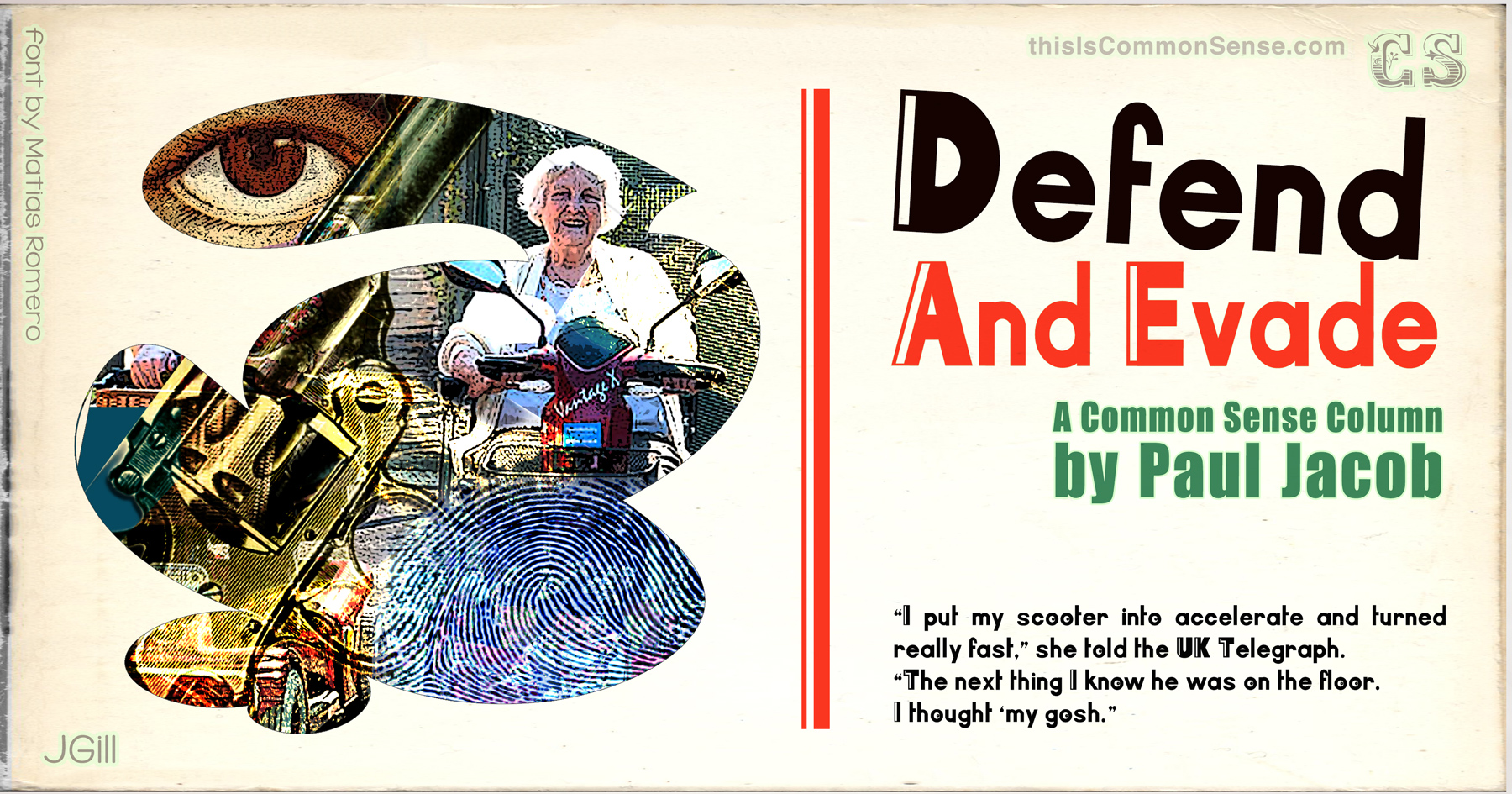
Are you ever too old to stop a mugger? Not if your mobility scooter is ready to go.
This conclusion is informed by the example of 92-year-old Eileen Mason, who was with her 75-year-old friend, Margaret Seabrook, when a mugger tried to make off with the contents of a scooter basket.
The two British great-grandmothers were returning from a lunch club in Wiltshire as the thief approached and targeted the older of the two.
When he grabbed Eileen Mason’s arm and reached for the bag, she shouted “Oh no you don’t” — at her maximum volume.
“I put my scooter into accelerate and turned really fast,” she told the UK Telegraph. “The next thing I know he was on the floor. I thought ‘my gosh.’ Something in me just told me to turn so I squeezed the accelerator and turned and he went flying. He was so evil looking.”
If you like this story, don’t miss the ones about the grandma who used a handbag to stop a jewel-store robbery, or the grandma who trapped a burglar in a shed.
Margaret Seabrook says they want their experience to teach people “not [to] leave things on display in their baskets. . . .”
That’s one lesson — don’t make yourself an unnecessarily tempting target. But the other thing is be prepared . . . to defend and evade.
If somebody is gearing up to rob you, be ready to stop him. At least, if you can do so without too much risk to life, limb, or liberty.
Thanks, ladies.
This is Common Sense. I’m Paul Jacob.


Instead of civilization being artificial, it is a part of nature; all of a piece with the development of the embryo or the unfolding of a flower. The modifications mankind have undergone, and are still undergoing, result from a law underlying the whole organic creation; and provided the human race continues, and the constitution of things remains the same, those modifications must end in completeness.
Herbert Spencer, Social Statics: or, The Conditions essential to Happiness specified, and the First of them Developed (London: John Chapman, 1851), Chapter 1, § 4.
Current trends in public policy and law seem to be pointing not to consistent principles, but contradictory ones.
Wyoming just made it legal for farmers to sell directly to local customers, in such venues as farmers’ markets — without government inspection and conformity to the usual, clunky set of regulations that apply when selling to other businesses for resale.
The bill, recently signed into law by the governor, also allows neighbors to sell homemade foods to one another informally and at special community events like bake sales.
An obvious win for freedom. Who can argue against a free market in foodstuffs at the community level, where normal transactions tend to be customary and casual, and also obviously subject to regulation by reputation?
But government regulations still apply maximally to farmers and supermarkets and grocery chains. And yet, many of the arguments for local free markets apply equally to these currently controlled ones. Free competition would likely lead to the re-introduction of reputation economies into big agribiz markets. Could very well be transformative.
For our health.
After all, it’s not as if government has really helped us in this realm. We are right now working our way out of a government-sponsored health and diet paradigm that we are learning was exactly wrong.
The official “anti-fat” hysteria made us fat.
A more competitive approach, allowing for different philosophies to operate — as they can at the community level, with old recipes co-existing with the new-agey ones, as well as with non-pasteurized milk and organic farms and local cheese and everything else — would encourage new ways of meeting old food fears as well as accommodating new food fads.
Extend freedom. (Not waistlines.)
This is Common Sense. I’m Paul Jacob.
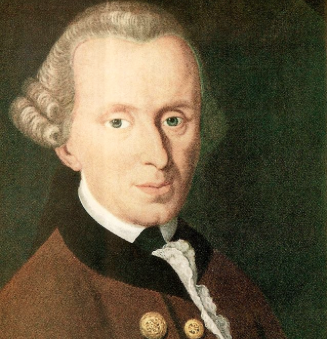
Human freedom is realised in the adoption of humanity as an end in itself, for the one thing that no-one can be compelled to do by another is to adopt a particular end.
Immanuel Kant, Metaphysics of Morals (1797), Part Two: “Metaphysics of Virtue.”
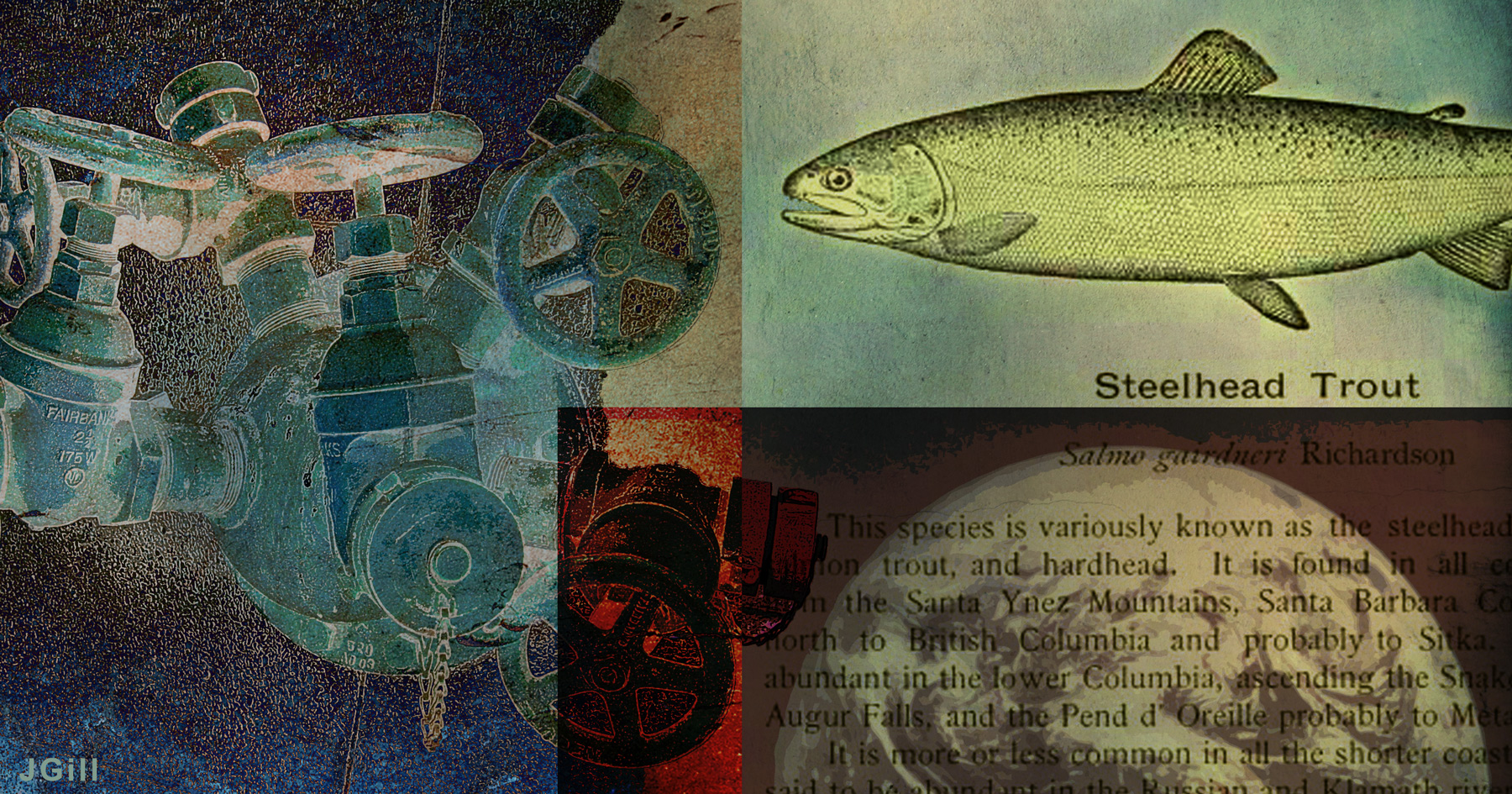
Arbitrary governmental pricing of water — as opposed to free-market pricing — provides one major reason why it’s so hard for Californians and others to deal with drought.
I’ve talked about it before. And, as before — indeed, as is so often the case when government constricts our freedom to “solve” problems — the do-badders are pursuing more than one line of attack.
Under-pricing plus edicts about how we may use water are bad enough, sure. But that kind of central planning is just one method of making it harder to quench thirst and water lawns and crops. Another method? Diverting massive amounts of water from the service of human needs in order to “help” a few expendable fish.
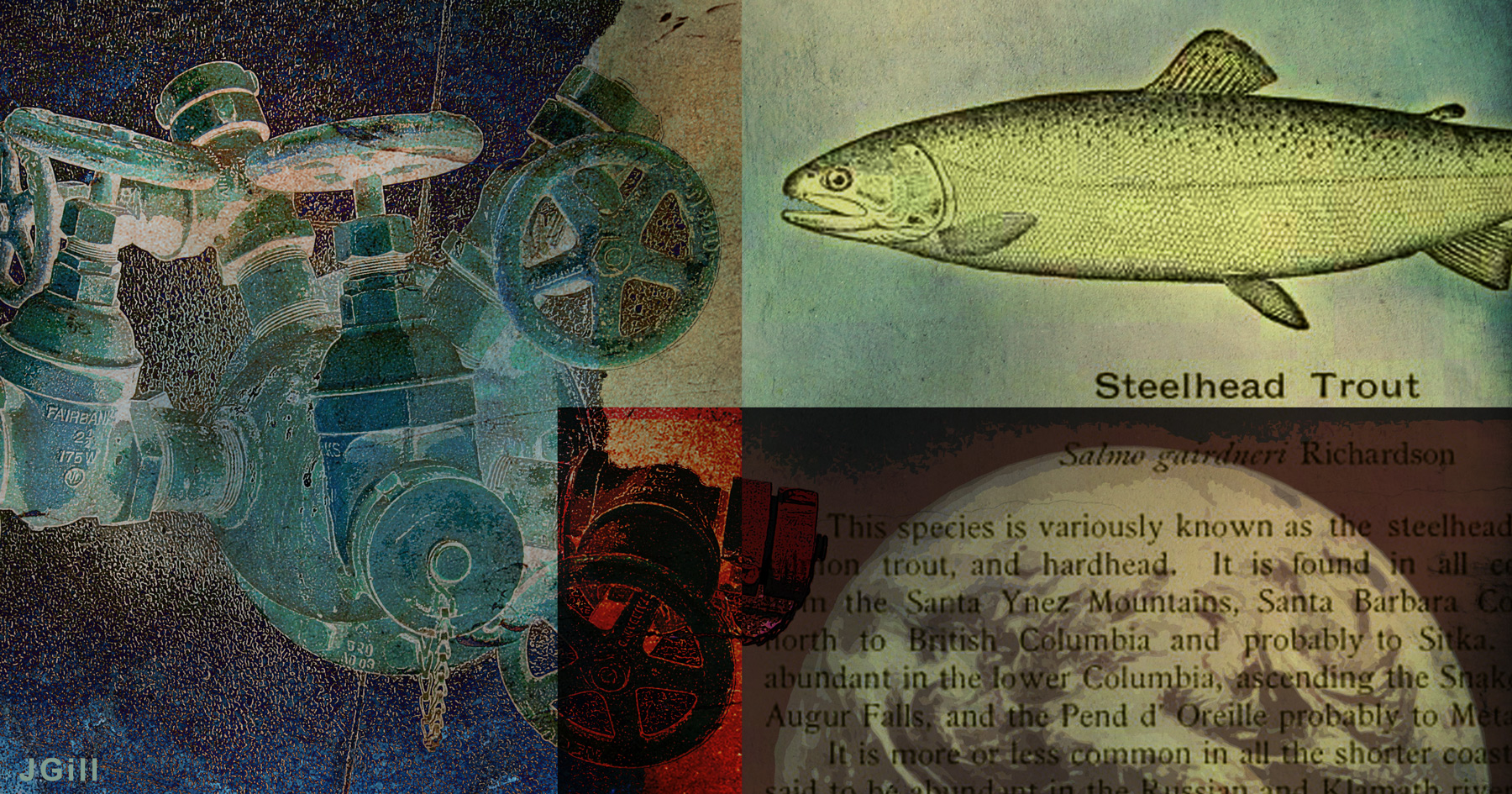
In his Reason article “California Drought a Shortage of Water or Common Sense?,” Steven Greenhut laments fishy schemes to lower reservoir levels and drain a lake near the Sierra foothills “to help coax a handful of steelhead trout to swim to the ocean.” Handful? Maybe not quite. Nine fish. A mere nine.
The Lake Tulloch Alliance estimated that up to $2 million in water value would have to be expended to save each individual fish.
Thanks to coverage like Greenhut’s and Stephen Moore’s, and the resultant public outcry — plus the eventual resistance of local water district officials to the environmental demands of state and federal agencies — this particular attempt by radical environmentalists to elevate fish life above human life has been deflected. At least for now.
But there are more battles to come.
This is Common Sense. I’m Paul Jacob.

“There’s two kinds of people in the world, the ones who need to be told and the ones who figure it out all by themselves.”
Tom Clancy, Without Remorse (1993), p. 231
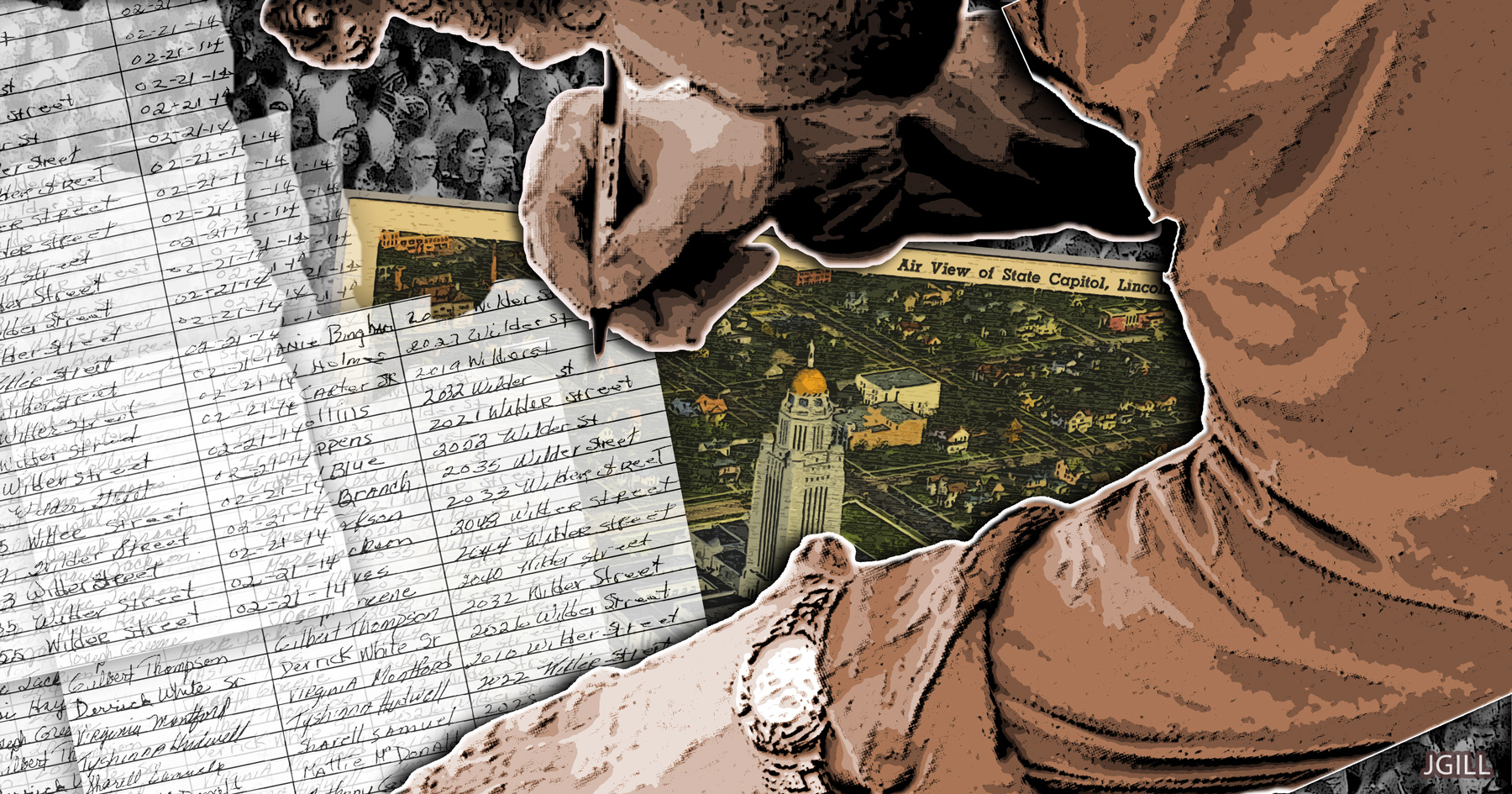
I mean Nebraska’s civil war, a 23-year schism between its unicameral legislature and what’s known as the state’s “second house” — that is, the people, acting through the initiative and referendum process, often checking the power of the first house.
Hero of the day? State Senator Mike Groene of North Platte, who championed Legislative Bill 367. Kudos also to the 42-0 vote of the Nebraska Legislature that enacted the measure, as well as to Governor Pete Ricketts for signing it into law.
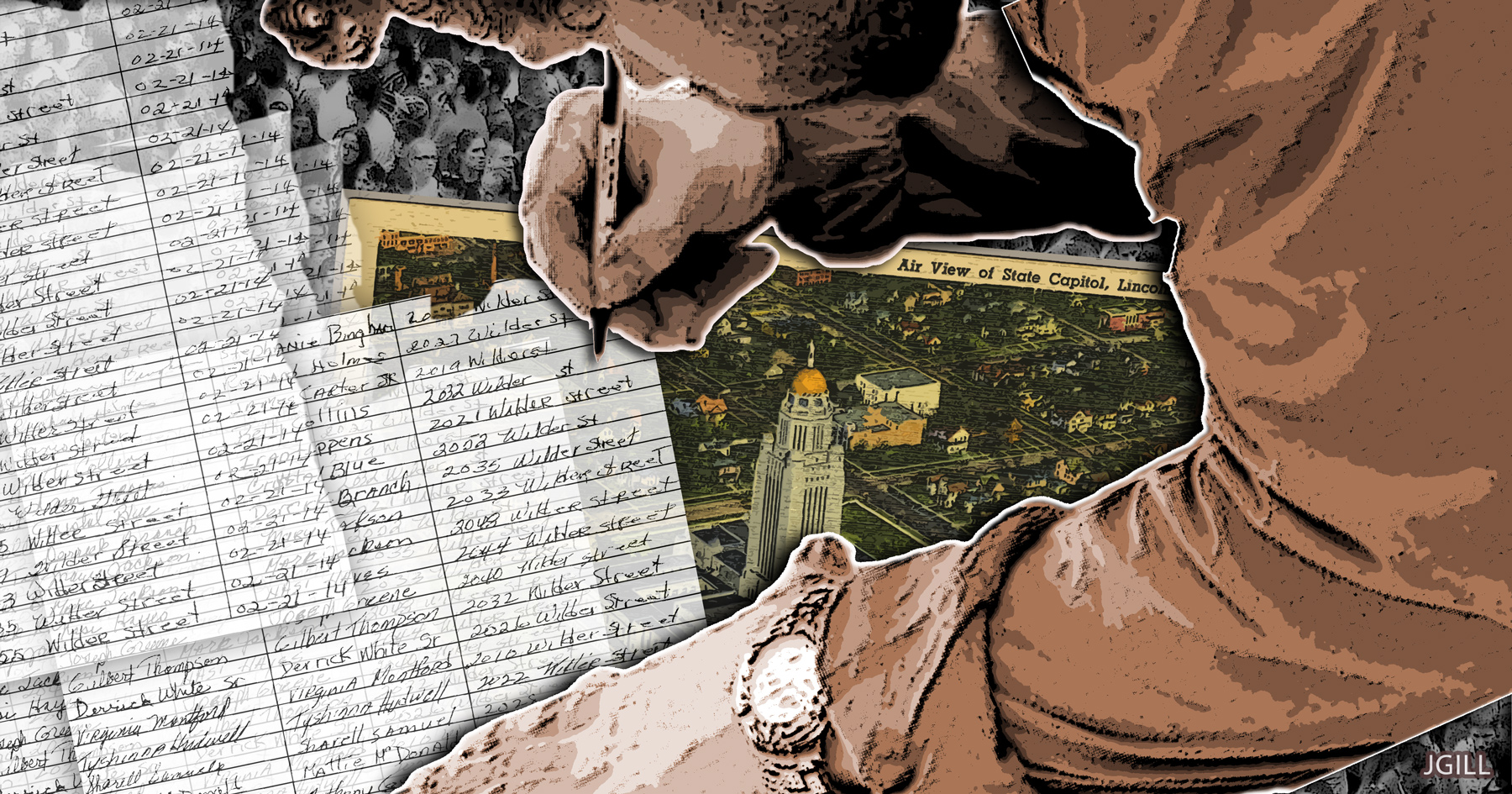
Groene, who has been politically active for years with the Western Nebraska Taxpayers Association, got into office as a result of term limits. His LB 367 reverses the state’s seven-year ban on paying petition circulators according to the number of signatures they gather. He convincingly argued that the ban had “really broken the back of people trying to take part in their government through the petition process.”
“It’s time for this body to call a truce,” Groene told fellow lawmakers, declaring that since term limits were first passed, citizens and their representatives had been locked in a “civil war.”
During that war, State Sen. Diane Schimek, a 20-year legislator about to be term-limited, successfully pushed legislation to restrict citizen petitions. Part of her measure was struck down as unconstitutional in Citizens in Charge v. Gale. Now the rest has been unanimously repealed by the state legislature.
Sen. Paul Schumacher of Columbus favored Groene’s bill, saying that legislators could use a more viable initiative check on their power. The unicameral’s attacks on citizen petitions were, he said, “reflective of a government that was afraid of its people.”
Now it’s peacetime in Nebraska.
This is Common Sense. I’m Paul Jacob.
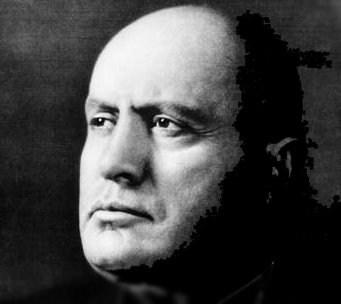
The Manifesto of Fascist Intellectuals was first published in Il Mondo, then by most Italian newspapers on April 21, 1925 — the national, anniversary-day celebration of the Founding of Rome (ca. April 21, 753 BC). Nowadays, all sorts of people call other people “fascist,” often on the shakiest of rationales. It might be a good idea to look up this original document, for a good idea what politics’ “f-word” really means. Here is an excerpt:
Fascism was . . . a political and moral movement at its origins. It understood and championed politics as a training ground for self-denial and self-sacrifice in the name of an idea, one which would provide the individual with his reason for being, his freedom, and all his rights. The idea in question is that of the fatherland. It is an ideal that is a continuous and inexhaustible process of historical actualization. It represents a distinct and singular embodiment of a civilization’s traditions which, far from withering as a dead memory of the past, assumes the form of a personality focussed on the end towards which it strives. The fatherland is, thus, a mission.
“The difference between me and you is that I do good fiction.”
Bestselling author Tom Clancy, to news reporters at the National Press Club (May 18, 1999)