“I believe that first and foremost I am an individual, just as you are.”
Henrik Ibsen, A Doll’s House (1879), Nora Helmer, Act III
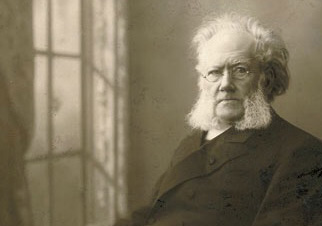
“I believe that first and foremost I am an individual, just as you are.”
Henrik Ibsen, A Doll’s House (1879), Nora Helmer, Act III
“You don’t get nothing for nothing in this life.”
Henrik Ibsen, A Doll’s House (1879), Dr. Rank, Act III
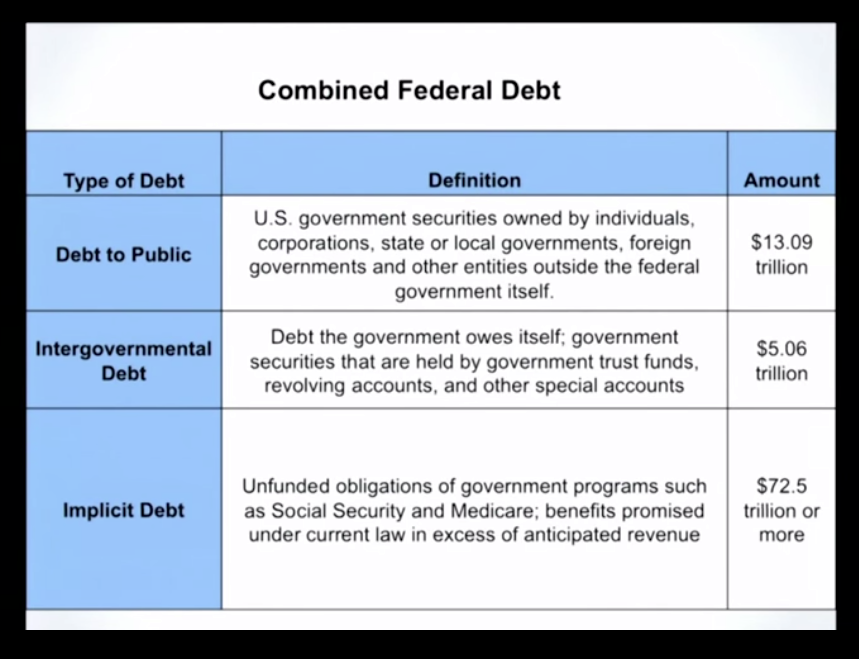
Michael Tanner of Cato Institute has a new book out, and it looks like it takes on the federal budget, deficits, and debt in an honest and realistic manner. This is what Americans need to understand. But will politicians ever tell the truth, the whole truth, and nothing but the truth?
“There can be no freedom or beauty about a home life that depends on borrowing and debt.”
Henrik Ibsen, A Doll’s House (1879),
Torvald Helmer, Act I

Doom is not always bad. I’d appreciate the doom of nonsensical doomsaying, for instance. . . although I doubt that that glorious day will dawn anytime soon.
Equally unlikely is an apology from ABC and Chris Cuomo for pitching, back in 2008, a muddled ABC special, “Earth 2100,” about all the disasters expected to arrive by 2015, among other years.
The idea? Forecast the harm inflicted by allegedly man-made global warming and collateral calamities, via the scientific methodology of being safely vague or just making stuff up. One way the network secured data was to ask viewers to pretend they’re in the future and then “report back.” (Well, it was 2008, a more primitive era. They did things like this back then.)
Here’s a sample of what ABC purveyed as possibly impending:
We still get storms. (Always had ’em; always will.) And inflationary Fed policy and other bad governance still swirl on the horizon. So let’s have shelter, fire departments, umbrellas, and market-friendlier policies; and let’s not reside on hurricane-prone beaches.
Thanks for the heads-up, Chris.
This is Common Sense. I’m Paul Jacob.

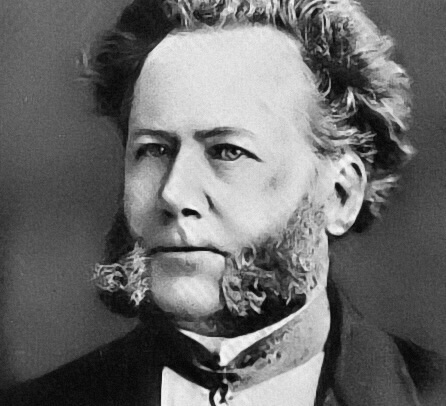
“The spirit of truth and the spirit of freedom — these are the pillars of society.”
Henrik Ibsen, The Pillars of Society (1877), Lona, Act IV.
How can the U. S. save $2.5 billion a year, reduce the federal workforce by 4,000 hires, and engage in a symbolic act of undoubted patriotism, all at the same time?
Get rid of the Department of Homeland Security.
Matt A. Mayer, a former DHS employee who claims to have “written more on DHS than just about anyone,” writes in Reason that dismantling DHS would increase co-ordination and decrease inefficiencies.
Since DHS was put in place, in 2003, to increase governmental co-ordination in the face of terrorist threats, Mayer’s charge that it serves the opposite cause should . . . give us pause.
Establishing the DHS didn’t get rid of turf wars. Why would it? It increased the turf rather than merely reroute chains of communication and command. All other agencies still exist. Extra turf exacerbates co-ordination difficulty.
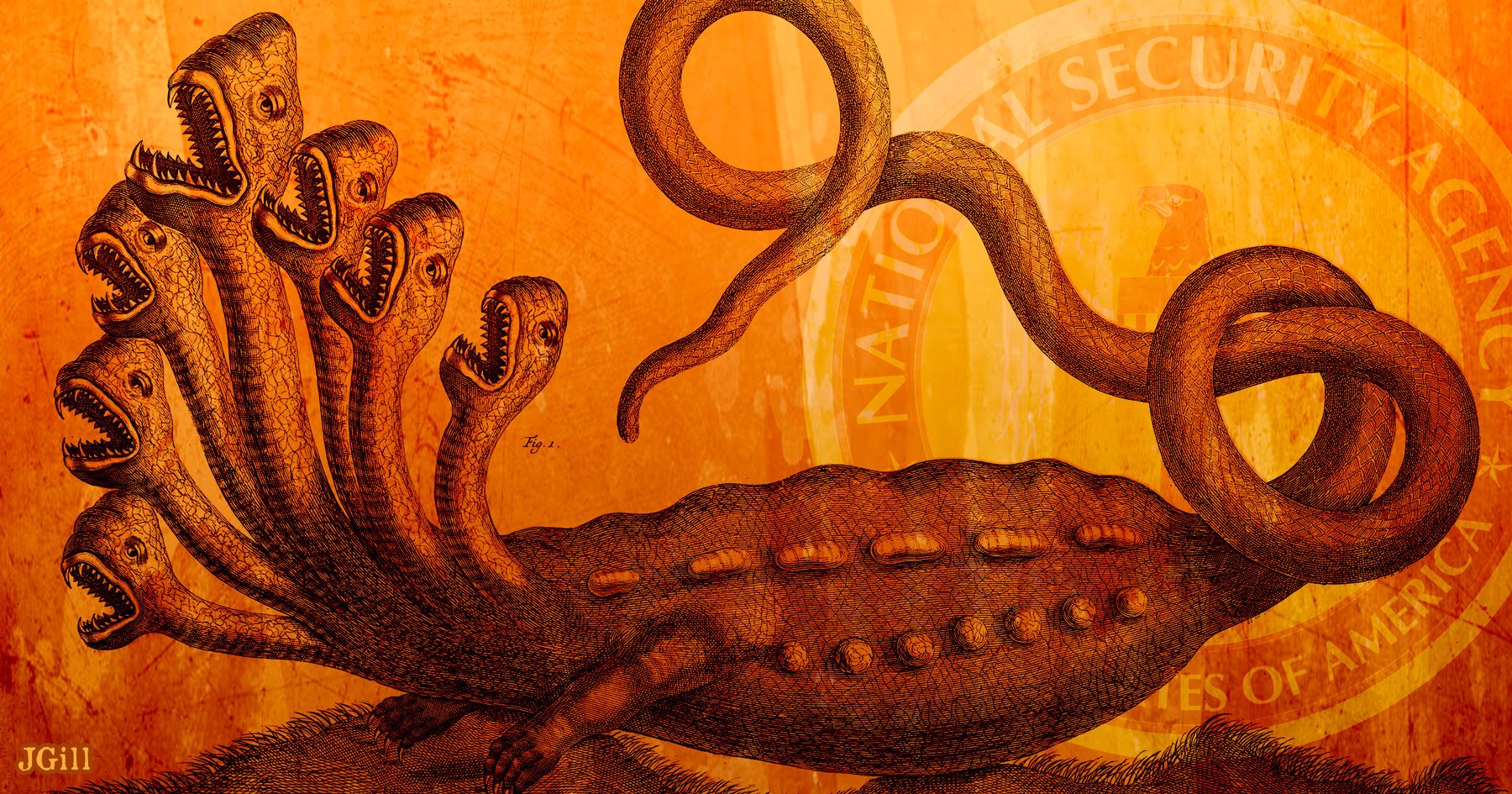
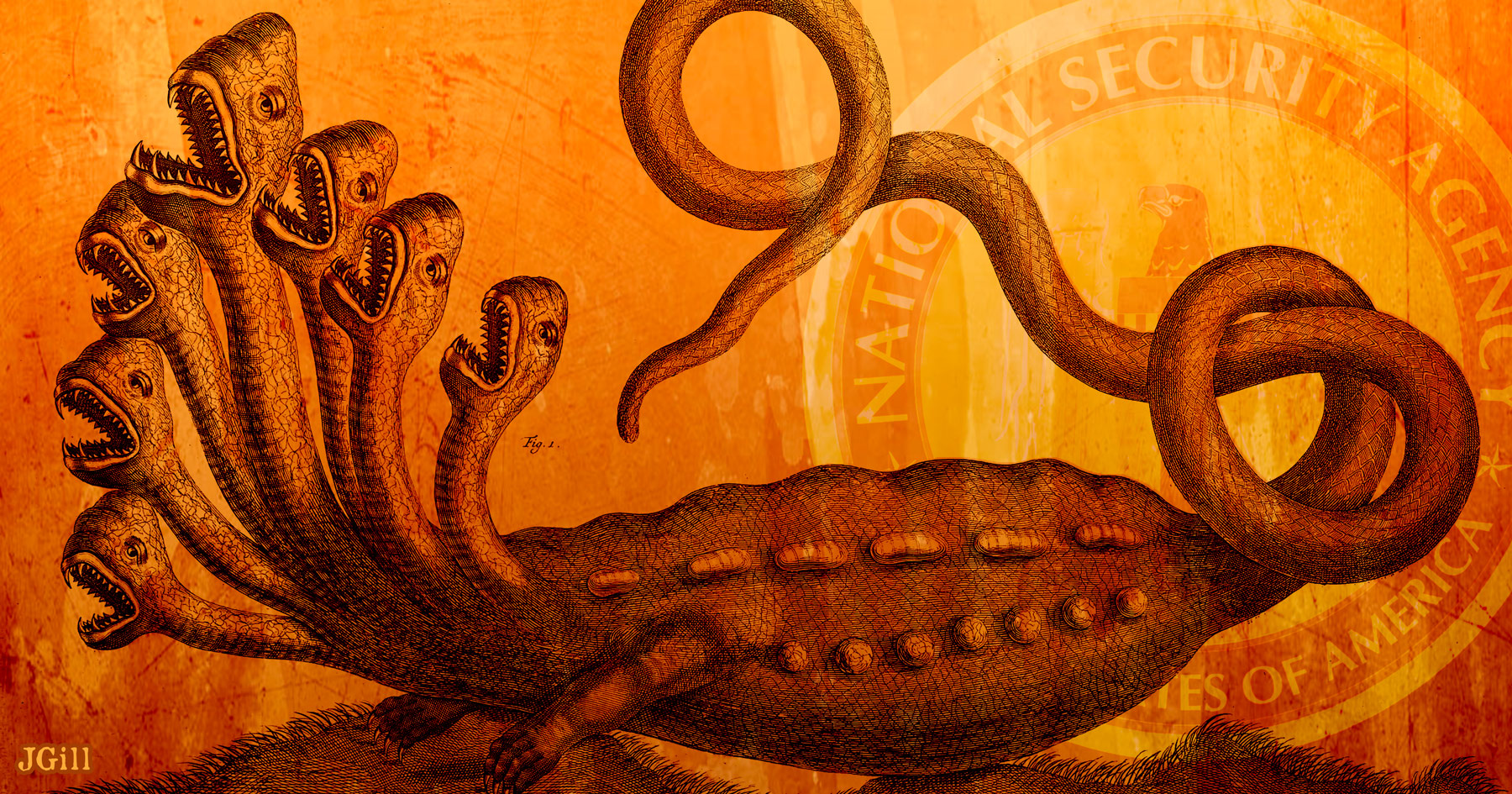
And then there’s what state and local law enforcement faces: “the multi-headed hydra.” The federal operation remains fragmented, which “only ensures that key items will fall through the cracks between these departments, whose personnel spend far too much time fighting each other for primacy than they should. Our enemies couldn’t ask for a more fertile environment within which to attack us.”
I added the italics, for emphasis.
Ever since Jimmy Carter ran for the presidency on consolidating bureaucratic departments in the nation’s capital, but delivered, instead, new departments, the “logic” of adding new bureaucracies onto old has proven to be the “easy answer” for insiders. But a transparent failure, for everyone else.
So, start over. Get rid of the inefficient monster.
And take heart: republics don’t have “homelands”; empires do. Let’s stop playing the wrong game.
This is Common Sense. I’m Paul Jacob.

Ambrose Bierce, The Devil’s Dictionary (1911)
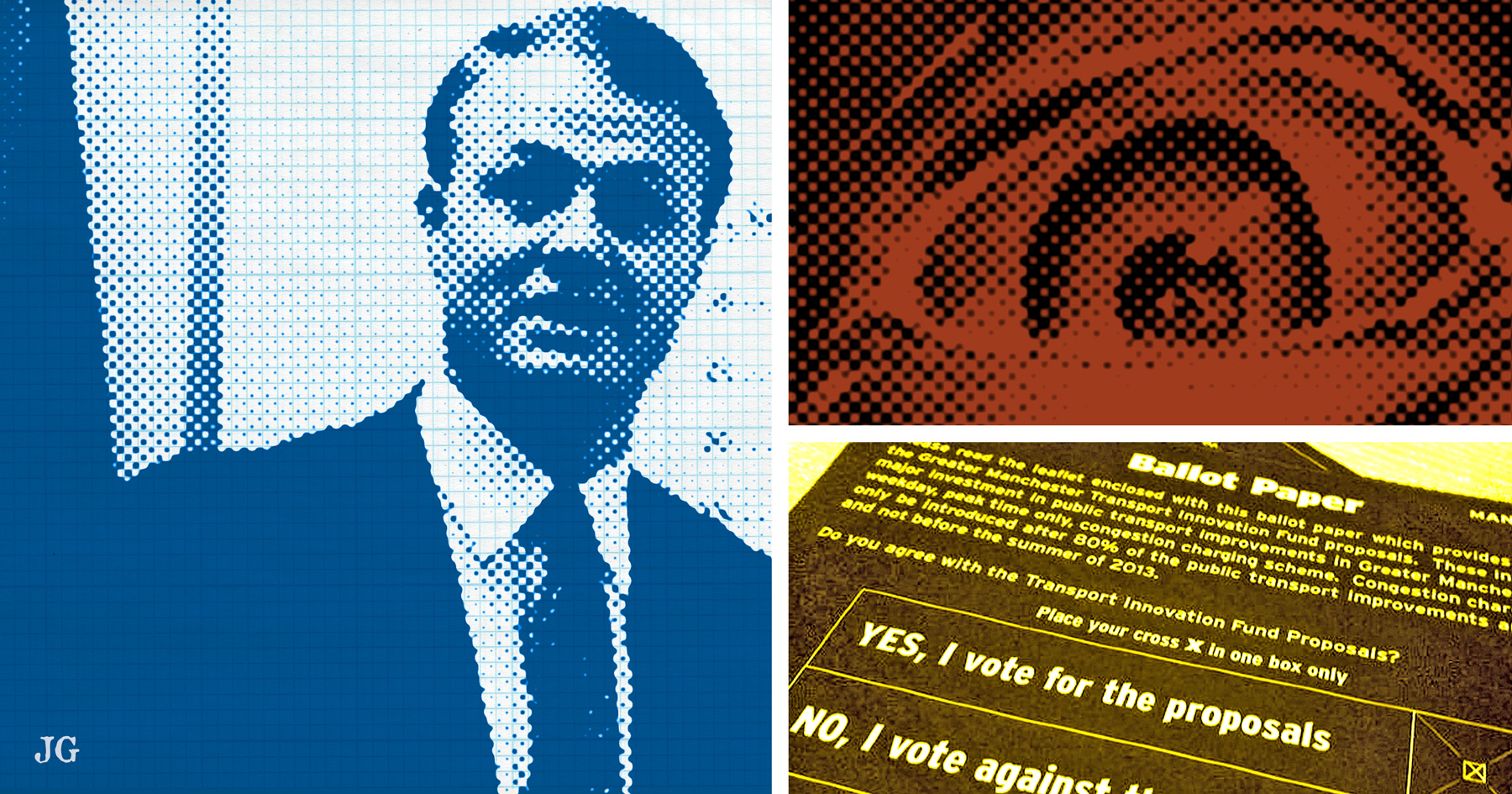
Just when big government boosters in the Evergreen State thought it was safe to raise taxes, Tim Eyman and the group Voters Want More Choices have returned to the streets with Initiative 1366.
When his previous and similar effort, I-1325, fizzled last year, opponents were ecstatic, celebrating Eyman’s perceived obsolescence. Seattle Post-Intelligencer columnist Joel Connolly wrote a year ago that, “the promoter may finally have exhausted his 15 years of fame.”
Eyman appeared down and out. Enemies rejoiced. And yet, a year later — just weeks before the deadline to turn in petition signatures to put issues on this November’s ballot — it appears Eyman’s latest initiative will easily qualify.
So now opponents squawk about all the money he has raised, and are back to hilarious and hyperbolic hyperventilating:
If this be blackmail, make the most of it: “This measure would decrease the sales tax rate unless the legislature refers to voters a constitutional amendment requiring two-thirds legislative approval or voter approval to raise taxes, and legislative approval for fee increases.”
You see, the court will not allow the people to set a two-thirds vote mandate on the legislature. But the people can cut the sales tax. So I-1366 would cut the sales tax by a penny . . . unless legislators do the right thing and give the people a vote on a constitutional amendment to establish the two-thirds legislative vote or a vote of the people to raise taxes.
Clever. That is how you deal with rogue insiders.
This is Common Sense. I’m Paul Jacob.
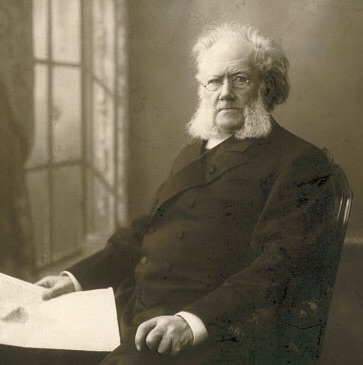
“You should never wear your best trousers when you go out to fight for freedom and truth.”
Henrik Ibsen, An Enemy of the People (1882), Dr. Stockmann, Act V