On November 12, 1905, Norwegians established, by referendum, a monarchy — not a republic. Exactly 14 years later, to the day, Austria became a republic.
Categories
Monarchy or Republic

On November 12, 1905, Norwegians established, by referendum, a monarchy — not a republic. Exactly 14 years later, to the day, Austria became a republic.

When people risk their lives, saying thanks is the least we can do.
But it’s not enough.
Today on Veterans’ Day, we honor those who have served and are serving in the military.
The holiday was once Armistice Day, marking the peace agreement that concluded World War I at the eleventh hour on the eleventh day of the eleventh month of 1918. That’s where the phrase “the eleventh hour” comes from. It’s also why the holiday has remained on whatever day Nov. 11 falls — not the closest Monday to provide non-military government workers another three-day weekend.
Of course, Woodrow Wilson’s “war to end all wars” didn’t end warfare. Numerous wars have followed. Today, the president goes to war whenever he feels like it, not only without a declaration, without any authorization — or even discussion — by Congress.
So, here’s what I think we owe veterans:
A federal government that keeps its word.
The Veterans Administration’s continued failure to adequately care for returning soldiers is unacceptable. Until the VA is fixed, don’t vote for any incumbent.
Don’t let our uniformed sons and daughters be shipped off to any conflict where (a) our freedoms are not directly threatened, and (b) where there’s no sane plan to end the conflict and bring our troops home.
Don’t trust politicians.
From the sinking of the Maine (Spanish-American War) and the Lusitania (WWI) to the Gulf of Tonkin incident (Vietnam) and the faulty intelligence that greased the path into the Iraq Conquest, distrust is rational, almost a duty.
Disagree over foreign policy? Over whether to go to war or not? Sure, but we cannot leave these decisions to an insulated cabal of politicians. Deinsulate them. Speak your mind.
This is Common Sense. I’m Paul Jacob.

On November 11, 1889, the State of Washington was admitted as the 42nd State of the United States.
In 1918, German officials signed an armistice agreement with the Allies in a railroad car in the forest of Compiègne, France. The fighting officially ended at 11:00 a.m. — the eleventh hour of the eleventh day of the eleventh month. The war officially ended with the signing of the Treaty of Versailles on June 28, 1919.
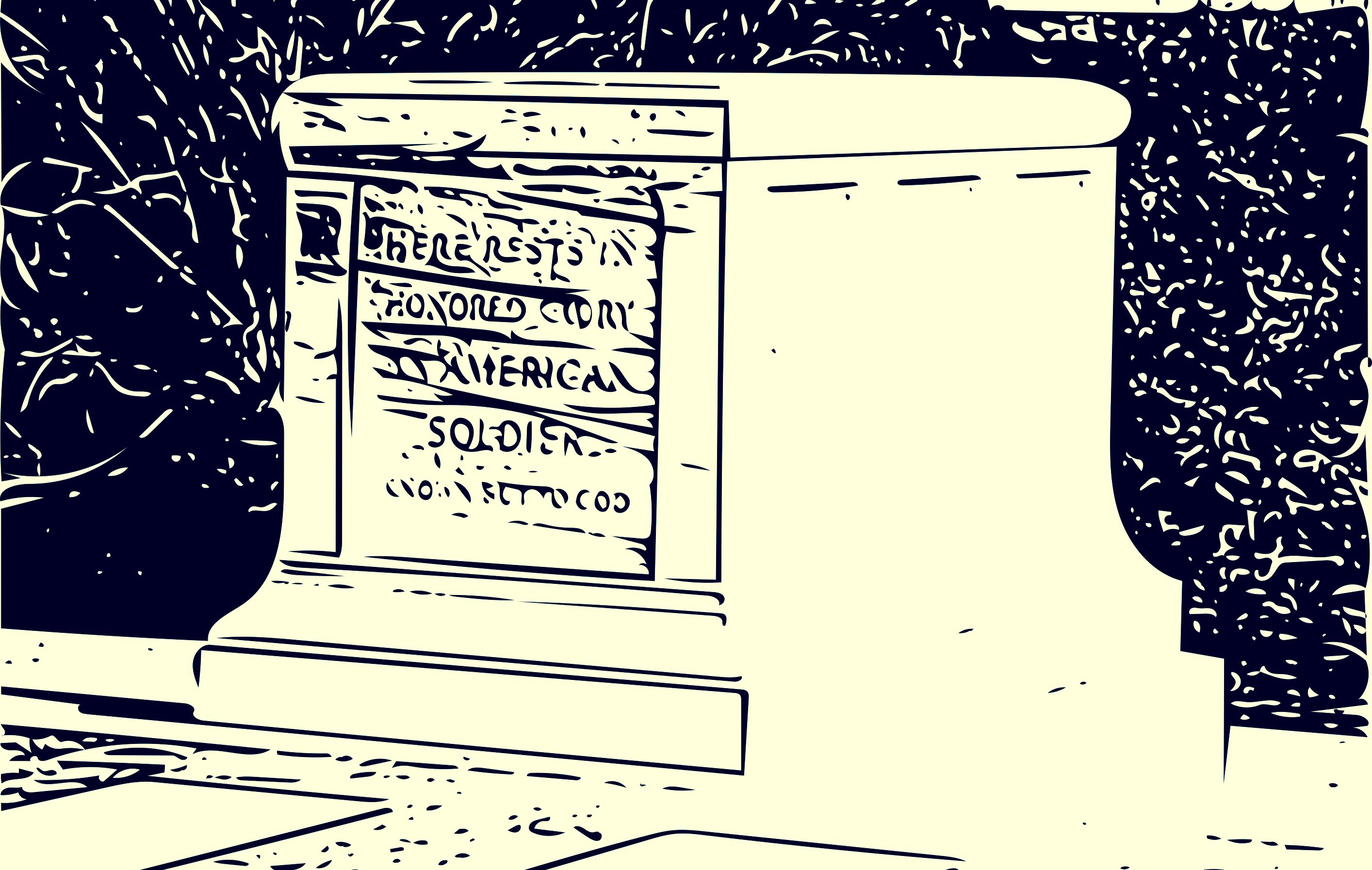
In 1921 on this date, U.S. President Warren G. Harding dedicated the Tomb of the Unknowns at Arlington National Cemetery.
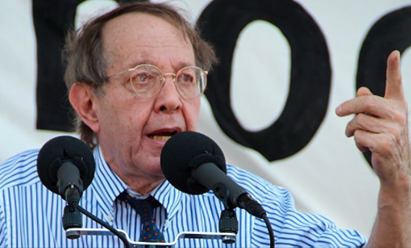
“Wonderful teachers should never let themselves be drill sergeants for the state.”
Jonathan Kozol, as quoted in Reading, writing, and rebellion,
by Tracy Jan, Boston Globe, September 21, 2007.

Uber’s challenge to old-fashioned ride service — to the taxi industry — is at least twofold.
One, it shows government regulation to be counterproductive and kind of witless.
Two, it shows that innovation — particularly by decreasing transaction costs — can rapidly transform a market for the good of consumers.
Recently, politicians who play to special interests — in this case, to taxicab companies and taxi drivers — have made some spectacular blunders. Perhaps the best-known is Bernie Sanders, who claims to see severe “problems” with Uber’s online ride-sharing service, but whose campaign staff uses Uber for ride-sharing . . . and nothing else. Hah!
But the London transit regulators have made the biggest splash.
Their latest proposal? To require Uber drivers to wait five minutes before picking somebody up.
Evens the playing field, you see.
Uber is so much quicker to respond to the paying riders’ needs that taxicabs apparently cannot compete in Old London Town.
The folks at Uber publicized the expected company reaction: the regulation would be a “huge mistake.”
But really, it’s a HUGE ADMISSION.
It shows that Uber’s service is superior, and that government regulators are more interested in protecting providers (taxicabs) than customers (pedestrians seeking rides).
It also shows these regulations for what they really are: protectionism for special interests, not protection for the safety of consumers.
Remember what Frédéric Bastiat said about protectionism: it’s always about placing obstacles in front of some producers (and the market in general) to aid a select (literally privileged) group of producers, regardless of consumer wants and needs.
Hobbling Uber to save taxicabs! What’ll they think of next?
This is Common Sense. I’m Paul Jacob.


On November 10, 1821, the First Cry of Independence in the small, interior town of Villa de los Santos, occurred in Panama. The November 10 date has since become Panama’s “Cry of Independence Day” in the country. November is a month of independence celebrations in Panama, but the November 10 celebration marks the first signs of the struggle for separation from Spain.
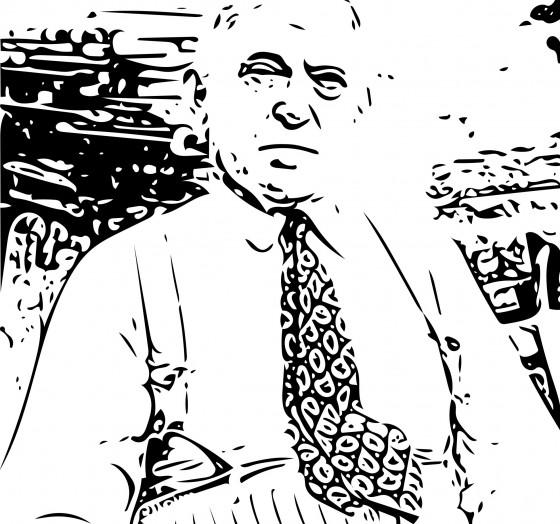
“Truth would quickly cease to be stranger than fiction, once we got as used to it.”
H. L. Mencken, A Little Book in C Major (1916)
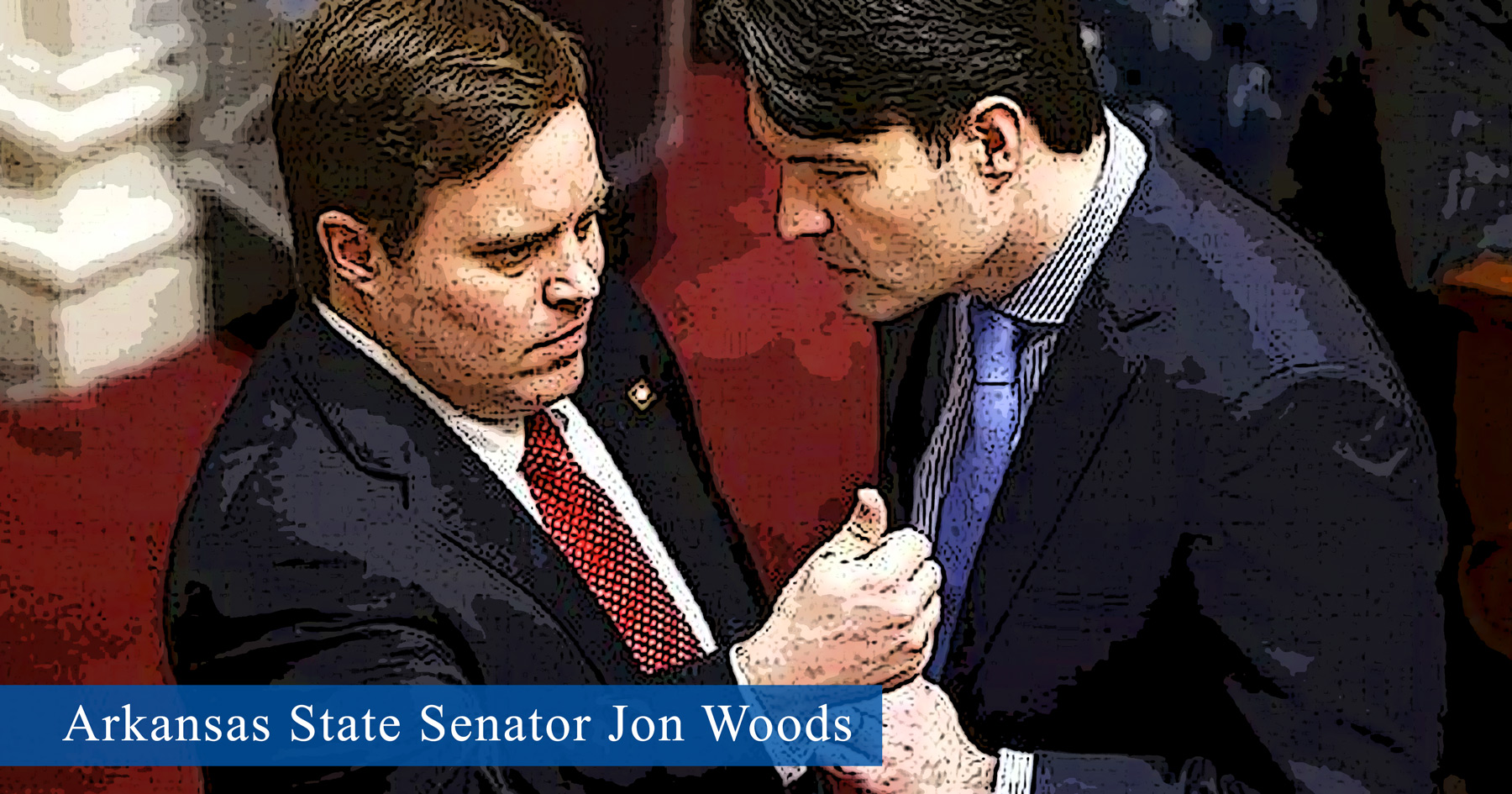
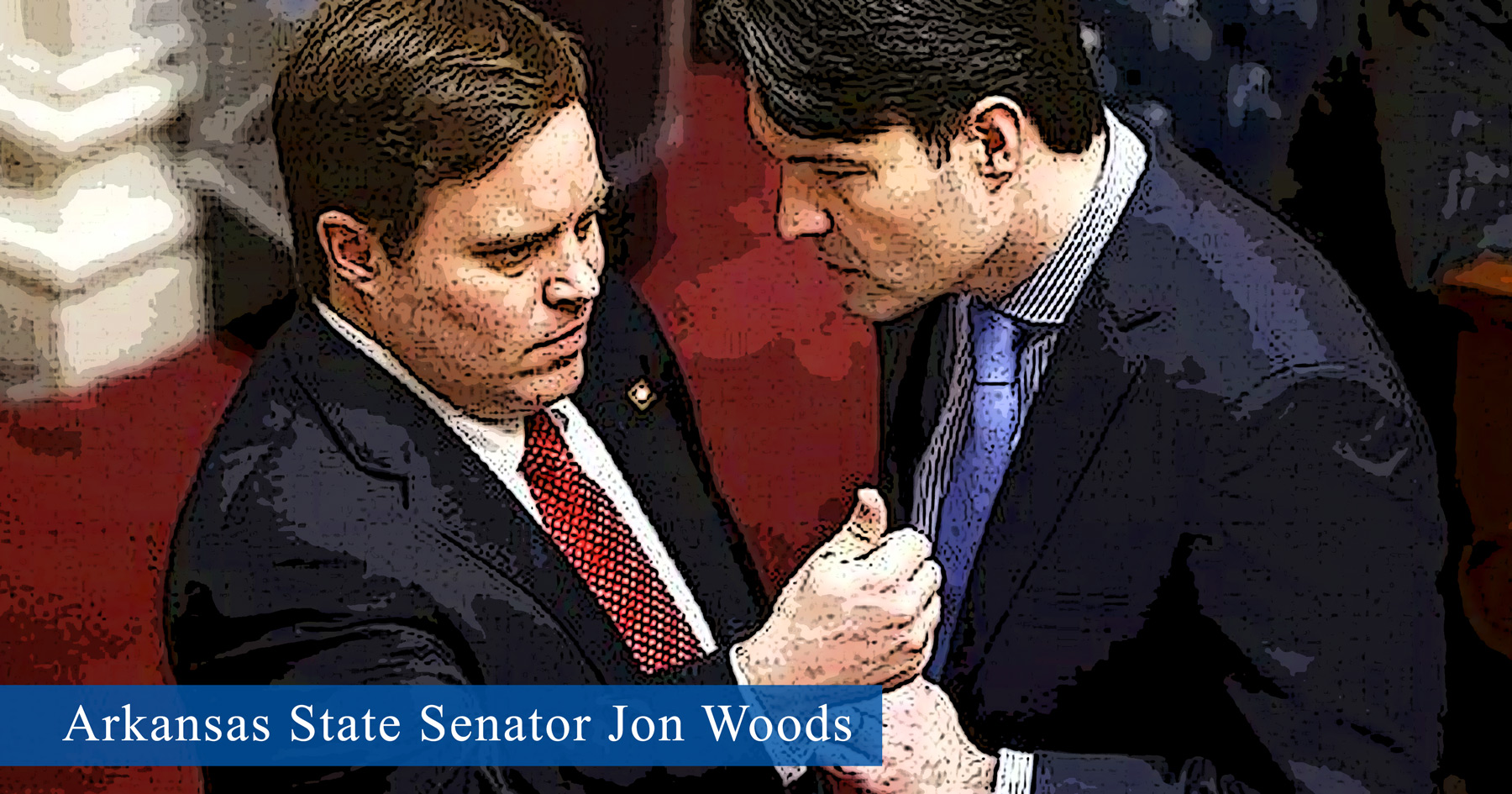
“I want to go home,” Arkansas State Senator Jon Woods whimpered.
The poor, pitiful politician — announcing he would not seek election to another legislative term — cried that he had not “been fishing with [his] brother in a year.”
“I have friends in my district who I miss,” he further lamented.
Before reaching for a tissue, realize that the legislator lives a little over three hours from the capitol in Little Rock and the legislature has only been in session for about 100 days in the last two years.
Certainly, that Senator Woods has any friends left is news — at least, non-lobbyist, non-legislator friends.
Woods infamously authored Issue 3, which narrowly passed last year and is now Amendment 94 to the state constitution.
Woods tricked voters by wording the ballot title to claim it was “PROHIBITING MEMBERS OF THE GENERAL ASSEMBLY . . . FROM ACCEPTING GIFTS FROM LOBBYISTS.” But now, lobbyists buy legislators lunch pretty much every day.
He misleadingly told voters the amendment was “ESTABLISHING TERM LIMITS FOR MEMBERS OF THE GENERAL ASSEMBLY,” when in reality term limits were weakened, allowing pols like Woods to stay a whopping 16 years in a single seat.
The slippery solon’s amendment also created a so-called Independent Citizens Commission — a majority appointed by legislative leaders — that has since rewarded legislators with a whopping 150 percent pay raise.
The Arkansas Times’s Max Brantley called it “strange” that the “full-time legislator . . . would drop out of the race at this point.” Now that it’s time to face the voters with all his mighty “accomplishments,” the senator decides “to start a new chapter in [his] life.”
Dejected, befuddled, limping home as a martyr to crony politics, Woods knows he can’t win.
This is Common Sense. I’m Paul Jacob.
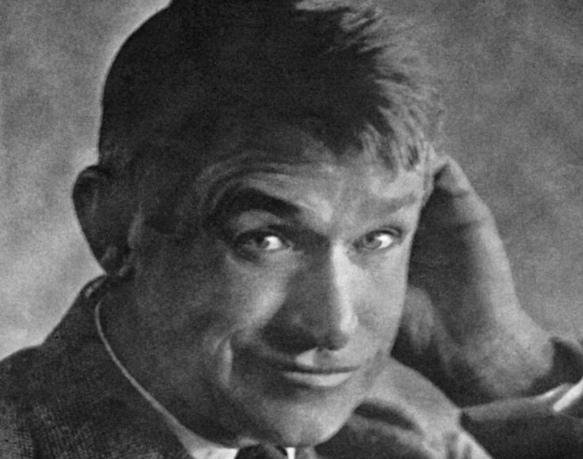
Our constitution protects aliens, drunks, and U. S. Senators. There ought to be one day (just one) when there is open season on senators.
Will Rogers, Daily Telegram number 2678 (March 6, 1935).
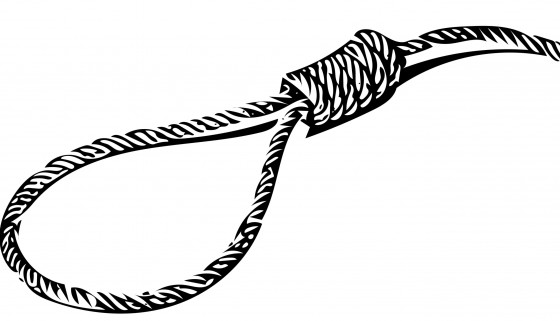
On November 9, 1998, the death penalty was abolished on all crimes other than murder in the United Kingdom. Murder had already been disallowed from a capital punishment since 1965, and no executions in Great Britain had occurred since that time. But the new law formalized the anti-capital punishment stance.
The idea of reinstating capital punishment has been tried numerous times in England since then, but revelations of false convictions for murder since 1965 have helped put the kibosh on such plans.