Categories
Thought

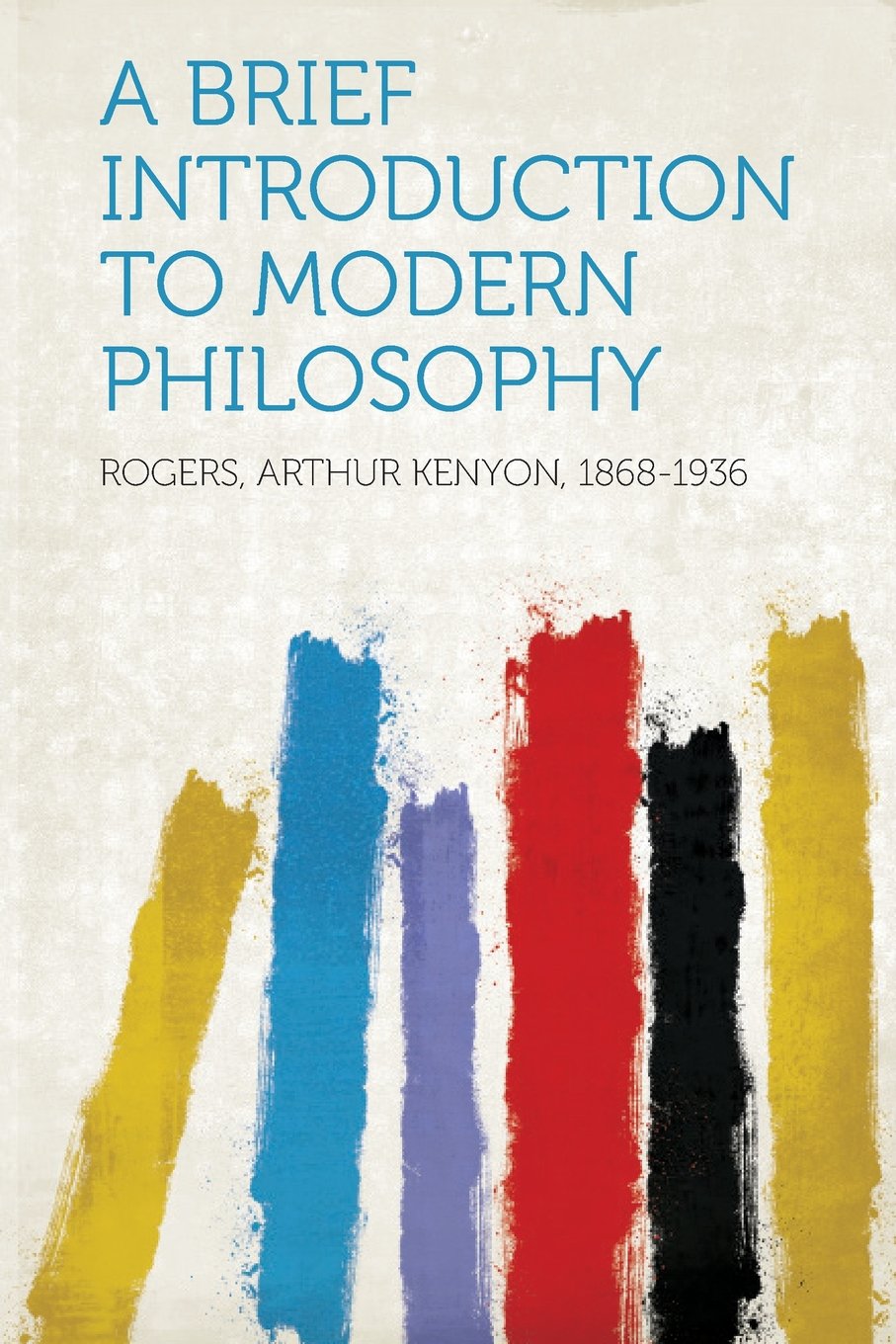
Arthur Kenyon Rogers

“There is no real paradox in the claim that satisfaction is open only to the man who stands prepared to give up pleasures. This only means, again, that satisfaction as a human goal is not an abstract ideal of limitless good, but presupposes a determinate human nature set to work out its destiny in determinate surroundings. That at which a sensible, human being aims is no unimaginable state of the intensest possible pleasure unaccompanied by pain, but the realization that he is making the very most of life that it is possible for him, with his particular interests and limita tions, to make, considering the means at his disposal. If one is not willing to accept these qualifications, he is not yet prepared to set out intelligently to secure satisfaction.”


Arthur Kenyon Rogers, The Theory of Ethics (New York: The Macmillan Company, 1922).

Categories
Accountability crime and punishment general freedom national politics & policies too much government

What Doesn’t Fly

After the Orlando massacre, isn’t it finally time to get guns out of the hands of . . . licensed security guards?

Omar Mir Seddique Mateen, who murdered 49 people and wounded 53 others in the Pulse nightclub, worked for the globe’s largest security firm, Britain’s G4S. He passed two background checks conducted by the company, and his government credentials included “a Florida state-issued security guard license and a security guard firearms license.”

Not to mention that Omar Mateen was twice investigated by the FBI — in 2013 and again in 2014 — and cleared by the agency both times. Though on the terrorist watch list for a while, he was removed from that list after the FBI closed its investigations.

So we need more and tougher background checks? Must the FBI check every gun purchaser three times, is that the charm?

Even if the Feds blocked gun sales to those on the terrorist watch list and the “no-fly” list, it wouldn’t have affected Mateen, for he wasn’t on these lists when he purchased his Sig MCX.

Nevertheless, Connecticut Sen. Chris Murphy led a 14-hour filibuster to bring attention to his gun control legislation . . . that wouldn’t have stopped the Orlando massacre . . . or the shooting in Newtown.

“I will be meeting with the NRA, who has endorsed me,” tweeted Donald Trump, the presumptive GOP presidential nominee, “about not allowing people on the terrorist watch list, or the no fly list, to buy guns.”

If our government ever uses a secret list developed by security agencies to deny citizens their rights, without due legal process, without innocence until proven guilty, we will sorely need our Second Amendment rights.

This is Common Sense. I’m Paul Jacob.


Printable PDF

Omar Mir Seddique Mateen


Categories
Thought

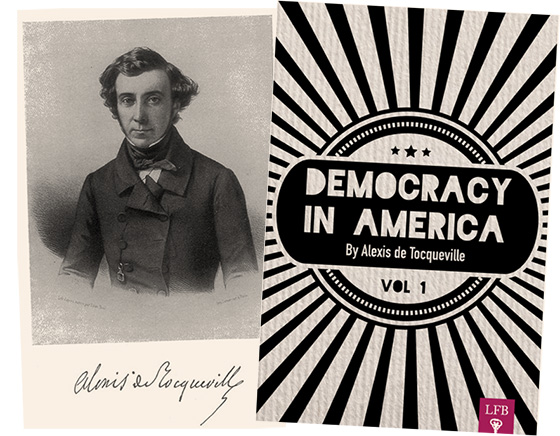
Alexis de Tocqueville

I seek to trace the novel features under which despotism may appear in the world. The first thing that strikes the observation is an innumerable multitude of men, all equal and alike, incessantly endeavoring to procure the petty and paltry pleasures with which they glut their lives. Each of them, living apart, is as a stranger to the fate of all the rest — his children and his private friends constitute to him the whole of mankind; as for the rest of his fellow citizens, he is close to them, but he sees them not; he touches them, but he feels them not; he exists but in himself and for himself alone; and if his kindred still remain to him, he may be said at any rate to have lost his country.

Above this race of men stands an immense and tutelary power, which takes upon itself alone to secure their gratifications, and to watch over their fate. That power is absolute, minute, regular, provident, and mild. It would be like the authority of a parent, if, like that authority, its object was to prepare men for manhood; but it seeks, on the contrary, to keep them in perpetual childhood: it is well content that the people should rejoice, provided they think of nothing but rejoicing. For their happiness such a government willingly labors, but it chooses to be the sole agent and the only arbiter of that happiness; it provides for their security, foresees and supplies their necessities, facilitates their pleasures, manages their principal concerns, directs their industry, regulates the descent of property, and subdivides their inheritances: what remains, but to spare them all the care of thinking and all the trouble of living?


Alexis de Tocqueville, Democracy in America, Vol. 2 (1840).

Categories
Today

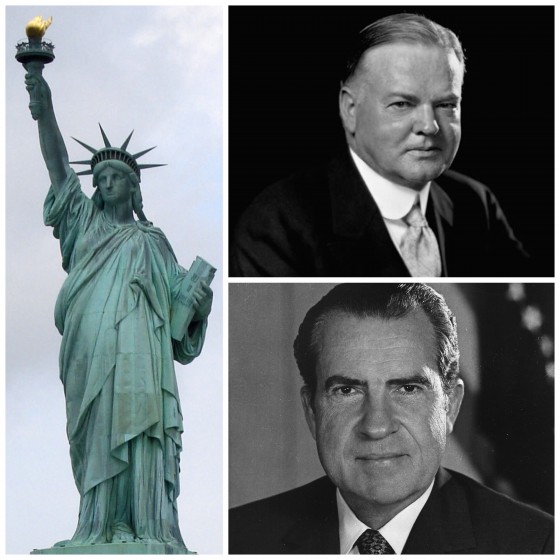
The Statue of Liberty

The Statue of Liberty arrived in New York Harbor on June 17, 1885. On the same day in 1930, progressive Republican President Herbert Hoover — eager to please agricultural states, and confident that protectionism would yield greater wealth — signed the Smoot-Hawley Tariff. The Great Depression deepened, especially as provisions of the bill took effect.

Three years later, investment author and two-time Libertarian Party presidential candidate Harry Browne was born.

On June 17, 1944, Iceland declared independence from Denmark.

On this day in 1971, President Richard Nixon declared a “War on Drugs,” which steadily decreased civil liberty and the rule of law in America.

Exactly one year later, five men were arrested for attempted burglary on the offices of the Democratic National Committee in the Watergate complex in Washington, D.C., igniting the Watergate scandal that ultimately led to the resignation of U.S. President Richard Nixon more than two years later.

Categories
general freedom ideological culture moral hazard national politics & policies The Draft U.S. Constitution

Equal or Free?

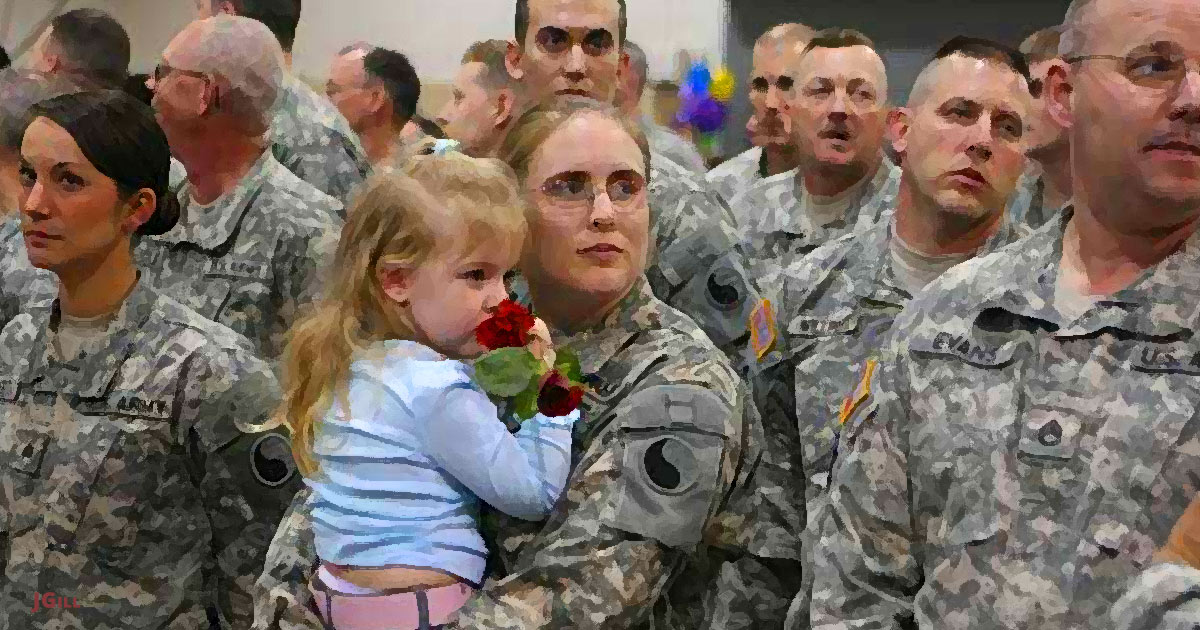
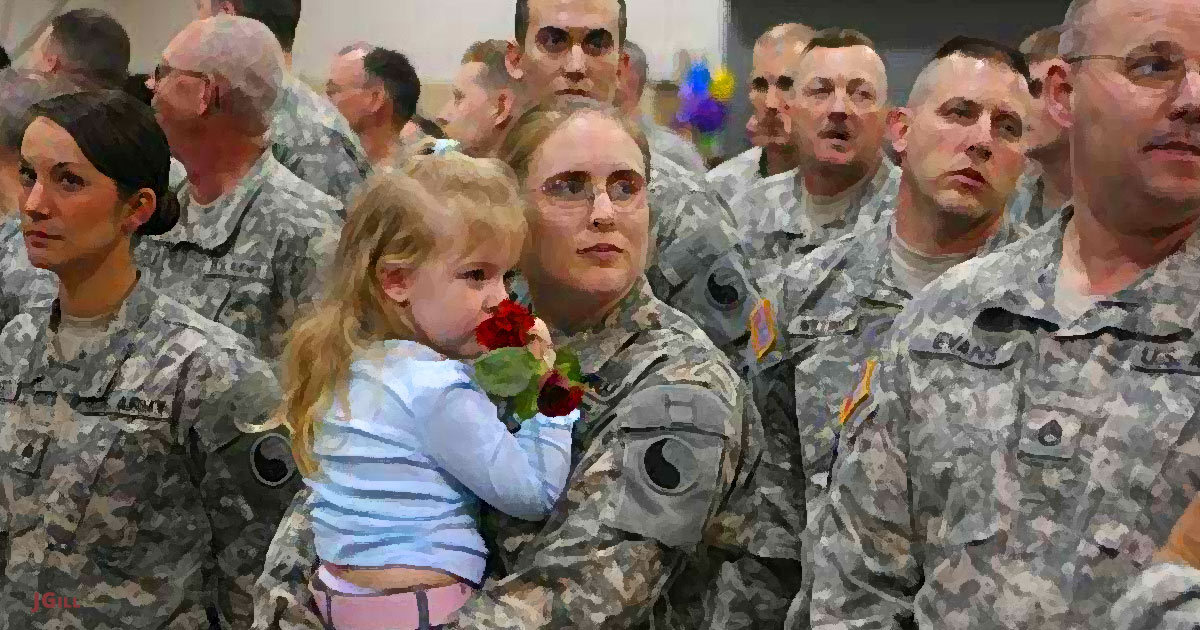
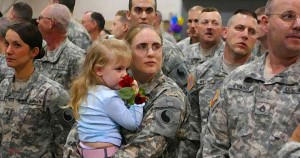
On Tuesday, the Senate voted to force American women, in their early years, to register for the draft.

Just like men have been required to do since 1980.

The White House threatens to veto the bill, though perhaps on other grounds, since the bill also, in the words of Richard Lardner (AP), “authorizes $602 billion in military spending, bars shuttering the prison at Guantanamo Bay, Cuba, and denies the Pentagon’s bid to start a new round of military base closings.”

The Senate’s social conservative ranks made the whole process leading up to the vote difficult for the mainliners, like Sen. John “Maverick” McCain, who is enthusiastic about registering women. Sen. Ted Cruz expressed alarm at the direction “sexual equality” is taking, and didn’t want to see “girls drafted onto the front lines.”

Decades ago, the Supreme Court had nixed a challenge to draft registration on discrimination lines, reasoning that since women weren’t allowed onto the front lines, there was no cause to force them to register for military conscription.

But now there are women in combat positions. So the old ruling no longer applies. If draft registration isn’t expanded to women, it’s likely to be struck down for men.

We have no draft, we are reminded, mere registration — which our government keeps in place mainly to remind men that they may be drafted.

In the House version of the bill, there’s no draft registration amendment. So there will be negotiations. Maybe a compromise can be reached where neither young men nor women face a military draft* or, likewise, signing up for one.

This is Common Sense. I’m Paul Jacob.


* For more on why to oppose the draft, see my essay “The Draft Is Slavery” in J. Neil Schulman, The Rainbow Cadenza, pulpless.com edition (1999).


Printable PDF
draft, conscription, women, servitude, military, illustration


Categories
Thought

Arthur Kenyon Rogers

Rational satisfaction is no dream of an undisturbed and impossibly complete felicity. It is not inconsistent with pain and sorrow, and the exclusion of many human delights. To have the least chance of success it must be weighted with a sober sense of reality, and an acceptance of the actual conditions of human living; to demand more than life can possibly give is to cut off our chance of satisfaction at the outset. We must be ready, if we are not to be always open to the inroads of discontent, to see and acquiesce in inevitable limitations, to make the best of necessarily imperfect attainment, to give up without repining what does not lend itself to our more dominant and insistent interests, to prefer defeat to success that degrades us in our own eyes.


Arthur Kenyon Rogers, The Theory of Ethics (New York: The Macmillan Company, 1922).

Categories
Today

Nureyev & Adam Smith

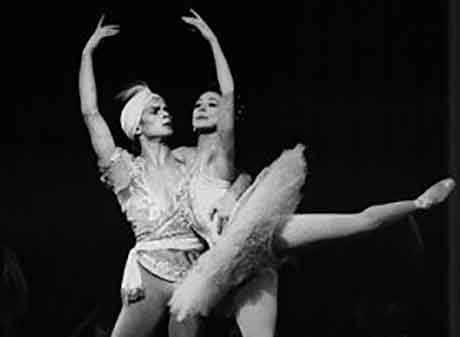
On June 16, 1961, dancer Rudolf Nureyev defected from the Soviet Union.

The great Scottish moral philosopher, political economy pioneer, and Enlightenment intelectual Adam Smith (1723-1790), best known for authoring the 1776 masterwork The Wealth of Nations, was born on June 16.

Categories
Accountability crime and punishment general freedom nannyism national politics & policies

Beggar Thy Philanthropist

Making up petty rules and enforcing them is one thing governments do well.

On Monday I warned about the dangers of asking too much from government. I think, today, I’ll make the opposite warning: of not asking enough.

Mandatory seatbelt laws were enacted (sometimes by citizens initiative and referendum) to save people’s lives. But the reason many police and local jurisdictions like these laws is that it gives them a chance to engage in shakedowns, entrapping citizens into non-compliance, and then socking them with fines.

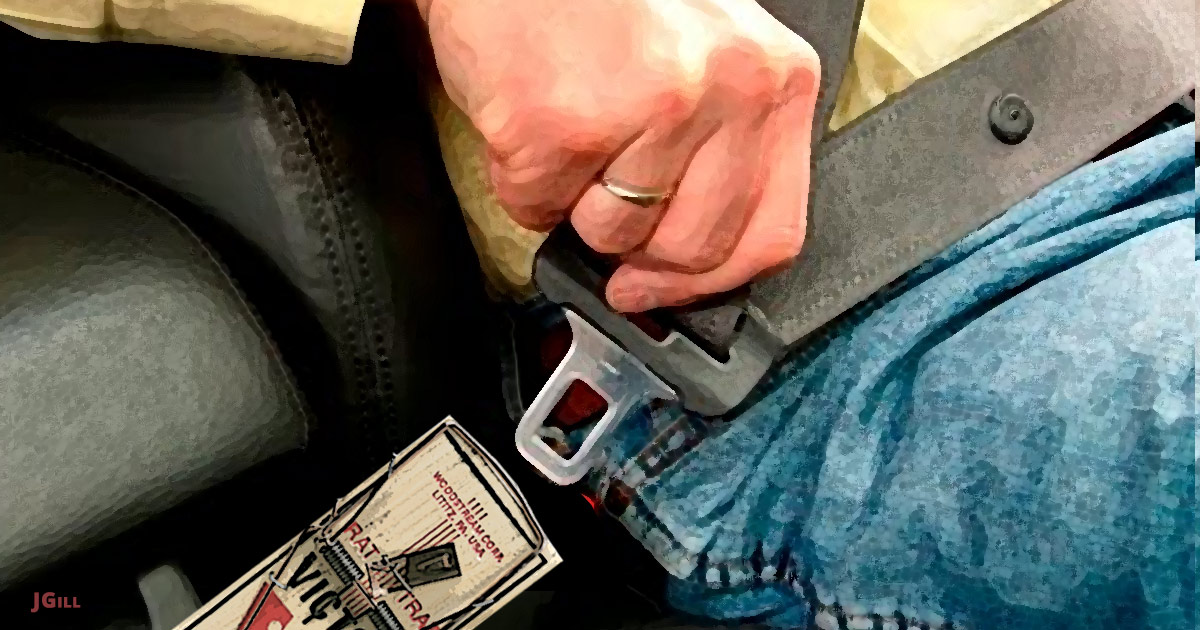
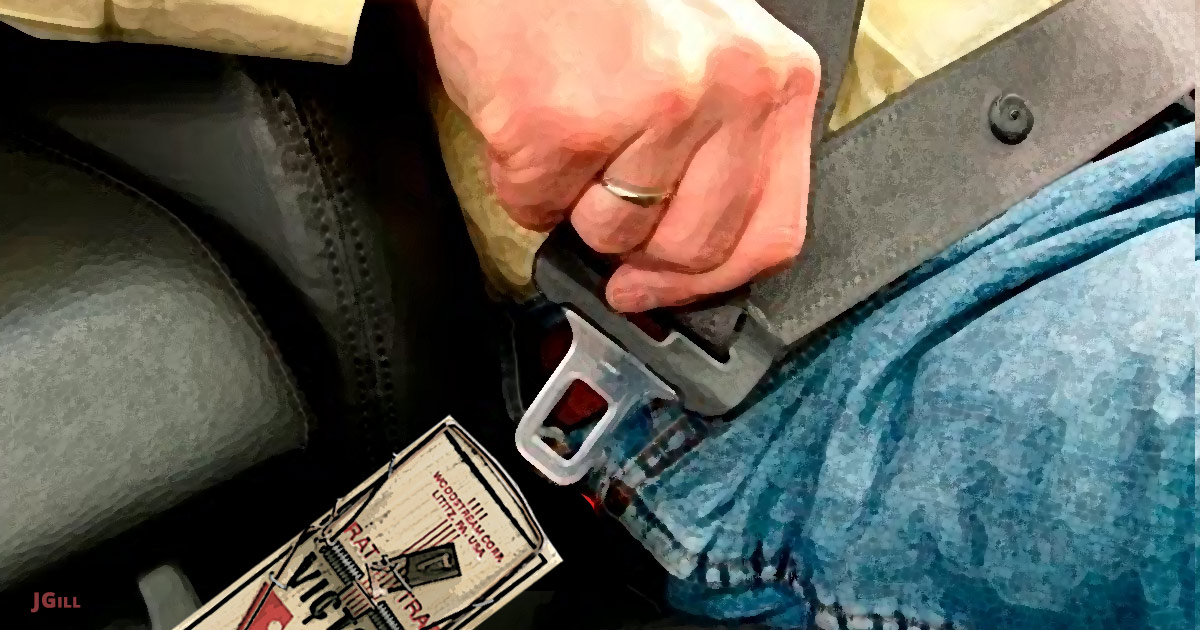
In Regina, Saskatchewan, a man pulled up to an intersection and saw a down-and-outer with a sign. He felt sorry for him, so, as he pulled up, he unbuckled his seat belt and pulled three bucks in change out of his pocket. And dropped the three dollars on the curb.

A few moments later, police stopped him, and handed him a ticket. The “homeless guy” with the sign turned out to have been an undercover cop, and the few moments without a seat belt was enough to charge our philanthropist $175 Canadian.

Though an obviously preposterous misuse of police time and attention, and an abuse of the citizenry, Regina’s police force remains adamantine, claiming that “this is nothing new. It’s part of a project that has police watching for traffic violations at intersections.”

Because this sort of thing only hits people almost at random, but the benefits are concentrated on police coffers, it’s hard to organize against such nonsense. Which is precisely why such nonsense goes on.

Still, we must prevent such abuse at the local level, if we’re ever to control the federal leviathan.

This is Common Sense. I’m Paul Jacob.


Printable PDF

seatbelt, trap, police, Regina, Saskatchewan, illustration


Categories
Thought

Alexis de Tocqueville

A people are therefore never so disposed to increase the functions of central government as at the close of a long and bloody revolution, which, after having wrested property from the hands of its former possessors, has shaken all belief, and filled the nation with fierce hatreds, conflicting interests, and contending factions. The love of public tranquility becomes at such times an indiscriminate passion, and the members of the community are apt to conceive a most inordinate devotion to order.


Alexis de Tocqueville, Democracy in America, Vol. 2 (1840).

Categories
Today

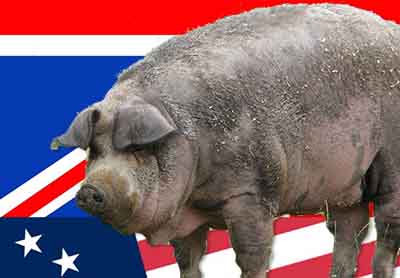
Pig War!

The Oregon Treaty, signed June 15, 1846, established the boundary between Great Britain’s Canadian territory and the United States of America, from the Rocky Mountains to the Strait of Juan de Fuca, using the 49th Parallel as the handy marker. However, the treaty was not exactly clear on the territorial status of the San Juan Islands, so exactly 13 years later, to the day, a war erupted . . . over a shot pig.

Basically, an American farmer shot a pig rooting through his garden. The pig belonged to an Irishman. The two did not agree upon compensation, and “the authorities” were called in, with infantry mustering from the south and the Governor of Vancouver Island instructing marines to land on San Juan Island — though the rear admiral in charge refused to comply with the order, on the reasonable grounds that war over a pig was not worth it. Local troops from both sides lined up against each other, but under command to defend themselves only and not shoot first. All that was exchanged in this war were insults. It turned out to be a bloodless war, discounting the pig, so it might qualify as the best war in American history.


On June 15, 1992, Vice President Dan Quayle incorrectly added an “e” to the end of a Trenton, N.J., sixth grader’s correctly spelled “potato.”