Categories
Today

Thoreau

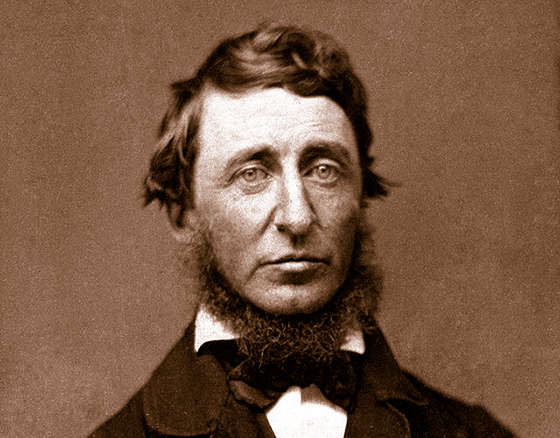
On July 12, 1817, American poet, abolitionist, businessman, and Transcendentalist philosopher Henry David Thoreau was born. He is perhaps best known, today, for his book of meditations on the simple life, Walden, and his influential essay on civil disobedience.

Categories
Today

The Weehawken Duel

A few hundred years ago, not far from Deas’ Point near Weehawken, New Jersey, was a ledge eleven paces wide and 20 paces long, situated 20 feet above the Hudson on the Palisades. This ledge, long gone, was the site of 18 documented duels and probably many unrecorded ones in the years 1798–1845. The most famous is the duel between General Alexander Hamilton, first Secretary of the Treasury, and Colonel Aaron Burr, third (and sitting) Vice President of the United States, which took place on July 11, 1804.

Hamilton died the next day of complications from a bullet wound at less than 50 years of age; Burr died on September 14, 32 years later at age 80.

Categories
Today

Anti-Bankster

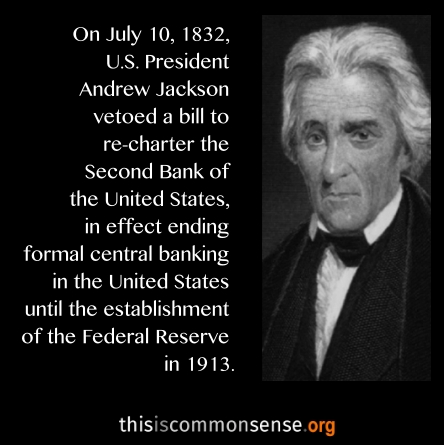
On July 10, 1832, U.S. President Andrew Jackson vetoed a bill to re-charter the Second Bank of the United States, in effect ending formal central banking in the United States until the establishment of the Federal Reserve in 1913.

Categories
Today

A Declaration Read

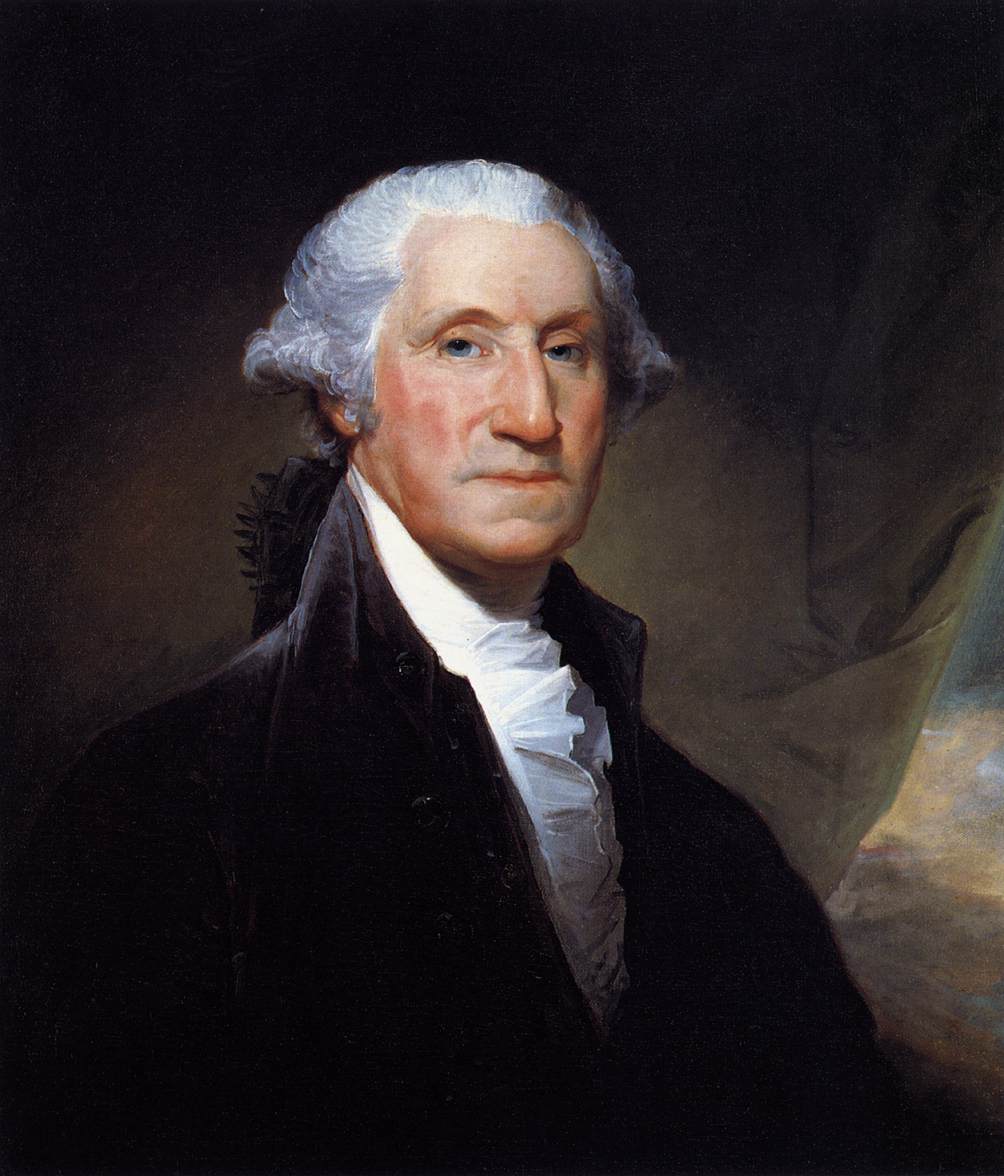
On July 9, 1776, General George Washington had the Declaration of Independence read out to members of the Continental Army in Manhattan. Meanwhile, thousands of British troops on Staten Island prepared for the Battle of Long Island.

Categories
Today

Ring the Bells

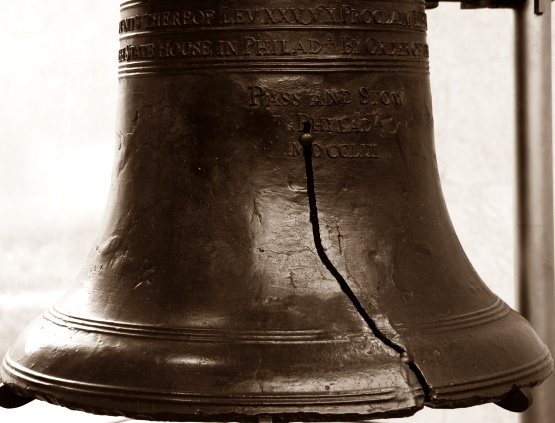
July 8, 1776 – Church bells (possibly including the Liberty Bell, pictured) were rung after John Nixon delivered the first public reading of the Declaration of Independence of the United States.

Categories
Today

Seventh of July

In 1456, a retrial verdict acquitted Joan of Arc of heresy 25 years after her execution.

In 1928 on July 7, sliced bread was sold for the first time by the Chillicothe Baking Company of Chillicothe, Missouri.

On this date in 1958, U.S. President Dwight D. Eisenhower signed the Alaska Statehood Act into law.

Categories
Today

Tyranny?

July 6 serves better as a “Today in Tyranny” marker than anything positive, at least when you consider these events:

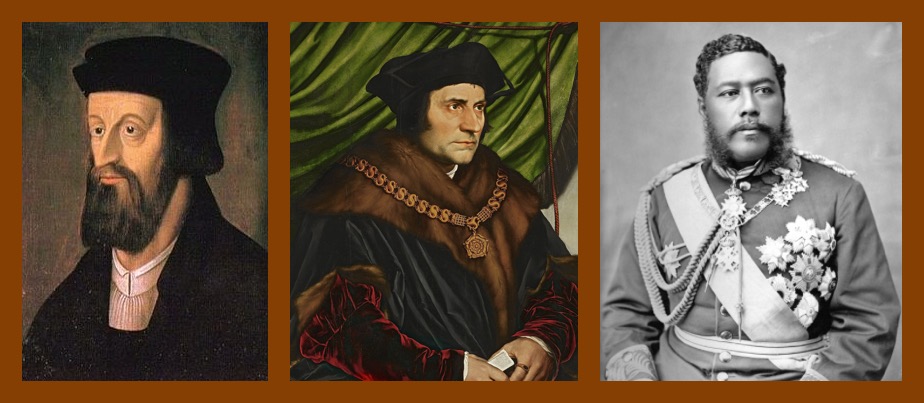
  • 1415 – Jan Hus was burnt at the stake.
  • 1535 – Sir Thomas More was executed for treason against King Henry VIII of England.
  • 1887 – David Kalakaua, monarch of the Kingdom of Hawaii, was forced at gunpoint by Americans to sign the Bayonet Constitution giving Americans more power in Hawaii while stripping Hawaiian citizens of their rights.
  • 1939 – The Nazi “Third Reich” closed the last remaining Jewish enterprises in Germany.
Categories
Today

July Fifth

The Liberty Bell left Philadelphia by special train on its way to the Panama–Pacific International Exposition, on July 5, 1915 — the last trip outside Philadelphia that the custodians of the bell intend to permit.

In 1937 on this date, Spam, the luncheon meat, was introduced into the market by the Hormel Foods Corporation.

The Twenty-sixth Amendment to the United States Constitution, lowering the voting age from 21 to 18 years, was formally certified by President Richard Nixon on July 5, 1971.

On July 5, 1995, Armenia (flag, above) adopted its constitution, four years after the country’s independence from the Soviet Union.

Categories
Today

Supernovae

July Fourth events include:

1054 – A supernova was spotted by Chinese, Arab, and possibly Amerindian observers. The celestial event occurred near the star Zeta Tauri, remaining, for several months, bright enough to be seen during the day. Its remnants form the Crab Nebula.

1776 — The Second Continental Congress approved the Declaration of Independence, thus formalizing its policy of secession from the empire of the Kingdom of Great Britain.

1803 — The Louisiana Purchase was announced to the American people.

1804 – Nathaniel Hawthorne, American author of The Scarlet Letter, House of Seven Gables, The Blithesdale Romance, and other classics, was born. Hawthorne became part of the Young America literary movement spawned by Loco-Foco political activism in New England.

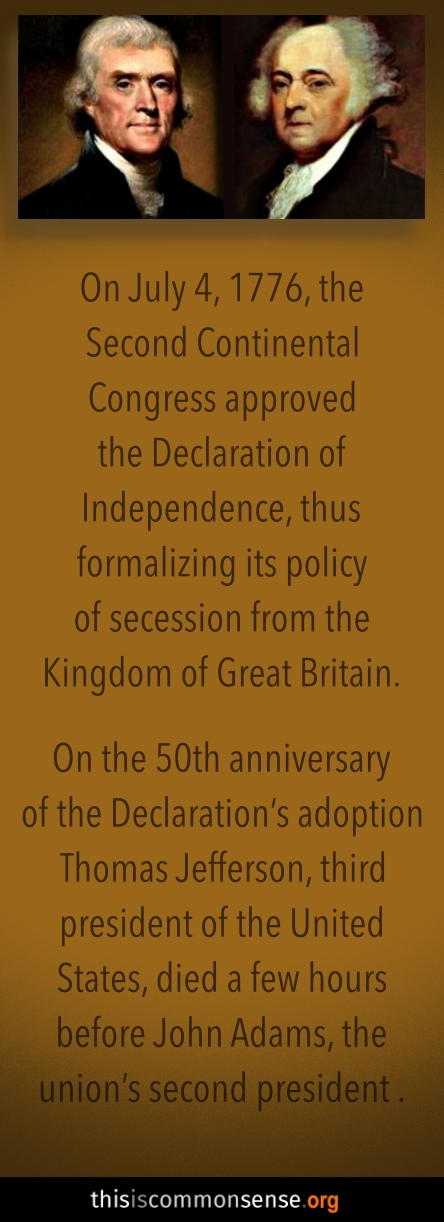
1826 – Thomas Jefferson, third president of the United States, died a few hours before John Adams, second president of the United States, on the fiftieth anniversary of the adoption of the United States’ Declaration of Independence.

1826 – Stephen Foster, composer of “Old Black Joe,” “Beautiful Dreamer,” and many other classic American songs, was born.

1827 – Slavery was abolished in New York State.

1831 – Samuel Francis Smith wrote “My Country, ’Tis of Thee” for Boston’s July 4th festivities, set to the tune of Great Britain’s national anthem, “God Save the King/Queen.”

2009 – The Statue of Liberty’s crown re-opened to the public after eight years of closure that resulted from security concerns following the September 11, 2001, attacks.
Categories
Today

July 3

On July 3, 1775, George Washington took command of the Continental Army at Cambridge, Massachusetts.

In 1952 on July 3, Puerto Rico’s Constitution was approved by the Congress of the United States.