Categories
Today

Locke & Shays

August 29 marks the 1632 birthday of British philosopher John Locke, author of Two Treatises of Government, and one of the strongest intellectual influences on America’s 18th century independence movement and subsequent constitutional thinking. Locke died on October 28, 1704.

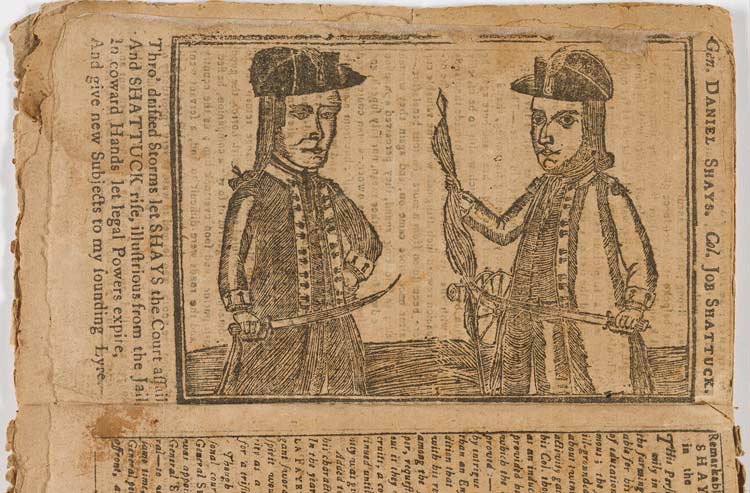
On August 29, 1786, Shays’ Rebellion began. The rebellion was an armed uprising of Massachusetts farmers reacting very negatively against the high debt and tax burdens enacted to pay off the Revolutionary War. This rebellion scared American leaders into revising the Articles of Confederation, a process that led not to a mere handful of changes but to the adoption of a whole new Constitution.

Categories
Today

Slavery Abolished

On August 28, 1833, the Slavery Abolition Act received Royal Assent, formally abolishing slavery throughout most the British Empire.

Categories
Today

Baltic Independence

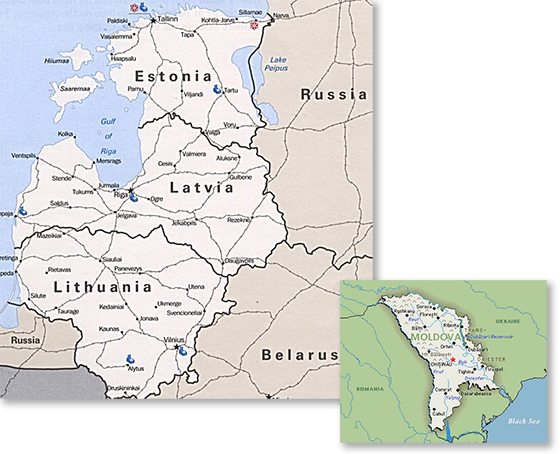
On August 27, 1991, the European Community recognized the independence of the Baltic states of Estonia, Latvia, Lithuania, and Moldova after they had declared their independence from the USSR.

Categories
Today

Suffrage

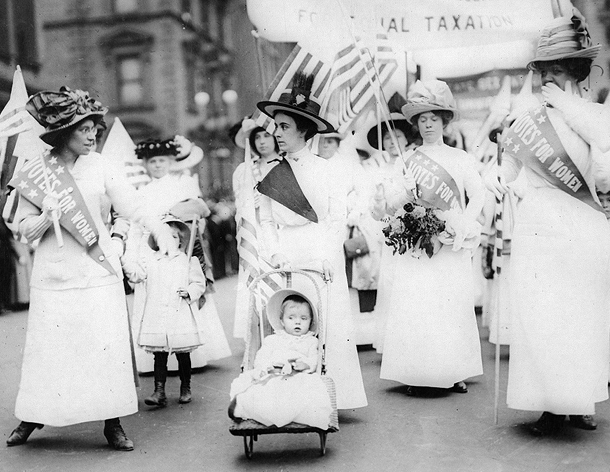
On August 26, 1920, the 19th amendment to United States Constitution took effect, giving women the right to vote in every state of the union.

Prior to the passage of this amendment, 15 states allowed women to vote. Most of them were west of the Mississippi. The territory of Wyoming was the first to extend voting rights to women in 1869.

Categories
Today

A Casualty of Communists

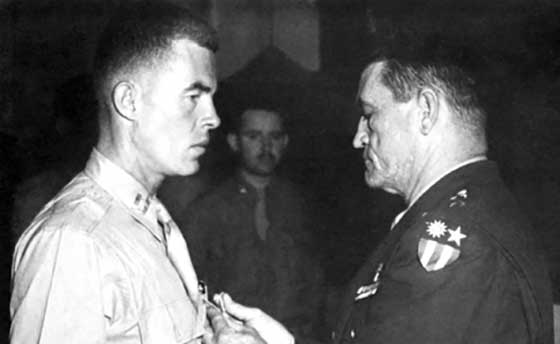
On August 25, 1945, the Cold War began (some say) when, ten days after World War II ended with the Japanese surrender, armed supporters of the Chinese Communist Party killed Baptist missionary Capt. John Birch (1918-1845).

Categories
Today

White House Burnt Down

In 1814 on this day, British forces burnt down the White House. Unlike audience reaction to the 1996 movie Independence Day (pictured), there was no widespread cheering among Americans for the building’s destruction.


One year later, the modern Constitution of the Netherlands received its empowering signatures.


August 24 birthdays include that of British anti-slavery activist William Wilberforce (1759-1833), Argentine literary genius Jorge Luis Borges (1899-1986), and French historian and author of a magisterial study of the rise of capitalism in Europe, Fernand Braudel (1902-1985).

On August 24, 1682, William Penn received an area of territory to add it to his colony of Pennsylvania. The area comprises, today, the state of Delaware.

Categories
Today

Singing Revolution

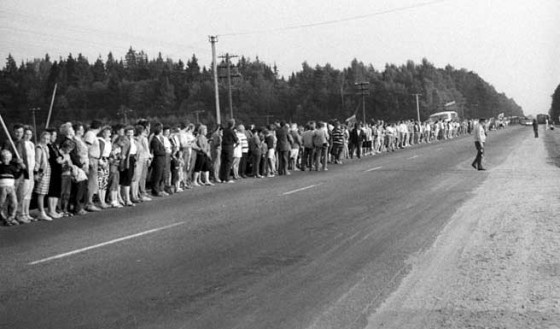
On August 23, 1989, two million people from Estonia, Latvia and Lithuania stood on the Vilnius-Tallinn road, holding hands, as part of the “Singing Revolution” that helped set the Soviet Union to its fateful implosion.

Categories
Today

Devil’s Island

On August 22, 1952, France closed its penal colony on Devil’s Island.

At first a leper colony, it had been transformed by the end of the 19th century into a prison tasked primarily with housing enemies of the French state.

Categories
Today

Nat Turner

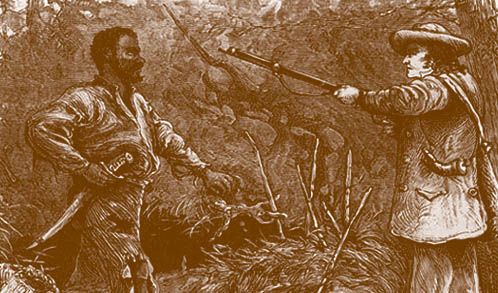
On August 21, 1831, Nat Turner led slaves and freed black Americans in a rebellion that was quickly suppressed.

Categories
Today

Estonia & Ron Paul

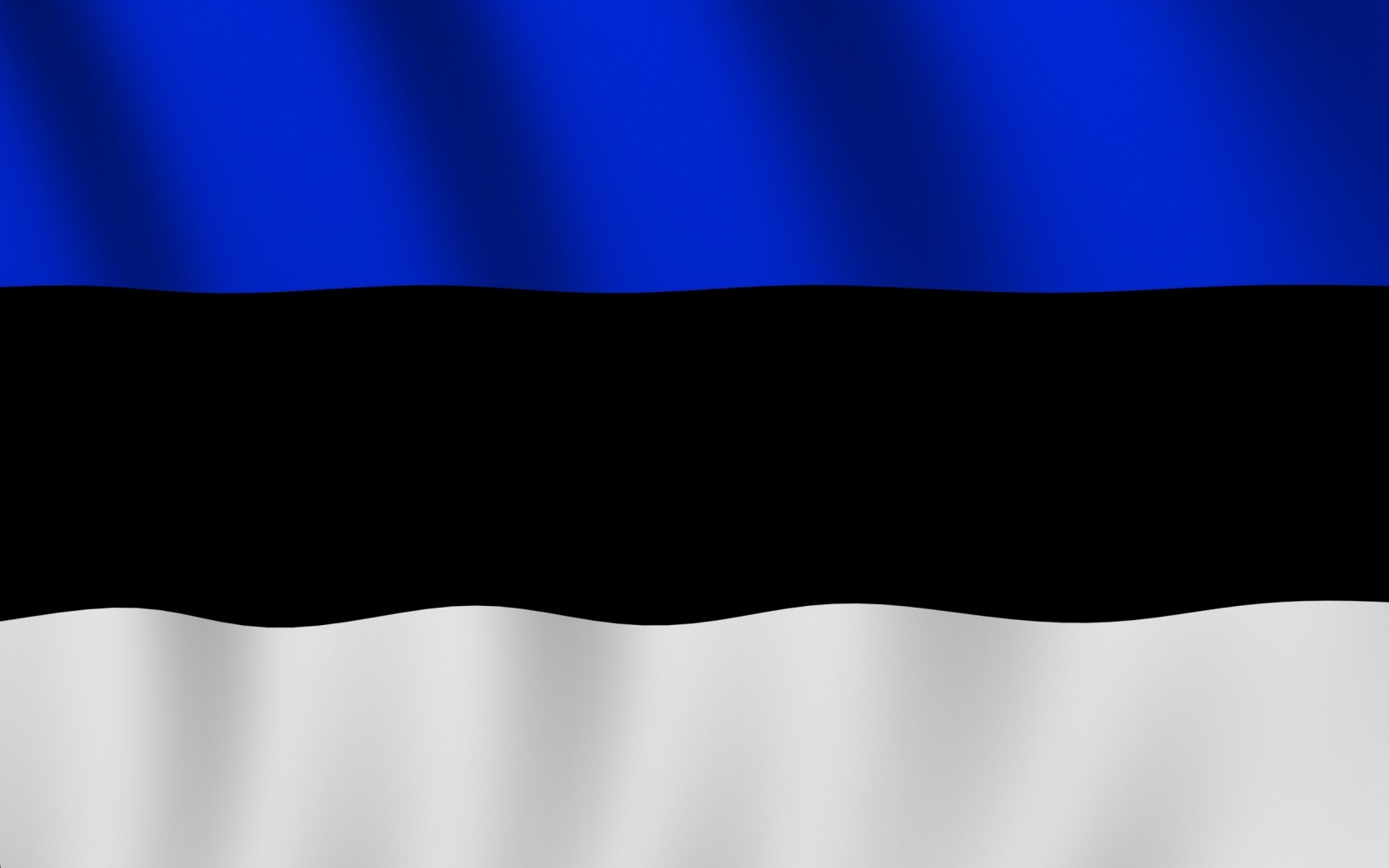
On August 20, 1991, Estonia issued a decision to re-establish independence on the basis of historical continuity of the Baltic country’s pre-World War II statehood, sloughing off Soviet rule since 1940.


On August 20, 1935, Ron Paul was born. Paul is now famous for his heroic congressional record, his several presidential campaigns, and for books such as End the Fed and Liberty Defined.