 On June 2, 1774, the Quartering Acts were passed by British Parliament, part of a package of punitive acts devised as a response to colonial unrest. The acts did not have the desired effect; they did not quell resistence. Instead, they became known as the “Intolerable Acts,” and helped fuel the fires of secession, leading to the American Revolution.
Also on June 2: The Sack of Rome begins, and the Vandals bequeath their name to hooligans of the future (455 AD); President Grover Cleveland marries his ward, Frances Folsom, while in office (1886); the Bhutan Broadcasting Service brings TV to the Himalayan kingdom (1999).
 On June 1, 2009, General Motors files for bankruptcy. The natural course of this fourth largest official business failure was forestalled by the auto maker bailout, which progressives would later ballyhoo as a complete success in that investors and businesses would jump on the rescued company – which is what would have happened in an unbailed-out bankruptcy, anyway.
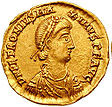 On May 31, 455, the Roman Emperor Flavius Petronius Maximus dies, soon followed by the Vandal sack of Rome. In a system without terms or term limits for rulers, his 78 days at the top of the Western Roman Empire ended as so many did, in violence – in this case by being stoned by an angry mob while fleeing the capital. His body was flung into the Tiber.