Apple shipped the first Apple II computer on June 10, 1977.
Born on this day: historian, jazz critic and civil libertarian Nat Hentoff (1925); children’s writer Maurice Sendak (1929); scientist and pioneer of “sociobiology” E. O. Wilson (1929).
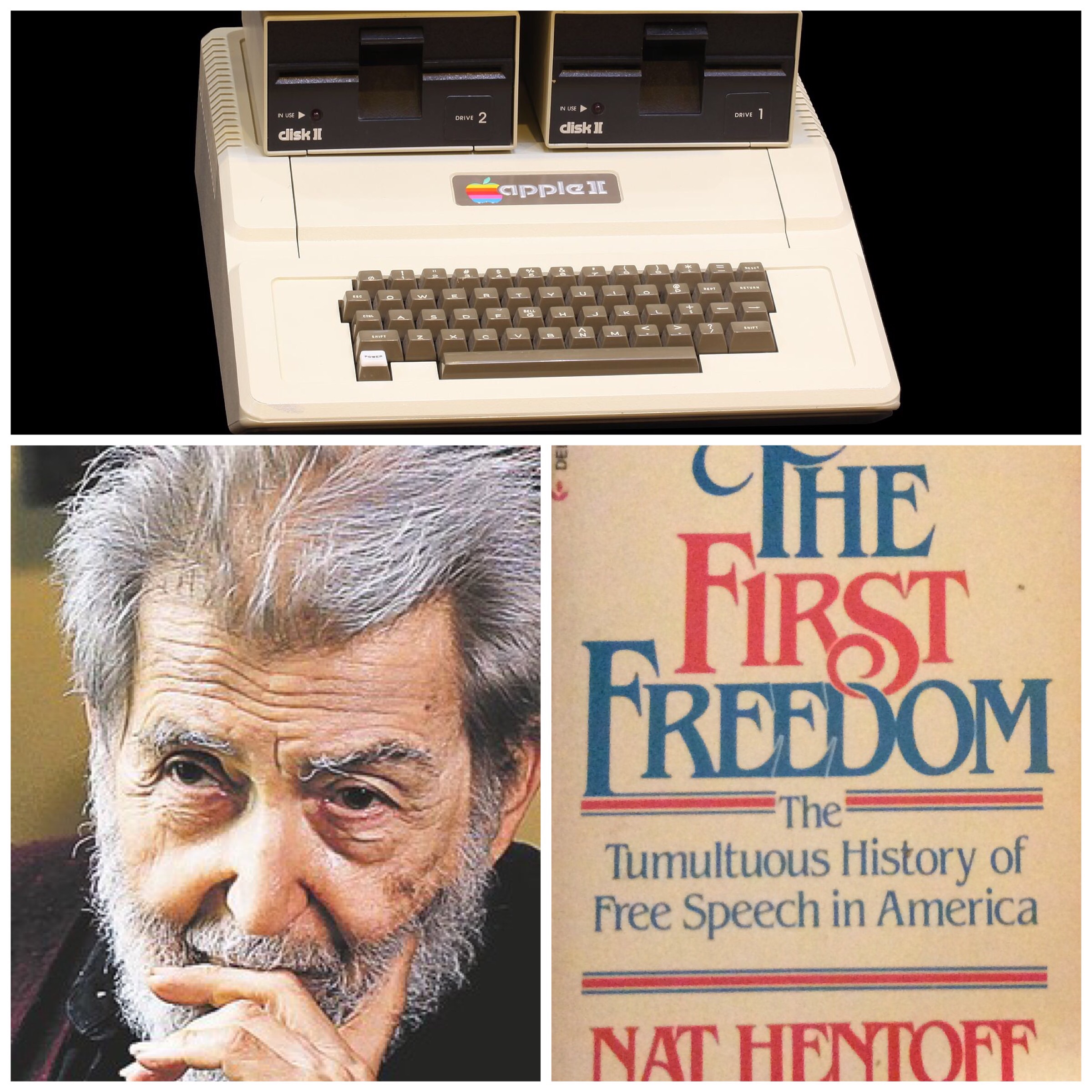
Apple shipped the first Apple II computer on June 10, 1977.
Born on this day: historian, jazz critic and civil libertarian Nat Hentoff (1925); children’s writer Maurice Sendak (1929); scientist and pioneer of “sociobiology” E. O. Wilson (1929).
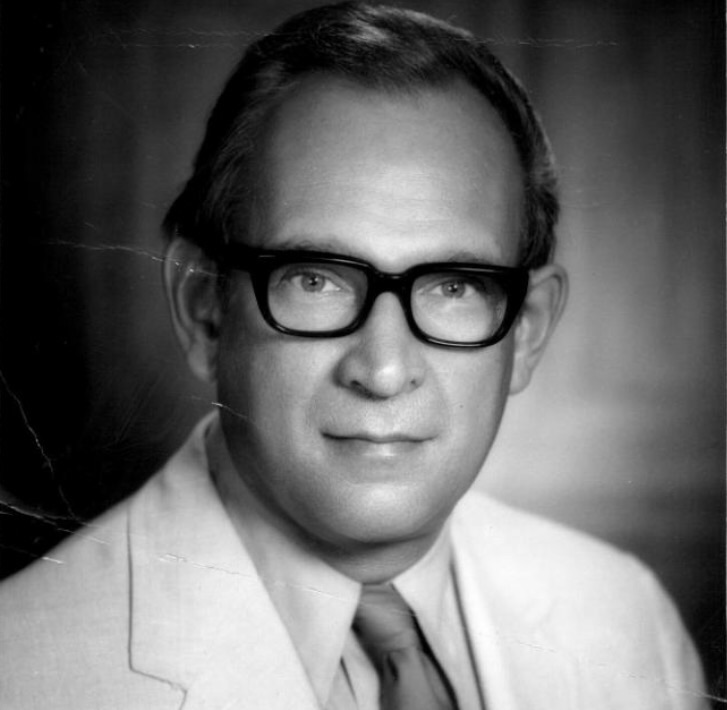
Roman Emperor Nero committed suicide on this day in June, 68 AD, ending Rome’s Julio-Claudian Dynasty, later written about with verve by Suetonius and Robert Graves.
Also on June 9, James Oglethorpe received a charter from the British crown to start the Georgia colony (1732); William Jennings Bryan resigned his position as Secretary of State under Woodrow Wilson, disgusted over the handling of the sinking of the Lusitania (1915); philosopher John Hospers — who would go on to run as a Libertarian candidate for the U.S. presidency in 1972 — was born in 1918 on the ninth of June.
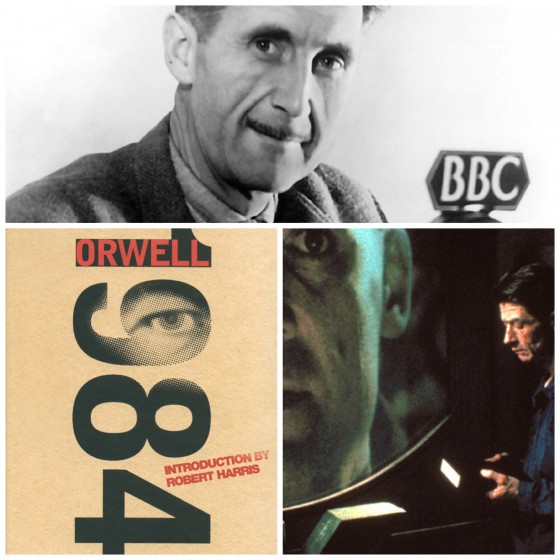
On June 8, 1949, George Orwell’s dystopian novel Nineteen Eighty-Four was published.
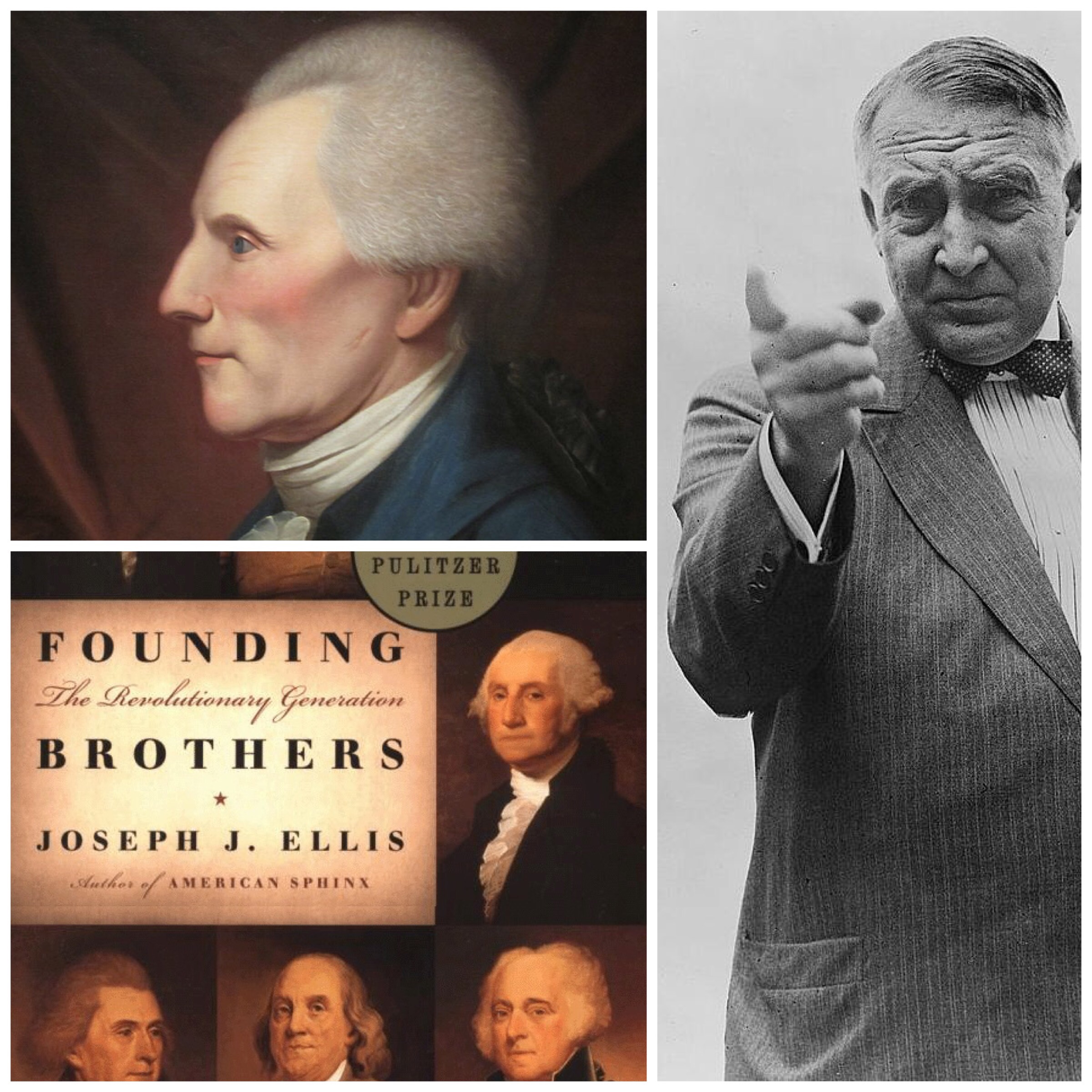
On June 7, 1776, Richard Henry Lee presented the “Lee Resolution” to the Continental Congress. The motion was seconded by John Adams, but was tabled for several weeks. The motion was finally passed on July 2, 1776.
During the 1916 Republican National Convention (June 7 – 10), Senator Warren G. Harding used the phrase “Founding Fathers” in his keynote address . . . and would go on using it in speeches thereafter. It caught on, referring to folks such as Thomas Jefferson and, yes, Richard Henry Lee, who orchestrated the American colonies’ break from England‘s monarchy.
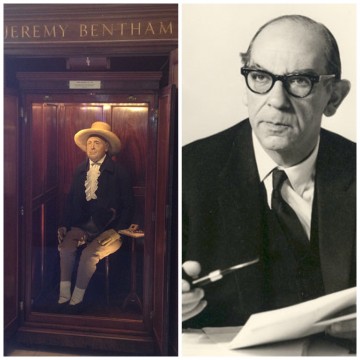
June 6 marks major life events of two eminent British philosophers, Jeremy Bentham’s death (1832) and Isaiah Berlin’s birth (1909). Bentham was known as a “philosophical radical” and a major influence on the British utilitarian tradition. He authored numerous books, including Defence of Usury and An Introduction to the Principles of Morals and Legislation. Berlin was best known for several brilliant essays, including the famous “Two Concepts of Liberty.”
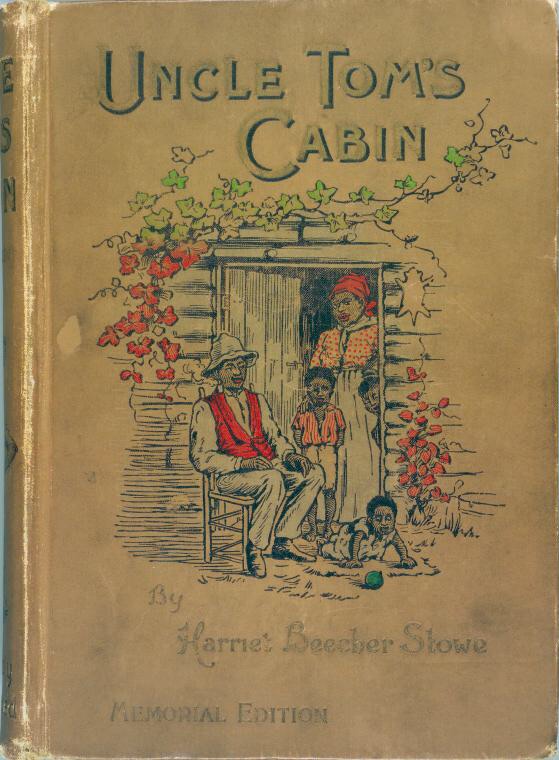
On June 5, 1851, Harriet Beecher Stowe’s anti-slavery serial, Uncle Tom’s Cabin, or Life Among the Lowly, started its ten-month run in the National Era abolitionist newspaper.

June 4 marks Finland’s Armed Forces Day, Tonga’s Emancipation [or Independence] Day (commemorating the abolition of serfdom in Tonga by King George Tupou in 1862, and the independence of Tonga from the British protectorate in 1970), Estonia’s Flag Day, and the international Tiananmen Square Protests of 1989 Memorial Day.
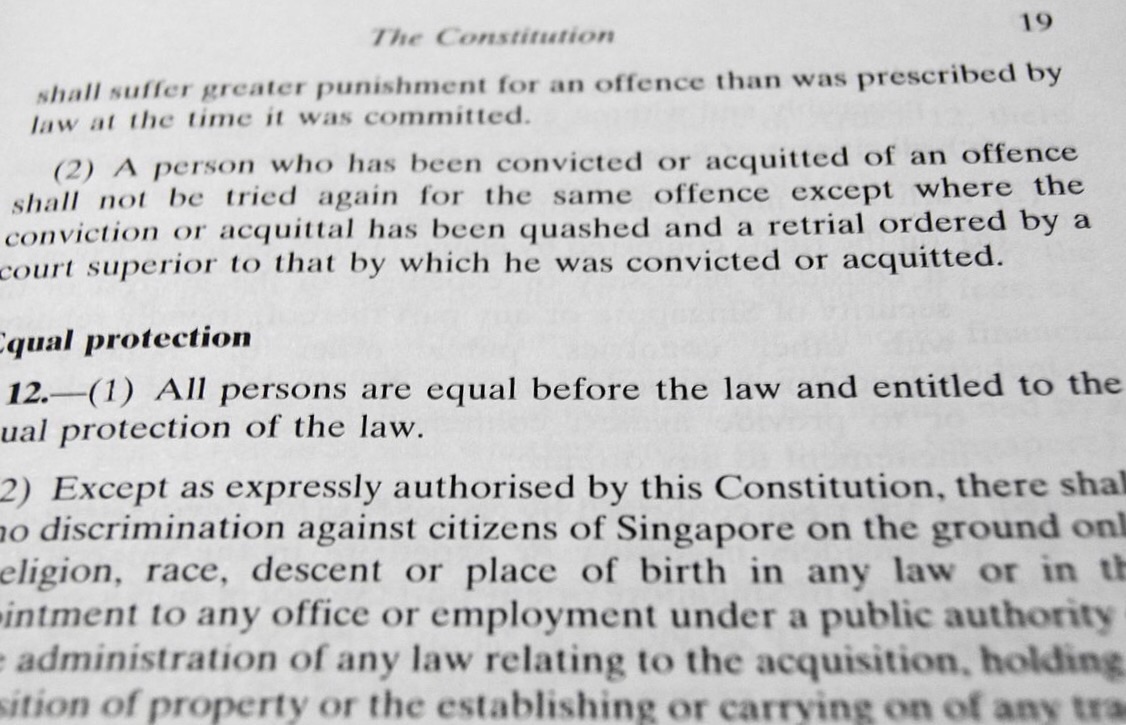
On June 3, 1959, Singapore adopted a constitution.
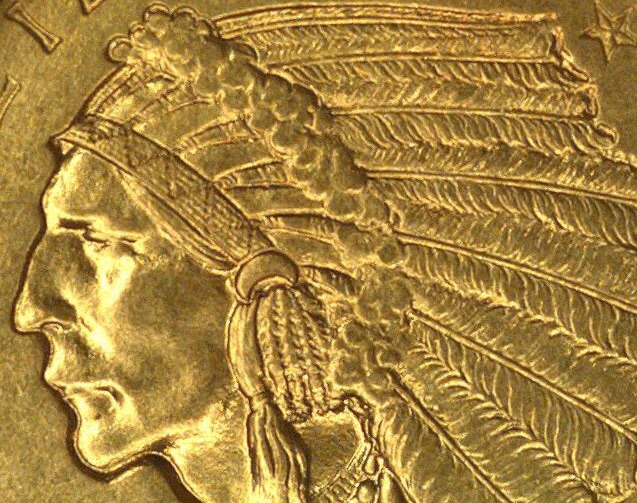
On June 2, 1924, President Calvin Coolidge signed the Indian Citizenship Act into law, granting citizenship to all Native Americans born within the territorial limits of the United States.
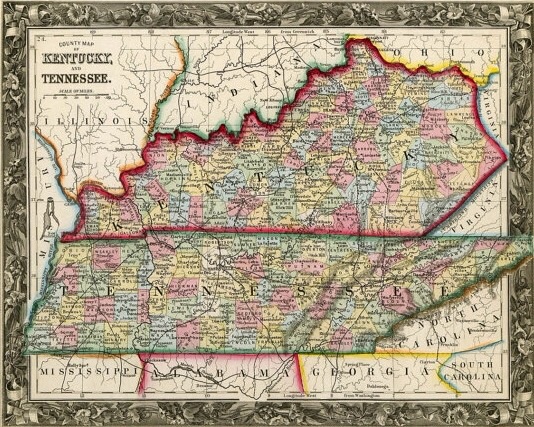
On June 1, 1792, Kentucky was admitted as the 15th state of the United States. Four years later, Tennessee became the 16th state.