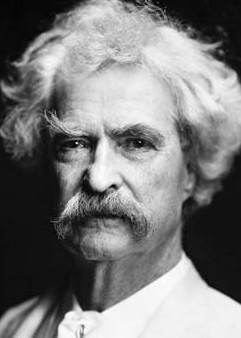
 On December 10, 1884, Mark Twain’s “Adventures of Huckleberry Finn” was first published. This novel, narrated in the first person by the title character, is a dark comedy of the antebellum South and slavery, and has been considered by many American critics and writers to qualify as the “Great American Novel.”
 On this date in 1901, the first Nobel Peace Prizes are awarded, to French Liberal School economist Frédéric Passy, co-founder of the Inter-Parliamentary Union, and Henry Dunant the founder of the International Committee of the Red Cross. Passy was an admirer of Cobden, and an active member in the French Liberal School of Political Economy that developed in the tradition of J.B. Say, Destutt de Tracy, Charles Comte and Charles Dunoyer, and Frederic Bastiat. His published works include “De la Propriété Intellectuelle” (1859); “Leçons d’économie politique” (1860-61); “La Démocratie et l’Instruction” (1864); “L’Histoire du Travail” (1873); “Malthus et sa Doctrine” (1868); and “La Solidarité du Travail et du Capital” (1875).
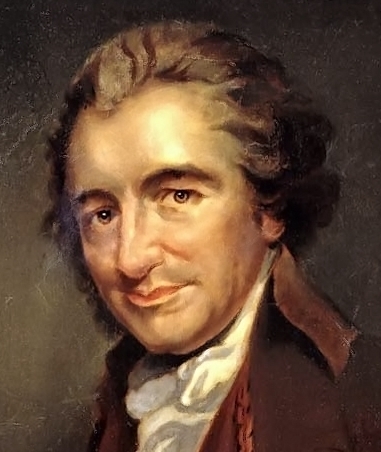 On December 19, 1776, Tom Paine published one of a series of pamphlets in the Pennsylvania Journal titled The American Crisis. Exactly one year later, George Washington’s Continental Army went into winter quarters at Valley Forge, Pennsylvania.
 On December 11, 1957, American cartoonist and Reason magazine contributor Peter Bagge was born.