Categories
Today

Of/By/For

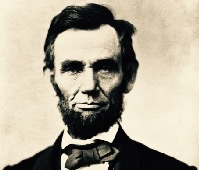
On November 19, 1863, President Abraham Lincoln delivered the Gettysburg Address at the ceremonial dedication of the military cemetery in Gettysburg, Pennsylvania, appropriating an old phraseology for republican government — “of the people, by the people, for the people” — and giving it its most memorable usage.

On the same date in 1955, National Review published its first issue.
Categories
Today

Tell and Shaw

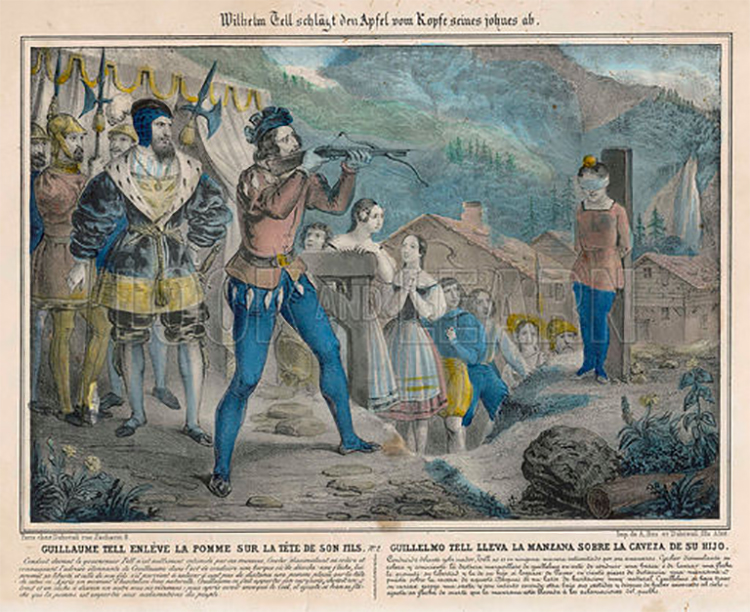
On November 18, 1307, William Tell shot a crossbow bolt to pierce an apple, toppling it off his son’s head. He was forced to do this by the local Austrian authority, whose hat hung on a pole in the Altdorf town square Tell had refused to bow to when entering the village. Tell endures as a Swiss folk hero, and provides the subject of a famous opera by Rossini — the music of which is associated with, in many ears, Bugs Bunny and the Lone Ranger.

In 1926, George Bernard Shaw formally refused to accept the money for his Nobel Prize for Literature, saying, “I can forgive Alfred Nobel for inventing dynamite, but only a fiend in human form could have invented the Nobel Prize.”

Categories
Today

Our Confederation

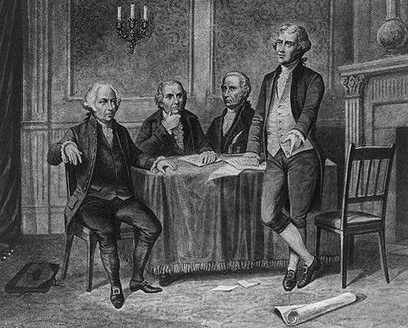
On November 15, 1777, the Continental Congress approved the Articles of Confederation — after 16 months of deliberation.

Categories
Today

PJO!

On November 14, 1918, Czechoslovakia became a republic. Born on the same date in 1947, American writer P. J. O’Rourke.

Categories
Today

Kindness?

November 13 is World Kindness Day, which has been celebrated in various countries since 1998. It is not an official celebratory day of the U.S.A., or of the United Nations. But individuals are free to be kind this day . . . or any day, for that matter.

Categories
Today

Monarchy or Republic

On November 12, 1905, Norwegians established, by referendum, a monarchy — not a republic. Exactly 14 years later, to the day, Austria became a republic.

Categories
Today

Eleven/Eleven/Eleven

On November 11, 1889, the State of Washington was admitted as the 42nd State of the United States.

In 1918, German officials signed an armistice agreement with the Allies in a railroad car in the forest of Compiègne, France. The fighting officially ended at 11:00 a.m. — the eleventh hour of the eleventh day of the eleventh month. The war officially ended with the signing of the Treaty of Versailles on June 28, 1919.

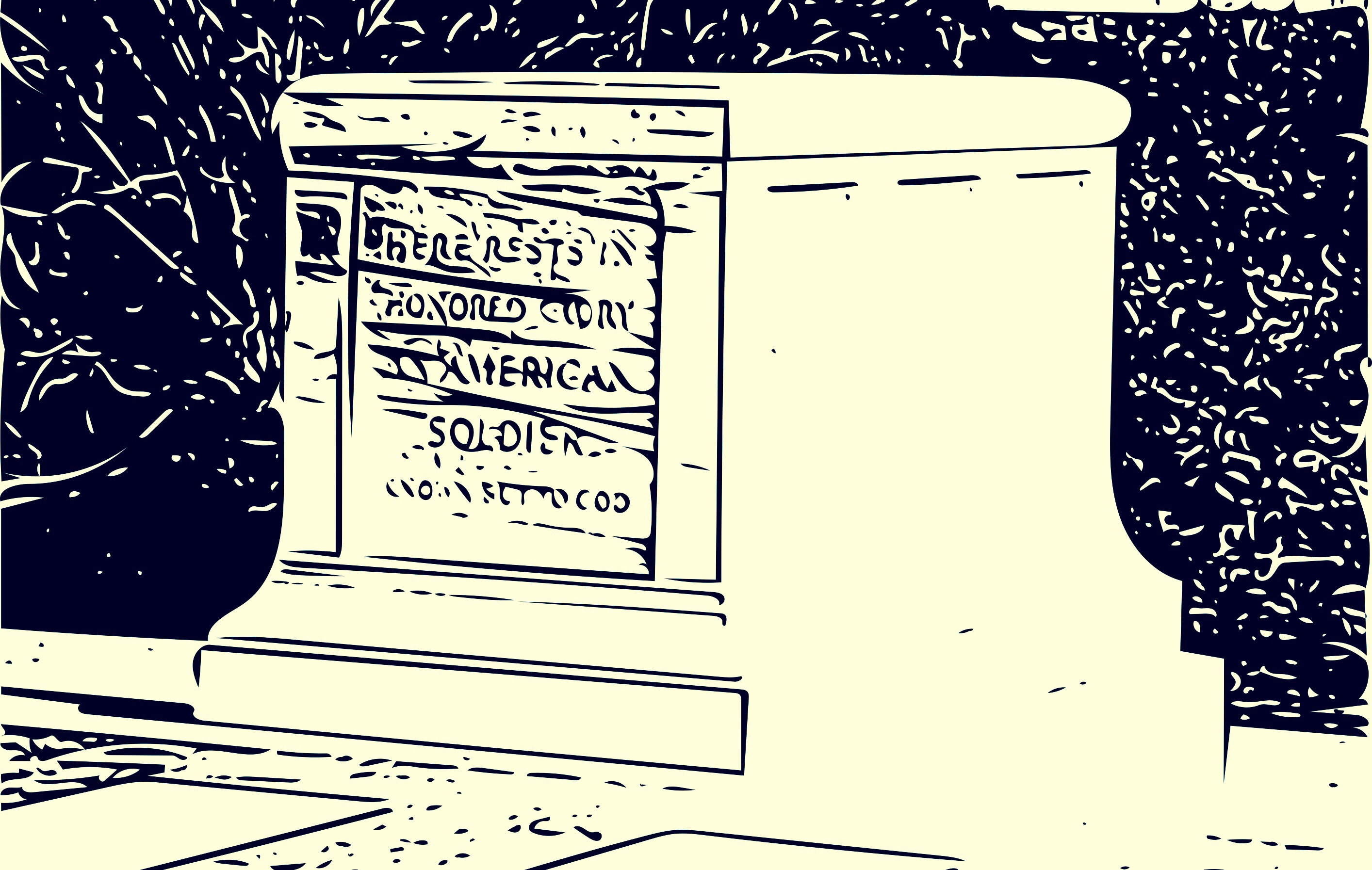
In 1921 on this date, U.S. President Warren G. Harding dedicated the Tomb of the Unknowns at Arlington National Cemetery.

Categories
Today

Cry of Independence

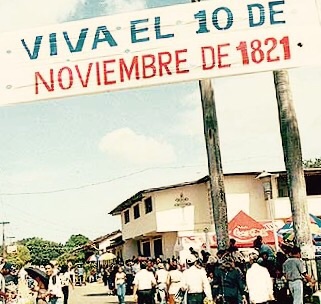
On November 10, 1821, the First Cry of Independence in the small, interior town of Villa de los Santos, occurred in Panama. The November 10 date has since become Panama’s “Cry of Independence Day” in the country. November is a month of independence celebrations in Panama, but the November 10 celebration marks the first signs of the struggle for separation from Spain.

Categories
Today

UK Death Penalty

On November 9, 1998, the death penalty was abolished on all crimes other than murder in the United Kingdom. Murder had already been disallowed from a capital punishment since 1965, and no executions in Great Britain had occurred since that time. But the new law formalized the anti-capital punishment stance.

The idea of reinstating capital punishment has been tried numerous times in England since then, but revelations of false convictions for murder since 1965 have helped put the kibosh on such plans.

Categories
Today

Nixon Tapes

On July 24, 1823, Chile abolished slavery.

On this day in 1974, the U.S. Supreme Court told President Richard Nixon that he lacked constitutional authority to withhold the infamous “Nixon Tapes” from Congress.

July 24 is Pioneer Day in Utah, and Simón Bolívar Day in Bolivia, Ecuador, Colombia, and Venezuela.