Categories
Today

The “Stolen Election”

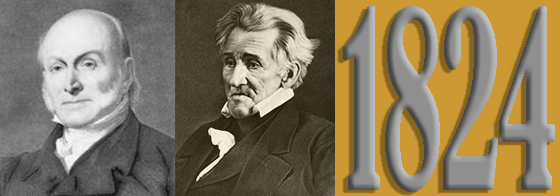
On December 1, 1824, with neither John Quincy Adams nor Andrew Jackson receiving a majority of the total electoral college votes in the election, the United States House of Representatives was given the task of deciding the winner in accordance with the Twelfth Amendment to the United States Constitution.

The House selected Adams. Jackson and his supporters felt deeply aggrieved, and immediately set about preparing for the next election, which Jackson won handily. Jacksonian supporters referred to the election of 1824 as “the Stolen Election,” in no small part because Jackson had received more popular votes.

Categories
Today

Chase and Clemens

On November 30, 1804, the United States House of Representatives began impeachment hearings against Supreme Court Justice Samuel Chase. The House thought he was too partisan, too “Federalist.”

The Senate later acquitted Chase.

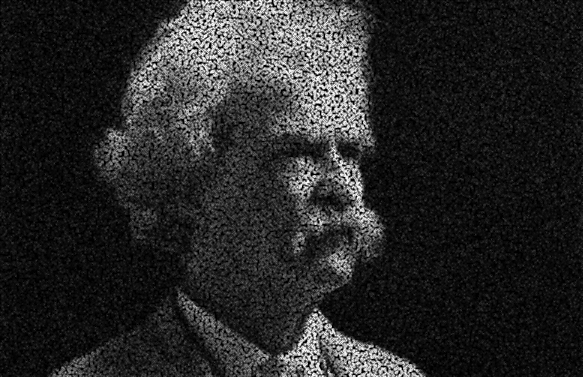
On 1835 on this date, Samuel Clemens was born, later to achieve world fame as author and humorist Mark Twain (pictured above). His most beloved books include The Adventures of Tom Sawyer (1876) and his masterpiece, Adventures of Huckleberry Finn (1885). He died in 1910.

Categories
Today

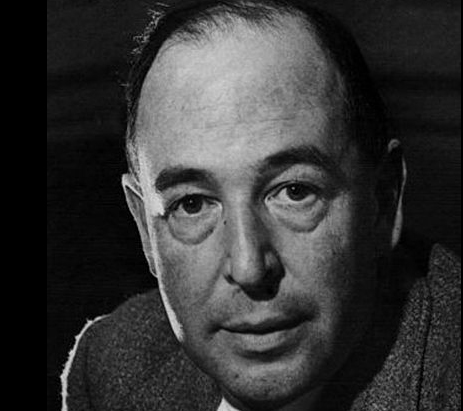
C. S. Lewis

Irish-English medievalist, theologian, and novelist Clive Staples Lewis was born on November 29, 1898. Among his best known works are Out of the Silent Planet, The Problem of Pain, Miracles, and the “Narnia” fantasies for children. His retelling of the Psyche myth, Till We Have Faces, and political essays such as “The Humanitarian Theory of Punishment” and The Abolition of Man, will almost certainly stand the test of time.

Categories
Today

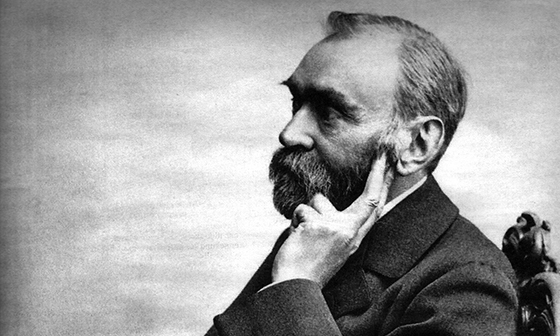
Nobel Prizes

November 27, 1295, the first elected representatives from Lancashire were called to Westminster by King Edward I to attend what later became known as “The Model Parliament.”

On the same date in 1895, Alfred Nobel (pictured) signed his last will and testament, thereby establishing the Nobel Prizes.

Categories
Today

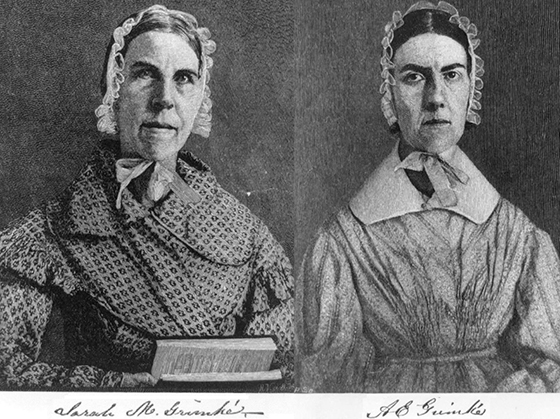
A Grimké Birthday

November 26, 1792, saw the birth of Sarah Moore Grimké, American abolitionist and feminist. She was the elder sister of the equally famed Angelina Emily Grimké Weld.

Categories
Today

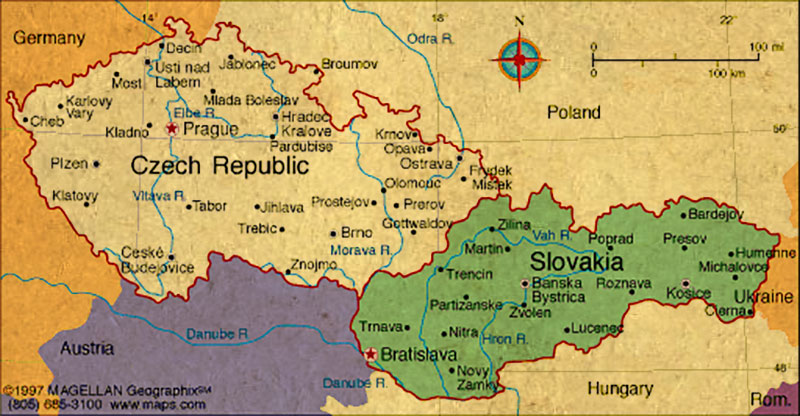
Czech, Slovak

November 25, 1975, Suriname gained independence from the Netherlands.

On the same month and date 17 years later, the Federal Assembly of Czechoslovakia voted to split the country into the Czech Republic and Slovakia (officially disjoined as of January 1, 1993).

Categories
Today

Happy Birthday, Baruch!

November 24th marks the birthdays of philosopher Baruch Spinoza (1632) and three influential Americans: ragtime composer Scott Joplin (1868), self-help writer Dale Carnegie (1888), and conservative editor, writer, and television personality William F. Buckley Jr. (1925).

Categories
Today

Areopagitica

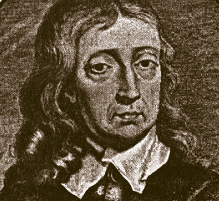
On November 23, 1644, British poet John Milton published Areopagitica, a pamphlet decrying censorship.

Categories
Today

Lewis, Huxley, Burgess

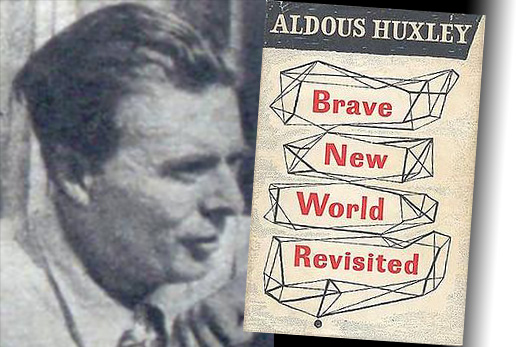
November 22 marks the death dates of a number of eminent writers, including that of British-American novelist and essayist Aldous Huxley and Irish-British novelist, theologian and medieval scholar C.S. Lewis, both of whom died in 1963, the same day as the assassination of American President John F. Kennedy. British novelist Anthony Burgess died exactly 30 years later.

The date also marks the birth of the great British novelist George Eliot (Mary Ann Evans), in 1819.

Recommended reading from these authors include:

Silas Marner (1861), a short and brilliant novel by George Eliot.

Earthly Powers (1980), a massive novel about life in the 20th century, by the ever-iconoclastic and hard-to-pin-down Anthony Burgess.

“The Humanitarian Theory of Punishment” (1949) and Till We Have Faces (1956), the former being C.S. Lewis’s thoughtful essay on the nature of modern tyranny, and the latter being what some regard his best novel, a retelling of the Psyche myth.

Brave New World (1931) and Brave New World Revisited (1958), the former is Aldous Huxley’s classic dystopian satire on technological tyranny, and the latter is the author’s survey of the issues raised by — and the degrees to which reality conforms to — his earlier fictional prophecy.
Categories
Today

Tolstoy

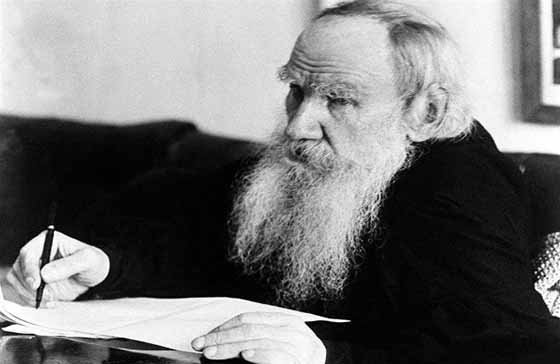
On November 20, 1910, Leo Nikolayevich Tolstoy, Russian author of several classic novels, including War and Peace, and novellas such as The Death of Ivan Ilyich, died. Late in his life he wrote a Letter to a Hindoo and the essay The Kingdom of God Is Within You that later served as a major influence on Mohandes K. Gandhi and the non-violent independence movement in India.