Categories
Today

Two Men, Two Republics

March 15 was “the Ides of March” in the Roman calendar. On that date in 44 BC, Julius Caesar, Dictator of the Roman Republic, was stabbed to death by a handful of prominent senators.

On the same date in 1783, General George Washington eloquently entreated his officers not to support the Newburgh Conspiracy. His plea was successful and the threatened coup d’état never took place.

Categories
Today

Gold

On March 14, 1900, the Gold Standard Act was ratified, ending the long practice of bimetallism by placing the United States Treasury — and banking and currency — on the gold standard.

Categories
Today

1862

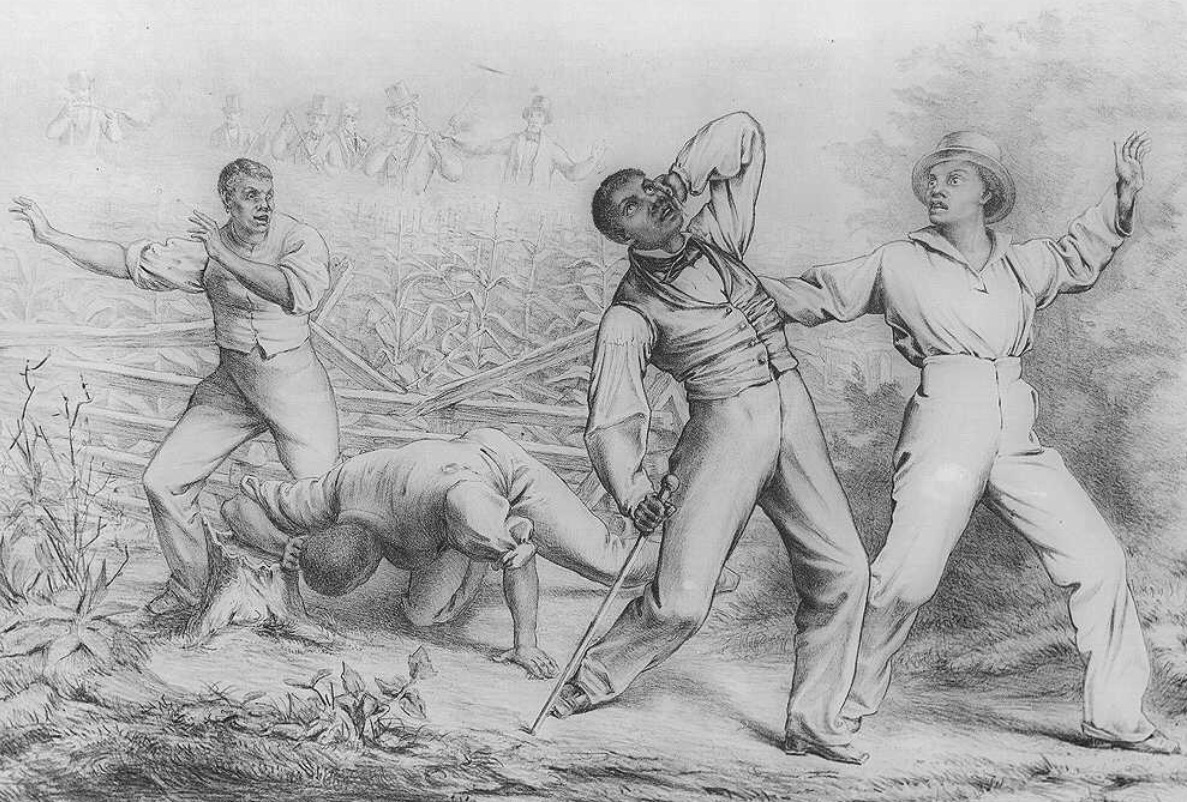
On March 13, 1862, the U.S. federal government forbade all Union army officers from returning fugitive slaves, thus effectively annulling the Fugitive Slave Act of 1850 and setting the stage for the Emancipation Proclamation.

Categories
Today

Two Criminals

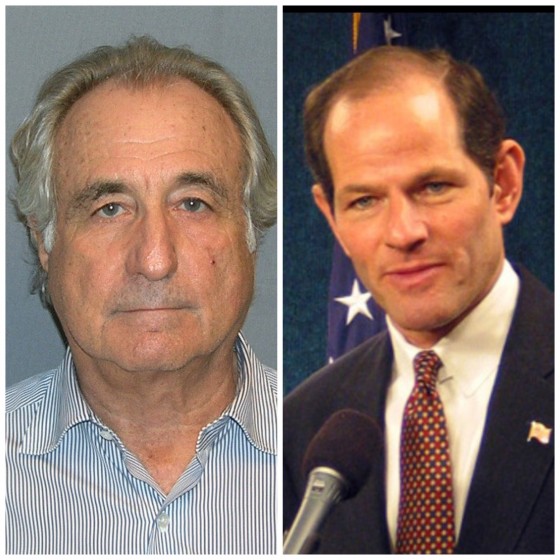
On March 12, 2009, financier Bernard Madoff pled guilty to pulling off perhaps the biggest swindle in U. S. history. One year earlier to the day, in the same city, New York, the state’s governor, Eliot Spitzer, resigned a mere two days after reports had surfaced that he was listed as a client in a high-end escort/call-girl prostitution ring. The cause of freedom is advanced with every criminal nabbed and every hypocritical illiberal politician disgraced.

Categories
Today

Daily Courant

On March 11, 1702, The Daily Courant, England’s first national daily newspaper, was published for the first time. It was a one-sheet, concentrated on foreign news, sans commentary. The reverse side sported advertising. It was produced by Elizabeth Mallet (1672–1706), a printer and bookseller who lived, and published the paper, next to the Kings Arms tavern at Fleet Bridge in London.

Categories
Today

The Mahatma

On March 10, 1922, Mahatma Gandhi was arrested in India, tried for sedition, and sentenced to six years in prison, only to be released nearly two years later for an appendicitis operation.

Categories
Today

William Cobbett

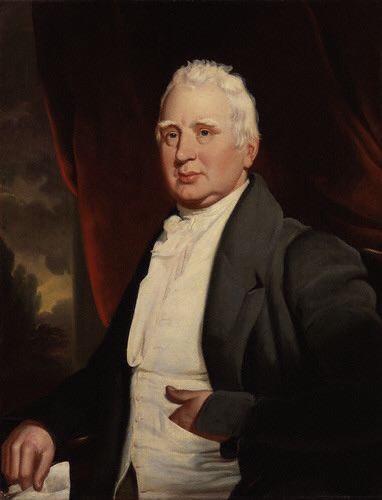
March 9 marks the 1763 birthday of British pamphleteer and activist William Cobbett. Cobbett was known for his lifelong opposition to authority, and his later-in-life “radicalism,” which included his opposition to Britain’s protectionist Corn Laws, and his support for Catholic Emancipation. Cobbett died in 1835.

In 1776 on this date, Scottish philosopher Adam Smith first published An Inquiry into the Nature and Causes of the Wealth of Nations, which became the first widely accepted landmark work in the field of economics. It was not the first general treatise on the subject, however; that designation almost certainly belongs to banker Richard Cantillon’s Essai sur la Nature du Commerce en Général, cited by Smith in his more famous book. It is also worth noting that Étienne Bonnot de Condillac’s systematic treatise, Le Commerce et le Gouvernement, also saw publication in 1776.

On March 9, 1862, the USS Monitor and CSS Virginia fought to a draw in the Battle of Hampton Roads, the first battle between two ironclad warships. The Virginia was built on the remains of the USS Merrimack, and the battle is often referred to as between “the Monitor and the Merrimack.”

Categories
Today

Slavery and Anti-Slavery in America

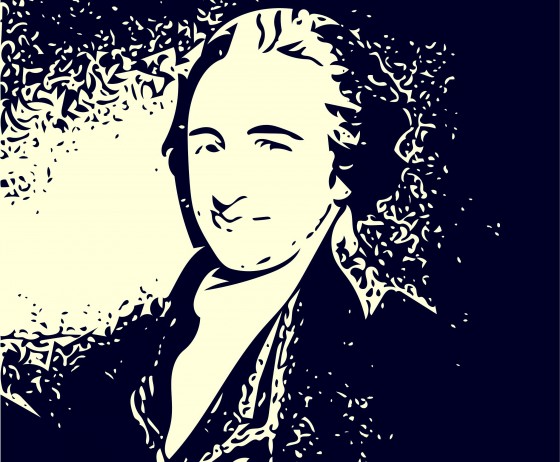
On March 8, 1775, “African Slavery In America,” the first known essay advocating the abolition of slavery in America, was published anonymously in the Pennsylvania Journal and the Weekly Advertiser. Thomas Paine (pictured) is believed to be the essay’s author.

The first anti-slavery society was formed in Philadelphia weeks after publication, and Paine was a founding member.

Exactly 120 years earlier, a court in Northampton County of the Virginia Colony ruled that John Casor, then working as an indentured servant to Robert Palmer, must be returned to Anthony Johnson as Johnson’s “lawful” slave for life. Ironically, Johnson was one of the original indentured servants brought to Jamestown, had completed his indenture to become a “free Negro” and the first African landowner in the colony. The case marked the first person of African descent to be legally-recognized as a lifelong slave in England‘s North American colonies. The first official chattel slave in English-speaking North America was of African descent, and was owned by a man also of African descent.


Centenary Dates:

The February Revolution began on February 23, 1917 (Old Style calendar: March 8 by modern reckoning), in Russia: Women calling for bread in Petrograd started riots, which spontaneously spread throughout the city.

On March 8, the United States Senate adopts the cloture rule in order to limit filibusters.
Categories
Today

The First American Bicameral

On March 7, 1644, Massachusetts established the first two-chamber legislature in the American colonies.

One hundred thirty years later, to the day, British forces closed the port of Boston to all commerce.

Categories
Today

Lana Peters & others

On March 6, 1967, Soviet Premiere Joseph Stalin’s only daughter, Svetlana Alliluyeva, defected to the United States. (She later took the name Lana Peters, upon marriage to William Wesley Peters. The marriage was short-lived.)

| The March 6 date also marks term limits advocate and initiative organizer Paul Jacob’s birthday. He was born on the anniversary of the births of Michaelangelo, Cryano de Bergerac, and Alan Greenspan. He is also, obviously, the reason this site, ThisIsCommonSense.com, exists. (It continues, however, only through the continued support of readers like you.)

| On this day in 1820, the Missouri Compromise was signed into law by President James Monroe. The compromise allowed Missouri to enter the Union as a slave state, brought Maine into the Union as a free state, and made the rest of the northern part of the Louisiana Purchase territory slavery-free.