On September 23, 1905, Norway and Sweden signed the “Karlstad treaty,” peacefully dissolving the union between the two countries.
Categories
Sweden minus Norway
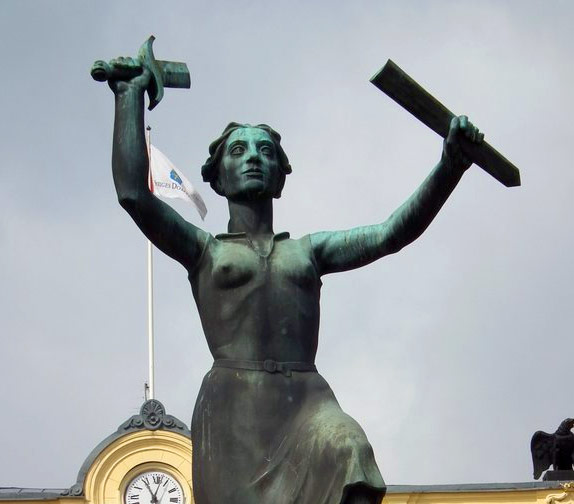
On September 23, 1905, Norway and Sweden signed the “Karlstad treaty,” peacefully dissolving the union between the two countries.
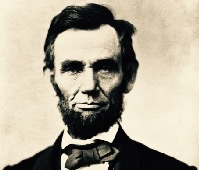
On September 22, 1862, U.S. President Abraham Lincoln issued a preliminary proclamation that he would order the emancipation of all slaves in any state of the Confederate States of America that did not return to Union control by January 1, 1863. None returned, and the subsequent order, signed and issued January 1, 1863, took effect except in locations where the Union had already mostly regained control.
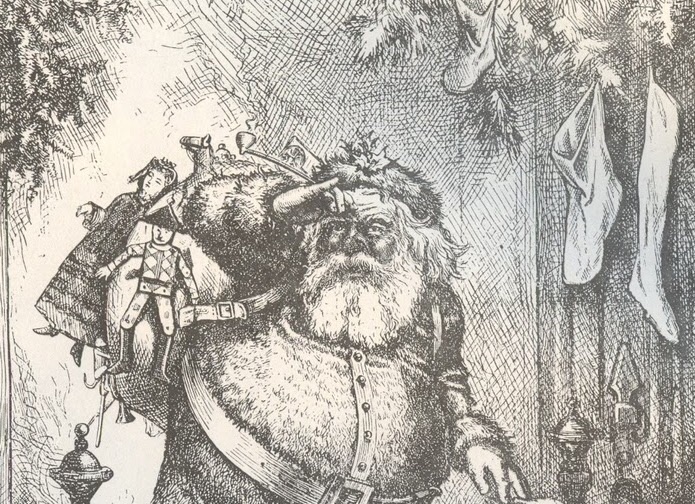
On September 21, 1897, the “Yes, Virginia, there is a Santa Claus” editorial was published in the New York Sun. Note how long before Christmas this is. The Christmas season has long been a long affair.
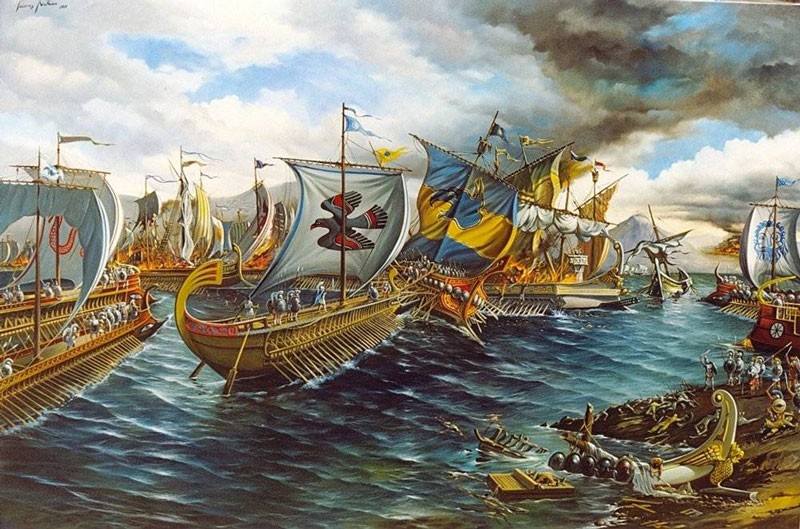
On September 20, 480 BC, Greeks defeated Persian forces in the battle of Salamis.
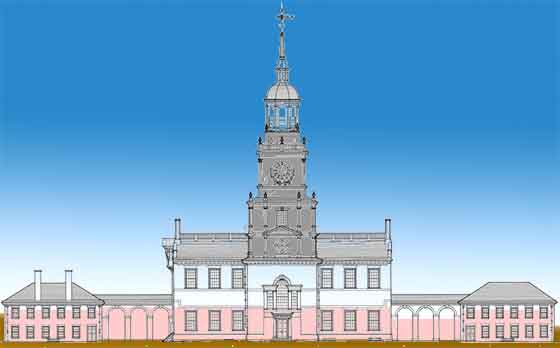
On September 19, 1778, the Continental Congress passed the first budget of the United States.
Congress last passed a budget in 1997.
On September 18, 1793, George Washington laid the cornerstone of the Capitol building.
It has grown, since.
On September 18, 1838, Richard Cobden established the Anti-Corn Law League, which proceeded to bring free trade to Britain.
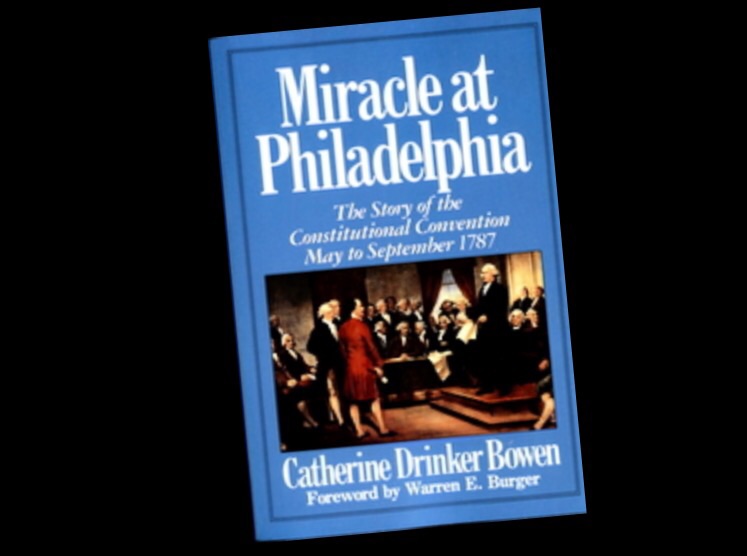
On September 17, 1787, the Constitution of the United States was signed in Philadelphia, Pennsylvania.
In 1849 on this same day in September, Harriet Tubman escaped to freedom in Philadelphia, but soon returned to Maryland to rescue her family. She made at least 13 trips into the slave-owning South to liberate more than 70 slaves before the Civil War (in which she served as a spy for the North).
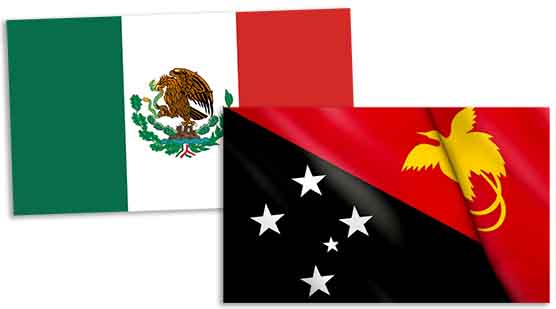
September 16 marks the Independence Days for Mexico (celebrating the declaration of independence from Spain in 1810) and Papua New Guinea (commemorating the exit from Australia in 1975).
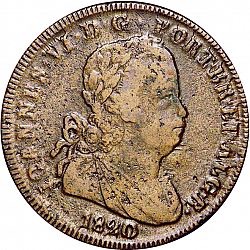
On September 15, 1820, an uprising occurred in Lisbon, Portugal, following similar insurrection in Porto the previous month. This was no bloodthirsty mob, but, instead, a popular demand for constitutional government. Unfortunately, the country was beset with imperial and monarchical problems for some time to come.
The United Nations established September 15 as International Day of Democracy, in 2007. An Independence Day is celebrated on this date in Guatemala (a Patriotic Day), El Salvador, Honduras, Nicaragua, and Costa Rica, commemorating independence from Spain in 1821.
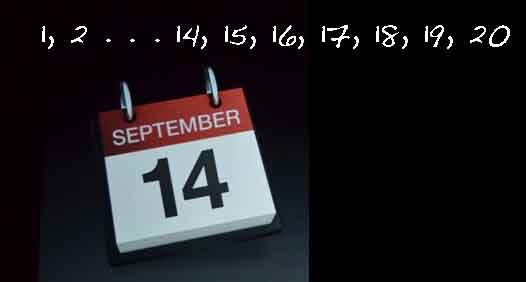
In 1752, throughout the British Empire, September 2 was followed, the next day, by September 14, as the government adopted the Gregorian calendar, skipping eleven days.
On September 14, 1944, Maastricht becomes the first Dutch city to be liberated by allied forces.