On July 10, 1832, U.S. President Andrew Jackson vetoed a bill to re-charter the Second Bank of the United States, in effect ending formal central banking in the United States until the establishment of the Federal Reserve in 1913.
Anti-Bankster
On July 10, 1832, U.S. President Andrew Jackson vetoed a bill to re-charter the Second Bank of the United States, in effect ending formal central banking in the United States until the establishment of the Federal Reserve in 1913.
On July 9, 1896, William Jennings Bryan delivered his “Cross of Gold” speech advocating bi-metallist inflationism at the 1896 Democratic National Convention in Chicago, Illinois, a triumph of rhetoric over reason that solidified the takeover of the Democratic Party by reformers utterly ignorant of basic economics.
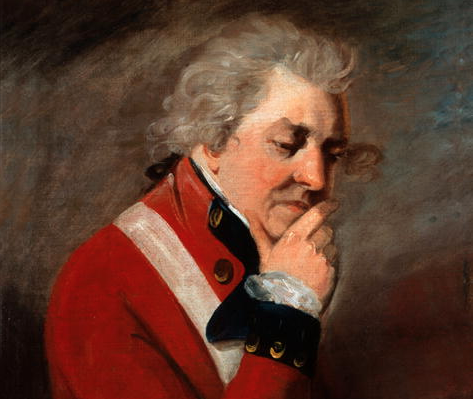
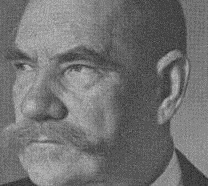
On July 8, 1839, American industrialist John D. Rockefeller was born. On this same date in 1907, businessman and politician George W. Romney was born. Died on this date, American founding politician, Luther Martin [pictured], in 1826.
Martin is famed among founding fathers for refusing to sign the U.S. Constitution, seeing the new compact as unduly centralizing and nationalistic.
July 7 is Independence Day in the Solomon Islands, commemorating the island nation’s political separation in 1978.
The “separation” may be over-stated, however: though self-government was achieved in 1976, and political independence for the islands obtained two years later, Solomon Islands remains a constitutional monarchy with the Queen of Solomon Islands, currently Great Britain’s Queen Elizabeth II, as its head of state. Sir Frank Utu Ofagioro Kabui has been the Governor General since 2009, and Manasseh Damukana Sogavare has served as Prime Minister since late April.
July 6 serves better as a “Today in Tyranny” marker than anything positive, at least when you consider these events:
July Fourth events include:
1054 – A supernova was spotted by Chinese, Arab, and possibly Amerindian observers near the star Zeta Tauri, remaining, for several months, bright enough to be seen during the day. Its remnants form the Crab Nebula.
1776 — The Second Continental Congress approved the Declaration of Independence, thus formalizing its policy of secession from the rule of the Kingdom of Great Britain.
1803 — The Louisiana Purchase was announced to the American people.
1804 – Nathaniel Hawthorne, American author of The Scarlet Letter, House of Seven Gables, The Blithesdale Romance, and other classics, was born. Hawthorne became part of the Young America literary movement spawned by Loco-Foco political activism in New England.
1826 – Thomas Jefferson, third president of the United States, died a few hours before John Adams, second president of the United States, on the fiftieth anniversary of the adoption of the United States’ Declaration of Independence.
1826 – Stephen Foster, composer of “Old Black Joe,” “Beautiful Dreamer,” and many other classic American songs, was born.
1827 – Slavery was abolished in New York State.
1831 – Samuel Francis Smith wrote “My Country, ’Tis of Thee” for Boston’s July 4th festivities, set to the tune of Great Britain’s national anthem, “God Save the King/Queen.”
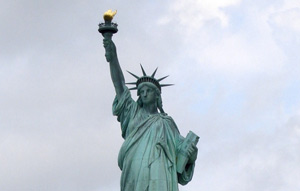
2009 – The Statue of Liberty’s crown re-opened to the public after eight years of closure that resulted from security concerns following the September 11, 2001, attacks.
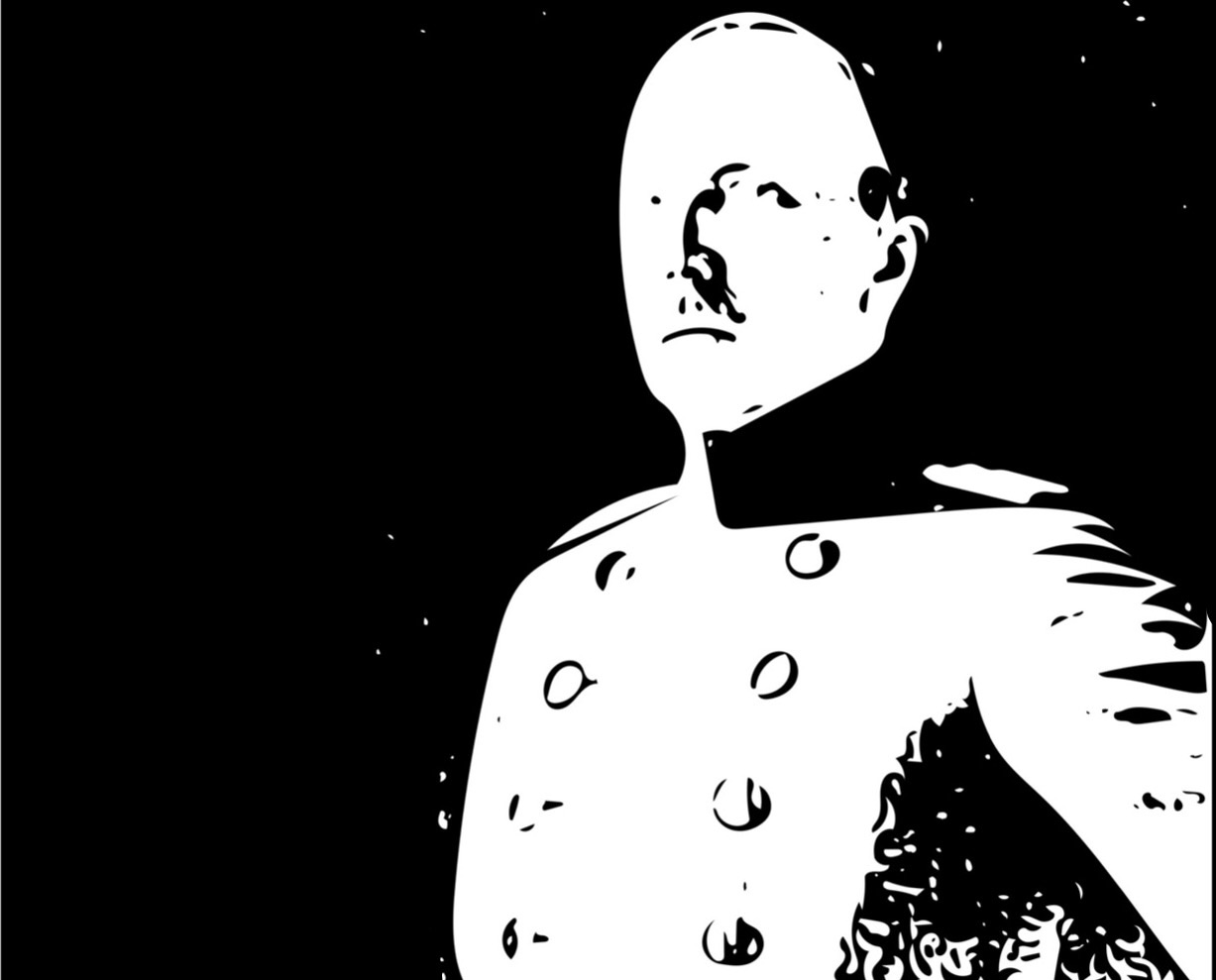
July 3 marks the 1947 birthday of Dave Barry (pictured), American columnist and author.
Five years later on the same date, Puerto Rico’s Constitution was approved by the Congress of the United States.
On July 2, 1776, the Continental Congress un-tabled the Lee Resolution and voted to sever ties with the Kingdom of Great Britain.
One year later, to the day, Vermont became the first American territory to abolish slavery.
On July 1, 1766, François-Jean de la Barre, a young French nobleman, was tortured and beheaded before his body was burnt on a pyre along with a copy of Voltaire’s Dictionnaire philosophique nailed to his torso for the crime of not saluting a Roman Catholic religious procession in Abbeville, France.
On June 30, 1801, Frédéric Bastiat was born. Bastiat became one of the most important French Liberal School economists, following Condilliac and Jean-Baptiste Say, best known for his books Economic Harmonies and Economic Sophisms and two monographs, “The Seen and the Unseen,” and “The Law.” He was a brilliant stylist and perceptive critic of state-managed trade. His influence on conservative, libertarian and “limited-government thought” has been vast.
The emergency number of “999” was introduced in London, June 30, 1937, the first of its kind — arguably the best innovation in better government service in modern times.