On December 29, 1911, Mongolia gained independence from the Qing Dynasty.
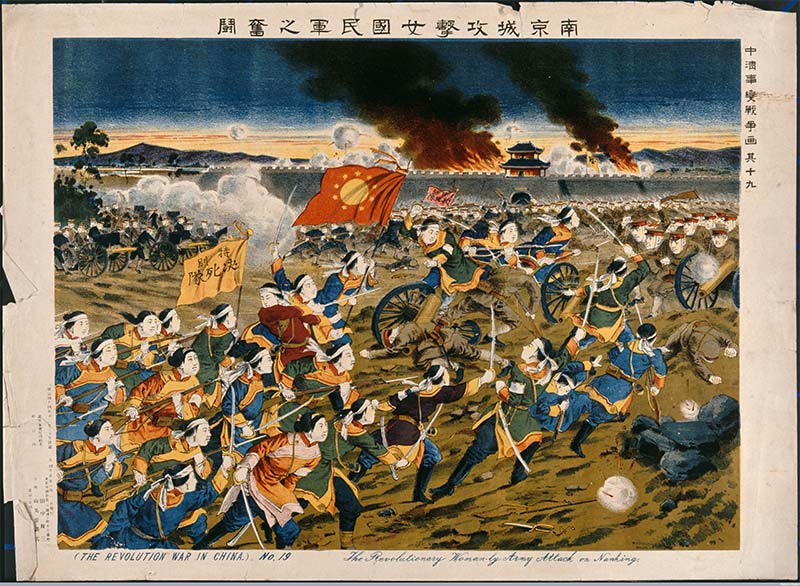
On December 29, 1911, Mongolia gained independence from the Qing Dynasty.
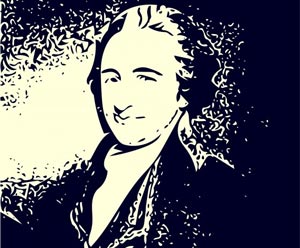
On December 28, 1797, Thomas Paine was arrested in France for treason, after being tried in absentia on December 26 and convicted. Before moving to France, Paine had been an instrumental figure in the American Revolution as the author of Common Sense. Paine then moved to Paris to become involved with the French Revolution, but the chaotic political climate turned against him. Paine had not earned friends in the Revolution with his vocal opposition to capital punishment.
“During the whole of my imprisonment,” Paine later wrote, “prior to the fall of Robespierre, there was no time when I could think my life worth twenty-four hours, and my mind was made up to meet its fate. The Americans in Paris went in a body to the convention to reclaim me, but without success.”
Paine’s imprisonment in France caused a general uproar in America. Future President James Monroe used all of his diplomatic connections to get Paine released in November 1794.
With the publication of Paine’s The Age of Reason — a great part of which he wrote in French prison — the American population turned against him, and he died penniless in New York in 1809.
On this date in 1832, John C. Calhoun resigned as Vice President of the United States, the first to do so.
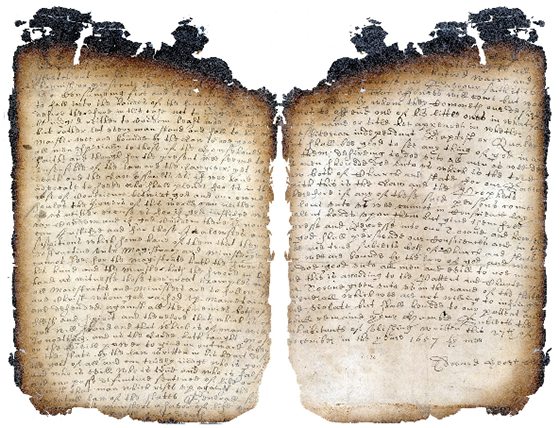
On December 27, 1657, a group of English citizens in Flushing, New York, who were not themselves Quakers, signed a petition protesting the persecution of Quakers, a document that has become known as the Flushing Remonstrance. An eloquent statement of the principle of religious liberty, it is widely regarded as a forerunner to the U.S. Constitution’s First Amendment.
The petition was delivered to Director-General of New Netherlands, Peter Stuyvesant.
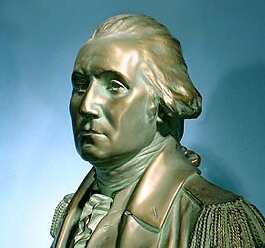
December 26, 1799 – Henry Lee III’s eulogy to George Washington in Congress declared him “first in war, first in peace and first in the hearts of his countrymen.”
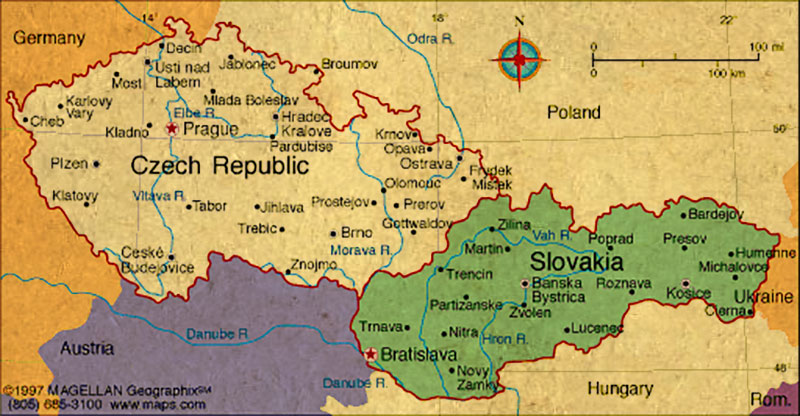
November 25, 1975, Suriname gained independence from the Netherlands.
On the same month and date 17 years later, the Federal Assembly of Czechoslovakia voted to split the country into the Czech Republic and Slovakia (officially disjoined as of January 1, 1993). This split has been called “The Velvet Divorce” (following, in style and method, “The Velvet Revolution”).
November 24th marks the birthdays of philosopher Baruch Spinoza (1632) and three influential Americans: ragtime composer Scott Joplin (1868), self-help writer Dale Carnegie (1888), and conservative editor, writer, and television personality William F. Buckley Jr. (1925).
On December 23, 1783, George Washington resigned as commander-in-chief of the Continental Army, at the Maryland State House in Annapolis, Maryland.
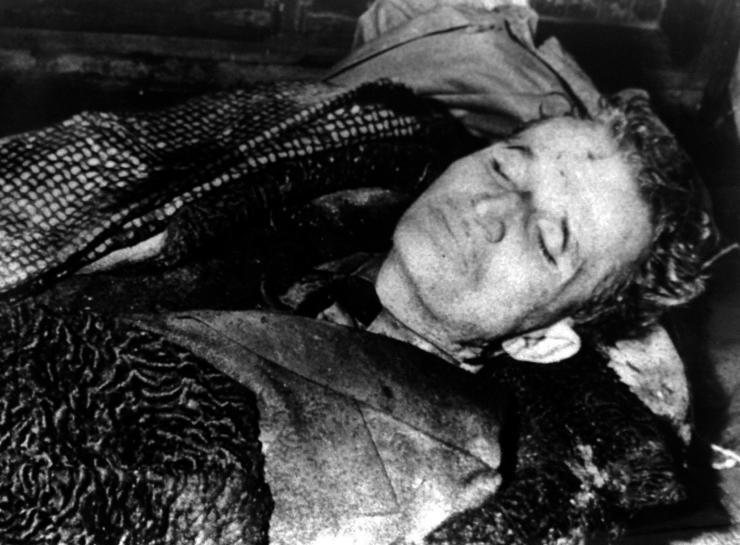
On December 22, 1989, Communist President of Romania Nicolae Ceaușescu was overthrown by Ion Iliescu after days of bloody confrontations. The deposed dictator and his wife fled Bucharest with a helicopter as protesters erupted in cheers.
The couple was quickly caught and, on Christmas day, tried by a military tribunal and executed by firing squad.
On December 21, 1620, William Bradford and the Mayflower Pilgrims landed on what is now known as Plymouth Rock in Plymouth, Massachusetts.
American settlers in Nacogdoches, Mexican Texas, declared their independence on December 21, 1826, starting the Fredonian Rebellion.
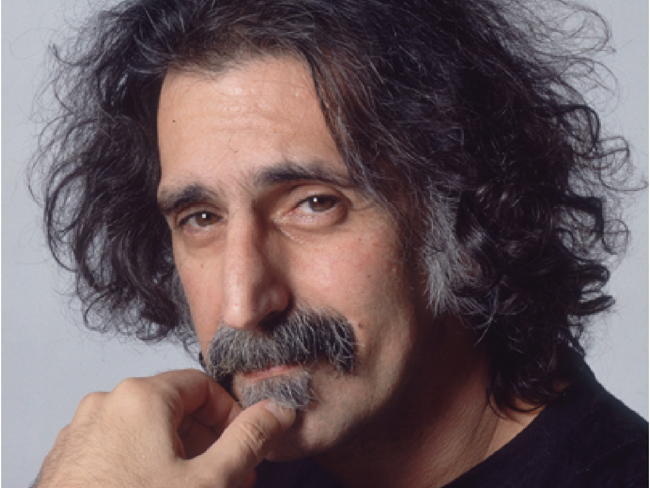
Avant-garde rock ’n’ roll guitarist, band leader, and composer Frank Zappa was born on this date in 1940. In 1985, Zappa testified before the United States Senate Commerce, Technology, and Transportation committee, attacking the Parents Music Resource Center or PMRC, a music organization co-founded by Tipper Gore, wife of then-senator Al Gore. Zappa was a passionate advocate for freedom of speech, self-education, political participation and the abolition of censorship. Describing his political views, Frank Zappa categorized himself as a “practical conservative,” or “independent.” He died in 1993.
On December 20, 1740, Arthur Lee — Revolutionary Era diplomat, spy, and Virginia delegate to the Continental Congress — was born. He practiced law in London from 1770 to 1776, where he wrote polemics against slavery and in defense of the American colonies’ resistance to the Townshend acts and other tyrannical British policies.
He was brother to Richard Henry Lee and Francis Lightfoot Lee.