Categories
Today

Montessori & a Mess

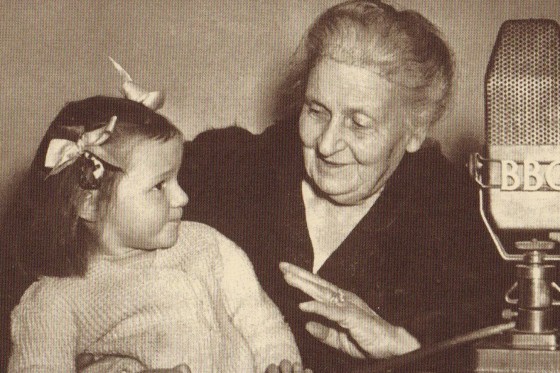
On January 6, 1907, Maria Montessori opened her first school and daycare center for working class children in Rome, Italy.

In 1912 on this date New Mexico became the 47th state of America’s United States.

On this date in 1941, President Franklin Delano Roosevelt delivered his “Four Freedoms” State of the Union speech, emphasizing vague “freedoms” that enabled government to usurp definable freedoms.

On January 6, 2021, lame duck President Donald John Trump gave a speech in Washington, D.C., aiming to rouse his supporters to pressure the U.S. Senate not to certify some states’ Electoral College votes in Election 2020, to address “election fraud.” Before his speech ended, and under questionable circumstances, some of his supporters (along with some possible false flag agents) broke into the Capitol to set off one of the great political controversies of our time.
Categories
Today

Ford’s Five

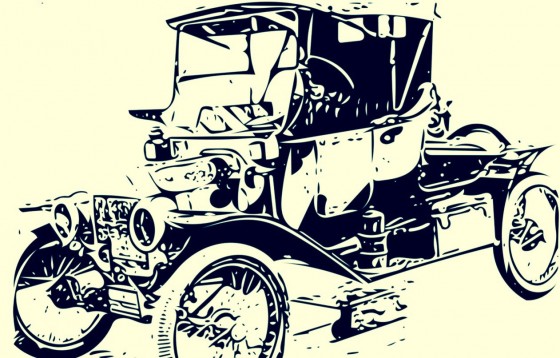
On January 5, 1914, the Ford Motor Company announced an eight-hour workday and a minimum wage of $5 for a day’s labor.

Categories
Today

King Charles

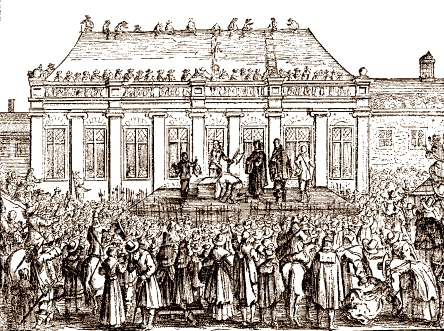
On Jan. 4, 1642, King Charles I of England sent soldiers to arrest members of Parliament, beginning England’s slide into civil war.

On Jan. 4, 1649, the English “Rump Parliament,” having purged those members willing to restore Charles I to the throne, voted to put Charles I on trial for high treason. Before the month was over, the king had been executed.

Categories
Today

Cicero, Cornwallis, Craig, Tolkien

On the third of January in 1777, American General George Washington defeats British General Lord Cornwallis’s forces in the Battle of Princeton.

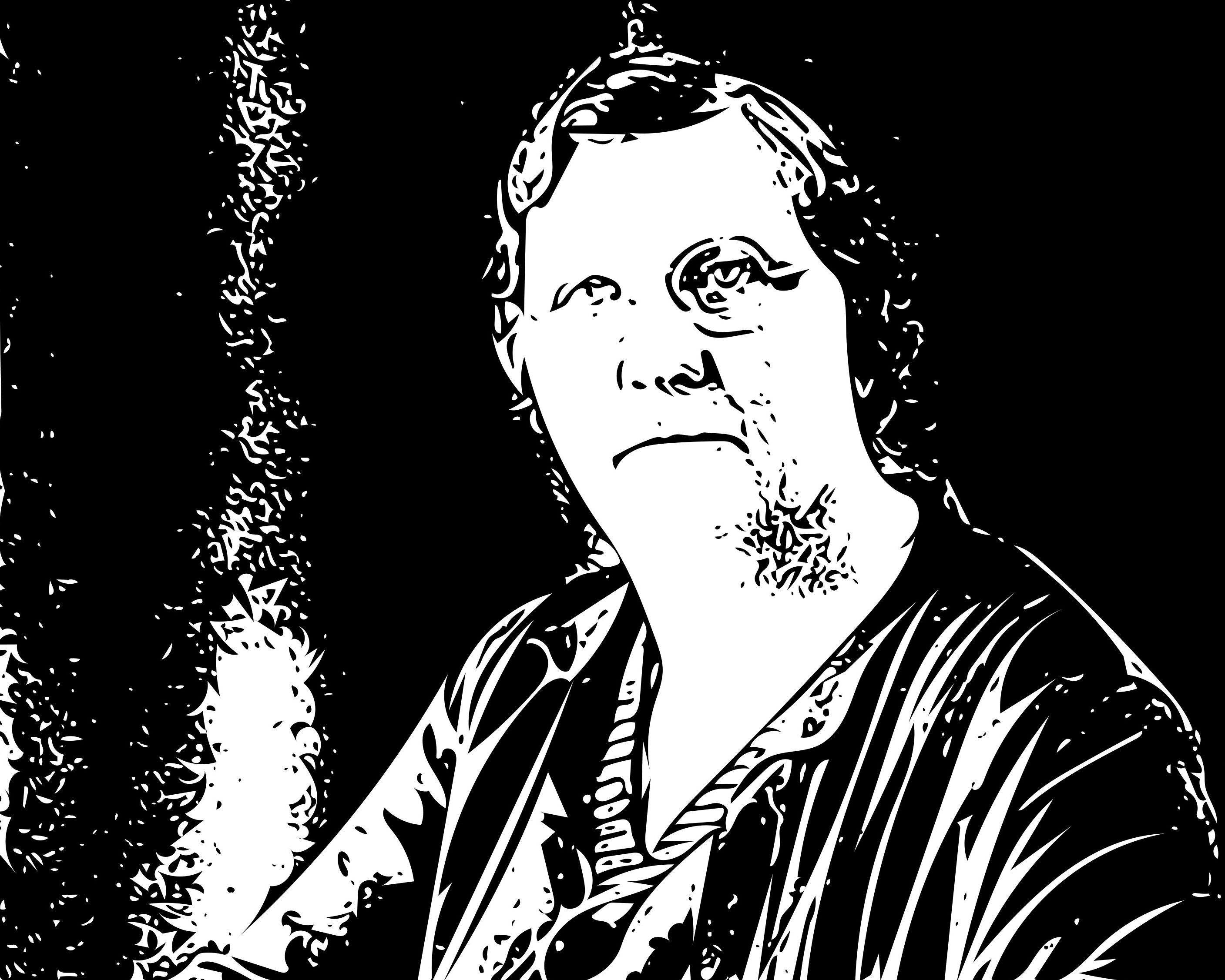
On January 3, 1933, Minnie D. Craig (pictured above) became the first woman elected as Speaker of the North Dakota House of Representatives, the first female to hold a Speaker position anywhere in the United States.

On the same date in 1977, Apple Computer was incorporated.

January 3rd birthdays include that of Cicero (106 BC), Roman philosopher and theorist of republicanism, and J.R.R. Tolkien (1892 AD), English philologist and author of The Hobbit and The Lord of the Rings. Both authors were deeply concerned about the problem of absolute power.

Categories
Today

A Fourth & a First

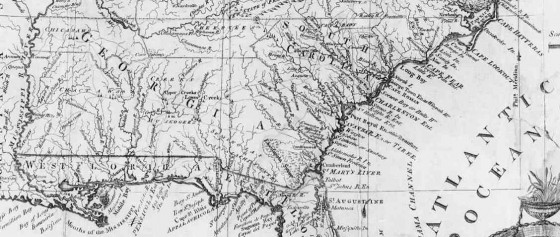
On January 2, 1788, Georgia became the fourth state to ratify the United States Constitution.

On the second day of 1819, the Panic of 1819, the first major peacetime financial crisis in the United States, began. The classic historical treatment of this crisis remains Murray Rothbard’s dissertation.

Categories
Today

International Slave Trade

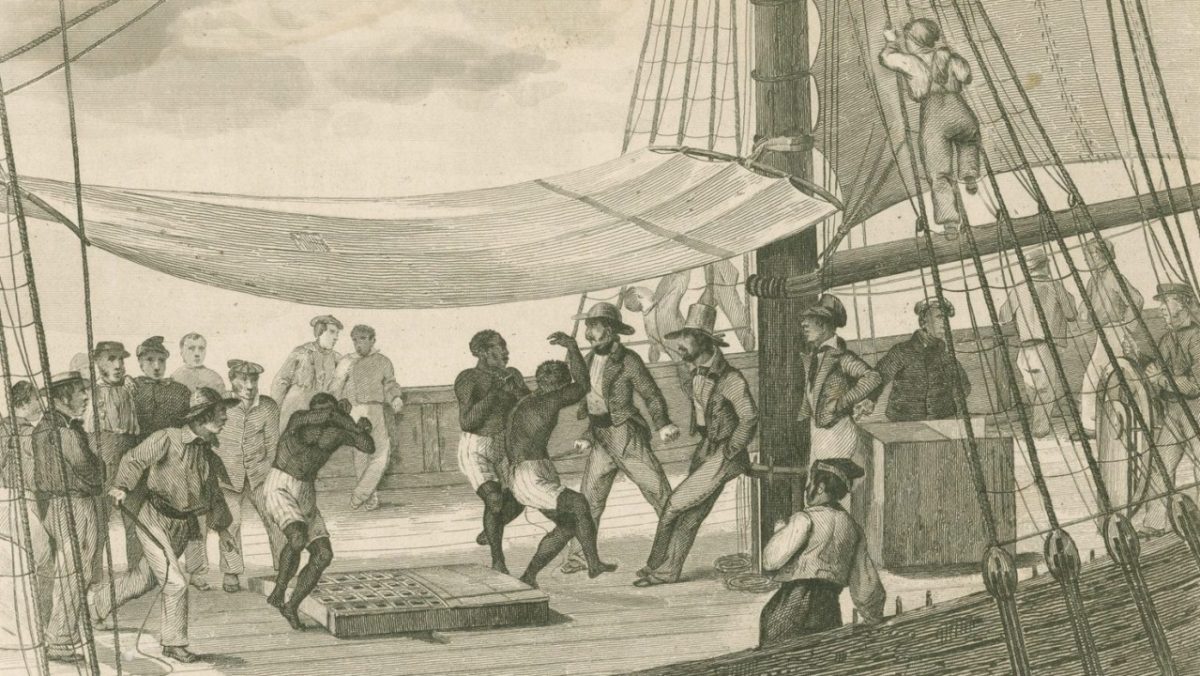
On January 1, 1808, the importation of slaves into the United States was banned.

Categories
Today

Bricked Windows

On December 31, 1695, Englanders received a new tax, a window tax. One of the main responses to this was the bricking up of many British windows.

This last day of the year in 1991 marked the complete cessation of all institutions of the Soviet Union.

New Year’s Eve 1992 saw the peaceful dissolution of Czechoslovakia into the Czech Republic and Slovakia. This has been dubbed the “Velvet Divorce.”

Categories
Today

Student of Law

On December 30, 1919, Lincoln’s Inn in London, England, admitted its first female bar student.

Categories
Today

Mongolia

On December 29, 1911, Mongolia gained independence from the Qing Dynasty.

Categories
Today

Arrest; Resignation

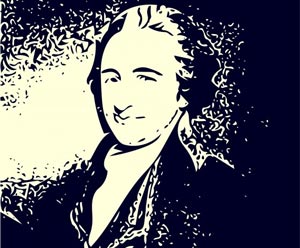
On December 28, 1797, Thomas Paine was arrested in France for treason, after being tried (and convicted) in absentia on December 26. Prior to moving to France, Paine had been an instrumental figure in the American Revolution as the author of Common Sense. Paine then moved to Paris to help along the French Revolution, but the chaotic political climate turned against him. Paine had not earned friends in the Revolution with his vocal opposition to capital punishment.

“During the whole of my imprisonment,” Paine later wrote, “prior to the fall of Robespierre, there was no time when I could think my life worth twenty-four hours, and my mind was made up to meet its fate. The Americans in Paris went in a body to the convention to reclaim me, but without success.”

Paine’s imprisonment in France caused a general uproar in America. Future President James Monroe used all of his diplomatic connections to get Paine released in November 1794.

With the publication of Paine’s secular tract, The Age of Reason — a great part of which he wrote in French prison — the American population turned against him, and he died penniless in New York in 1809.


On this date in 1832, John C. Calhoun resigned as Vice President of the United States, the first to do so.