Categories
Today

William Tyndale

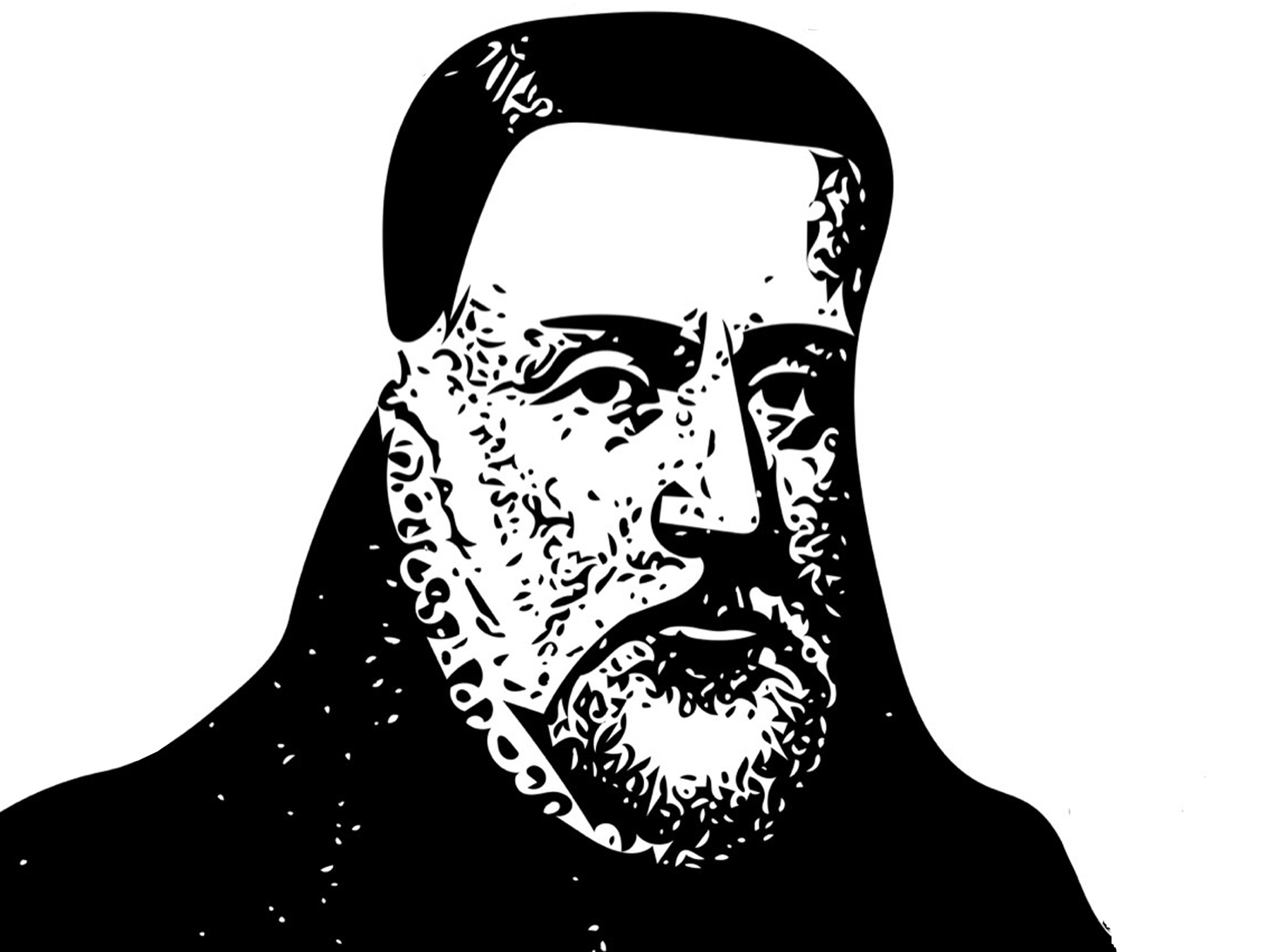
October 6 is the traditional date commemorating the martyrdom of William Tyndale, in 1536. Tyndale translated the New Testament and much of the Old into the English of his day, and in the process added more new words into the English language than any other single wordsmith, with the possible exception of Shakespeare. He also laid the ground for the later, and more famous, King James (“Authorized”) Edition of the Bible.

Among his memorable coinages and turns of phrase coined as translations from Hebrew and Greek into English include

  • Passover (constructed from the Hebrew Pesach or Pesah)
  • scapegoat
  • a moment in time
  • the powers that be
  • the salt of the earth
  • a law unto themselves
  • it came to pass
  • the signs of the times
  • filthy lucre
Categories
Today

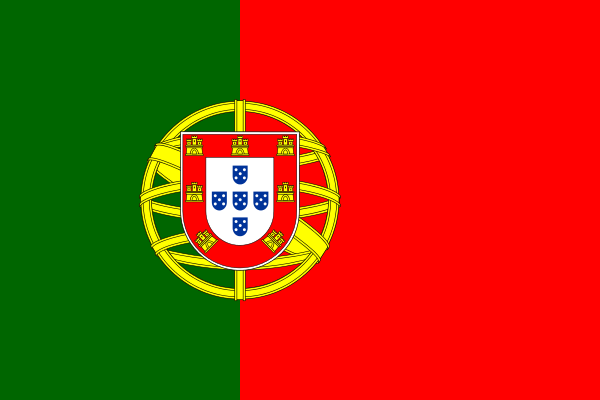
A Republic

On October 5, 1910, the Portuguese monarchy was overthrown and a republic declared.

Categories
Today

SpaceShipOne

On October 4, 2004, SpaceShipOne became the first private craft to fly into space, thereby winning the Ansari X Prize for private spaceflight.

Categories
Today

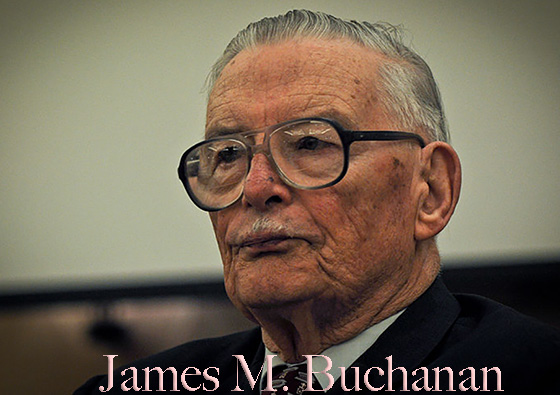
Buchanan & Vidal

On October 3, 1919, James M. Buchanan was born. Buchanan would develop the theory of “Public Choice,” and receiving the 1986 Nobel Memorial Prize in Economic Sciences for his work. His books include Cost and Choice, The Calculus of Consent (with Gordon Tullock), and The Limits of Liberty: Between Anarchy and Leviathan. Some of his most interesting research was into the realm of constitutional theory and practice.

He died January 9, 2013.


In 1925, on this date, Gore Vidal was born. Vidal would go on to become one of the leading post-WWII liberal essayists as well as a major novelist and screenwriter. His most famous novels include Burr, 1876, and Lincoln, installments in his American history series; his collection of essays, The United States, was one of his many bestsellers. Vidal was an elitist who expressed sympathy for populism and socialism, but also was a radical civil libertarian, and may occupy the extreme of the “liberal” quadrant in American political ideology: great on personal liberties but quite bad on market/property liberties.

He died on July 31, 2012.

Categories
Today

Stroke of Luck

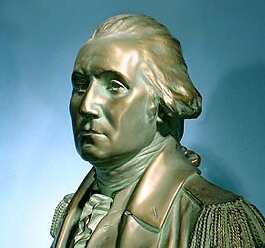
On October 2, 1789, George Washington sent the proposed Constitutional amendments (the United States’ Constitution’s Bill of Rights) to the States for ratification.

On the same date in 1919, U.S. President Woodrow Wilson suffered a massive stroke, leaving him partially paralyzed, preventing him from reacting to the economic downturn following the Great War in a Progressive fashion, making his response de facto laissez faire. One insider, and skeptic of Progressive hubris, archly referred to Wilson’s incapacitation as “a stroke of luck.”

His successor in office, President Warren G. Harding, would go on to massively cut spending as well as taxes, and take on regulation as well. He also released Woodrow Wilson’s domestic war prisoners — ranging from journalists, ordinary folk to socialist presidential candidate Eugene V. Debs — who had dissented from Wilson’s involvement in the war.

The Depression of the early 1920s, though as deep as the early 1930s, proved remarkably brief, thanks to Harding . . . and a “stroke of luck.”

Categories
Today

Model T

On October 1, 1908, Ford produced the first Model T at a plant in Detroit. The auto could travel 40 miles per hour and ran on gasoline or hemp-based fuel. (As oil prices fell, Ford phased out the hemp option.) The Model T was the first car designed for a mass market, rather than as a luxury item. By 1927, Ford had built 15 million Model T cars – the longest production run of any car model until the Volkswagen Beetle surpassed it in 1972.

On October 1, 1918, Lawrence of Arabia (T.E. Lawrence) helped lead a combined Arab and British force that captured Damascus from the Turks during World War I.

Categories
Today too much government

Blasphemy? Independence?

Botswanans celebrate their independence from Great Britain with an official day on September 30.

Also, September 30 has served as Blasphemy Rights Day since 2009, when it was initiated by the Center for Inquiry.

Categories
Today

Congress & Mises

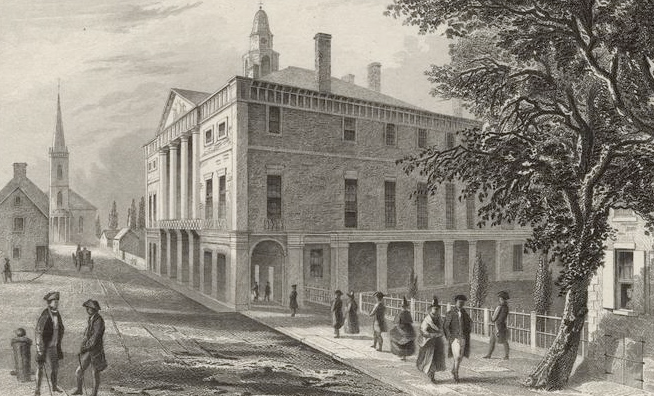
On September 29, 1789, the first Congress of the United States under the new Constitution adjourned.

On the same date in 1881, economist Ludwig von Mises was born in Lemberg, Galicia, of the Austria-Hungary Empire (now Lviv, Ukraine).

Categories
Today

SpaceX

On September 28, 2008, SpaceX launched the Falcon 1, the first private spacecraft to go into orbit around planet Earth.

Categories
Today

Congress on the Run

Lancaster, Pennsylvania — home to James Buchanan, Jr., the 15th president of the United States, and to congressman, abolitionist and “Radical Republican” Thaddeus Stevens — served, during the American Revolution, as the capital of the United States for one day, on September 27, 1777.

This occurred after the Continental Congress fled Philadelphia, which had been captured by the British. The revolutionary government then moved still further away, to York.