Categories
Today

Rights, Wets, and Whites

On December 15, 1791, the United States’ Bill of Rights became federal law when ratified by the Virginia General Assembly.

On December 15 in 1933, the Twenty-first Amendment to the United States Constitution officially became effective, repealing the Eighteenth Amendment that had, by enabling the Volstead Act, prohibited the sale, manufacture, and transportation of alcohol for any other than medical and industrial uses.


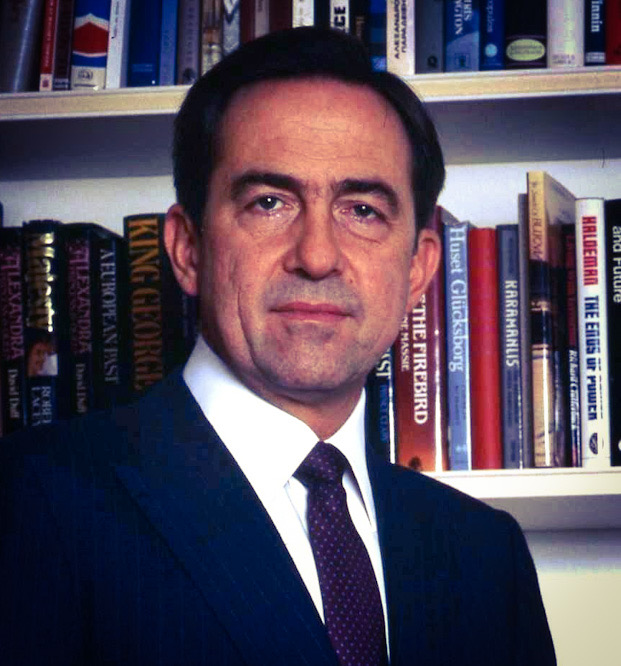
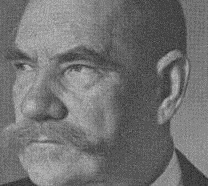
December 15 birthdays include that of Pehr Evind Svinhufvud af Qvalstad [pictured above], 1861, first Head of State of independent Finland, serving in this capacity first as leader of the Senate and then as Protector, or Regent. In 1930 he became Prime Minister, and in 1931 was elected President, leaving office in 1937.

During the Civil War of 1918, his anti-socialist refugee government, Valkoiset, or “Whites,” opposed the “Reds,” a Social Democrat Party faction, for control of the government as it transitioned from Russian rule as a Grand Duchy, to independent status.

He died in 1944.
Categories
Today

King Väinö

On December 14, 1918, Friedrich Karl von Hessen, a German prince elected by the Parliament of Finland to become King Väinö I, renounced the Finnish throne.

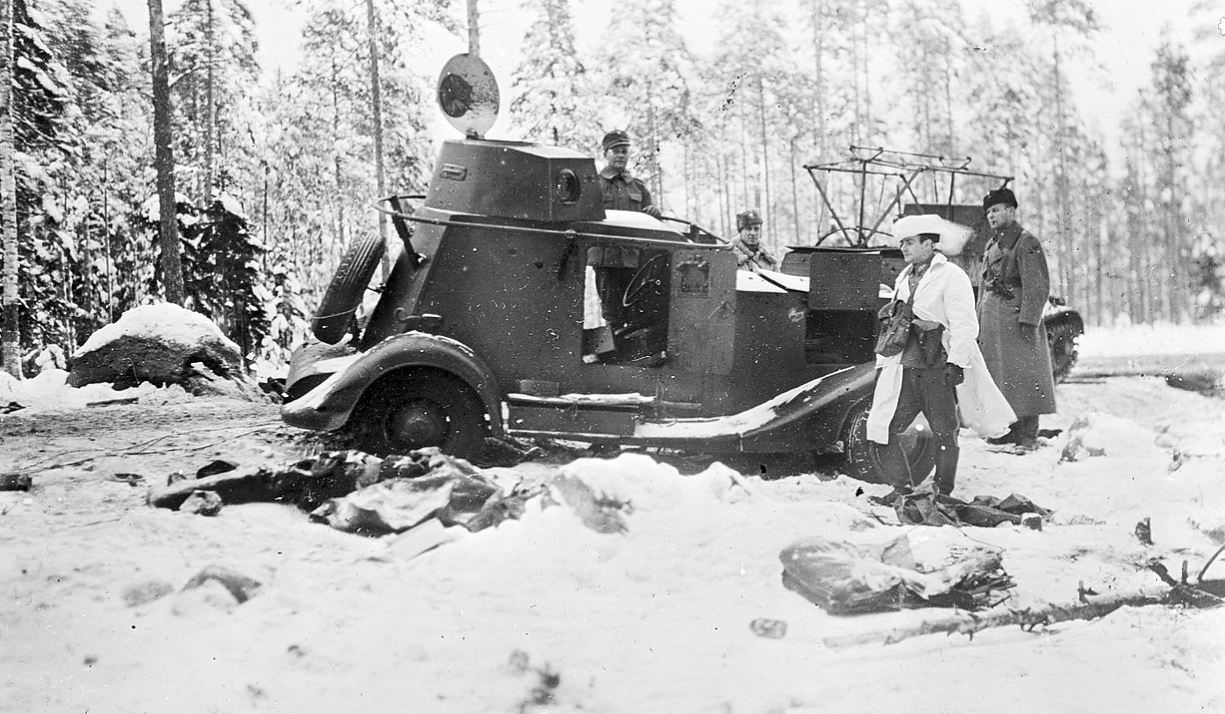
In 1939, on this date, the Soviet Union was expelled from the League of Nations for invading Finland and starting the Winter War.


On December 14, 1819, Alabama became the 22nd state of these United States.

Categories
Today

Jury Duty

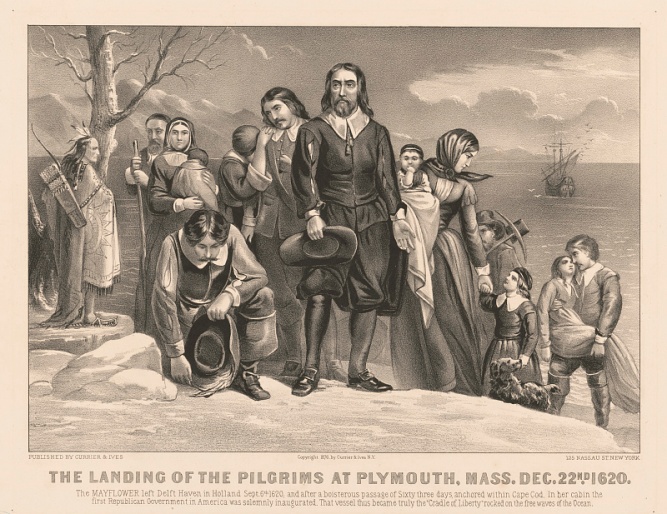
On December 13, 1623, Plymouth colonist established the system of trial by twelve jurors.

Categories
Today

Victory

On December 12, 1939, Finnish forces defeated those of the Soviet Union in the first major victory of what became known as the Winter War, in the Battle of Tolvajärvi.


December 12th birthdays include:

  • Erasmus Darwin (1731) – English physician, slave trade abolitionist, inventor and poet
  • John Jay (1745) — First Chief Justice of the United States
  • William Lloyd Garrison (1805) — American abolitionist, editor of The Liberator
Categories
Today

Solzhenitsyn

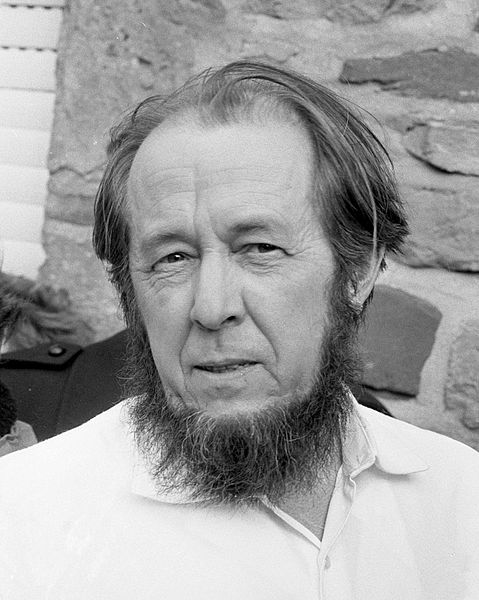
Aleksandr Isayevich Solzhenitsyn was born on December 11, 1918. Solzhenitsyn became a novelist, philosopher, historian, and dissident who helped bring down the totalitarian Soviet Union. Solzhenitsyn’s novels include One Day in the Life of Ivan Denisovich (1962) and Cancer Ward (1966). His behemoth history of Soviet prison camps, The Gulag Archipelago, was a major event in the cultural eclipse of far left ideology in the West, when it was published in 1973.

Solzhenitsyn died on August 3, 2008.

In the last two years, variants of an aphorism about Soviet life has been making the rounds on the Internet, misattributed to him.

Categories
Today

Huck, Passy & Dunant

On December 10, 1884, Mark Twain’s Adventures of Huckleberry Finn was first published. This novel, narrated in the first person by the title character, is a dark comedy of the antebellum South and slavery, and has been considered by many American critics and writers to qualify as the “Great American Novel.”

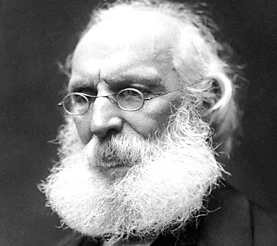
On this date in 1901, the first Nobel Peace Prizes were awarded — to economist Frédéric Passy (pictured above), co-founder of the Inter-Parliamentary Union; and to Henry Dunant the founder of the International Committee of the Red Cross.

Passy was an admirer of Richard Cobden and an active member in the French Liberal School of Political Economy that developed in the tradition of J.B. Say, Destutt de Tracy, and Frédéric Bastiat. His published works include Leçons d’économie politique (1860-61); La Démocratie et l’Instruction (1864); L’Histoire du Travail (1873); Malthus et sa Doctrine (1868); and La Solidarité du Travail et du Capital (1875).

Categories
Today

Ninth-Day Births

On December 9, 1958, the John Birch Society was founded in the United States. December 9 also marks the birthdays of

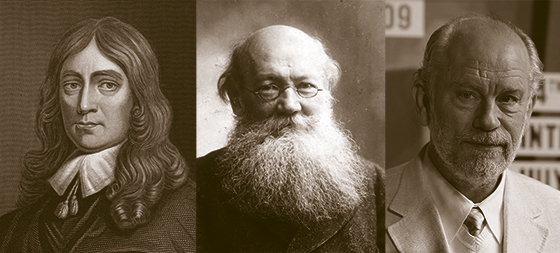
  • Poet and anti-censorship advocate John Milton (1608), author of the masterpiece of blank verse narrative, Paradise Lost (1667) and a classic prose defense of free speech and the press, Areopagitica (1644).
  • Russian prince and anarchist theoretician Peter Kropotkin (1842), author of Mutual Aid and other books and pamphlets. His is the photo shown above.
  • John Malkovich (1953), who directed The Dancer Upstairs (2002) and starred in the odd eponymous film Being John Malkovich (1999).
Categories
Today

Greek Monarchy Ended

On December 8, 1974, a plebiscite finalized the abolition of the monarchy in Greece. The last Greek king, Constantine II, had ceased any royal pretensions while in exile on June 1. The December referendum was something of a formality.

Categories
Today

Lafayette & Infamy

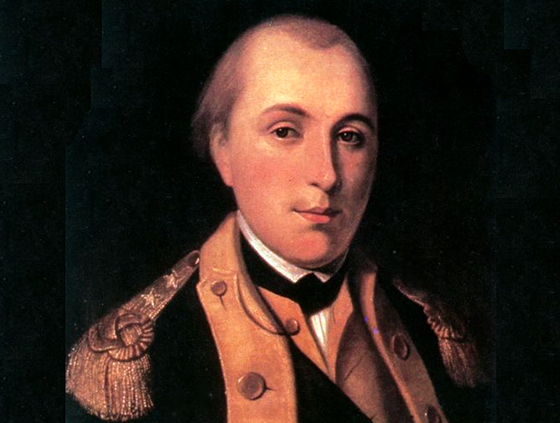
On December 7, 1776, the Marquis de Lafayette arranged to enter the American military as a major general. On the same date in 1787, Delaware became the first state to ratify the United States Constitution.

The 1941 date marks, of course, “the day that will live in infamy,” when Japan bombed Pearl Harbor.

Categories
Today

13th & Paul Jacob

On December 6, 1865, the Thirteenth Amendment to the United States Constitution was ratified, banning slavery in all states and territories.

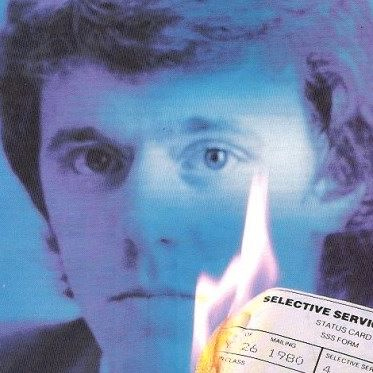
One-hundred-and-nineteen years later, to the day, in 1984, Paul Jacob (of ThisIsCommonSense.org, LibertyiFund.org, and the Citizens in Charge Foundation) was arrested by the FBI for his refusal to register with Selective Service System (the draft people). The Government was probably not attempting to make a commemorative point about involuntary servitude.