F.A. Hayek, The Constitution of Liberty, p. 83.
Freedom granted only when it is known beforehand that its effects will be beneficial is not freedom.
Categories
F. A. Hayek
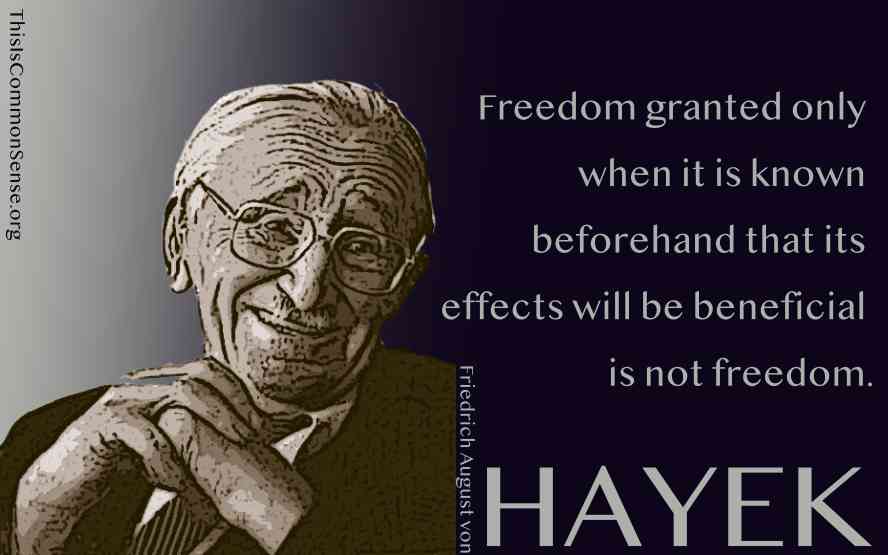
F.A. Hayek, The Constitution of Liberty, p. 83.
Freedom granted only when it is known beforehand that its effects will be beneficial is not freedom.
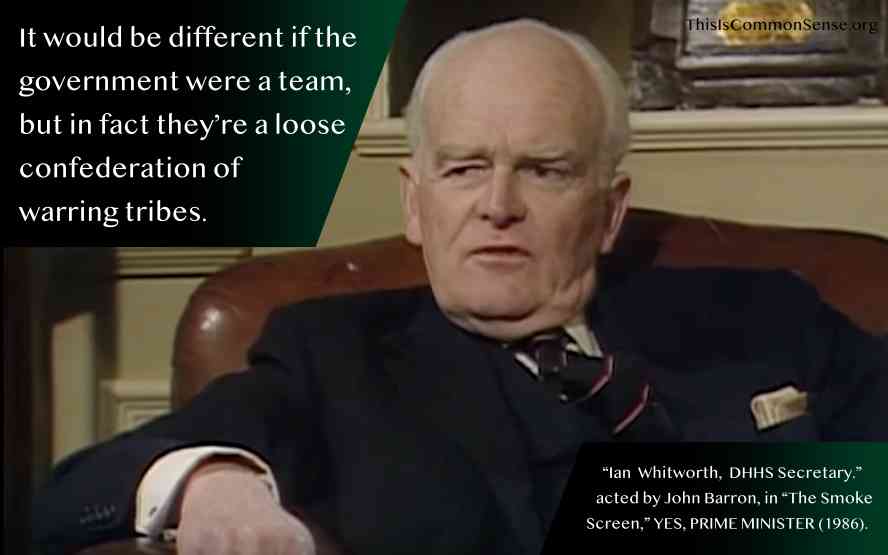
It would be different if the government were a team, but in fact they’re a loose confederation of warring tribes.
Sir Ian Whitworth, Permanent Secretary for Health, Yes, Prime Minister, “The Smoke Screen” (S1; E3: Thu, Jan 23, 1986), as performed by John Barron; written by Antony Jay and Jonathan Lynn.
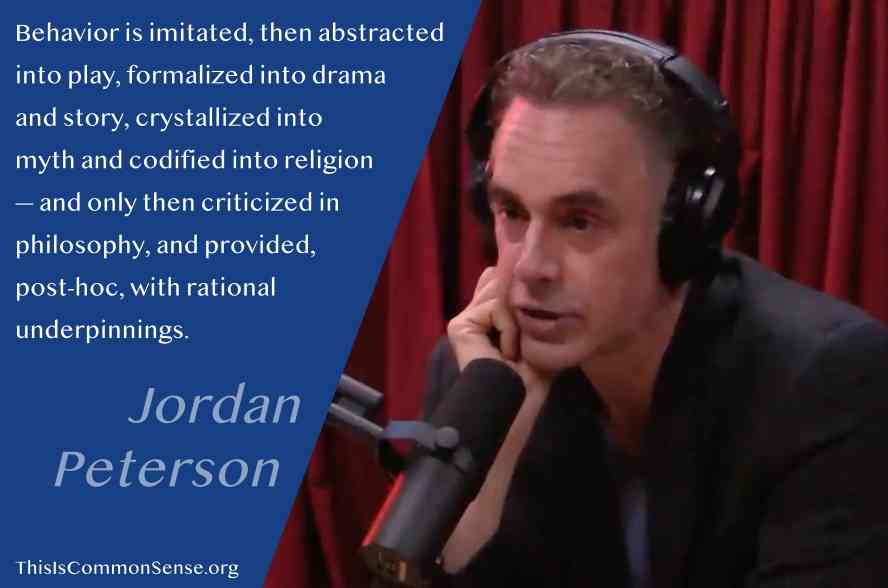
Behavior is imitated, then abstracted into play, formalized into drama and story, crystallized into myth and codified into religion — and only then criticized in philosophy, and provided, post-hoc, with rational underpinnings.
Jordan Peterson, Maps of Meaning (1999), p. 78.
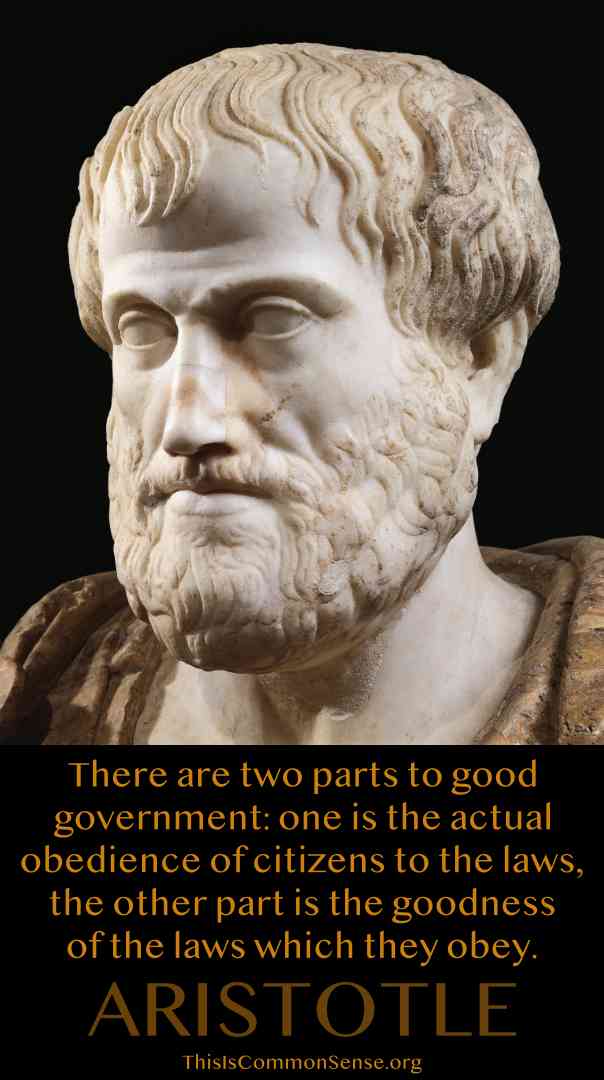
There are two parts to good government: one is the actual obedience of citizens to the laws, the other part is the goodness of the laws which they obey.
Aristotle, Politics, 4.8, Benjamin Jowett, trans. (1885).
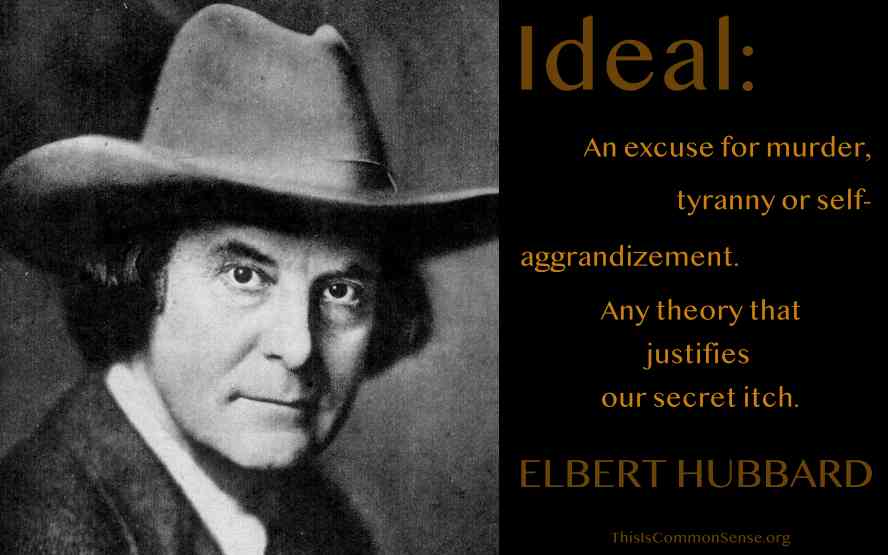
Ideal: An excuse for murder, tyranny or self-aggrandizement. Any theory that justifies our secret itch.
Elbert Hubbard, The Roycroft Dictionary Concocted by Ali Baba and the Bunch on Rainy Days (1914), p. 73.
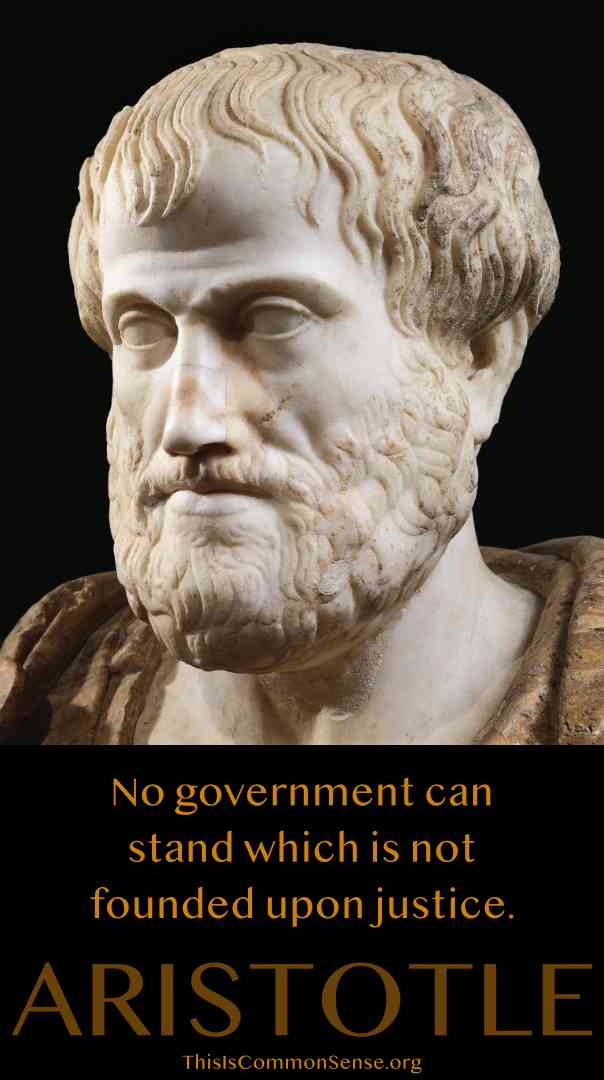
No government can stand which is not founded upon justice.
Aristotle, Politics, 7.14, Benjamin Jowett, trans. (1885).
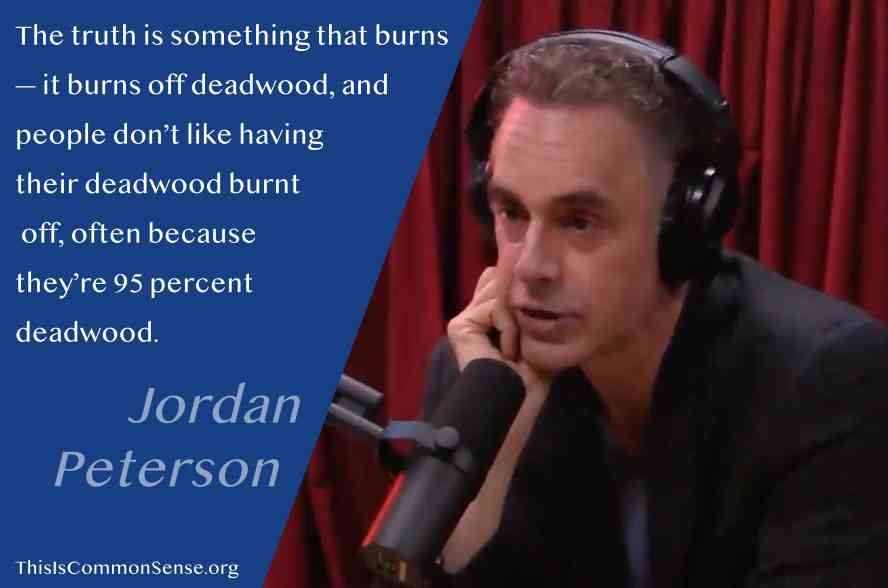
The truth is something that burns — it burns off deadwood, and people don’t like having their deadwood burnt off, often because they’re 95 percent deadwood.
Jordan Peterson, Joe Rogan Experience #958 (May 2017).
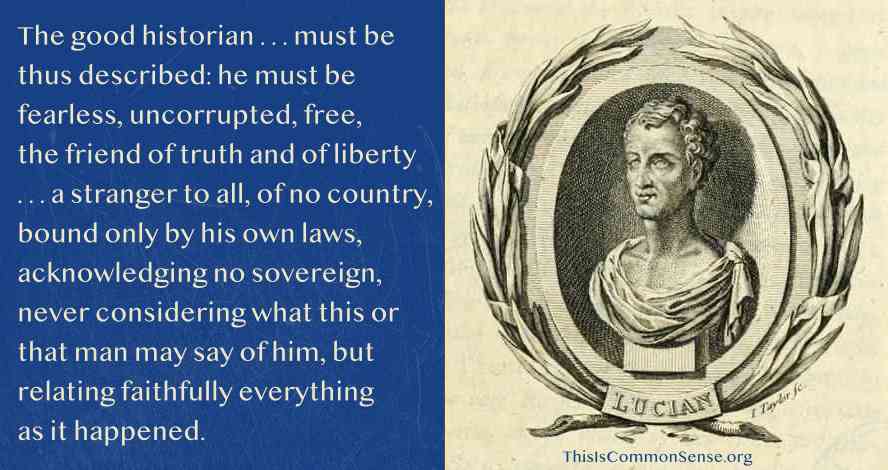
The good historian, then, must be thus described: he must be fearless, uncorrupted, free, the friend of truth and of liberty; one who, to use the words of the comic poet, calls a fig a fig, and a skiff a skiff, neither giving nor withholding from any, from favour or from enmity, not influenced by pity, by shame, or by remorse; a just judge, so far benevolent to all as never to give more than is due to any in his work; a stranger to all, of no country, bound only by his own laws, acknowledging no sovereign, never considering what this or that man may say of him, but relating faithfully everything as it happened.
Lucian, “How to Write History.” Thomas Francklin, D.D. (trans.).

I am sick and tired of flying all the time with these white pilots landing safely and on time. Boring!
Punchline to comedian Rob Schneider’s bit about United Airlines’ new DEI hiring practices.

Do not surrender to a political class that only wants to stay in power and retain its privileges.
Argentinian President Javier Milei, at the recent World Economic Forum at Davos, as quoted by Tom Woods on X, January 17, 2024.