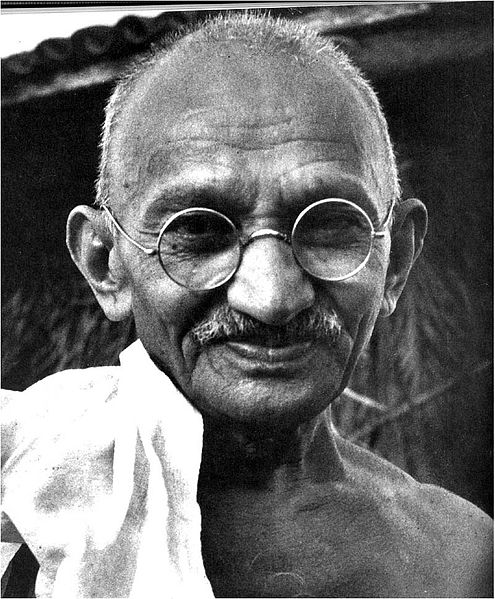
 Freedom is not worth having if it does not include the freedom to make mistakes.
Categories
Freedom is not worth having if it does not include the freedom to make mistakes.
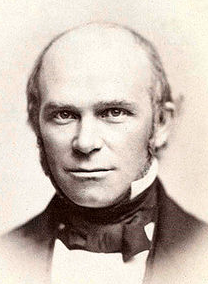 Democracy is direct self-government, over all the people, for all the people, by all the people.
 Political necessities sometimes turn out to be political mistakes.
 The laws of Mahomet have prohibited loan at interest; and what is the consequence in the Mussulman dominions? Money is lent at interest, but the lender must be indemnified for the use of his capital, and, moreover, for the risk incurred in the contravention of the law.
Henceforward, it will be reckoned no more avaricious or immoral to take interest, than to receive rent for land, or wages for labour; it is an equitable compensation adjusted by mutual convenience; and the contract, fixing terms between borrower and lender, is of precisely the same nature, as any other contract whatsoever.
 “Thou shalt not covet thy neighbor’s house, thou shalt not covet thy neighbor’s wife, nor his manservant, nor his maidservant, nor his ox, nor his ass, nor anything that is thy neighbor’s.” The Ten Commandments are God’s basic rules about how we should live — a brief list of sacred obligations and solemn moral precepts.
The first nine Commandments concern theological principles and social law. But then, right at the end, is “Don’t envy your buddy’s cow.” How did that make the top ten? What’s it doing there? Why would God, with just ten things to tell Moses, choose as one of those things jealousy about the starter mansion with in-ground pool next door?
Yet think how important the Tenth Commandment is to a community, to a nation, indeed to a presidential election. If you want a mule, if you want a pot roast, if you want a cleaning lady, don’t be a jerk and whine about what the people across the street have — go get your own.
The Tenth Commandment sends a message to all the jerks who want redistribution of wealth, higher taxes, more government programs, more government regulation, more government, less free enterprise, and less freedom. And the message is clear and concise: Go to hell.
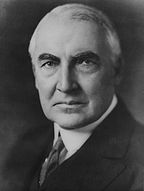 I have no trouble with my enemies. I can take care of my enemies in a fight. But my friends, my goddamned friends, they’re the ones who keep me walking the floor at nights!

Our most dangerous tendency is to expect too much of government, and at the same time do for it too little.
America’s present need is not heroics, but healing; not nostrums, but normalcy; not revolution, but restoration; not agitation, but adjustment; not surgery, but serenity; not the dramatic, but the dispassionate; not experiment, but equipoise; not submergence in internationality, but sustainment in triumphant nationality.
When you find yourself in a hole, stop digging.