 The basis of our political system is the right of the people to make and to alter their constitutions of government.
Categories
The basis of our political system is the right of the people to make and to alter their constitutions of government.
 Instinct is the nose of the mind.
Men must stop being jealous of their power and generously allow freedom and responsibility to others. The reward is harmonious families and society.
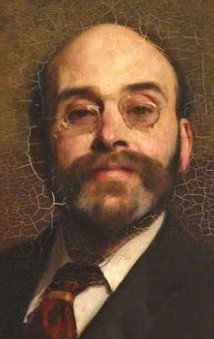 Socialism is essentially inimical to family life, which it regards as a bourgeois institution – to use its own favorite anathema. Socialism would make motherhood a State business or profession, would pay women for this sexual function, and deprive fathers of all status or recognition.
Individualism . . . means neither egotism nor isolation. It means voluntary beneficence and public spirit, as against all attempts to enforce these by penal laws. It means voluntary cooperation as contrasted with the forced cooperation of the State.
A brief and brilliant span of existence may be attained by a Socialistic State by living on the moral and intellectual capital of its predecessors; but it soon runs through this capital, and goes out like a spent squib, and makes a nasty mell.
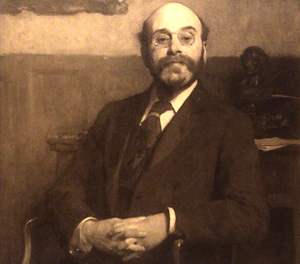
Our intellectual and moral natures come into play only when we discriminate and decide for ourselves. Just so far as this discrimination and decision are taken away from us, we are deprived of the most essential element of our manhood and womanhood, and are turned into mere tools propelled from without. That any community can, in the long run, gain by thus dwarfing and paralyzing the humanity of its members — that we could long succeed, even for administrative purposes, under such a system, is the notion of a moral spendthrift.
Joseph Hiam Levy, The Outcome of Individualism (Third Edition, 1892).
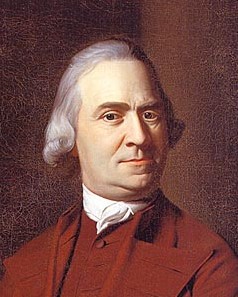 The liberties of our country, the freedom of our civil constitution, are worth defending against all hazards: And it is our duty to defend them against all attacks.
The natural liberty of man is to be free from any superior power on Earth, and not to be under the will or legislative authority of man, but only to have the law of nature for his rule.
Our contest is not only whether we ourselves shall be free, but whether there shall be left to mankind an asylum on earth for civil and religious liberty.