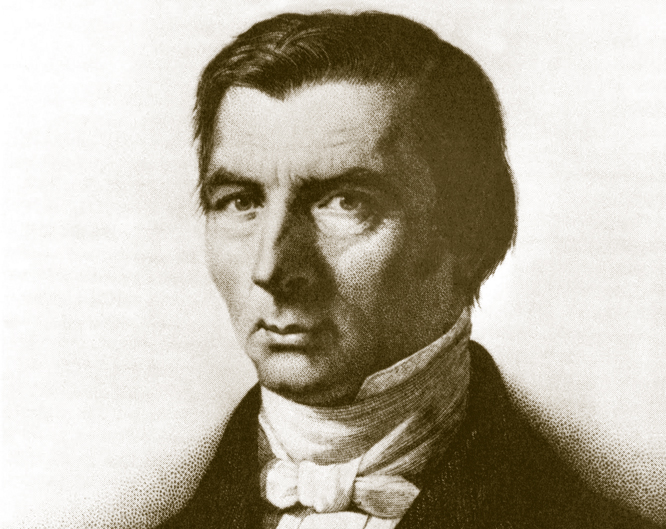
 Force . . . is what the organizers need who would subject humanity to their experiments. When they shall have gained over to their cause the Russian autocrat, the shah of Persia, the khan of Tartary, and all the other tyrants of the world, they will find that they still lack the power to distribute mankind into groups and classes, and to annihilate the general laws of property, exchange, inheritance, and family; for even in Russia, in Persia, and in Tartary, it is necessary to a certain extent to consult the feelings, habits, and prejudices of the people.
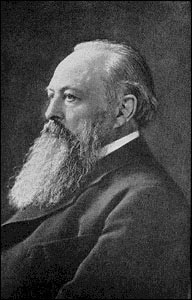 After the fourth century the declarations against slavery are earnest and continual. And in a theological but yet pregnant sense, divines of the second century insist on liberty, and divines of the fourth century on equality. There was one essential and inevitable transformation in politics. Popular governments had existed, and also mixed and federal governments, but there had been no limited government, no State the circumference of whose authority had been defined by a force external to its own.
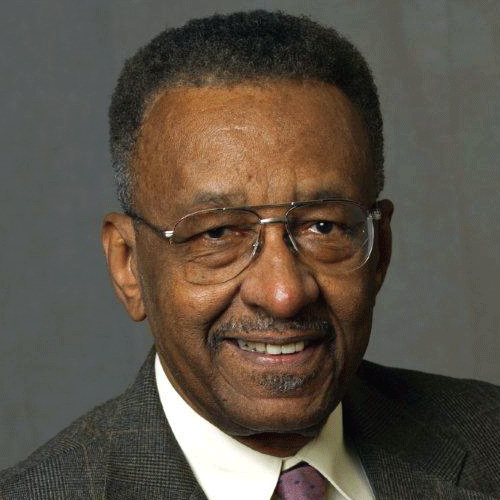 A right, such as a right to free speech, imposes no obligation on another, except that of non-interference. The so-called right to health care, food or housing, whether a person can afford it or not, is something entirely different; it does impose an obligation on another. If one person has a right to something he didn’t produce, simultaneously and of necessity it means that some other person does not have right to something he did produce. That’s because, since there’s no Santa Claus or Tooth Fairy, in order for government to give one American a dollar, it must, through intimidation, threats and coercion, confiscate that dollar from some other American.