 [T]he moment you limit free speech, it’s not free speech.
Categories
[T]he moment you limit free speech, it’s not free speech.
 Those who are capable of tyranny are capable of perjury to sustain it.
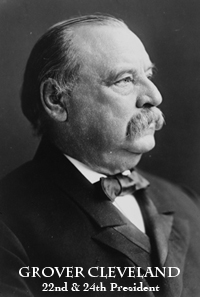 What is the use of being elected or re-elected unless you stand for something?
 The tongue is the only tool that gets sharper with use.
History fades into fable; fact becomes clouded with doubt and controversy; the inscription moulders from the tablet: the statue falls from the pedestal. Columns, arches, pyramids, what are they but heaps of sand; and their epitaphs, but characters written in the dust?
 At all times man approached his surroundings with wide open senses and a fertile intelligence, at all times he made incredible discoveries, at all times we can learn from his ideas.
The separation of state and church must be complemented by the separation of state and science, that most recent, most aggressive, and most dogmatic religious institution.
 I should like to be able to love my country and still love justice.
It is the job of thinking people not to be on the side of the executioners.
People hasten to judge in order not to be judged themselves.