Categories
Thought

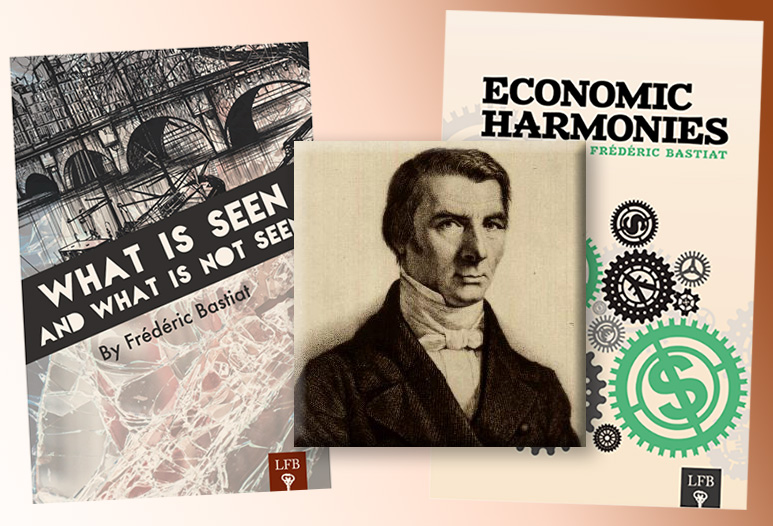
Frédéric Bastiat

“The economists observe man, the laws of his organization, and the social relations that result from those laws. The socialists conjure up an imaginary society, and then create a human heart to suit that society.”


Frédéric Bastiat, Economic Harmonies, preface: “Letter to the Youth of France.”
Categories
Thought

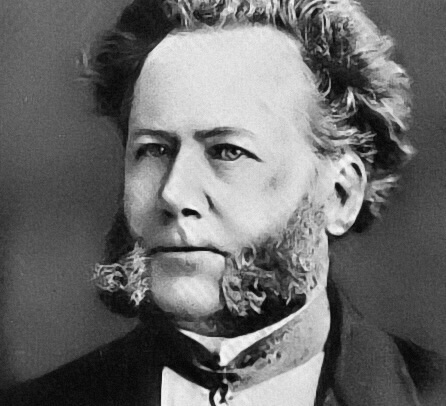
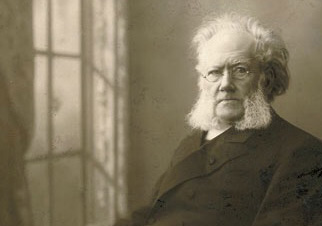
Henrik Ibsen

“Many a man can save himself if he admits he’s done wrong and takes his punishment.”


Henrik Ibsen, A Doll’s House (1879), Torvald Helmer, Act I

Categories
Thought

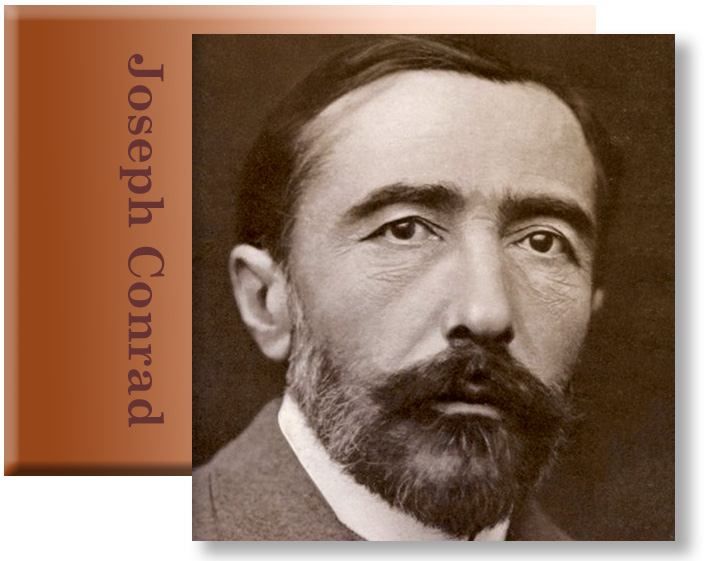
Joseph Conrad

Egoism, which is the moving force of the world, and altruism, which is its morality, these two contradictory instincts, of which one is so plain and the other so mysterious, cannot serve us unless in the incomprehensible alliance of their irreconcilable antagonism.

Joseph Conrad, Letter to the Editor, The New York Times Saturday Book Review (1879), August 1901.

Categories
Thought

Henrik Ibsen

“You don’t get nothing for nothing in this life.”


Henrik Ibsen, A Doll’s House (1879), Dr. Rank, Act III

Categories
Thought

Henrik Ibsen

“I believe that first and foremost I am an individual, just as you are.”


Henrik Ibsen, A Doll’s House (1879), Nora Helmer, Act III

Categories
Thought

Henrik Ibsen

“You don’t get nothing for nothing in this life.”


Henrik Ibsen, A Doll’s House (1879), Dr. Rank, Act III

Categories
Thought

Henrik Ibsen

“There can be no freedom or beauty about a home life that depends on borrowing and debt.”


Henrik Ibsen, A Doll’s House (1879),
Torvald Helmer, Act I

Categories
Thought

Henrik Ibsen

“The spirit of truth and the spirit of freedom — these are the pillars of society.”


Henrik Ibsen, The Pillars of Society (1877), Lona, Act IV.

Categories
Thought

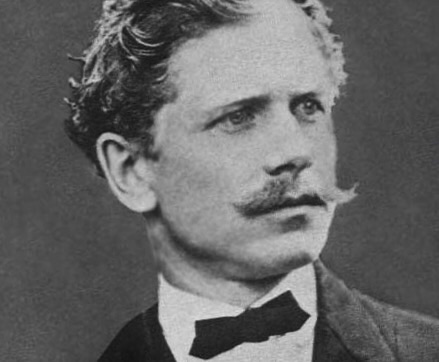
Ambrose Bierce

Conservative, n.
A statesman enamored of existing evils, as opposed to a Liberal, who wants to replace them with others.
Cynic, n.
A blackguard whose faulty vision sees things as they are, not as they ought to be. Hence the custom among the Scythians of plucking out a cynic’s eyes to improve his vision.
Egotist, n.
A person of low taste, more interested in himself than in me.
Idiot, n.
A member of a large and powerful tribe whose influence in human affairs has always been dominant and controlling. The Idiot’s activity is not confined to any special field of thought or action, but “pervades and regulates the whole.” He has the last word in everything; his decision is unappealable. He sets the fashions and opinion of taste, dictates the limitations of speech and circumscribes conduct with a dead-line.
Mayonnaise, n.
One of the sauces that serve the French in place of a state religion.
Once, adj.
Enough.

Ambrose Bierce, The Devil’s Dictionary (1911)

Categories
Thought

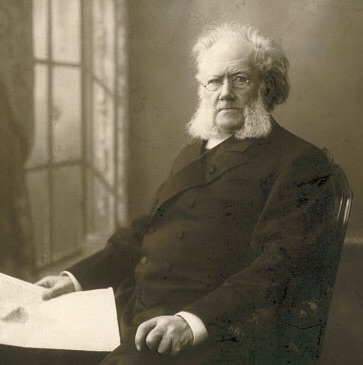
Henrik Ibsen

“You should never wear your best trousers when you go out to fight for freedom and truth.”


Henrik Ibsen, An Enemy of the People (1882), Dr. Stockmann, Act V