Decency is not news; it is buried in the obituaries — but it is a force stronger than crime.
Robert A. Heinlein, “This I Believe” (1952)
Decency is not news; it is buried in the obituaries — but it is a force stronger than crime.
Robert A. Heinlein, “This I Believe” (1952)
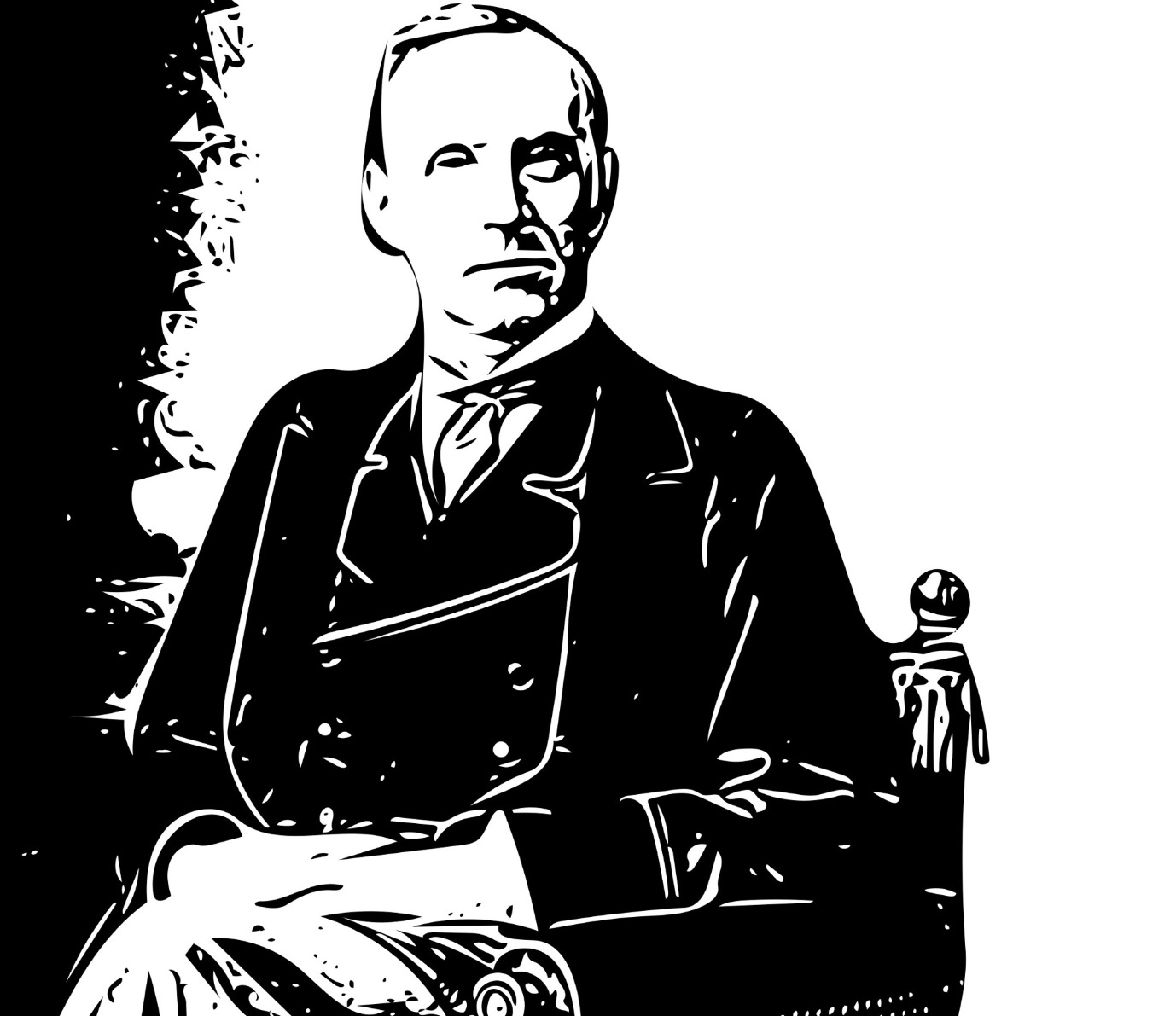
John Morley, Voltaire (New York: The Macmillan Co., 1897), p. 26.
We fight that others may enjoy; and many generations struggle and debate, that one generation may hold something for proven.
You can’t believe what a lovely planet we have until you see her from outside.
Robert A. Heinlein, Have Space Suit—Will Travel (1958)
It is of less important in youth what a man learns than how he learns it.
C. F. W. Jacobs, Vermischte Schriften, iii, § 27, p. 254 — as quoted by John Fiske, Darwinism and Other Essays (1879).
I also think there are prices too high to pay to save the United States. Conscription is one of them. Conscription is slavery, and I don’t think that any people or nation has a right to save itself at the price of slavery for anyone, no matter what name it is called. We have had the draft for twenty years now; I think this is shameful. If a country can’t save itself through the volunteer service of its own free people, then I say: Let the damned thing go down the drain!
Robert A. Heinlein, Guest of Honor Speech at the 29th World Science Fiction Convention, Seattle, Washington (1961)
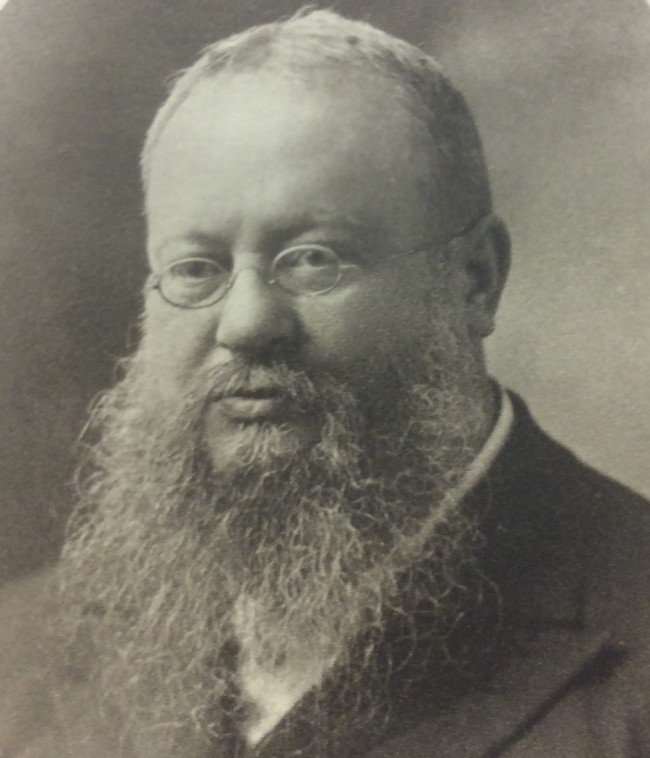
It is not true that “moral truths” have received no additions. It is not true, as Mr. Buckle says, that “the sole essentials of morals have been known for thousands of years, and not one jot or tittle has been added to them by all the sermons, homilies, and text-books which moralists have been able to produce.” It is not true, as Sir James Mackintosh says, that “morality admits of no discoveries.” It is not true, as Condorcet says, that “la morale du toutes les nations a été la même.” It is not true, as Kant says, that “in der Moralphilosophie sind wir nicht weiter gekommon als die Alten.” For what is Moral Philosophy but the science which is to determine the laws to which our conduct should conform? And if this is the case, we need only to look into Mr. Buckle’s work itself, to find a system of morality containing truths which only two centuries ago were not even dreamed of. Take, for example, the moral law that governments shall not interfere with trade. This is as much a moral law as that which forbids stealing; but we find Mr. Buckle reckoning it among the merits of Voltaire, that he was one of the first to perceive the justice of a free system of trade. Its justice is even now denied by opponents of reforms. This, then, is a case of “moral truth” which has not been known for thousands of years.
John Fiske, “Mr. Buckle’s Fallacies,” Darwinism and Other Essays (1879; 1902), p. 162.
Man is not a rational animal; he is a rationalizing animal.
Robert A. Heinlein, Assignment in Eternity (1953)
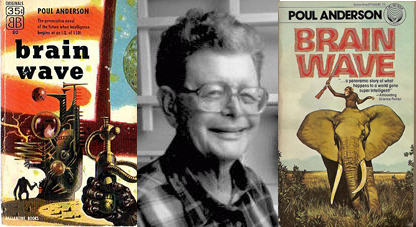
Poul Anderson, Brain Wave (1954), Chapter 3 (p. 25).
Keep on thinking. Keep your thinking close to the ground, where it belongs. Don’t ever trade your liberty for another man’s offer to do your thinking and make your mistakes for you.
How anybody expects a man to stay in business with every two-bit wowser in the country claiming a veto over what we can say and can’t say and what we can show and what we can’t show — it’s enough to make you throw up. The whole principle is wrong; it’s like demanding that grown men live on skim milk because the baby can’t eat steak.
Robert A. Heinlein, The Man Who Sold the Moon, (1950), p. 188

All war presupposes human weakness and seeks to exploit it.
Carl von Clausewitz, On War (1832), Book V.