[A]gainst the cant of the bigot or the hypocrite, no reasoning can aught avail. If you would argue until the end of life, the infallible creature must alone be right.
Categories
James Hogg
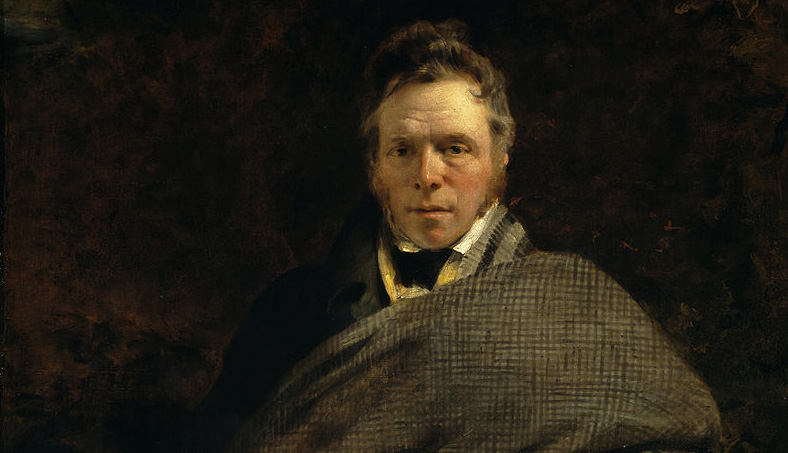
[A]gainst the cant of the bigot or the hypocrite, no reasoning can aught avail. If you would argue until the end of life, the infallible creature must alone be right.
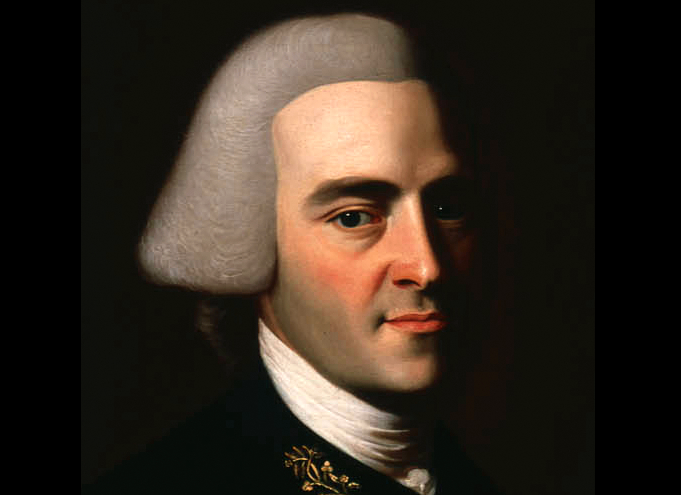
I mean not to boast; I would not excite envy, but manly emulation. We have all one common cause; let it, therefore, be our only contest, who shall most contribute to the security of the liberties of America.
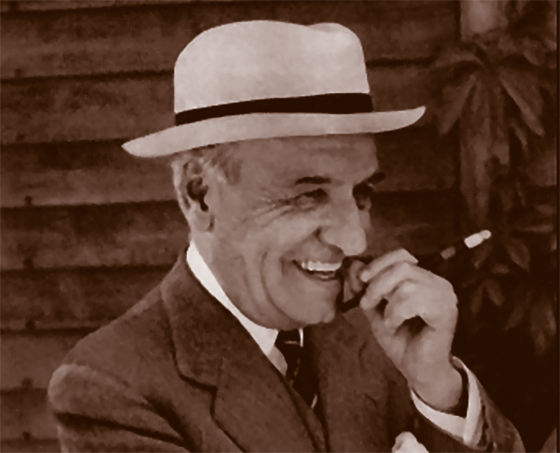
Life is fired at us point blank.
Under Socialism the efficient man would have a price upon his head.
H. L. Mencken, in Robert Rives La Monte and Mencken, Men versus The Man (1910).
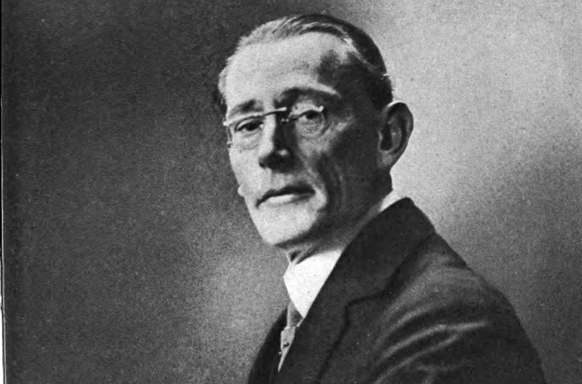
Truth is the enfant terrible of the Virtues.
William J. Locke, The Morals of Marcus Ordeyne (1905), p. 50.
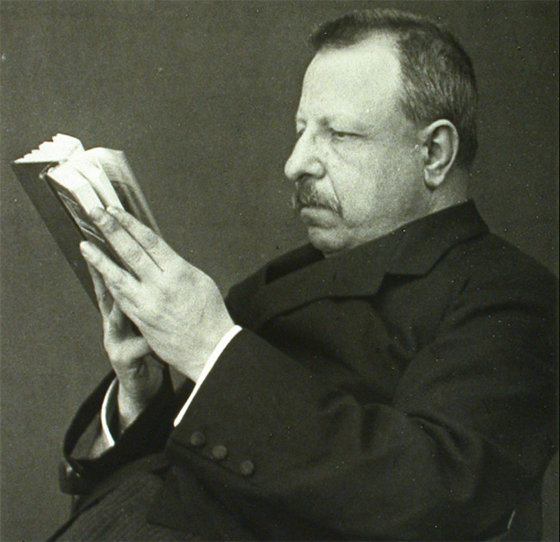
Benedetto Croce was an Italian philosopher and outspoken anti-fascist.
Morality, and the ideal of freedom which is the political expression of morality, are not the property of a given party or group, but a value that is fundamentally and universally human. . . . No people will be truly free till all are free.
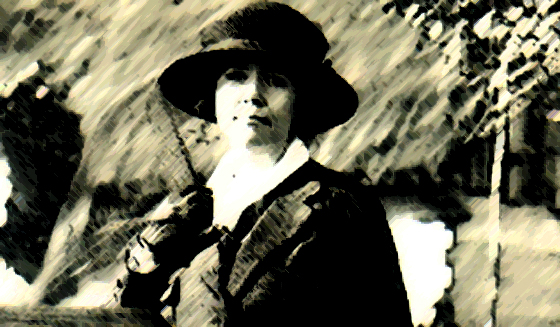
This is the nature of human energy; individuals generate it, and control it. Each person is self-controlling, and therefore responsible for his acts. Every human being, by his nature, is free.
Rose Wilder Lane, Discovery of Freedom (1943).
In arguing against free enterprise capitalism, the collectivist always adopts the false assumption of a fixed number of jobs in that system. Conversely, in arguing for collectivism, he always assumes that there will be as many jobs as there are workers. The government will make the jobs.
Isabel Paterson, The God of the Machine, 1943.
The pioneers of rationalism inveighed against the traditional dogmas, ridiculed popular superstitions, campaigned against priests and sorcerers, and castigated them for fostering and preying upon the ignorance of the masses — hoping that a final victory of science would vanish for ever the evils of unreason and organized deception. Little did they suspect that a Trojan Horse would appear in the camp of enlightenment, full of streamlined sorcerers clad in the latest paraphernalia of science.
Stanislav Andreski, Social Sciences as Sorcery (1972), p. 237-238.
Even in the darkest and crassest times liberty trembles in the lines of poets and affirms itself in the pages of thinkers and burns, solitary and magnificent, in some men who cannot be assimilated by the world around them.
Benedetto Croce, History as the Story of Liberty, 1938 (1941, Eng. translation).