Comfort the afflicted, and afflict the comfortable.
Categories
Finley Peter Dunne (“Mr. Dooley”)
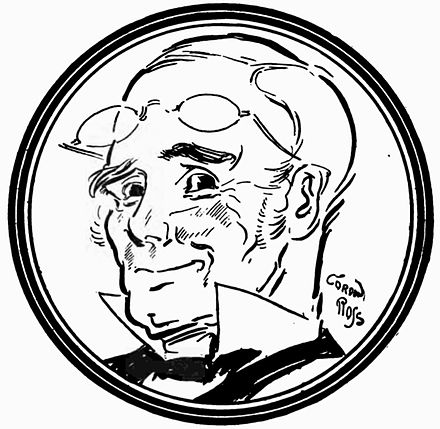
Comfort the afflicted, and afflict the comfortable.
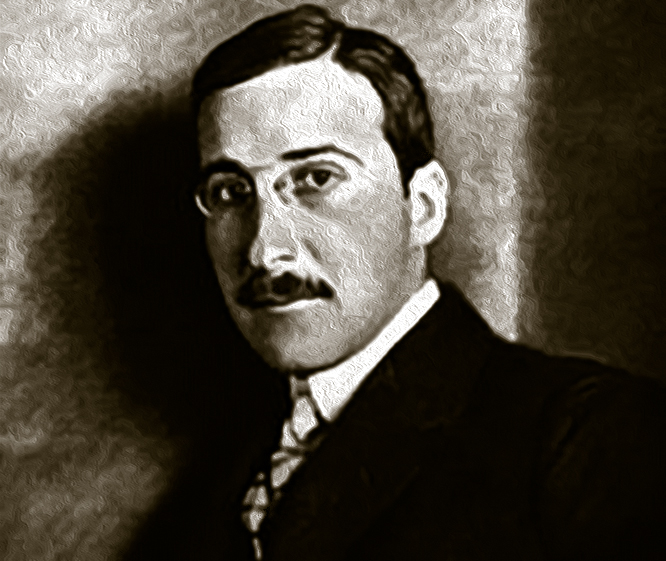
The organic fundamental error of humanism was that it desired to educate the common people (on whom it looked down) from its lofty stance instead of trying to understand them and to learn from them.
Stefan Zweig, Erasmus of Rotterdam, Marion Sonnenfeld, translator (1934)
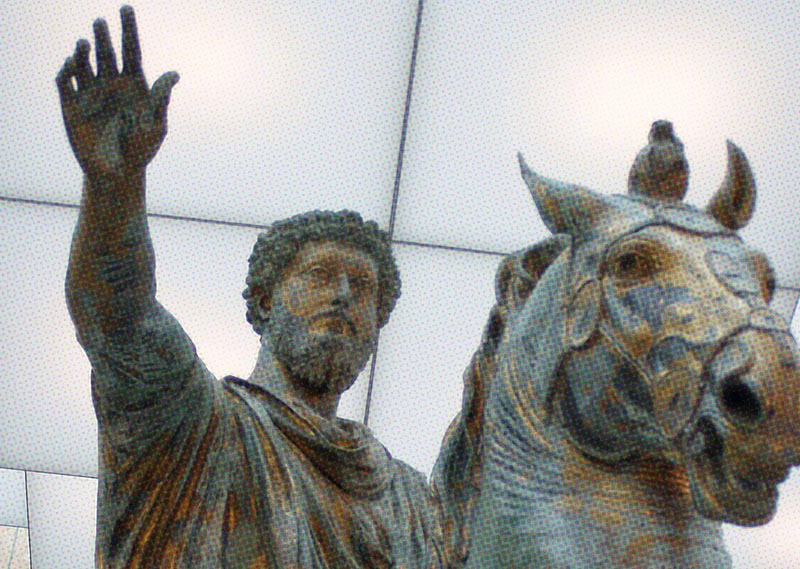
Never let the future disturb you. You will meet it, if you have to, with the same weapons of reason which today arm you against the present.
Marcus Aurelius Antoninus, Meditations.
All the pale horses of the apocalypse have stormed through my life, revolution, starvation, devaluation of currency and terror, epidemics, emigration; I have seen the great ideologies of the masses grow and spread out before my eyes. Fascism in Italy, National Socialism in Germany, Bolshevism in Russia, and, above all, that archpestilence, nationalism, which poisoned our flourishing European culture.
Stefan Zweig, The World of Yesterday [Die Welt von Gestern], Marion Sonnenfeld, translator (1942)
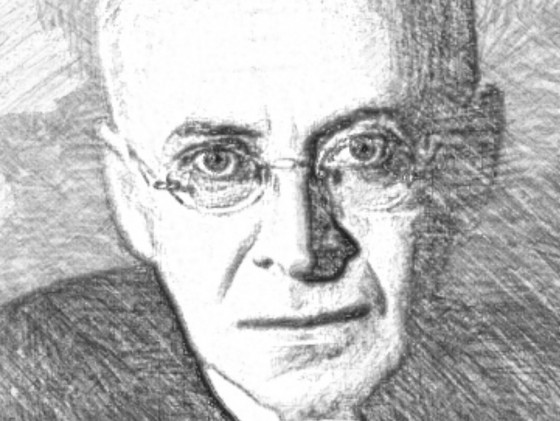
How is the world ruled and led to war? Diplomats lie to journalists and believe these lies when they see them in print.

“No wonder historians loathe Harding and Coolidge; these presidents’ success goes to show how much better off the country might be if ambitious politicians with their grandiose plans would just shut up and leave us alone.”
Thomas E. Woods Jr., The Politically Incorrect Guide To American History
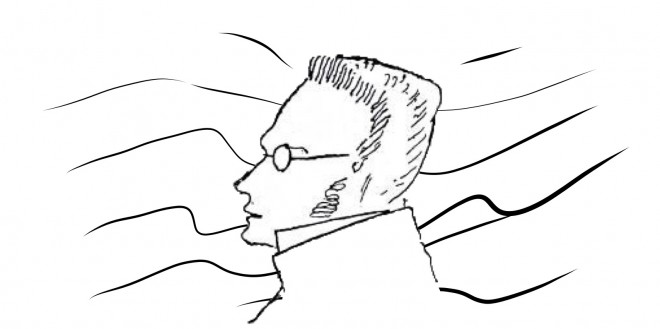
If one awakens in men the idea of freedom then the free men will incessantly go on to free themselves; if on the contrary, one only educates them, then they will at all times accommodate themselves to circumstance in the most highly educated and elegant manner and degenerate into subservient cringing souls.
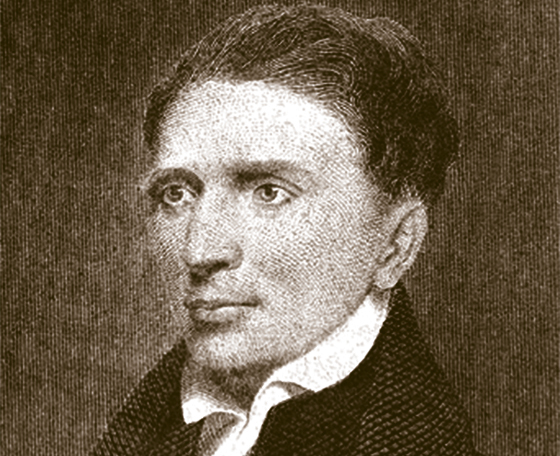
Whenever a Government assumes the power of discriminating between the different classes of the community, it becomes, in effect, the arbiter of their prosperity, and exercises a power not contemplated by any intelligent people in delegating their sovereignty to their rulers. It then becomes the great regulator of the profits of every species of industry, and reduces men from a dependence on their own exertions, to a dependence on the caprices of their Government. Governments possess no delegated right to tamper with individual industry a single hair’s-breadth beyond what is essential to protect the rights of person and property.
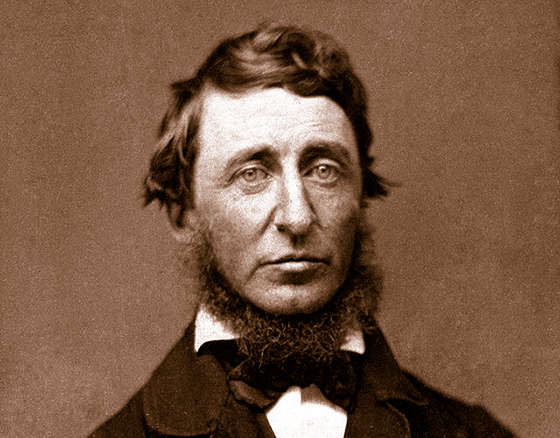
Where there is a lull of truth, an institution springs up. But the truth blows right on over it, nevertheless, and at length blows it down.
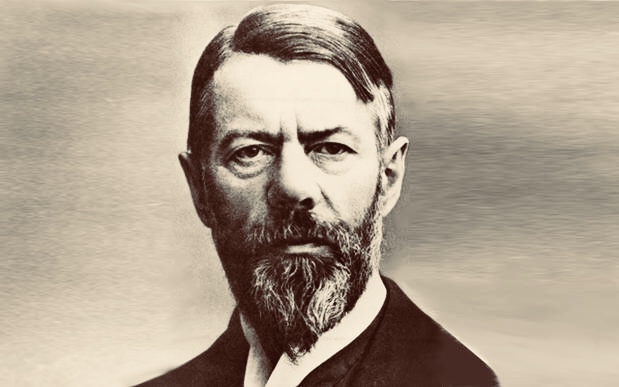
The fate of our times is characterized by rationalization and intellectualization and, above all, by the disenchantment of the world. Precisely the ultimate and most sublime values have retreated from public life either into the transcendental realm of mystic life or into the brotherliness of direct and personal human relations. It is not accidental that our greatest art is intimate and not monumental.