Categories
Thought

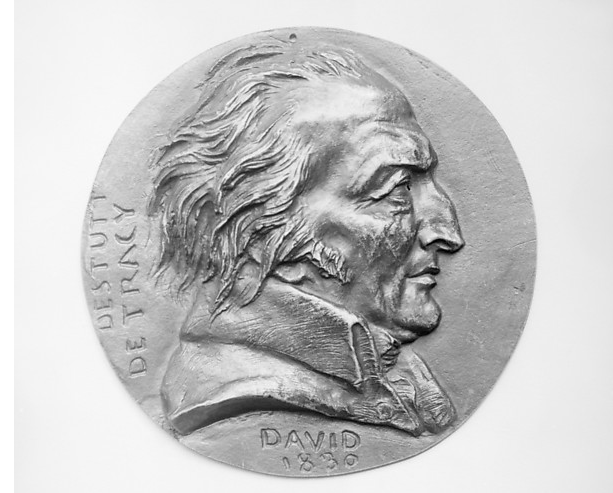
Destutt de Tracy

We can scarcely conceive at first that the great effects . . . have no other cause than the sole reciprocity of services and the multiplicity of exchanges. However this continual succession of exchanges has three very remarkable advantages.
First, the labour of several men united is more productive, than that of the same men acting separately. . . .
Secondly, our knowledge is our most precious acquisition, since it is this that directs the employment of our force, and renders it more fruitful, in proportion to its greater soundness and extent. . . .
Thirdly, and this still merits attention: when several men labour reciprocally for one another every one can devote himself exclusively to the occupation for which is fittest, whether from his natural dispositions or from fortuitous circumstances; and thus he will succeed better. . . .
Concurrence of force, increase and preservation of knowledge, and division of labour, — these are the three great benefits of society. They cause themselves to be felt from the first by men the most rude; but they augment in an incalculable ratio, in proportion as they are perfected, — and every degree of amelioration, in the social order, adds still to the possibility of increasing and better using them.

Antoine Louis Claude Destutt, comte de Tracy, A Treatise on Political Economy (Georgetown, D.C.: Joseph Mulligan, publisher; W. A. Rind & Co., printer, 1817) Thomas Jefferson, ed. of translation, from the section entitled “The First Part of the Treatise on the Will and Its Effects: Of Our Action,” chapter one, “Of Society.”
Categories
Thought

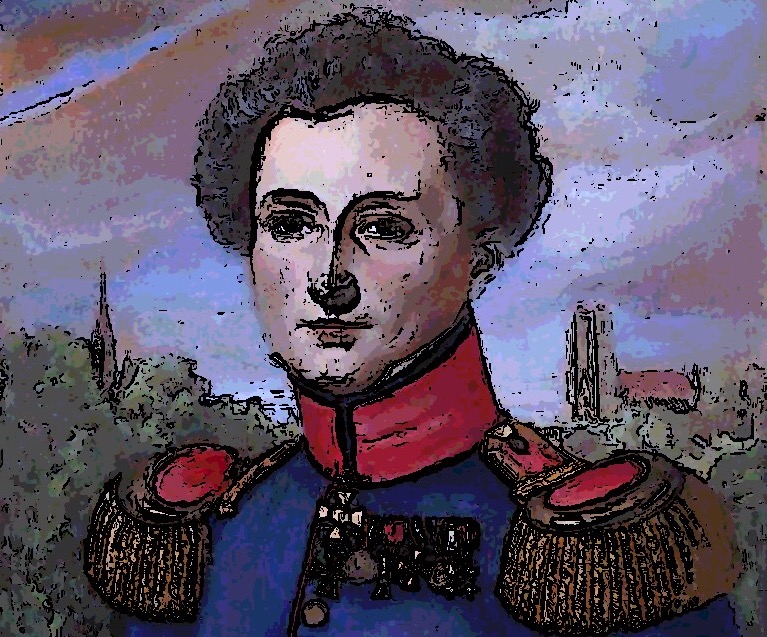
Clausewitz

[S]trength of character does not consist solely in having powerful feelings, but in maintaining one’s balance in spite of them. Even with the violence of emotion, judgment and principle must still function like a ship’s compass, which records the slightest variations however rough the sea.


Carl von Clausewitz, On War (1832), Book I, Chapter Three.

Categories
Thought

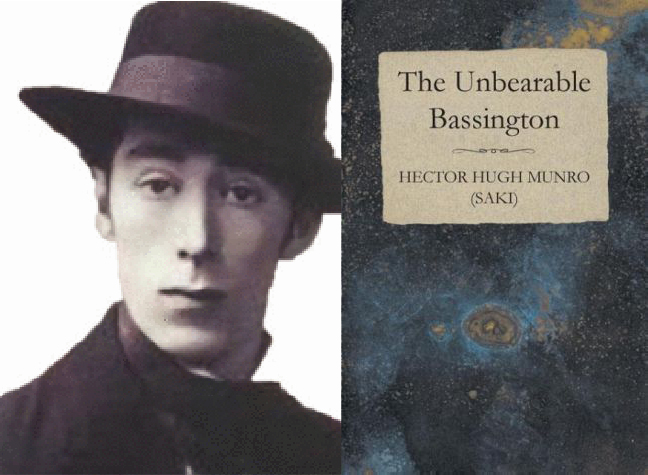
Saki

When one’s friends and enemies agree on any particular point they are usually wrong.


Saki, The Unbearable Bassington, first page (1912).

Categories
Thought

Jack McDevitt

Most government and corporate leaders would have trouble getting people to follow them out of a burning building. One way you can tell the worst of them is that they talk about leadership a lot. I doubt Winston Churchill ever used the word. Or, for that matter, Attila the Hun.


Jack McDevitt, Odyssey (2006), Chapter 5.

Categories
Thought

Mary Wollstonecraft

Society . . . as it becomes more enlightened, should be very careful not to establish bodies of men who must necessarily be made foolish or vicious by the very constitution of their profession.


Mary Wollstonecraft, A Vindication of the Rights of Woman (1792), chapter one.

Categories
Thought

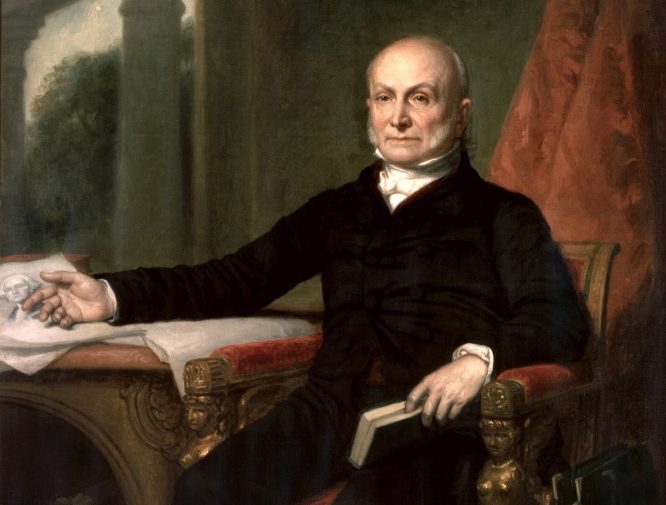
John Quincy Adams

All the public business in Congress now connects itself with intrigues, and there is great danger that the whole government will degenerate into a struggle of cabals.

Categories
Thought

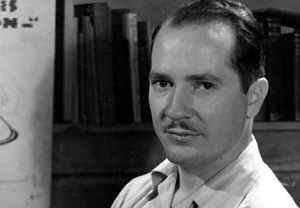
Robert A. Heinlein

Criminals are never materially handicapped by such rules; the only effect is to disarm the peaceful citizen and put him fully at the mercy of the lawless. Such rules look very pretty on paper; in practice they are as foolish and footless as the attempt of the mice to bell the cat. Such is my thesis, that the licensing of weapons is subversive of liberty and self-defeating in its pious purpose.


Robert A. Heinlein, Letter to Alice Dalgliesh, the editor who was censoring his manuscript for Red Planet, regarding firearm registration and control.

Categories
Thought

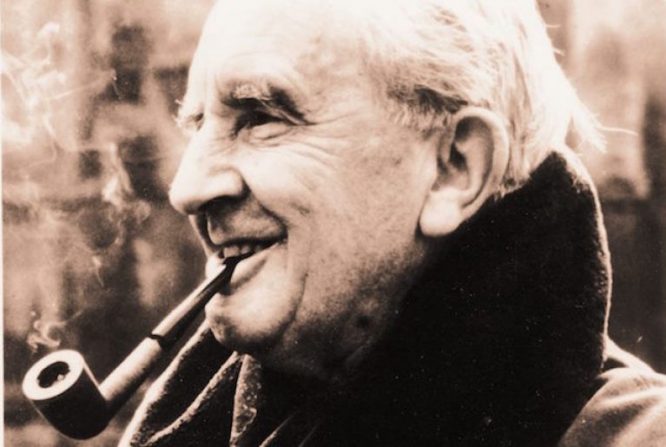
J. R. R. Tolkien

It is not our part to master all the tides of the world, but to do what is in us for the succour of those years wherein we are set, uprooting the evil in the fields that we know, so that those who live after may have clean earth to till. What weather they shall have is not ours to rule.


J. R. R. Tolkien, The Return of the King (1955), the final volume of the fantasy classic The Lord of the Rings.

Categories
Thought

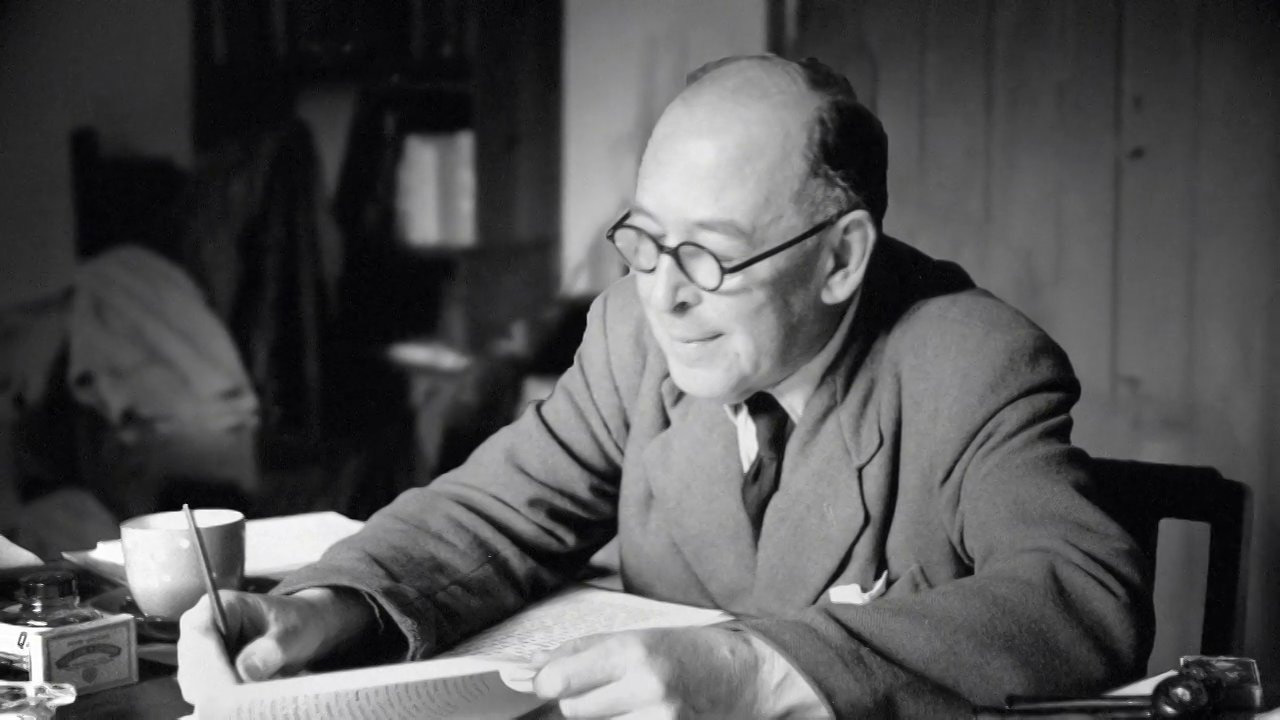
C. S. Lewis

I don’t deserve a share in governing a hen-roost, much less a nation. Nor do most people — all the people who believe advertisements, and think in catchwords and spread rumors. The real reason for democracy is just the reverse. Mankind is so fallen that no man can be trusted with unchecked power over his fellows. Aristotle said that some people were only fit to be slaves. I do not contradict him. But I reject slavery because I see no men fit to be masters.


Categories
Thought

Robert A. Heinlein

There is one thing no head of a country can know, and that is: how good is his intelligence system? He finds out only by having it fail him.


Robert A. Heinlein, The Puppet Masters (1951), Chapter 1 (p. 7, Signet (#W7339)).