One swallow does not make a summer, nor does one day; and so too one day, or a short time, does not make a man blessed and happy.
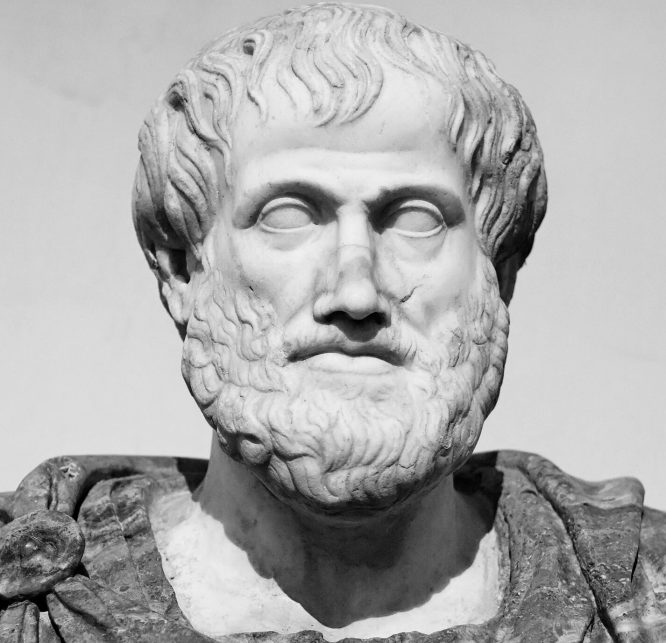
One swallow does not make a summer, nor does one day; and so too one day, or a short time, does not make a man blessed and happy.
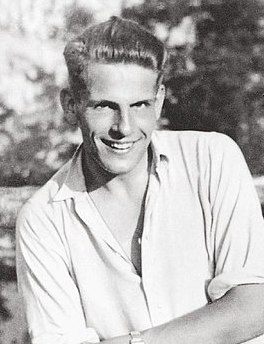
Every word that comes from Hitler’s mouth is a lie. When he says peace, he means war, and when he blasphemously uses the name of the Almighty, he means the power of evil, the fallen angel, Satan. His mouth is the foul-smelling maw of Hell, and his might is at bottom accursed. True, we must conduct a struggle against the National Socialist terrorist state with rational means; but whoever today still doubts the reality, the existence of demonic powers, has failed by a wide margin to understand the metaphysical background of this war.
From the fourth leaflet by “The White Rose”

Those who know that the consensus of many centuries has sanctioned the conception that the earth remains at rest in the middle of the heavens as its center, would, I reflected, regard it as an insane pronouncement if I made the opposite assertion that the earth moves.
Copernicus was born February 19, 1473.

Do not go gentle into that good night,
Old age should burn and rave at close of day;
Rage, rage against the dying of the light.Though wise men at their end know dark is right,
Because their words had forked no lightning they
Do not go gentle into that good night.Good men, the last wave by, crying how bright
Their frail deeds might have danced in a green bay,
Rage, rage against the dying of the light.Wild men who caught and sang the sun in flight,
And learn, too late, they grieved it on its way,
Do not go gentle into that good night.Grave men, near death, who see with blinding sight
Blind eyes could blaze like meteors and be gay,
Rage, rage against the dying of the light.And you, my father, there on the sad height,
Dylan Thomas, who arrived in New York City for his first reading tour of the U.S. on Feb. 20, 1950.
Curse, bless, me now with your fierce tears, I pray.
Do not go gentle into that good night.
Rage, rage against the dying of the light.

Eugen von Böhm-Bawerk, as quoted by Ludwig von Mises, “The Economist Eugen von Böhm-Bawerk” (Neue Freie Presse, Vienna, August 27, 1924) — described by Mises as “the last words that Böhm-Bawerk addressed to Austria’s financial authorities.”
[T]hrift is never popular. . . . If parliaments have historically been the guardians of thrift, they now have turned much rather into its sworn enemies. Nowadays, the political and national parties — maybe not exclusively in our own country, but certainly also here — tend to develop a certain covetousness, almost considered to be dutiful, for all kinds of benefits for their own electorate at the expense of the general public.

It is the aim of public life to arrange that all forms of power are entrusted, so far as possible, to men who effectively consent to be bound by the obligation towards all human beings which lies upon everyone, and who understand the obligation.Simone Weil, draft for a Statement of Human Obligations (1943).
Law is the quality of the permanent provisions for making this aim effective.

Nip the shoots of arbitrary power in the bud, is the only maxim which can ever preserve the liberties of any people.
John Adams, Novanglus: or, A History of the Dispute with America, From Its Origin, in 1754, to the Present Time (1775), No. 3, first published in the Boston Gazette.
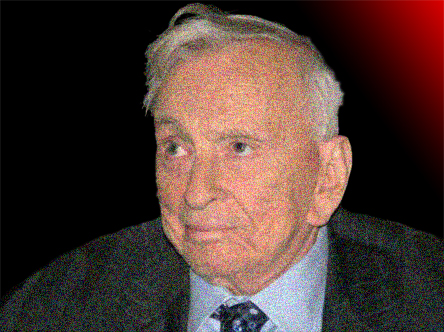
As societies grow decadent, the language grows decadent, too. Words are used to disguise, not to illuminate, action: you liberate a city by destroying it. Words are to confuse, so that at election time people will solemnly vote against their own interests.

“The liberties of a people never were, nor ever will be, secure, when the transactions of their rulers may be concealed from them.”
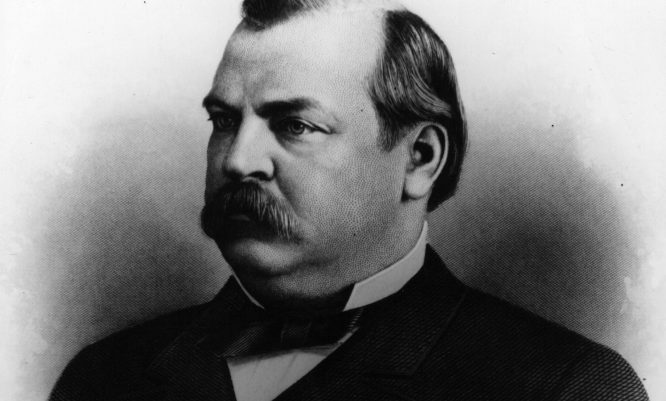
What is the use of being elected or reelected, unless you stand for something?
Cleveland, grumbling to a friend, late in his term as 22nd President of the United States. See H. Paul Jeffers, An Honest President: The Life and Presidencies of Grover Cleveland (2000), p. 200.