I have sometimes thought that there is no being so venomous, so bloodthirsty as a professed philanthropist.
Anthony Trollope, North America, Ch. 16 (1862).
Categories
Anthony Trollope
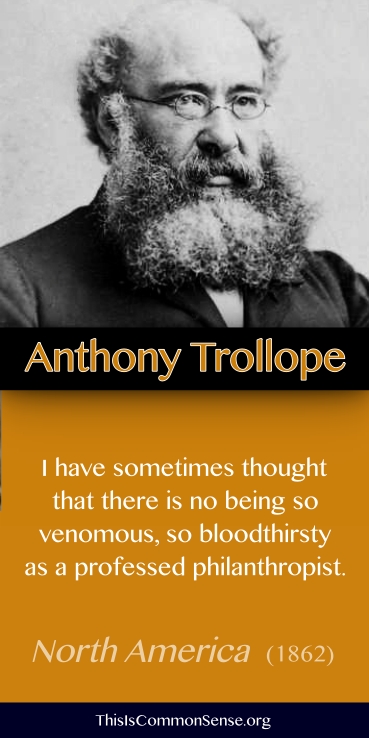
I have sometimes thought that there is no being so venomous, so bloodthirsty as a professed philanthropist.
Anthony Trollope, North America, Ch. 16 (1862).
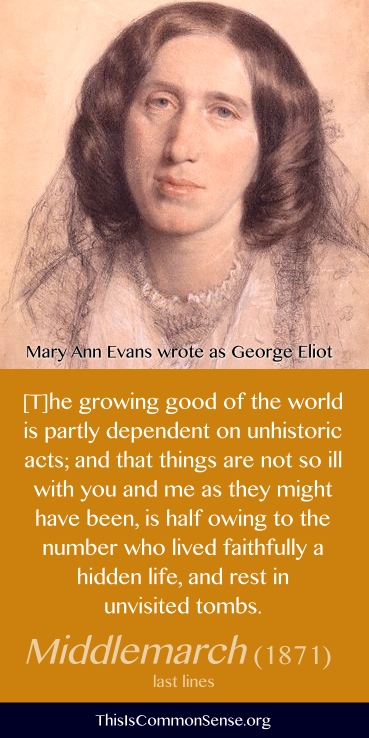
[T]he growing good of the world is partly dependent on unhistoric acts; and that things are not so ill with you and me as they might have been, is half owing to the number who lived faithfully a hidden life, and rest in unvisited tombs.
Mary Ann Evans writing as George Eliot, Middlemarch (1871).
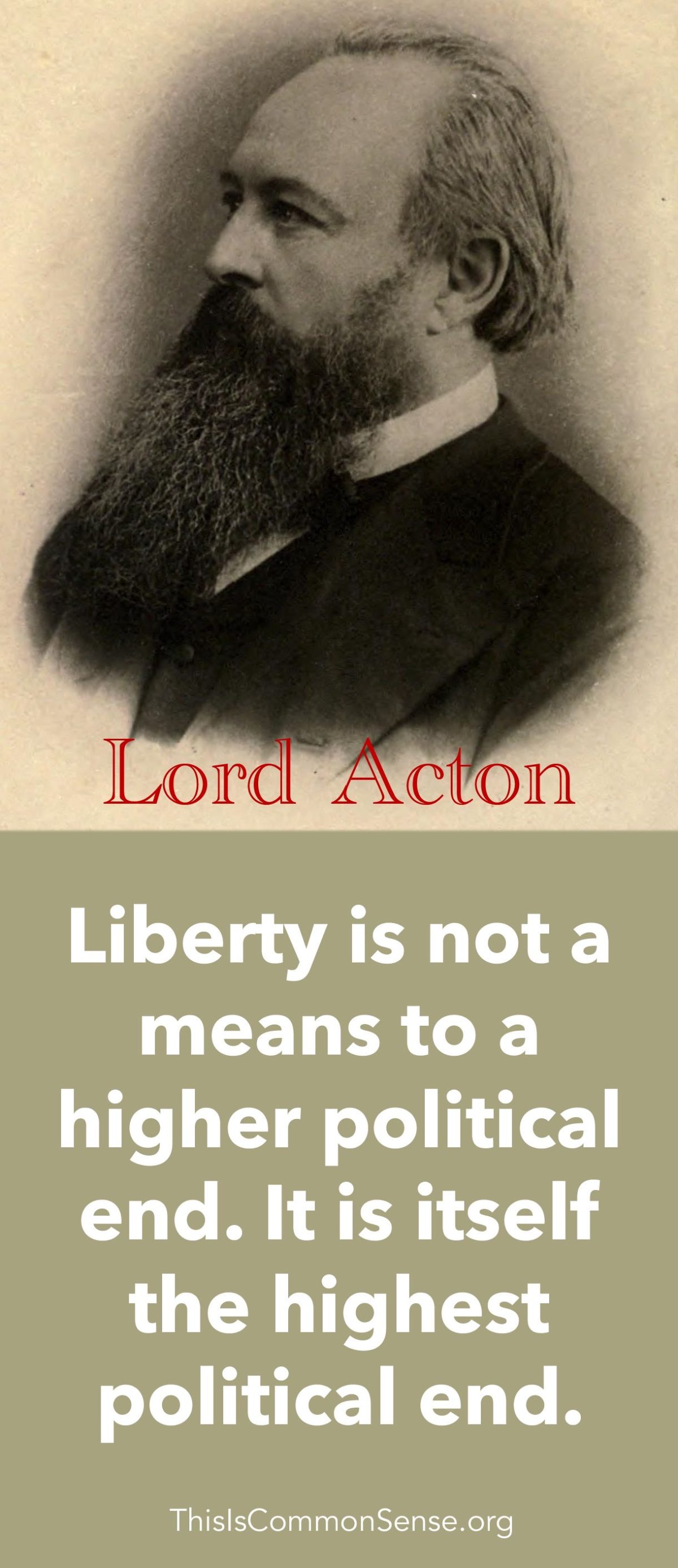
Liberty and good government do not exclude each other; and there are excellent reasons why they should go together. Liberty is not a means to a higher political end. It is itself the highest political end. It is not for the sake of a good public administration that it is required, but for security in the pursuit of the highest objects of civil society, and of private life.
John Dalberg-Acton, 1st Baron Acton, The History of Freedom in Antiquity (1877).
Our intellectual and moral natures come into play only when we discriminate and decide for ourselves. Just so far as this discrimination and decision are taken away from us, we are deprived of the most essential element of our manhood and womanhood, and are turned into mere tools propelled from without. That any community can, in the long run, gain by thus dwarfing and paralyzing the humanity of its members — that we could long succeed, even for administrative purposes, under such a system, is the notion of a moral spendthrift.
Joseph Hiam Levy, The Outcome of Individualism (Third Edition, 1892).
It is bad to be oppressed by a minority, but it is worse to be oppressed by a majority. For there is a reserve of latent power in the masses which, if it is called into play, the minority can seldom resist.
Lord Acton, “The History of Freedom in Antiquity,” 1877.
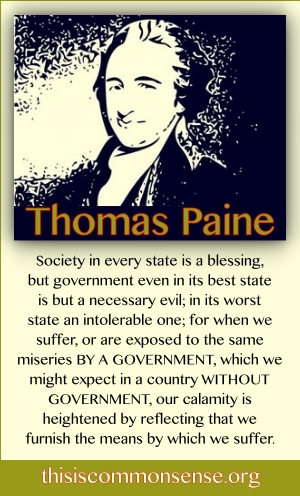
Society in every state is a blessing, but government even in its best state is but a necessary evil; in its worst state an intolerable one; for when we suffer, or are exposed to the same miseries BY A GOVERNMENT, which we might expect in a country WITHOUT GOVERNMENT, our calamity is heightened by reflecting that we furnish the means by which we suffer.
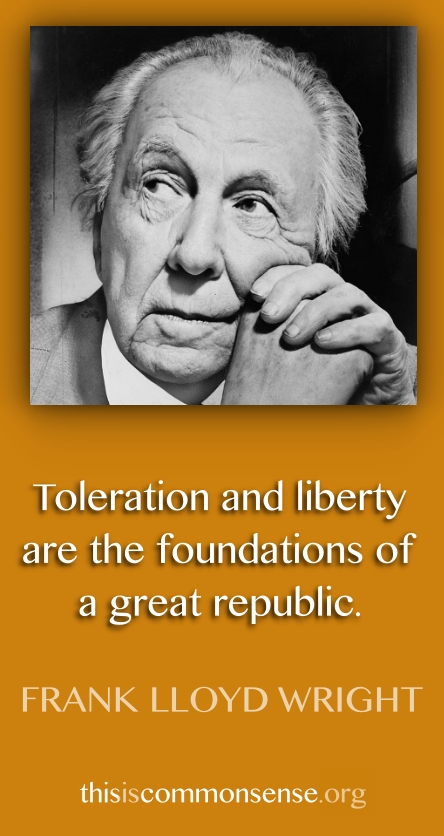
Toleration and liberty are the foundations of a great republic.
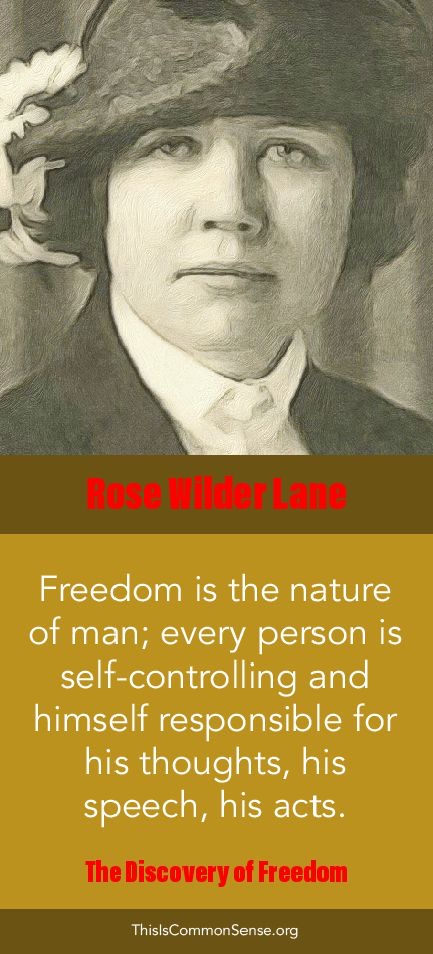
Freedom is the nature of man; every person is self-controlling and himself responsible for his thoughts, his speech, his acts.
Rose Wilder Lane, Discovery of Freedom: Man’s Struggle Against Authority (1943).
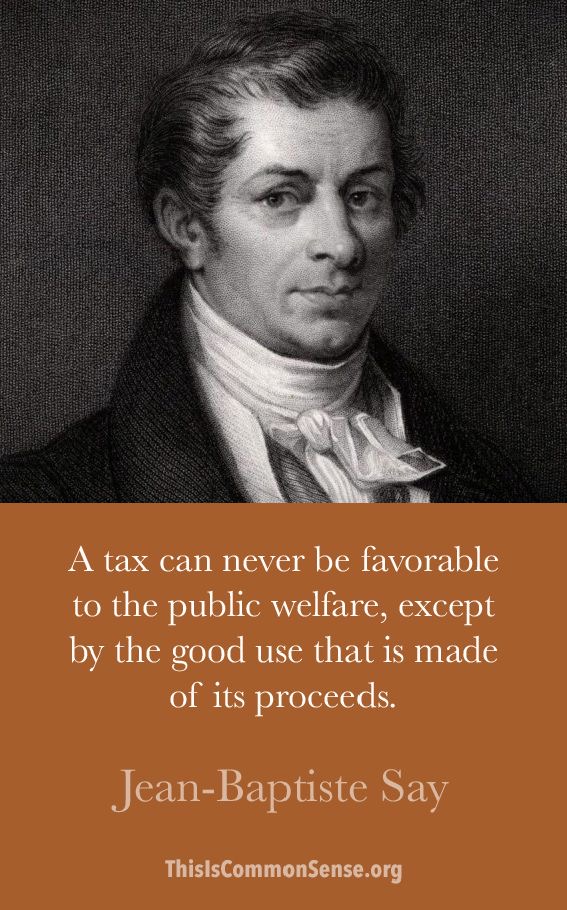
J.-B. Say, A Treatise On Political Economy (Fourth Edition, 1832), Chapter XVII, Section I, p. 168.
A tax can never be favorable to the public welfare, except by the good use that is made of its proceeds.
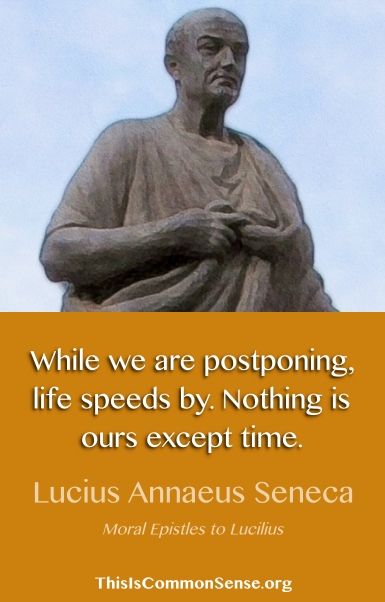
While we are postponing, life speeds by. Nothing is ours except time.
Lucius Annaeus Seneca, Moral Epistles to Lucilius.