Reason does not work instinctively, but requires trial, practice, and instruction in order to gradually progress from one level of insight to another.
Categories
Immanuel Kant
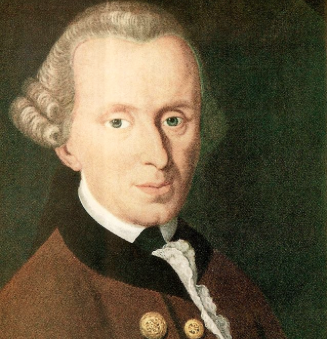
Reason does not work instinctively, but requires trial, practice, and instruction in order to gradually progress from one level of insight to another.
The demand for money is regulated entirely by its value, and its value by its quantity.
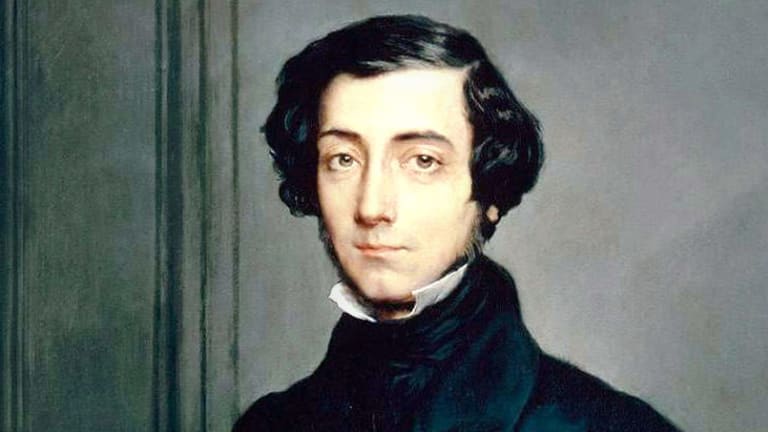
They [socialists] unceasingly attempt to mutilate, to curtail, to obstruct personal freedom in any and all ways. They hold that the State must not only act as the director of society, but must further be master of each man, and not only master, but keeper and trainer. For fear of allowing him to err, the State must place itself forever by his side, above him, around him, better to guide him, to maintain him, in a word, to confine him. They call, in fact, for the forfeiture, to a greater or less degree, of human liberty, to the point where, were I to attempt to sum up what socialism is, I would say that it was simply a new system of serfdom.
Alexis de Tocqueville, September 12, 1848, a speech in front of the Constituent Assembly.
Goods move in response to price differences from points of low to points of higher price, the movement tending to obliterate the price difference and come to rest.
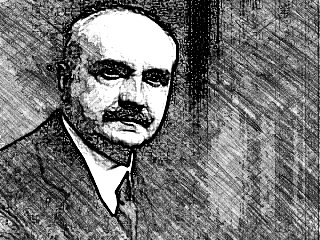
George Santayana, Character and Opinion in the United States (1920).
American life is a powerful solvent. As it stamps the immigrant, almost before he can speak English, with an unmistakable muscular tension, cheery self-confidence and habitual challenge in the voice and eyes, so it seems to neutralize every intellectual element, however tough and alien it may be, and to fuse it in the native good-will, complacency, thoughtlessness, and optimism.
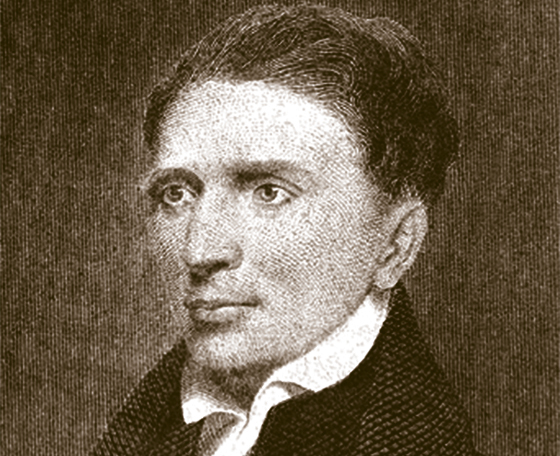
There are revulsions in nature, and we cannot expect that there should be none in trade. The political circumstances of nations, the instability of seasons, war, pestilence, and famine, are all causes which may jar the great machine of commerce, and throw some of its parts into extreme disorder. But these revulsions would be lighter and less frequent than those which happen under the bad system of exclusively privileged banking, which is wholly artificial, and at utter variance with the natural mechanism of trade. The revulsions of a free trade system would not be political revulsions, they would not provoke to such mad exasperation the bad passions of men, and set a whole people in the deplorable attitude of two opposing parties, surveying each other with the scowl of mutual hatred, instead of the glances of fraternal kindness.
William Leggett, “The Divorce of Politicks and Banking,” The Plaindealer (September 2, 1837).
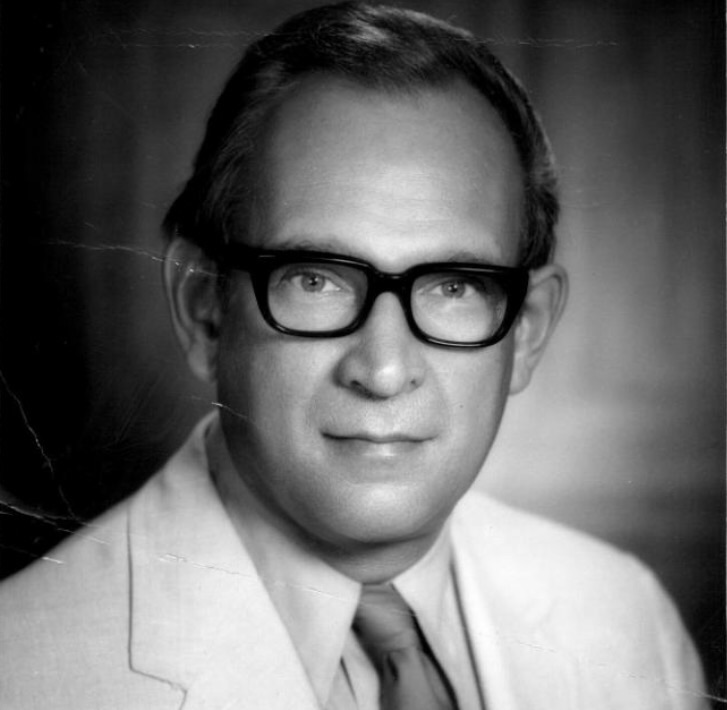
By far the most numerous and most flagrant violations of personal liberty and individual rights are performed by governments. The major crimes throughout history, the ones executed on the largest scale, have been committed not by individuals or bands of individuals but by governments, as a deliberate policy of those governments, that is, by the official representatives of governments, acting in their official capacity.
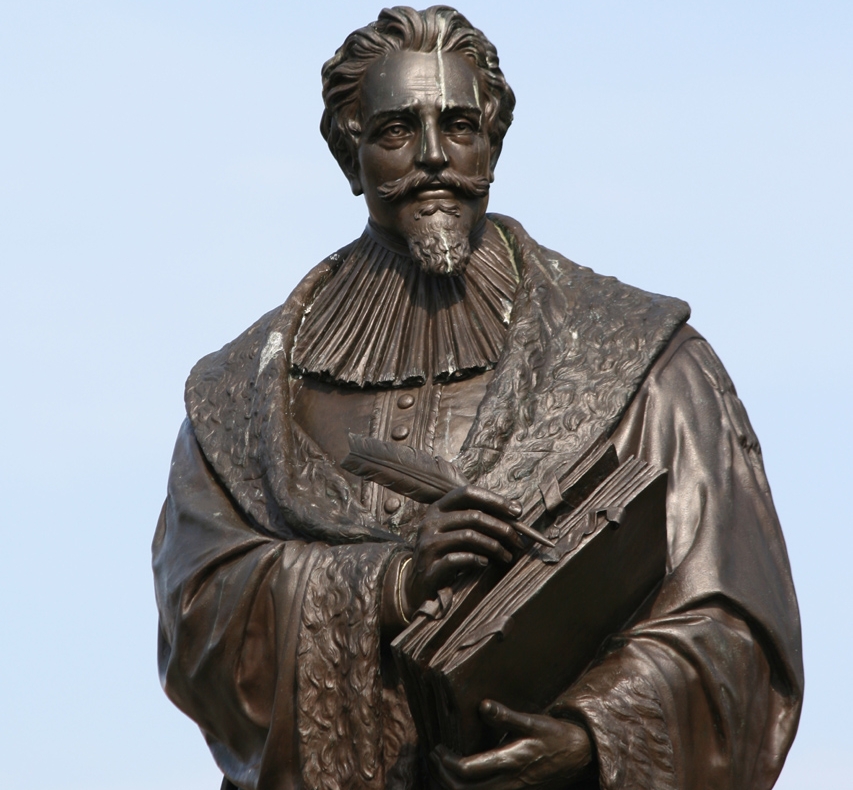
A man cannot govern a nation if he cannot govern a city; he cannot govern a city if he cannot govern a family; he cannot govern a family unless he can govern himself; and he cannot govern himself unless his passions are subject to reason.
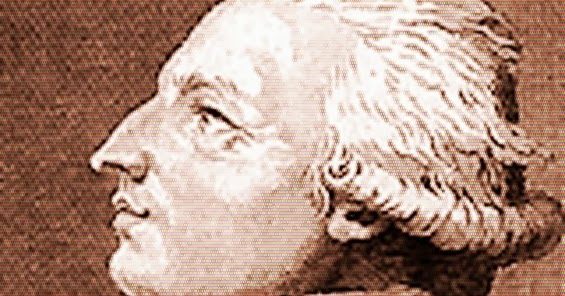
It is . . . as erroneous to believe that the loans of government are not hurtful to national industry, as it is to suppose that the funds which they produce, are not taken from any individual involuntarily. In truth these are not the real reasons which cause so much importance to be attached to the possibility of borrowing. The great advantage of loans, in the eyes of their partisans, is that they furnish in a moment enormous sums, which could only have been very slowly procured by means of taxes, even the most overwhelming. Now I do not hesitate to declare that I regard this pretended advantage as the greatest of all evils.

Mr. Chairman — A worthy member has asked, who are the militia, if they be not the people, of this country, and if we are not to be protected from the fate of the Germans, Prussians, &c. by our representation? I ask who are the militia? They consist now of the whole people, except a few public officers.