Categories
Thought

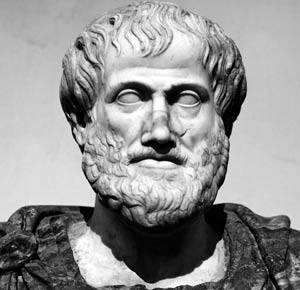
Aristotle

Any one can get angry — that is easy — or give or spend money; but to do this to the right person, to the right extent, at the right time, with the right motive, and in the right way, that is not for every one, nor is it easy.

Aristotle, Nicomachean Ethics, Book Two.

Categories
Thought

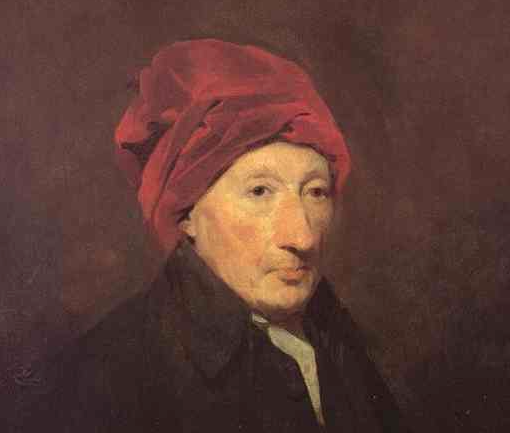
Thomas Reid

The rules of navigation never navigated a ship. The rules of architecture never built a house.

Categories
Thought

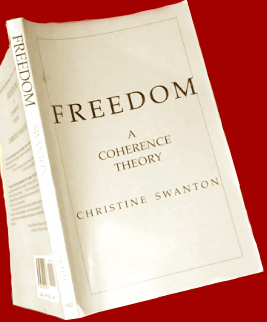
Christine Swanton

If I am free to be a pitcher or a poet, I am freer than if my options are being a pitcher or a shortstop.

Christine Swanton, Endoxa 15, Freedom: A Coherence Theory (1992), p. 194.
Categories
Thought

Maimònides

It is better and more satisfactory to acquit a thousand guilty persons than to put a single innocent one to death.

Moshe ben Maimon (commonly known as Moses Maimònides), Sefer Hamitzvot [Book of the Commandments], commentary on Negative Commandment 290, as translated by Charles B. Chavel (1967).
Categories
Thought

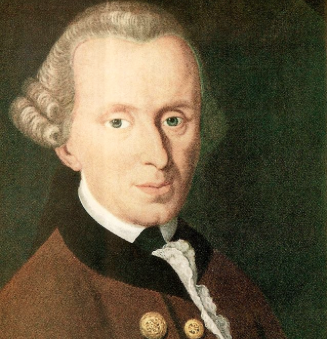
Immanuel Kant

Out of the crooked timber of humanity, no straight thing was ever made.

Categories
Thought

Destutt de Tracy

It is manifest that, to banish bad sentiments born of oppression and insolence, it is necessary that laws be equal for everyone, and even for everyplace.

Destutt de Tracy, as quoted by Mme. Victor de Tracy, Death Notice on Destutt de Tracy
(translated by Iris Hartman, 1852).
Categories
Thought

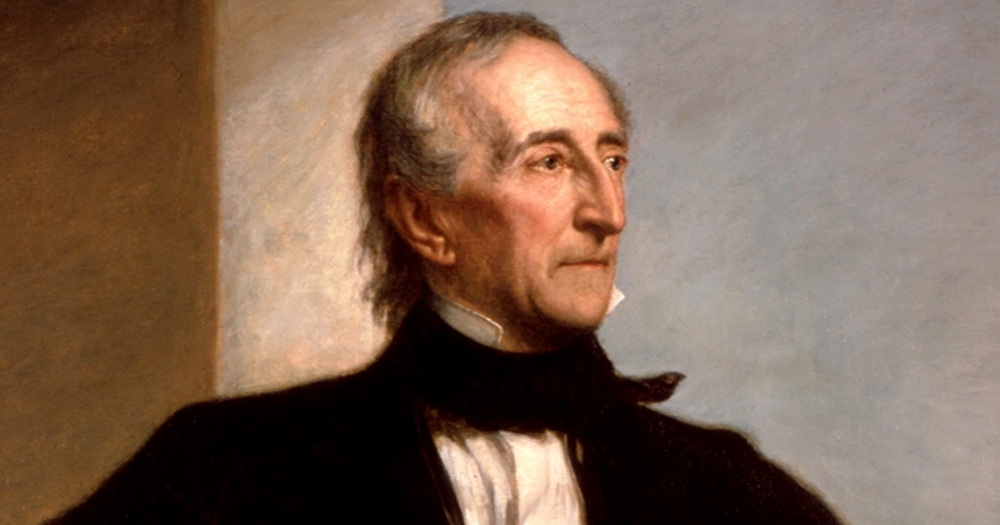
President John Tyler

Patronage is the sword and cannon by which war may be made on the liberty of the human race.

Categories
Thought

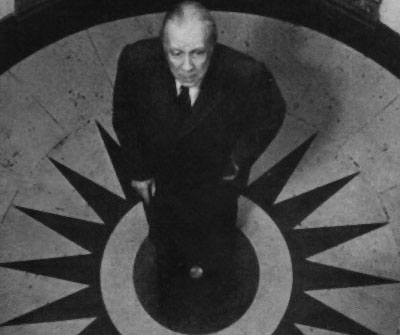
Jorge Luis Borges

Dictatorships foster oppression, dictatorships foster servitude, dictatorships foster cruelty; more abominable is the fact that they foster idiocy.

Categories
Thought

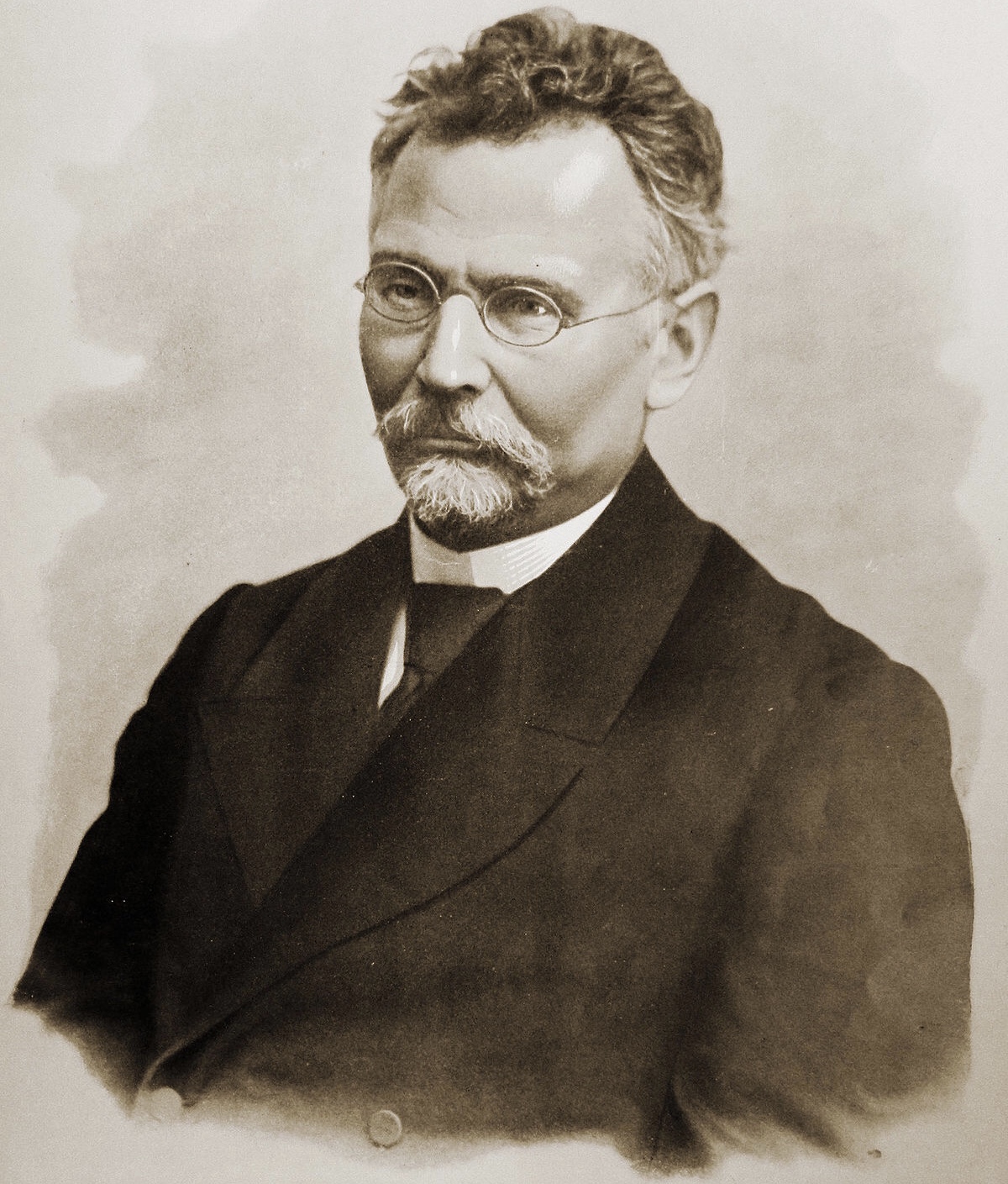
Bolesław Prus

For human nature is strange: the less we are inclined to self-sacrifice, the more we insist on it in others.

Categories
Thought

Destutt de Tracy

We can scarcely conceive at first that the great effects . . . have no other cause than the sole reciprocity of services and the multiplicity of exchanges. However this continual succession of exchanges has three very remarkable advantages.
First, the labour of several men united is more productive, than that of the same men acting separately. . . .
Secondly, our knowledge is our most precious acquisition, since it is this that directs the employment of our force, and renders it more fruitful, in proportion to its greater soundness and extent. . . .
Thirdly, and this still merits attention: when several men labour reciprocally for one another every one can devote himself exclusively to the occupation for which is fittest, whether from his natural dispositions or from fortuitous circumstances; and thus he will succeed better. . . .
Concurrence of force, increase and preservation of knowledge, and division of labour, — these are the three great benefits of society. They cause themselves to be felt from the first by men the most rude; but they augment in an incalculable ratio, in proportion as they are perfected, — and every degree of amelioration, in the social order, adds still to the possibility of increasing and better using them.

Antoine Louis Claude Destutt, comte de Tracy, A Treatise on Political Economy (Georgetown, D.C.: Joseph Mulligan, publisher; W. A. Rind & Co., printer, 1817) Thomas Jefferson, ed. of translation, from the section entitled “The First Part of the Treatise on the Will and Its Effects: Of Our Action,” chapter one, “Of Society.”