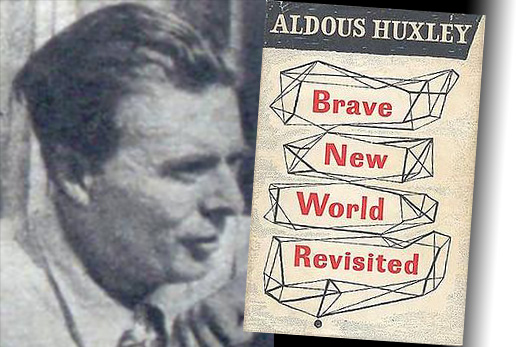
The nature of power is such that even those who have not sought it, but have had it forced upon them, tend to acquire a taste for more.
Aldous Huxley, Brave New World Revisited (1958), chapter one, p. 12.
Aldous Huxley
The nature of power is such that even those who have not sought it, but have had it forced upon them, tend to acquire a taste for more.
Aldous Huxley, Brave New World Revisited (1958), chapter one, p. 12.
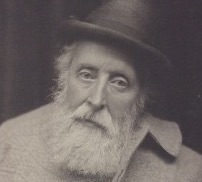
Auberon Herbert, The Right and Wrong of Compulsion by the State (1885).
To live in a state of liberty is not to live apart from law. It is, on the contrary, to live under the highest law, the only law that can really profit a man, the law which is consciously and deliberately imposed by himself on himself.
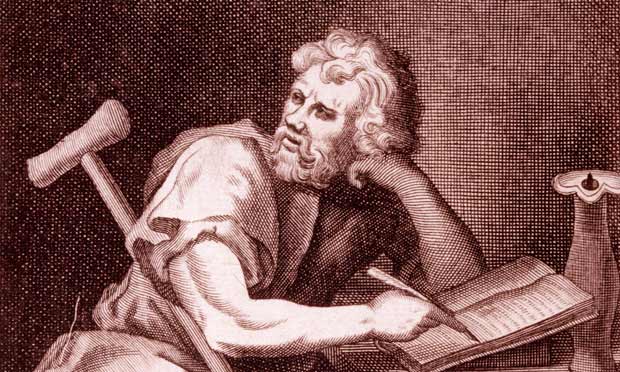
Reason is not measured by size or height, but by principle.
Epictetus, Discourses, Book I, ch. 12.
However hard they try, men cannot create a social organism, they can only create an organization. In the process of trying to create an organism they will merely create a totalitarian despotism.
Aldous Huxley, Brave New World Revisited (1958), chapter three, p. 24.
Liberty, as we all know, cannot flourish in a country that is permanently on a war footing, or even a near war footing. Permanent crisis justifies permanent control of everybody and everything by the agencies of central government.
Aldous Huxley, Brave New World Revisited (1958), chapter one, p. 14.
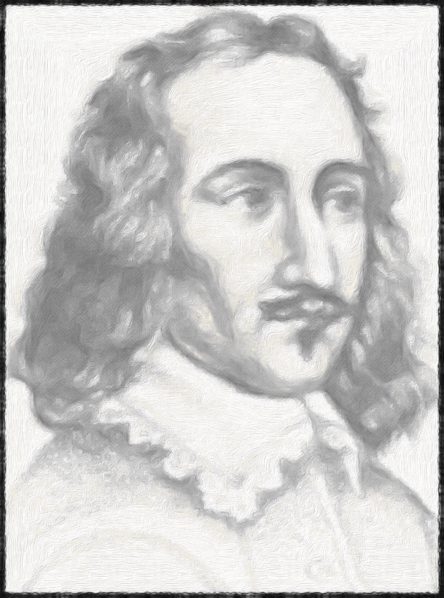
To every individual in nature is given an individual property by nature not to be invaded or usurped by any. For every one, as he is himself, so he has a self-propriety, else could he not be himself; and of this no second may presume to deprive any of without manifest violation and affront to the very principles of nature and of the rules of equity and justice between man and man. Mine and thine cannot be, except this be. No man has power over my rights and liberties, and I over no man’s. I may be but an individual, enjoy my self and my self-propriety and may right myself no more than my self, or presume any further; if I do, I am an encroacher and an invader upon another man’s right — to which I have no right. For by natural birth all men are equally and alike born to like propriety, liberty and freedom. . . .
Richard Overton, An Arrow against all Tyrants from the prison of Newgate into the prerogative bowels of the arbitrary House of Lords and all other usurpers and tyrants whatsoever (1646)
Propaganda in favor of action that is consonant with enlightened self-interest appeals to reason by means of logical arguments based upon the best available evidence fully and honestly set forth. Propaganda in favor of action dictated by the impulses that are below self-interest offers false, garbled or incomplete evidence, avoids logical argument and seeks to influence its victims by the mere repetition of catchwords, by the furious denunciation of foreign or domestic scapegoats, and by cunningly associating the lower passions with the highest ideals, so that atrocities come to be perpetrated in the name of God and the most cynical kind of Realpolitik is treated as a matter of religious principle and patriotic duty.
Aldous Huxley, Brave New World Revisited (1958), chapter four, p. 33.
That was the ultimate subtlety: consciously to induce unconsciousness, and then, once again, to become unconscious of the act of hypnosis you had just performed. Even to understand the word ‘doublethink’ involved the use of doublethink.
George Orwell, Nineteen Eighty-four (1949), chapter 3.
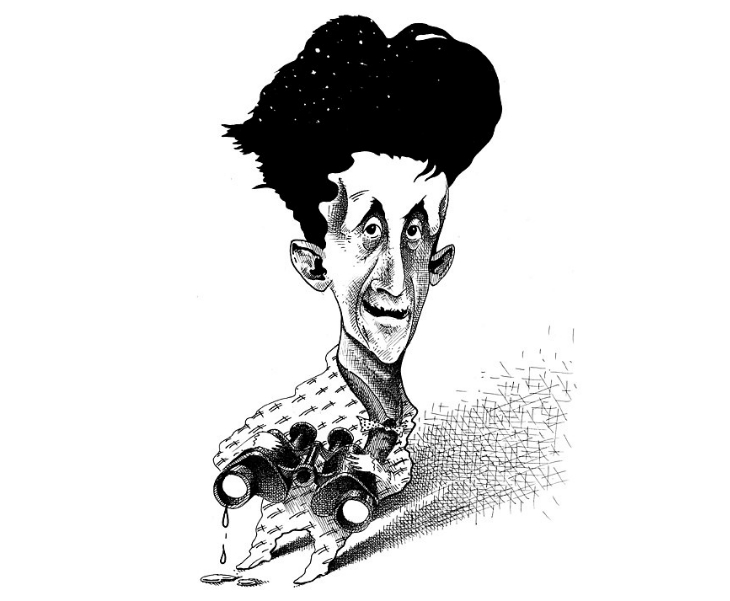
Note: illustration by Bernd Pohlenz — CC BY-SA 3.0.
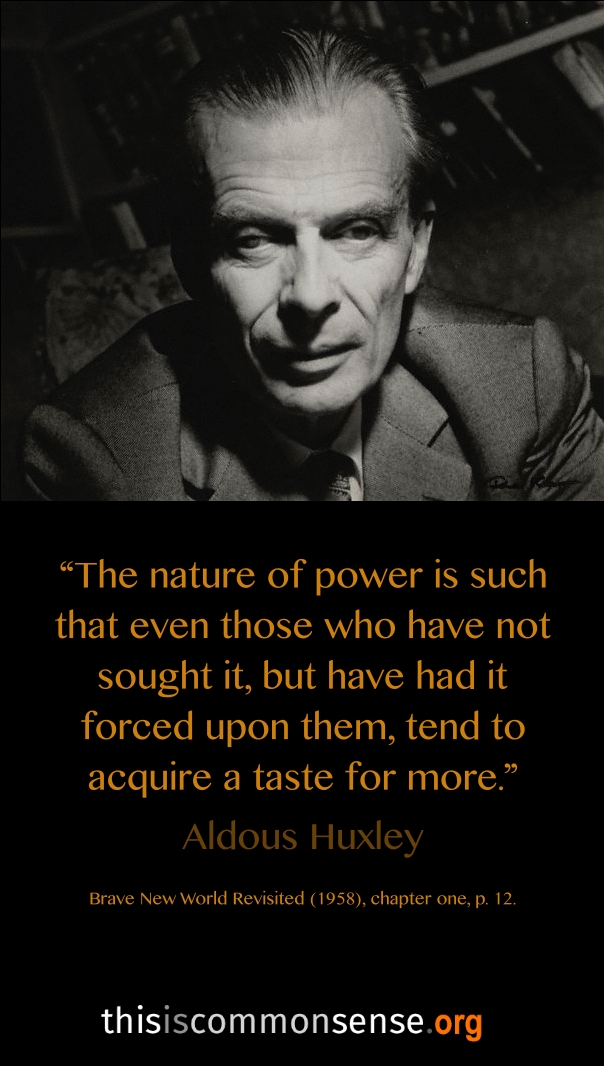
To be able to destroy with good conscience, to be able to behave badly and call your bad behavior ‘righteous indignation’ — this is the height of psychological luxury, the most delicious of moral treats.
Aldous Huxley, attributed — on the Web and in many books it is cited as from his first comic novel of ideas, Crome Yellow, but it is not in there.
[I]f all others accepted the lie which the Party imposed — if all records told the same tale — then the lie passed into history and became truth. ‘Who controls the past,’ ran the Party slogan, ‘controls the future: who controls the present controls the past.’ And yet the past, though of its nature alterable, never had been altered. Whatever was true now was true from everlasting to everlasting. It was quite simple. All that was needed was an unending series of victories over your own memory. ‘Reality control,’ they called it: in Newspeak, ‘doublethink.’
George Orwell, Nineteen Eighty-four (1949), chapter 3.
Note: illustration by Bernd Pohlenz — CC BY-SA 3.0.