It is acquired wisdom and experience only that teach incredulity, and they very seldom teach it enough.
Adam Smith, The Theory of Moral Sentiments (1801, Ninth Edition).
Categories
Adam Smith
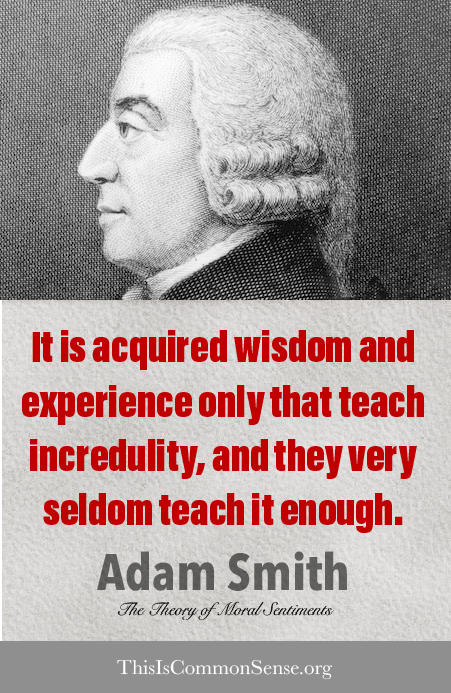
It is acquired wisdom and experience only that teach incredulity, and they very seldom teach it enough.
Adam Smith, The Theory of Moral Sentiments (1801, Ninth Edition).
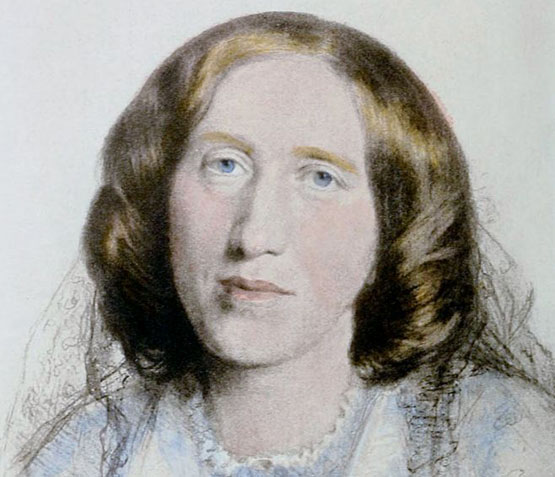
It is doubtful whether our soldiers would be maintained if there were not pacific people at home who like to fancy themselves soldiers. War, like other dramatic spectacles, might possibly cease for want of a “public.”
Mary Ann Evans (1819–1880), writing as George Eliot, The Mill on the Floss (1860)
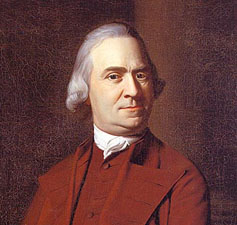
The natural liberty of man is to be free from any superior power on Earth, and not to be under the will or legislative authority of man, but only to have the law of nature for his rule.
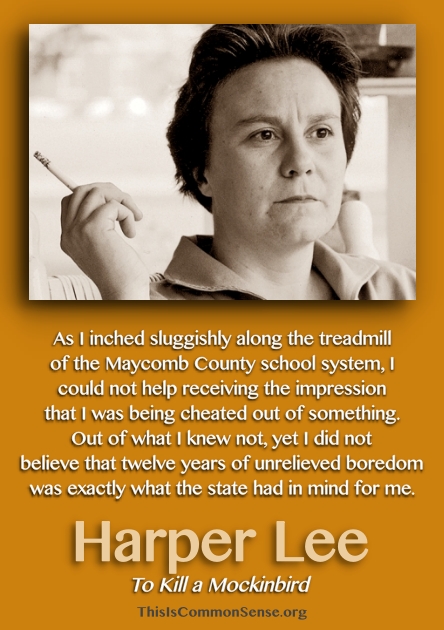
As I inched sluggishly along the treadmill of the Maycomb County school system, I could not help receiving the impression that I was being cheated out of something. Out of what I knew not, yet I did not believe that twelve years of unrelieved boredom was exactly what the state had in mind for me.
Harper Lee, To Kill a Mockingbird (1960), Part I, Chapter 4.

[I]f two countries are placed under unequal conditions of production, it is that one of the two that is least favored by nature that has most to gain by free trade.
Frédéric Bastiat, from Economic Sophisms, “To Equalize the Conditions of Production.”
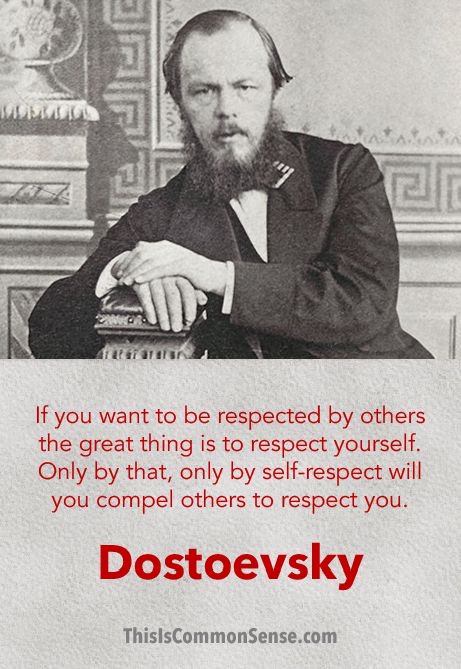
If you want to be respected by others the great thing is to respect yourself. Only by that, only by self-respect will you compel others to respect you.
Fyodor Mikhailovich Dostoevsky, Injury and Insult (1861).

It is absurd to hold that a man ought to be ashamed of being unable to defend himself with his limbs but not of being unable to defend himself with speech and reason, when the use of reason is more distinctive of a human being than the use of his limbs.
Aristotle, Rhetoric, Book I.
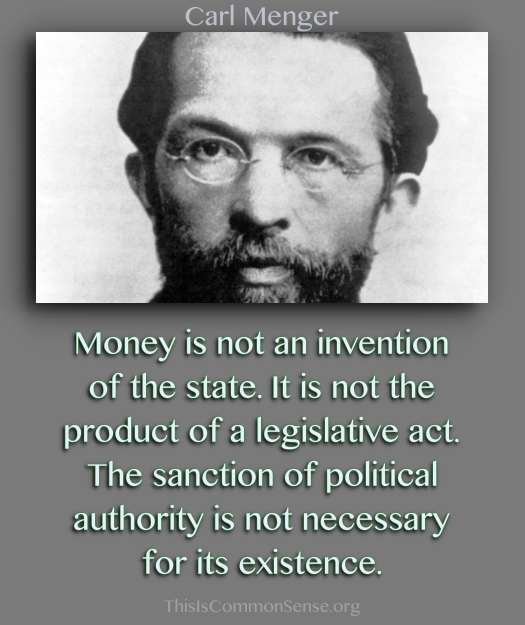
Money is not an invention of the state. It is not the product of a legislative act. Even the sanction of political authority is not necessary for its existence. Certain commodities came to be money quite naturally, as the result of economic relationships that were independent of the power of the state.
Carl Menger, “The Nature and Origin of Money” (1892).
There are conditions of blindness so voluntary that they become complicity.
Paul Bourget, Cosmopolis (1892), Chapter 5 “Countess Steno.”
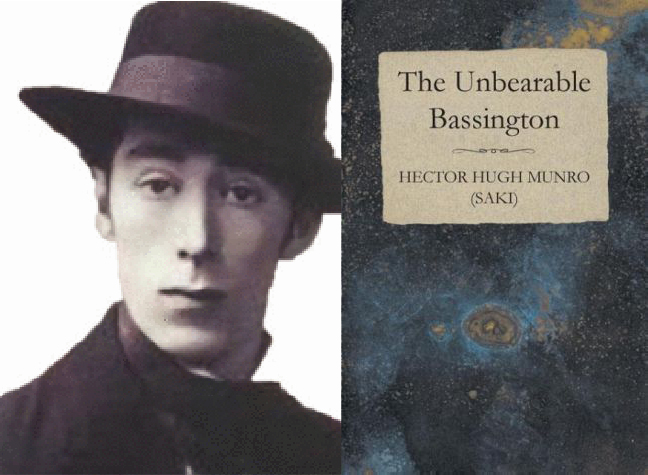
Saki, The Unbearable Bassington, ch. 13 (1912).
We all know that Prime Ministers are wedded to the truth, but like other wedded couples they sometimes live apart.
r